NTPC invites EOI for flexible thermal power solutions to support renewable energy integration
Jun 05, 2026
New Delhi [India], June 5 : State-run power major NTPC has invited an Expression of Interest (EOI) for flexible thermal power units capable of operating at low technical loads and supporting grid-balancing requirements, as India increases the share of renewable energy in its power mix.
The company has sought proposals for sub-critical thermal power units in the 150-250 MW range that can operate in two shifts and run at a minimum technical load of 25 per cent.
"NTPC has invited an Expression of Interest for sub-critical thermal power units in the 150-250 MW range capable of two-shift operation and operation at a minimum technical load of 25%," the company said in a statement.
Through the initiative, NTPC aims to identify technology providers and engineering, procurement and construction (EPC) partners for developing highly flexible thermal generation solutions.
"Through this initiative, NTPC aims to identify technology providers and EPC partners for developing highly flexible thermal generation solutions, reinforcing its commitment to grid reliability, stability and India's evolving energy transition needs," the statement said.
The company said the move comes as India's rapid renewable energy expansion is increasing the need for power sources that can quickly respond to changing grid conditions.
"India's rapid expansion of renewable capacity is transforming the power sector and advancing the country's clean energy ambitions. However, the growing share of renewable generation is also increasing the need for flexible power sources that can quickly respond to changing grid conditions," NTPC said.
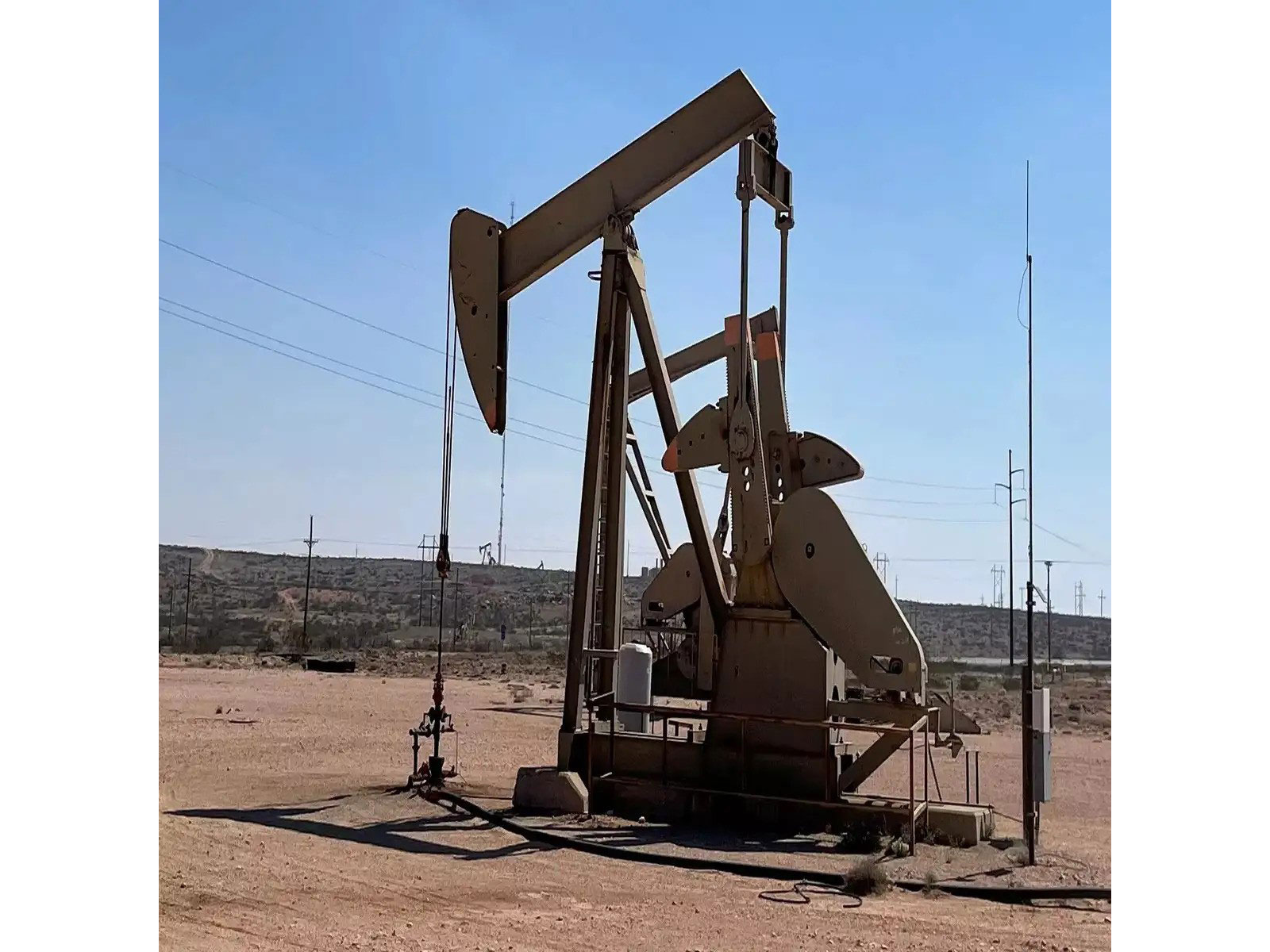
NTPC noted that thermal power plants continue to play a critical role in providing grid-balancing support, given the limited availability of hydro power, gas-based generation and large-scale energy storage systems.
According to NTPC, its entire thermal fleet is already operating at a technical minimum load of 55 per cent during periods of low demand. The company said all its stations are participating in ancillary services, including Automatic Generation Control (AGC), Primary Frequency Response (PFR), Tertiary Reserve Ancillary Services (TRAS), Security Constrained Economic Dispatch (SCED) and Security Constrained Unit Commitment (SCUC).
NTPC also said its operational experience suggests that sub-critical thermal units may offer greater flexibility than supercritical and ultra-supercritical technologies for certain grid-balancing requirements because of lower parameter swings and reduced fatigue.
The company added that the ability of such units to operate efficiently at lower loads and adapt to frequent cycling could help facilitate higher renewable energy integration in the future.