“One Health part of India's traditional knowledge": RSS chief Mohan Bhagwat at inauguration of Agriculture College
Nov 12, 2026
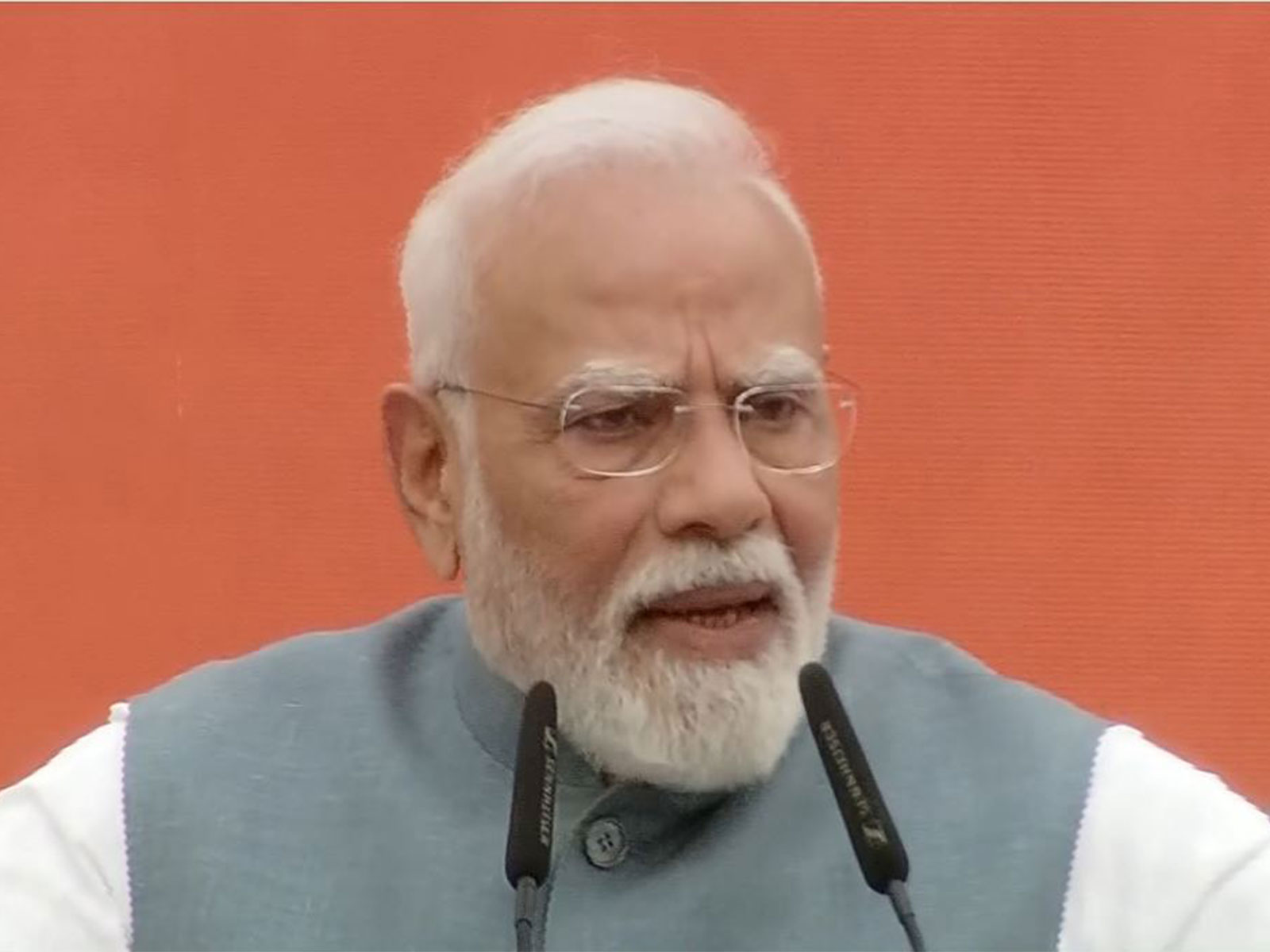
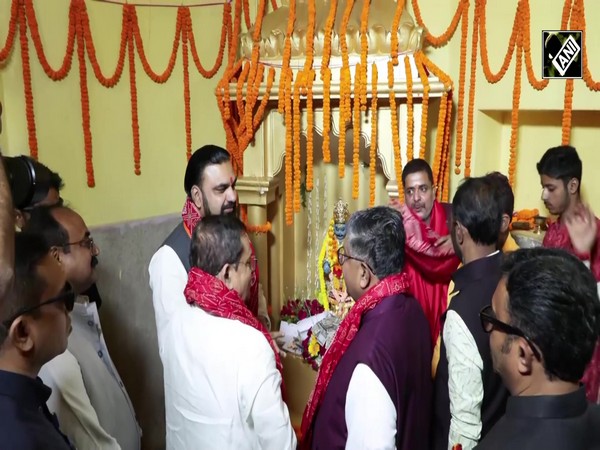
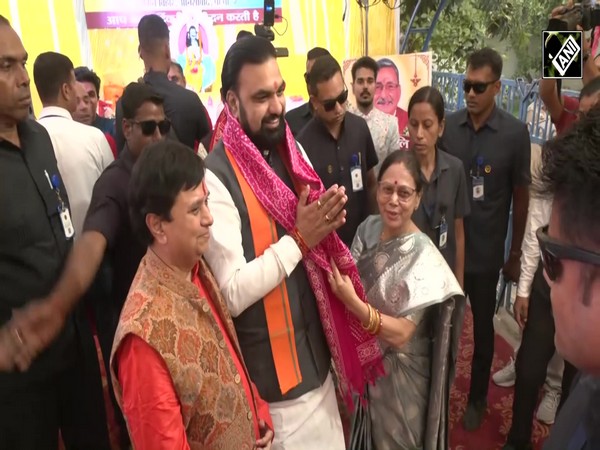
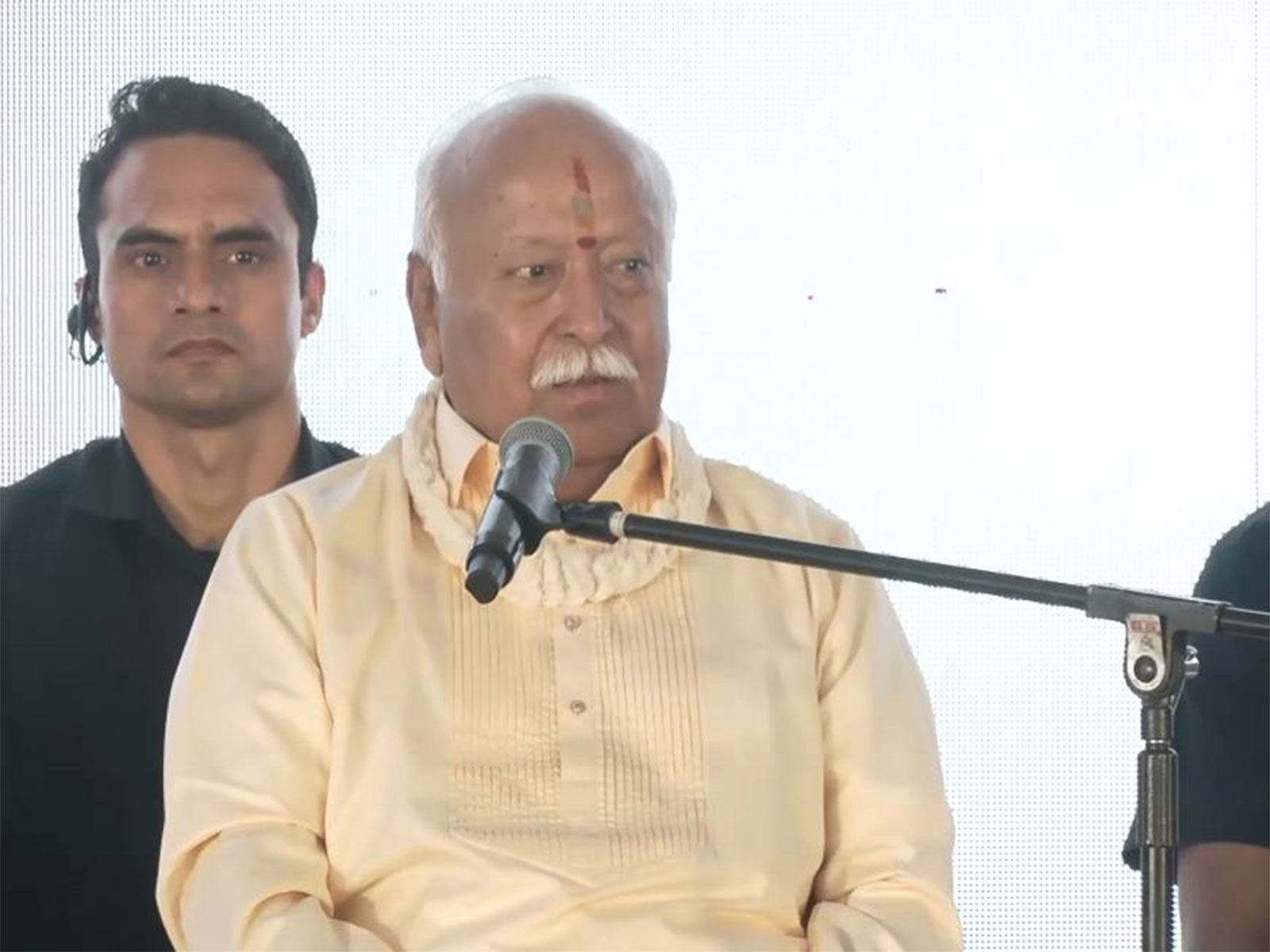
Nagpur (Maharashtra) [India], November 12 : Rashtriya Swayamsevak Sangh (RSS) chief Mohan Bhagwat on Thursday attended the unveiling of the Dattaji Meghe memorial and the inauguration of an agriculture college and veterinary hospital in Nagpur, where he said the concept of ‘One Health’ had been part of India’s traditional knowledge and practices for centuries.
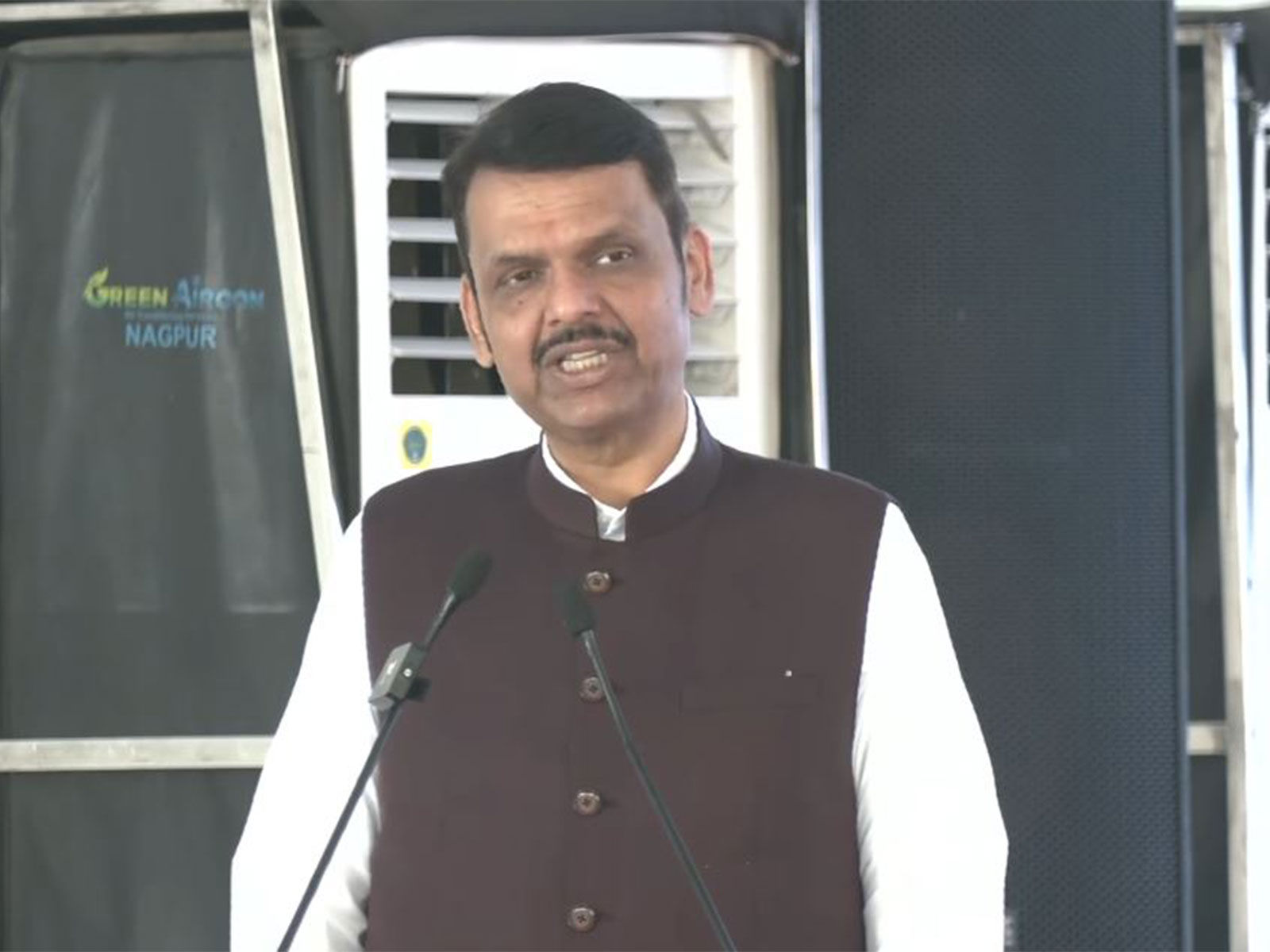
Addressing the gathering in the presence of Maharashtra Chief Minister Devendra Fadnavis and Union Minister Nitin Gadkari, Bhagwat spoke about the changing perception of veterinary science and the modern facilities now available to veterinary students.
“People occasionally remind me that I am a veterinary doctor. Yes, I am indeed a veterinary doctor. A few years ago, many people felt hesitant to identify themselves as veterinary doctors. However, that situation has now changed. Today, veterinary students have access to modern facilities and advanced infrastructure,” he said.
He said the concept of ‘One Health’ had been part of India’s traditional knowledge for centuries.
“The modern world has now become familiar with the concept of ‘One Health’, but this concept has been part of India’s traditional knowledge and practices for centuries,” Bhagwat said.
He said human beings could remain healthy only when the environment, animals and the entire natural ecosystem were healthy.
“Everyone understands that if the environment is not healthy, human beings cannot remain healthy either. If the health of animals deteriorates, it not only affects income and livelihoods but also increases the risk of diseases spreading from animals to humans,” he said.
Bhagwat said the world had realised through experience that irresponsible human behaviour could put the entire creation at risk, while India’s civilisation had acquired this understanding thousands of years ago.
“The world has now realised through experience that if human beings do not behave responsibly, the entire creation can face a crisis. However, our civilisation acquired this wisdom through experience thousands of years ago,” he said.
Referring to traditional practices, he mentioned the celebration of Vasubaras, which is dedicated to cattle, and the tradition of making Govardhan from cow dung. He said the world was now acknowledging the usefulness of cow dung, unlike earlier when such practices were ridiculed.
“We recently celebrated Diwali, which begins with Vasubaras, a festival dedicated to cattle. We also have the tradition of making Govardhan from cow dung. The world has now begun acknowledging the usefulness of cow dung. A few years ago, people across the world used to ridicule our traditional practices, but that has now changed,” he said.
He added that the world is progressing today by learning from its mistakes and experiences. Our ancestors had already gone through such experiences and developed a way of life based on that wisdom.
"Our ancestors had already gone through such experiences and developed a way of life based on that wisdom. The world is now beginning to understand these principles, and the concept of ‘One Health’ has emerged from this understanding," he added.
The RSS chief said human beings had earlier considered themselves masters of nature but were now realising that they were only one part of the universe and depended on nature.
“Human beings can remain happy and healthy only when biodiversity, ecology and the entire natural ecosystem are healthy. To ensure this balance, human beings must voluntarily impose certain restrictions on themselves,” he said.
Bhagwat said India must reflect on its traditional wisdom and use it to show the world a new path of development, adding that it was the country’s responsibility to offer a way of life based on the knowledge inherited from its ancestors.
He also stressed the need to develop indigenous cattle breeds, saying India had neglected its own breeds while bringing foreign varieties such as Jersey cattle into the country.
Referring to Nitin Gadkari’s remarks on Gir cows, Bhagwat said India already had indigenous cattle breeds with considerable potential but had failed to improve their productivity and capabilities.
"Nitin Gadkari spoke about Gir cows. We already had indigenous cattle breeds with tremendous potential, and we could have improved their productivity and capabilities. However, we failed to do so," he said.
"Instead, we brought Jersey and other foreign cattle breeds into India. Around 300 years ago, cattle were taken from India to other parts of the world for breed improvement and dairy development. In those countries, horses were traditionally used for agricultural work, while cows were primarily used for milk production and human needs. Holstein cattle are also referred to as Brahman cattle in this context. Other countries worked on improving cattle breeds, while we neglected our own indigenous breeds," he added.
H e further said that we must ask ourselves whether we have truly developed and utilised the resources and capabilities already available in our country.
"We must ask ourselves whether we have truly developed and utilised the resources and capabilities already available in our country. If we develop our indigenous strengths, we will not have to depend on the rest of the world," he said.
He said self-reliance made people truly independent, while also emphasising the responsibility to support those who depended on them.
Bhagwat further said every nation should ensure that its development contributes to the well-being of the entire world. He added that India’s traditional sciences and knowledge systems contained immense wisdom that could help the country achieve self-reliance.