“Opposition’s restlessness stems from country’s progress”: BJP chief Nitin Nabin hits back at Rahul Gandhi over UPI MDR criticism
Sep 16, 2026
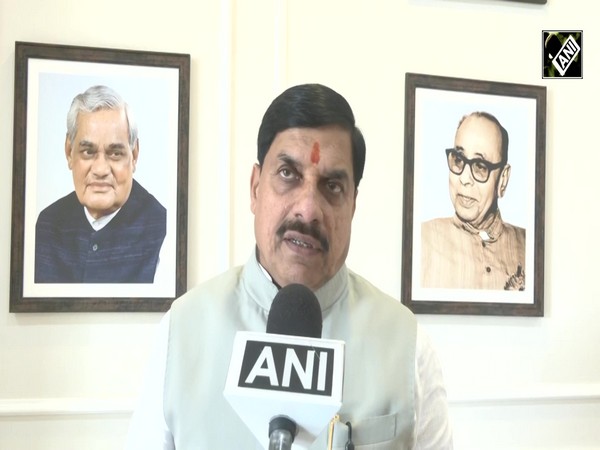
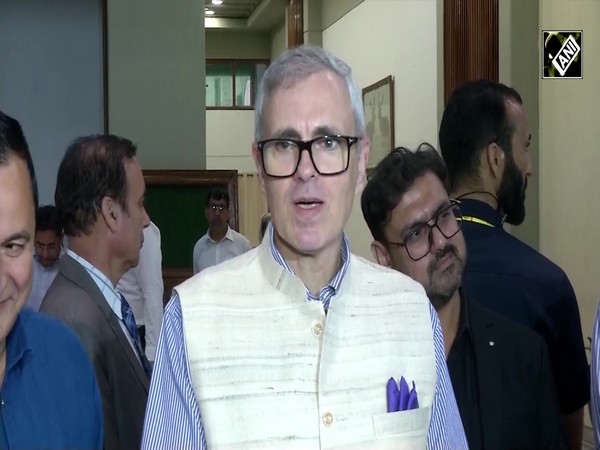
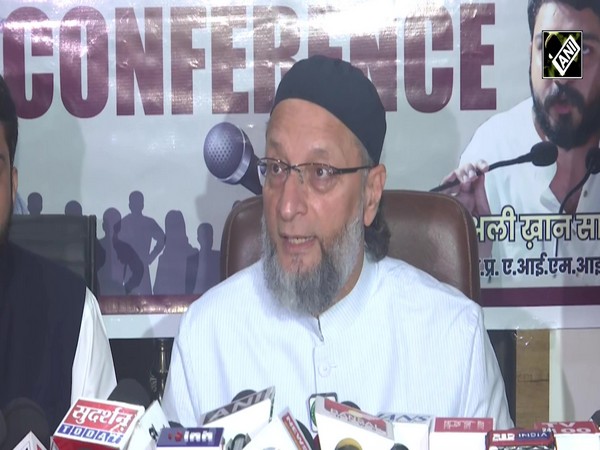
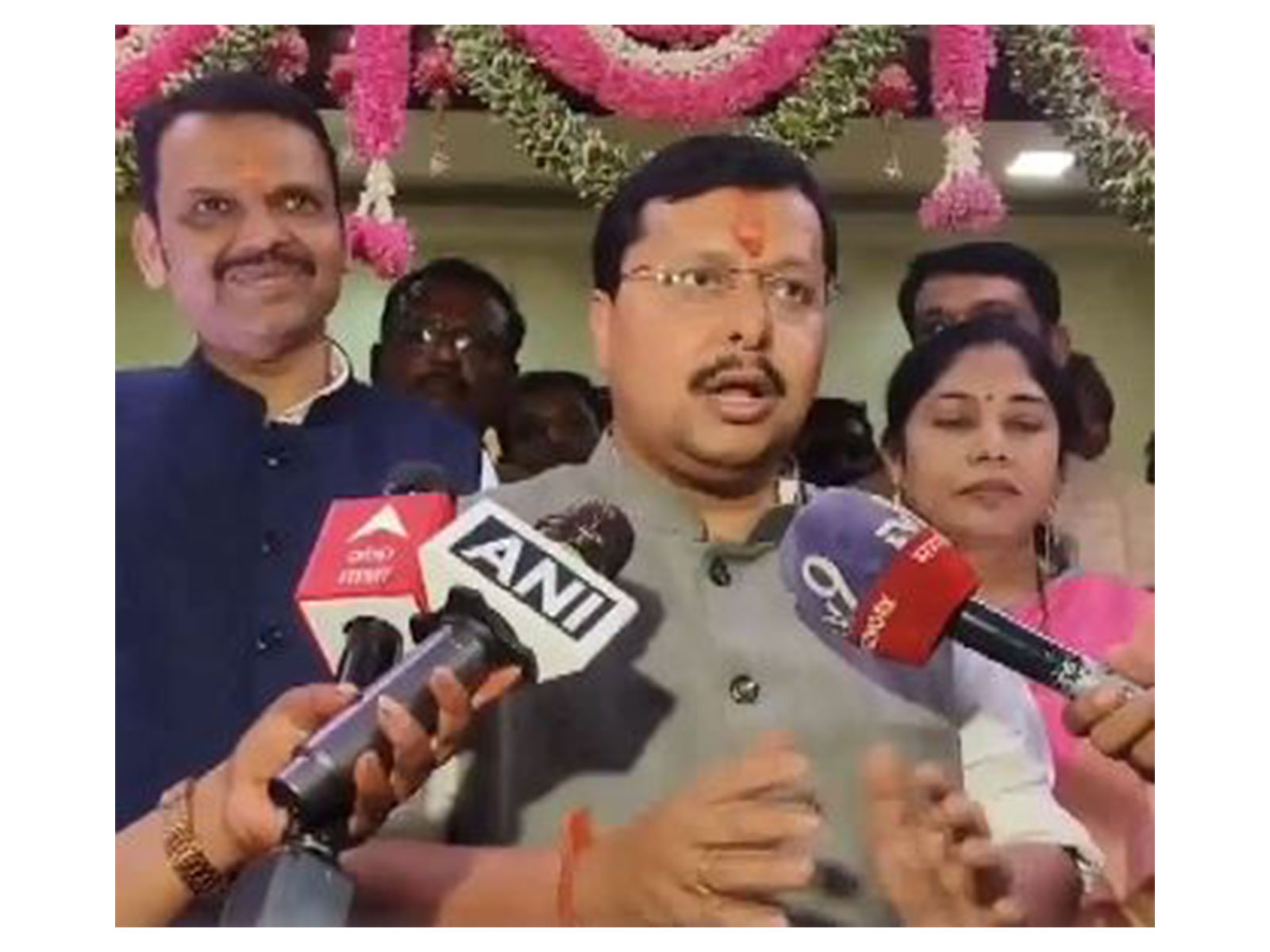
Pune (Maharashtra) [India], September 17 : BJP President Nitin Nabin on Wednesday slammed Congress leader Rahul Gandhi over his criticism of the Centre's Merchant Discount Rate (MDR) framework for UPI transactions, saying the opposition’s "restlessness stems from the country's progress".
Nabin told reporters that opposition lacks the perspective to discuss the country’s progress.
"The opposition’s restlessness stems from the country's progress. They find fault with the BRICS summit, AI Summit...Look at the development schemes in the country today; infrastructure investment stands at Rs 7 lakh crore...They fail to acknowledge the lakhs and crores of people covered by Ayushman Bharat or those who have benefited from the Pradhan Mantri Awas Yojana,” Nabin said.
“They lack the perspective to discuss these matters meaningfully. Therefore, instead of mere accusations and counter-accusations regarding the government's initiatives, there should be a discussion on how we are advancing society through a model of development," he added.
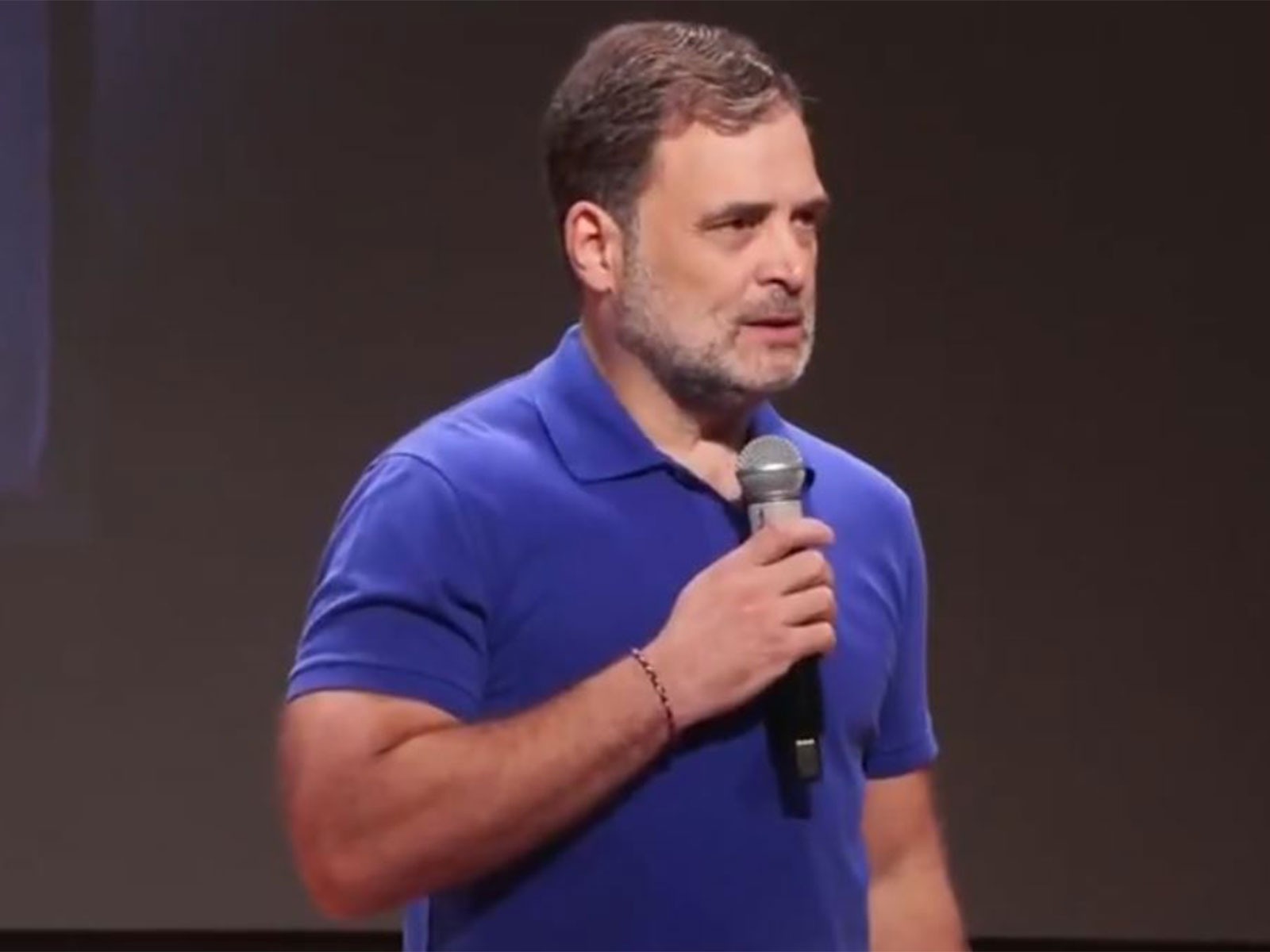
Nabin's comment came after Rahul Gandhi earlier today criticised the government's decision to introduce MDR on specified merchant UPI transactions above Rs 2,000 and demanded that the move be rolled back, referring to it as a "UPI tax". He attacked Prime Minister Narendra Modi and accused the government of working under US pressure.
Under the new framework, MDR will apply only to specified person-to-merchant (P2M) UPI transactions above Rs 2,000, while person-to-person transactions will continue to remain free. The government has also said that payments to merchants up to Rs 2,000, as well as transactions covered under the zero-MDR framework for small merchants, will remain free.
According to the Finance Ministry, approximately 96 per cent of all P2M transactions will remain unaffected. It has also clarified that MDR is neither a tax nor a charge collected by the government or the National Payments Corporation of India (NPCI), but is distributed among participants in the payments ecosystem, including banks and payment application providers.
The issue has also brought attention to the recommendations of the Standing Committee on Finance on the sustainability of the UPI ecosystem.
The committee, in its report adopted on August 12, had called for a viable revenue mechanism for UPI and recommended that a tiered MDR or revenue framework be notified and operationalised. Congress MPs, including former Finance Minister P Chidambaram, Manish Tewari, Gaurav Gogoi, Kishori Lal and K Gopinath, were members of the committee.
The report noted the Rs 2,000 crore budgetary allocation for 2026-27 to offset ecosystem costs arising from the zero-MDR policy on RuPay and low-value UPI transactions. It also highlighted a gap between the allocation and the industry's estimated operational costs.
"The Committee would like to emphasize that establishing a viable revenue mechanism is critical to ensuring the UPI ecosystem achieves financial sustainability without perpetually straining the Government exchequer," the report said.
The committee further expressed concern over the "staggering mismatch between the Rs.2,000 crore allocation and the industry's estimated operational cost of Rs.20,700 crore".
"In the view of the Committee, while statutory enablement now exists to permit calibrated MDR on high-value transactions, any delay in notifying and operationalizing this framework leaves payment service providers heavily dependent on inadequate subsidies, thereby threatening critical investments in cybersecurity, fraud prevention, and network infrastructure," the report said.
The Centre has rejected allegations that the decision to introduce MDR was taken under foreign pressure, saying that India's digital payments policy is decided independently.
The new MDR framework is scheduled to come into effect from October 15, with the government maintaining that consumers will not be charged for UPI transactions.
![Logo of Assam Rifles (Photo/@official_dgar]](https://aniportalimages.s3.amazonaws.com/media/details/ANI-20260916171513.jpg)