Pakistan confirms allowing Iran to use its airbase during conflict with US
May 12, 2026
Islamabad [Pakistan], May 12 : Pakistan seems to have shot itself in the foot after it officially confirmed that it has permitted Iranian military aircraft to utilise its strategic airbases amidst the recent conflict between the US and the Islamic Republic in West Asia.
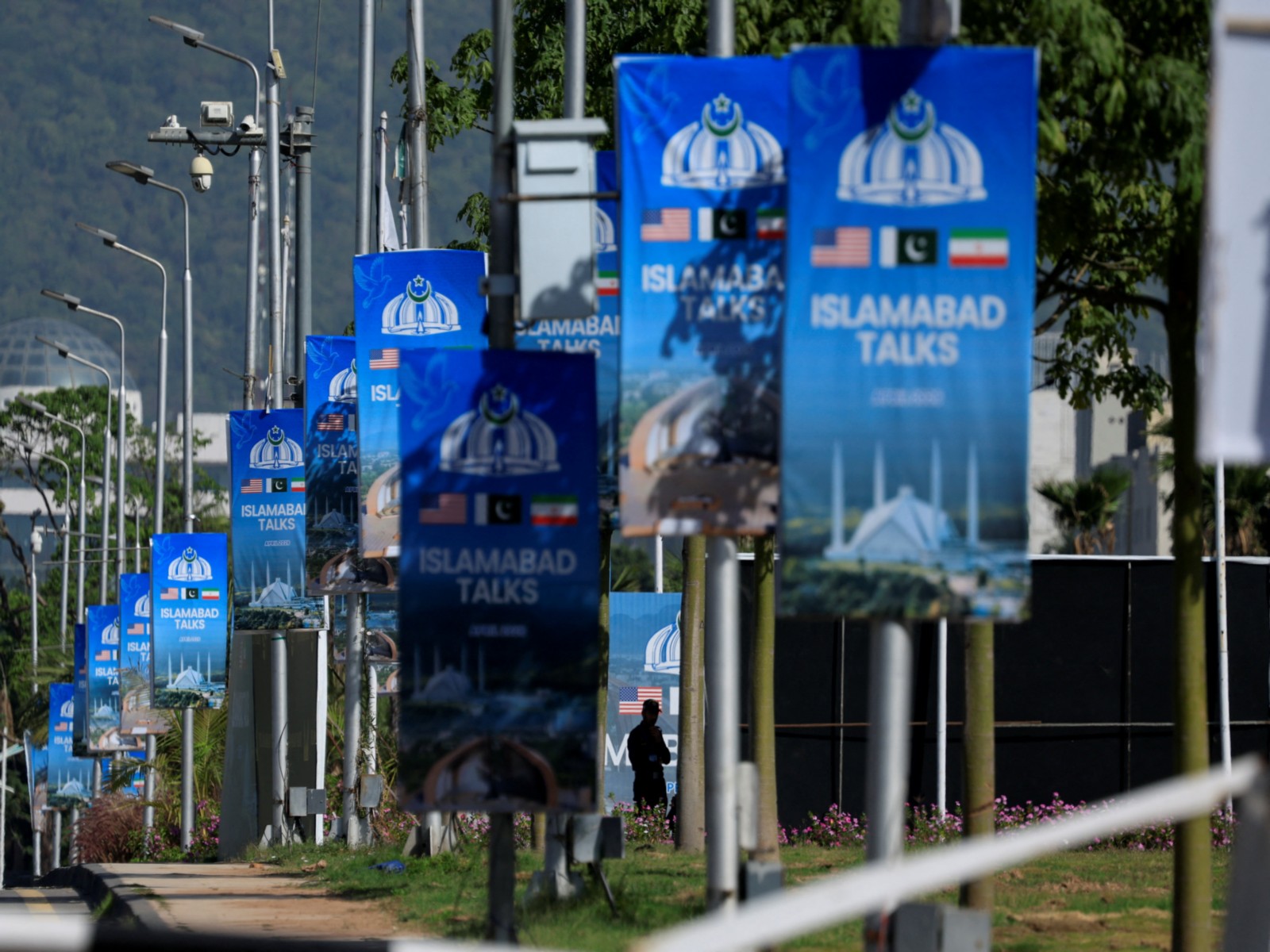
Amid scrutiny over its role as the mediator in the negotiations between the two sides over reports that suggested Pakistan was letting Tehran use its airbases during the conflict, an official statement from the country's Ministry of Foreign Affairs (MoFA) on Tuesday attempted to "categorically reject" the news report that exposed the presence of Iranian aircraft at the Nur Khan Airbase.
However, the statement inadvertently confirms the core of the allegations that Iranian military planes are indeed parked on Pakistani soil.
"The Iranian aircraft currently parked in Pakistan arrived during the ceasefire period and bears no linkage whatsoever to any military contingency or preservation arrangement," the statement claimed.
This comes after recent reports by CBS News put Islamabad's mediation role under scrutiny, claiming that the country quietly allowed Iranian military aircraft to use its airfields, possibly shielding them from American airstrikes during the conflict.
According to CBS News, citing two US officials, Pakistan had acted in support of Iran during the conflict while simultaneously attempting to maintain favourable ties with the United States.
While attempting to frame the presence of the aircraft as purely "logistical" and "administrative" support for diplomatic talks, the confirmation validates the reports that Islamabad is actively sheltering Iranian military assets from potential US strikes during the conflict.
Two US officials told CBS News that days after Trump had announced the ceasefire with Iran in early April, Tehran sent multiple aircraft to Pakistan's Nur Khan Air Base.
Among the military hardware was an Iranian Air Force RC-130, a reconnaissance and intelligence-gathering variant of the Lockheed C-130 Hercules tactical transport aircraft.
"A number of aircraft from Iran and the United States arrived in Pakistan to facilitate the movement of diplomatic personnel, security teams, and administrative staff associated with the talks process. Some aircraft and support personnel remained temporarily in Pakistan in anticipation of subsequent rounds of engagement," the MoFA statement admitted, failing to explain why Iranian military reconnaissance planes, such as the RC-130, require long-term "parking" at a high-security military installation.
By providing a safe haven for these assets, Islamabad has abandoned its facade of impartial mediation, and instead, it appears to be acting as a strategic shield for Tehran, potentially placing Pakistani soil in the crosshairs of the conflict.
Pakistan had been acting in support of Iran during the conflict while simultaneously attempting to maintain favourable ties with the United States.
The country now finds itself in a whirlwind of trouble after such reports exposed its delicate diplomatic balancing act.
Following this, US Senator and a staunch ally of President Donald Trump, Lindsey Graham, called for a "complete reevaluation" of Islamabad's role as a mediator.
In a post on X, Garham stated that he would "not be shocked" by such a move by Pakistan, citing an earlier statement from officials from Islamabad on Israel, which has strong ties with Washington.
Pakistan's template of playing both sides of the fence now also appears to have drawn distrust within the US administration, as Trump rejected the Iranian response to his peace overture.
The Iranian response was conveyed to DC by the Pakistani side, which had also played host to the round of dialogue between Iran and the US.
According to a CNN report, some people close to Trump have raised concerns over Pakistan's role as a mediator between Washington and Tehran.
CNN reported that the US administration is questioning whether the Pakistani side has been conveying President Trump's "displeasure" with the state of the peace process, and further reported that some officials also believe Pakistan has been sharing a more positive version of the Iranian position with the US than the reality.
All of this has led to major distrust in the US administration, which strongly believes that Pakistan is not pushing the proper position of the US administration with Iran, prompting divergent opinions from the Islamic regime.