Pakistan: Lahore's poor bear brunt of inflation as food, fuel costs soar
Aug 30, 2026
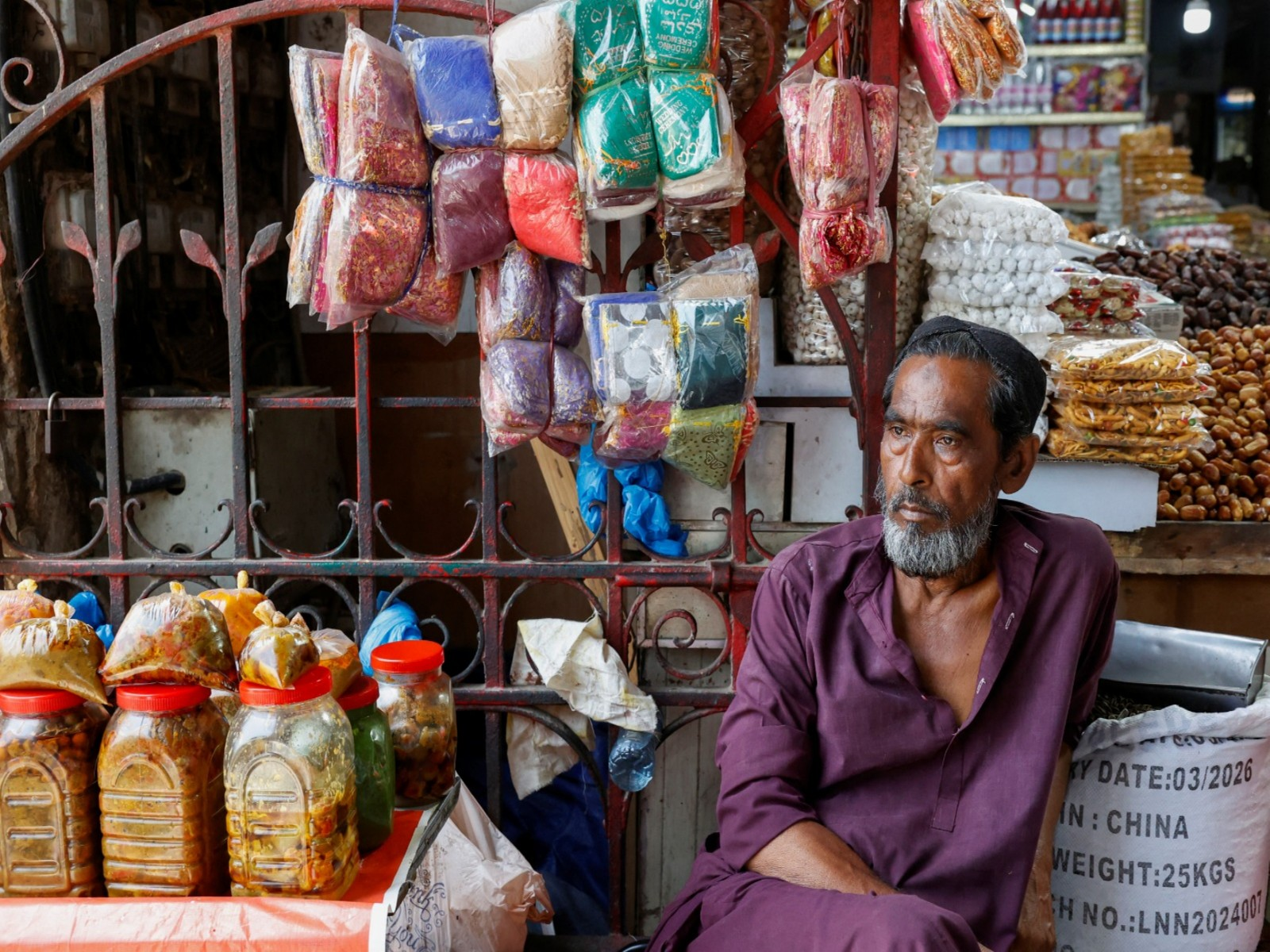
Lahore [Pakistan], August 30 : Rising inflation in Lahore has intensified financial pressures on ordinary citizens, with soaring prices of food, rent, utilities and other essentials leaving low-income families struggling to make ends meet.
Residents say the rising cost of basic commodities has made it increasingly difficult for households to afford even two meals a day. Prices of flour, cooking oil, pulses, vegetables and other necessities have continued to climb, while many daily-wage workers and low-income earners say their incomes have failed to keep pace with inflation.
Citizens also expressed concern over the sharp increase in vegetable prices, saying even commonly consumed items such as potatoes and tomatoes have become increasingly unaffordable. Some residents said vegetables are being sold at prices ranging from Rs150 to Rs300 per kilogram, depending on the item and market.
One citizen appealed to the government to take the plight of poor families seriously, saying rising food prices, rent and utility bills had made household management extremely difficult. He said families living on limited incomes were being forced to choose between food, rent, medicines and other essential expenses.
A retired teacher, Mansoor Ali, stated that people with modest pensions could not realistically meet household expenses, particularly when they also had children, medical costs and other financial responsibilities.
Residents also criticised the government over LPG prices, alleging that despite official rates, the commodity was being sold at significantly higher prices in some markets. They questioned who would regulate traders and enforce government price controls.
Usman Ali, a rickshaw driver, said the rising cost of fuel and essential goods had severely affected his livelihood. According to him, increasing expenses had left little or nothing for savings after meeting basic household needs.
Citizens further complained that lower petrol prices had failed to translate into cheaper food and other commodities. They questioned why reductions in fuel prices were not reflected in market prices.