Pakistan's press freedom crisis deepens amid rising censorship and legal intimidation
May 05, 2026
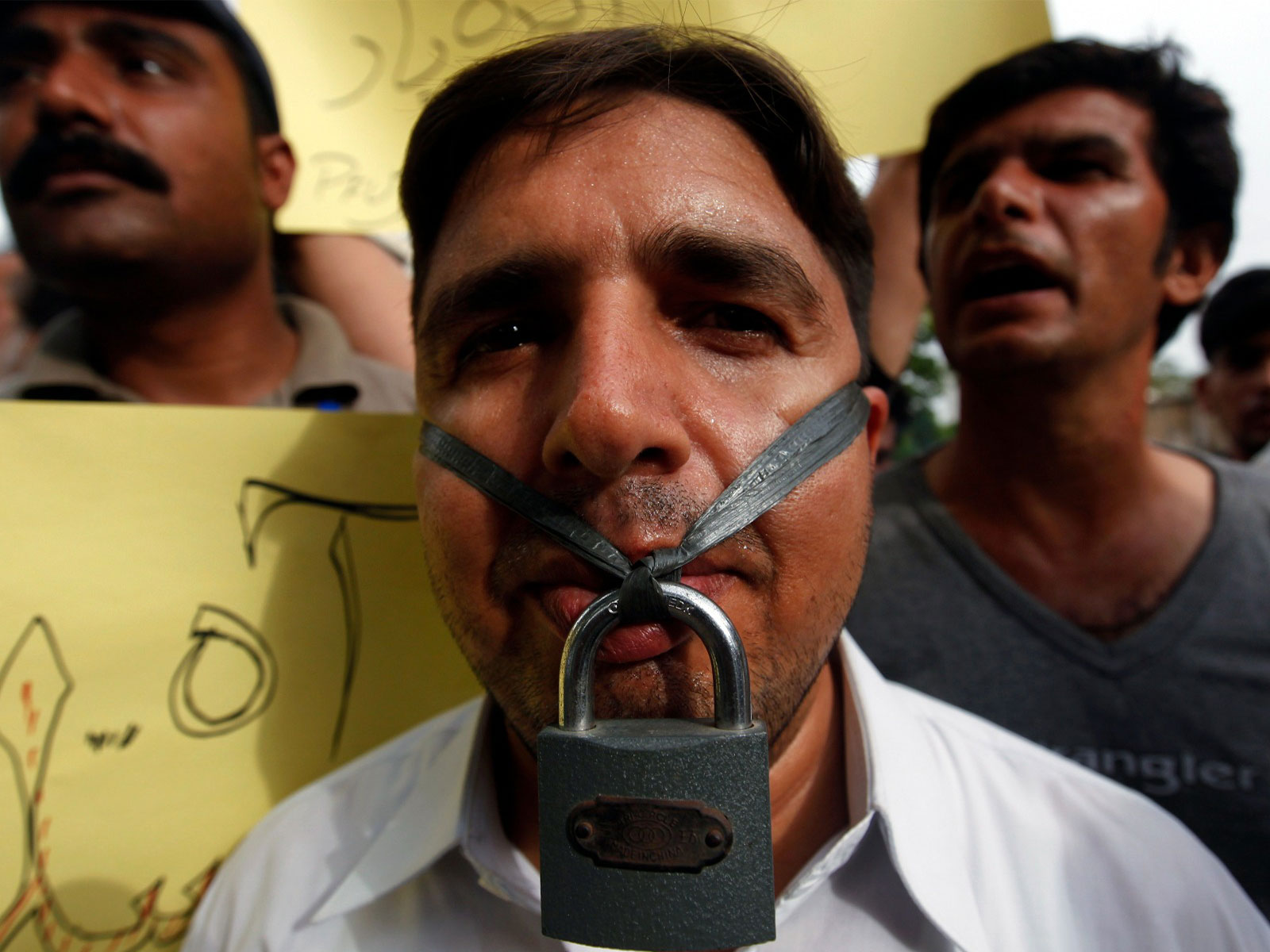
Islamabad [Pakistan] May 5 : Concerns over shrinking press freedom and escalating threats to journalists dominated observances of World Press Freedom Day in Pakistan, as media bodies and civil society groups warned of systemic curbs on independent reporting.
A coalition of leading media organisations said the past year has been particularly difficult, marked by growing restrictions, harassment, and pressure on journalists, as reported by Dawn.
According to Dawn, in a joint statement, key industry groups highlighted how journalists are increasingly subjected to intimidation, arrests, and violence, while media houses face censorship and editorial interference. They pointed to subtle and overt mechanisms of control, including the strategic use of government advertisements to influence editorial policy and the silencing of dissenting voices.
These developments, they noted, have eroded the public's right to access unbiased information. Separately, civil society organisations addressed an open letter to Prime Minister Shehbaz Sharif, warning that the country's media environment is being shaped by fear, legal coercion, and financial instability.
They argued that World Press Freedom Day has become less a celebration and more a reminder of the dangers journalists face in carrying out their work.
The letter criticised the frequent use of the Prevention of Electronic Crimes Act (PECA), alleging that it is often deployed to suppress dissent rather than ensure justice. Cases involving journalists such as Asad Toor and Farhan Mallick were cited as examples of legal actions that collapsed due to insufficient evidence, reinforcing concerns that such prosecutions are used primarily to intimidate.
Data shared by advocacy groups indicated a surge in legal cases against journalists over the past year, many linked to vaguely defined provisions around misinformation, as highlighted by Dawn.
Civil society representatives also flagged informal pressures, including alleged directives communicated through private channels, influencing editorial decisions and on-air representation.
Additionally, worsening financial conditions within the media industry, marked by layoffs, delayed wages, and reduced government advertising, have compounded vulnerabilities, as reported by Dawn.