Participants say MoPR's Nirbhay Netri training went beyond legal awareness to focus on mindset change
Jul 29, 2026
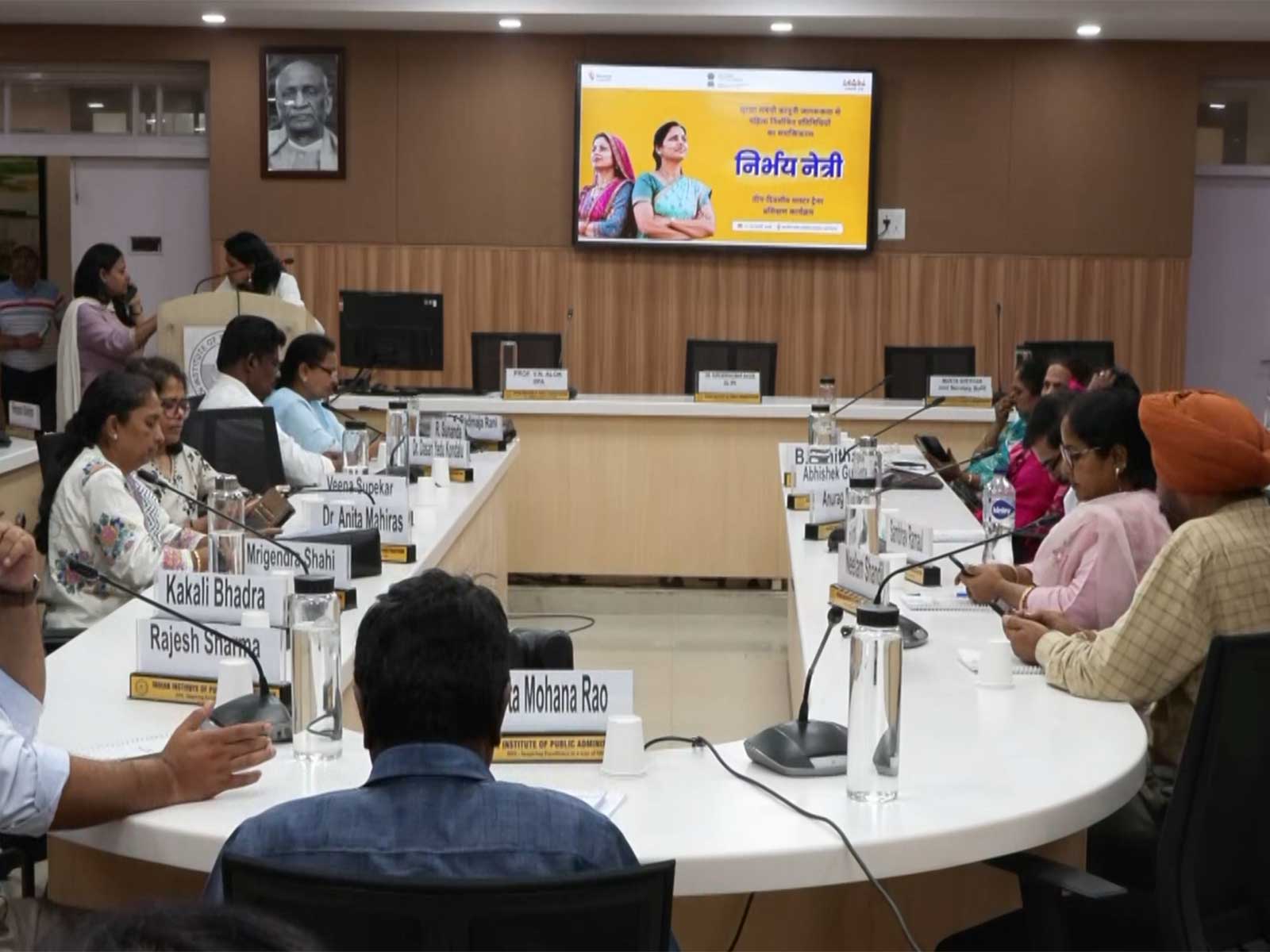
New Delhi (India), July 29 : As the Ministry of Panchayati Raj (MoPR) concluded the second batch of its Nirbhay Netri Training of Trainers (ToT) programme on Wednesday, participants and trainers said the three-day exercise was aimed as much at changing mindsets as at imparting legal knowledge, with a focus on preparing Panchayats to respond to gender-based violence through empathy, institutional support and community engagement.
The workshop, held at the Indian Institute of Public Administration (IIPA) from July 27 to 29, was organised under the Ministry's "Freedom from Violence: Capacity Building of Elected Women Representatives on Legal Provisions on Safety and Security of Women" initiative.
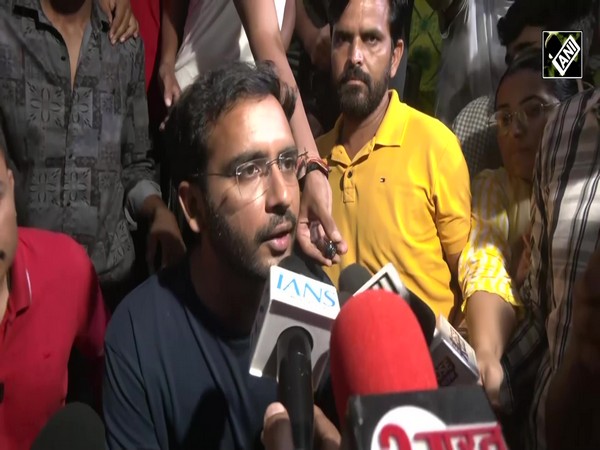
"The first step is self-reflection. Before we can bring change in society, we need to become aware of our own attitudes and biases. Only then can we go back to our communities and work with women while enabling Panchayats to act as effective first responders," said Bornali Nath, Faculty at the State Institute of Panchayat and Rural Development (SIPRD), Assam.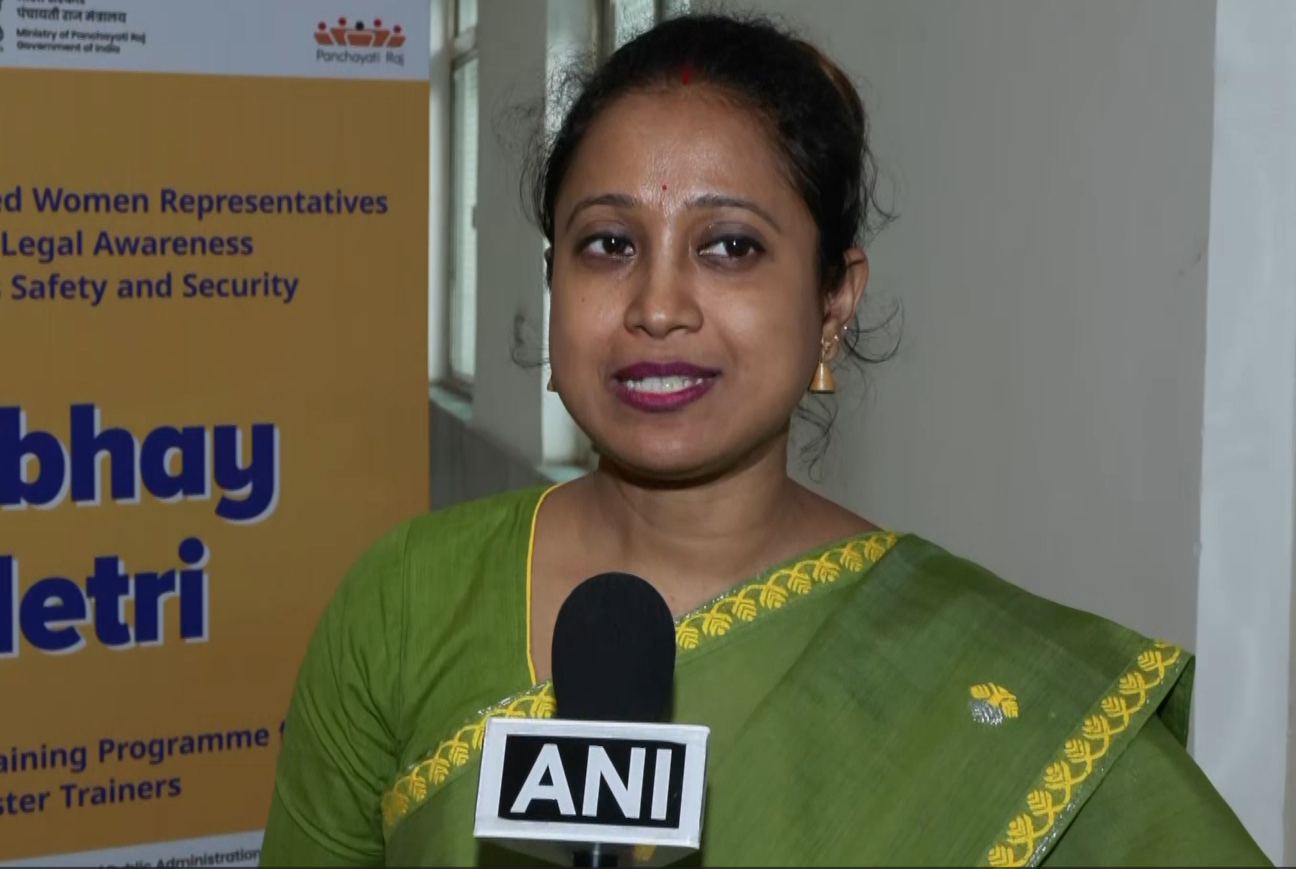
"Knowledge and skills can be taught in many places, but behavioural change is what truly makes a difference. As trainers, we will now return to our respective states and conduct similar programmes for elected women representatives, sharing not only what we have learned but also how they can bring about positive behavioural change. Unless we develop a positive and empathetic mindset, we cannot respond appropriately to victims or survivors of gender-based violence," she said.
Trainer Basharat Ali said the programme was designed to ensure Panchayat representatives proactively create safe spaces instead of waiting for survivors to seek help.
"The module is designed to change the mindset and attitudes of elected representatives. We want Panchayat representatives not to wait for survivors to approach them, but to create an environment where people feel safe enough to come forward and speak about violence," he said.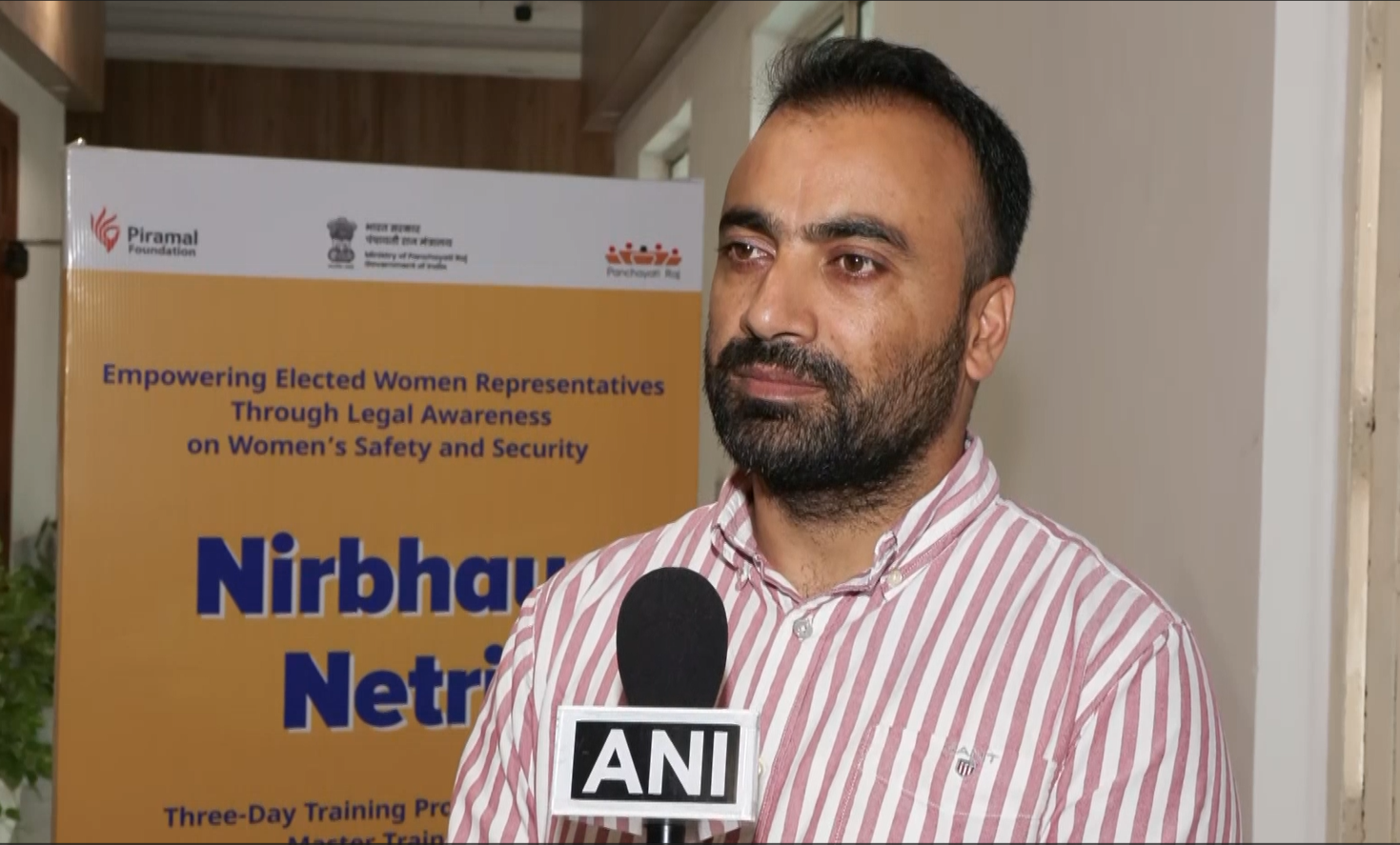
According to Ali, the training covered different forms of gender-based violence, the role of Panchayats as first responders and the institutional mechanisms available to support survivors.
"We discussed what an elected representative should do when a survivor of domestic violence or any other form of violence approaches them and how they can connect survivors with police, health centres and frontline workers. The idea is to ensure they know both the legal provisions and the support systems available," he said.
He added that addressing gender-based violence also requires engaging men.
"When we work with women's groups, the effort cannot be complete unless men also participate. Without the involvement of elected male representatives, lasting change is difficult. Through Nirbhay Chetna, we are trying to sensitise men and challenge the stereotypes and biases that often perpetuate violence," Ali said.
Reflecting on the workshop, he said participants became more comfortable discussing issues of violence over the course of the three days.
"We were able to build genuine connections with the participants. Instead of viewing these issues as detached third parties, they began reflecting on their own experiences and how they could work alongside communities. By the third day, they were much more comfortable engaging with the ecosystem," he said.
Trainer Rashmi Jha said one of the biggest outcomes of the programme was encouraging participants to question their own assumptions.
"One of the biggest takeaways from this training was seeing people reflect on and challenge their own biases. When individuals work on their biases, they become better collaborators and stronger leaders," she said.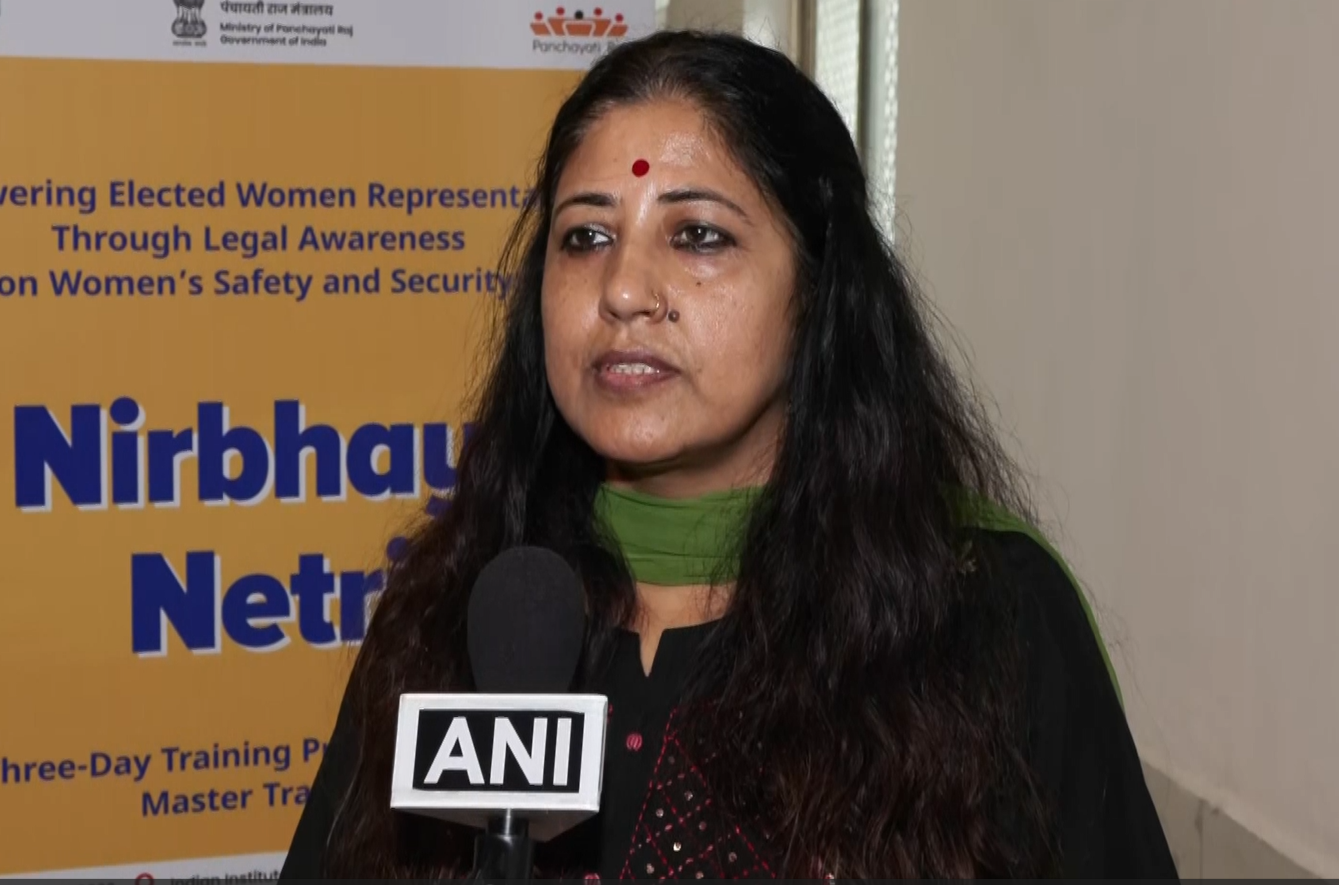
"I believe the participants are now better prepared to work with male members in a more collaborative and constructive manner. I fully support efforts to strengthen grassroots governance through the Panchayati Raj system and to build safer communities for women," Jha added.
According to the Ministry, the initiative is part of its Nirbhay Raho Campaign under the Nirbhaya Fund, which aims to strengthen women's safety and gender-responsive governance at the grassroots level.
Approved in August 2025 as a 100 per cent Central Sector Scheme with an outlay of Rs 343.43 crore, Nirbhay Netri aims to train around 14.5 lakh elected women representatives from Panchayats and Traditional Local Bodies over five years through a cascading model that will first create 28,500 Master Trainers at the state, district and block levels.
The Ministry said the campaign comprises three components--Nirbhay Netri, which focuses on legal awareness and leadership among elected women representatives; Nirbhay Chetna, aimed at sensitising elected male representatives; and Nirbhay Drishti, which seeks to strengthen surveillance and safety infrastructure at the Panchayat level.
Addressing the inaugural session earlier this week, Debashree Mukherjee, Secretary, Ministry of Skill Development and Entrepreneurship, said violence against women is not always visible and can also take the form of everyday restrictions, exclusion and the undervaluing of women's labour. She emphasised the need for women to have access to livelihoods, safe spaces and role models, adding that elected women representatives could inspire the next generation.
Amit Aggarwal, Joint Secretary, MoPR, said empowering women through awareness, confidence and leadership has a multiplier effect on families and communities, while the Ministry's partnership with the Piramal Foundation seeks to build safer, more inclusive and accountable Gram Panchayats.
In his address, Rishi Arora, Senior Director, Piramal Foundation, said the initiative should lead not only to capacity building but also to behavioural and institutional transformation, adding that its success would ultimately depend on how confidently and empathetically elected women representatives respond when survivors seek support.
The three-day workshop adopted a participatory approach, using discussions, case studies, forum theatre and group exercises to build participants' understanding of gender, violence, survivor-centred responses, legal rights and referral mechanisms before concluding with state-wise planning sessions for the rollout of the programme across the country.