PoJK poll violence: Neelum Valley resident killed in security firing as 2nd phase ends amid unrest
Aug 02, 2026
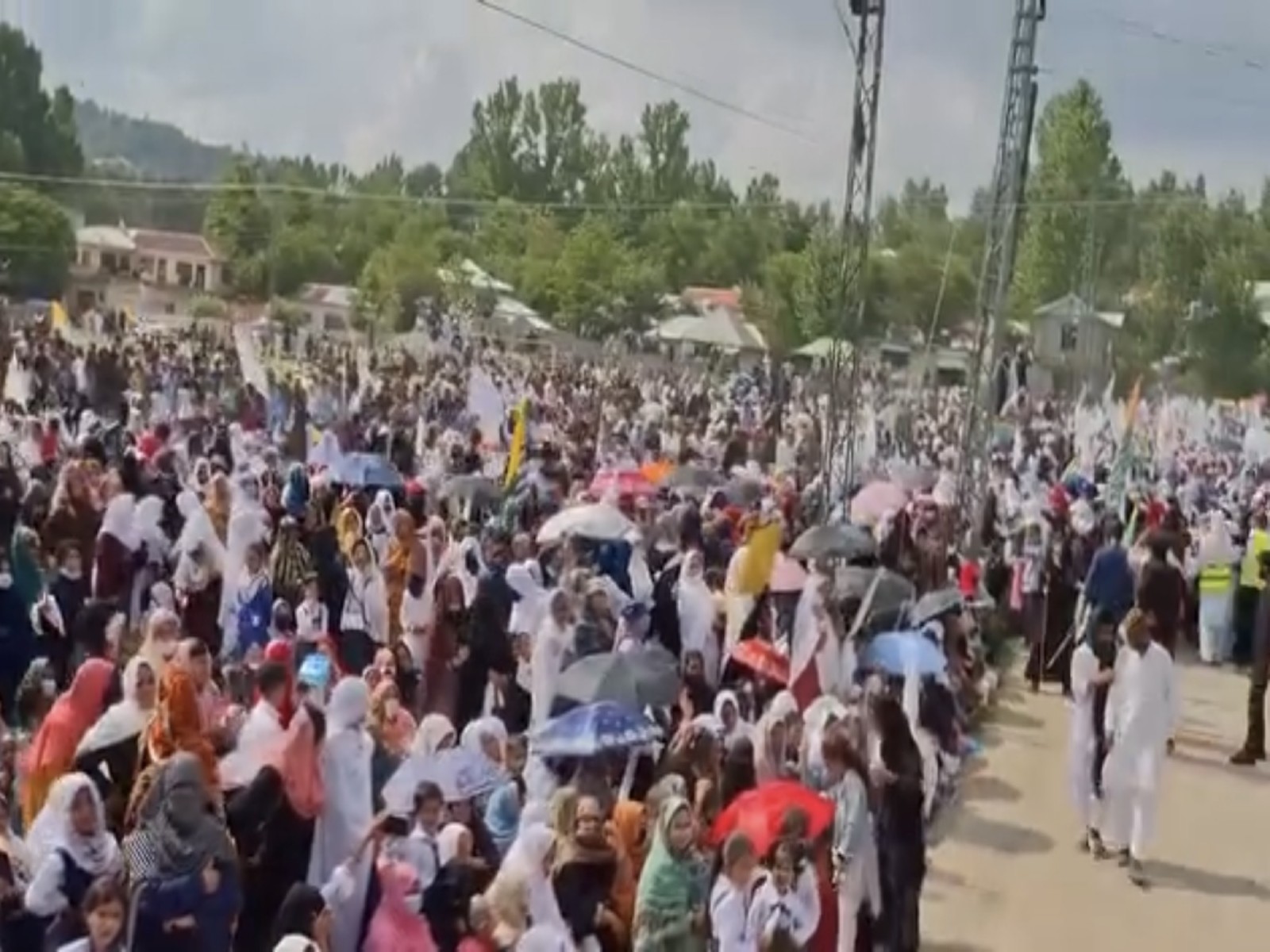
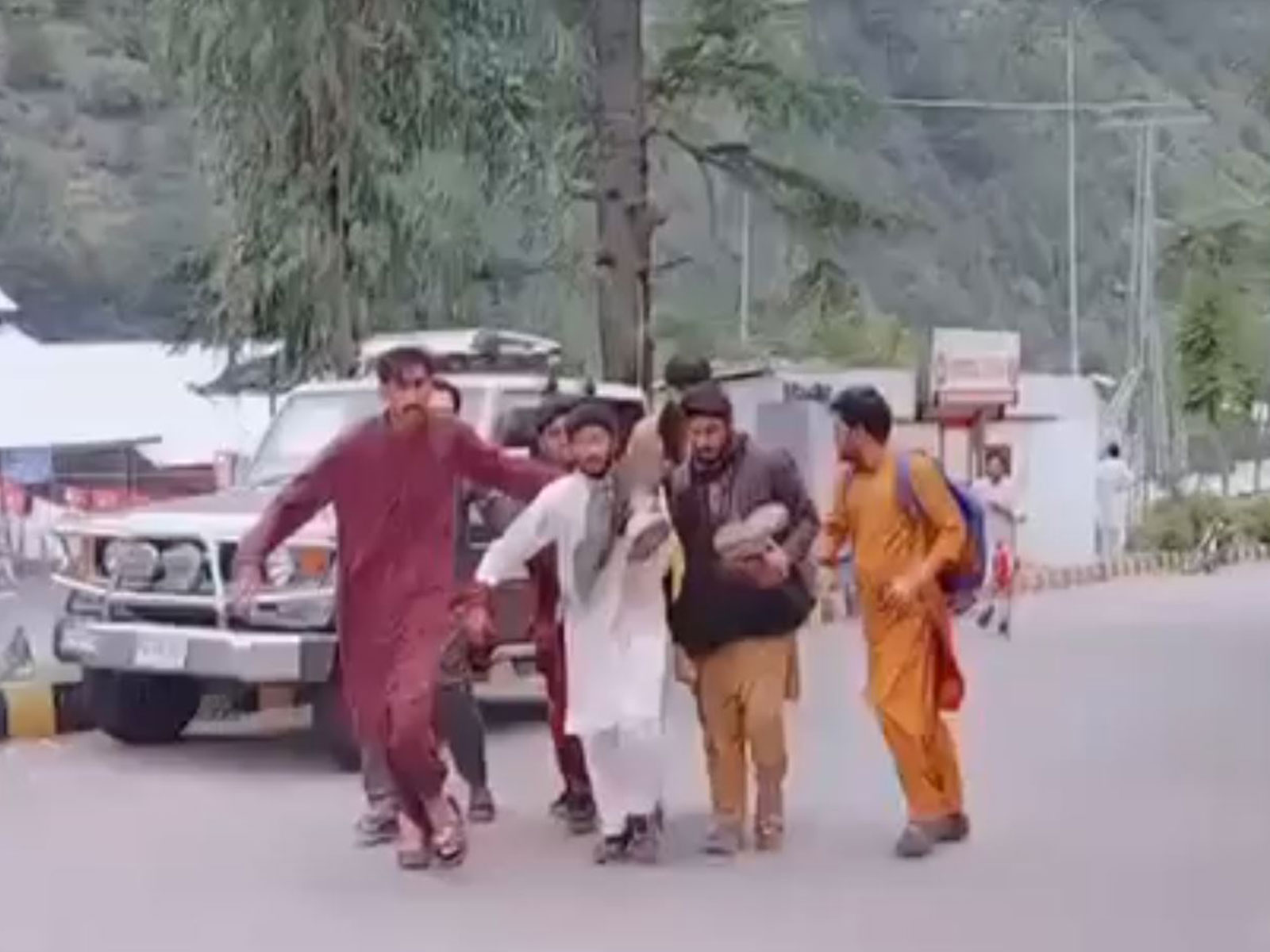
Muzaffarabad [PoJK], August 3 : A resident of Neelum Valley was killed after security forces reportedly opened fire on demonstrators in Athmuqam Tehsil as the second phase of the so-called legislative elections in Pakistan-occupied Jammu and Kashmir (PoJK) ended amid widespread violence, low turnout and allegations of electoral fraud.
The deceased has been identified as Raja Ehsan. According to reported details, the fatal incident occurred during firing at protesters in Athmuqam Tehsil, triggering heightened tension across the region during the polling process.
The second phase of the disputed legislative assembly polls, which ended on Sunday, was marred by serious allegations of vote-rigging, severe unrest and poor voter participation.
Polling took place across 21 constituencies, comprising nine seats in Muzaffarabad Division alongside 12 refugee seats, even as intense demonstrations and a heavy security presence left several pockets on edge.
Highlighting the expanding footprint of the turmoil, the rising unrest in PoJK has now reached major urban centres, with protests spilling into Islamabad and Rawalpindi.
A protest call was made by students outside Rawalpindi Press Club on Sunday evening from 5 pm (local time) onwards, where a large number of students assembled, including those from PoJK. A heavy crackdown by police ensued, featuring mass arrests and baton charges. However, no reports of firing emerged from the site.
These fresh developments come as the election witnessed widespread disruptions, logistical failures and continuing protests on Sunday, casting a shadow over the process and raising fresh questions over its credibility.
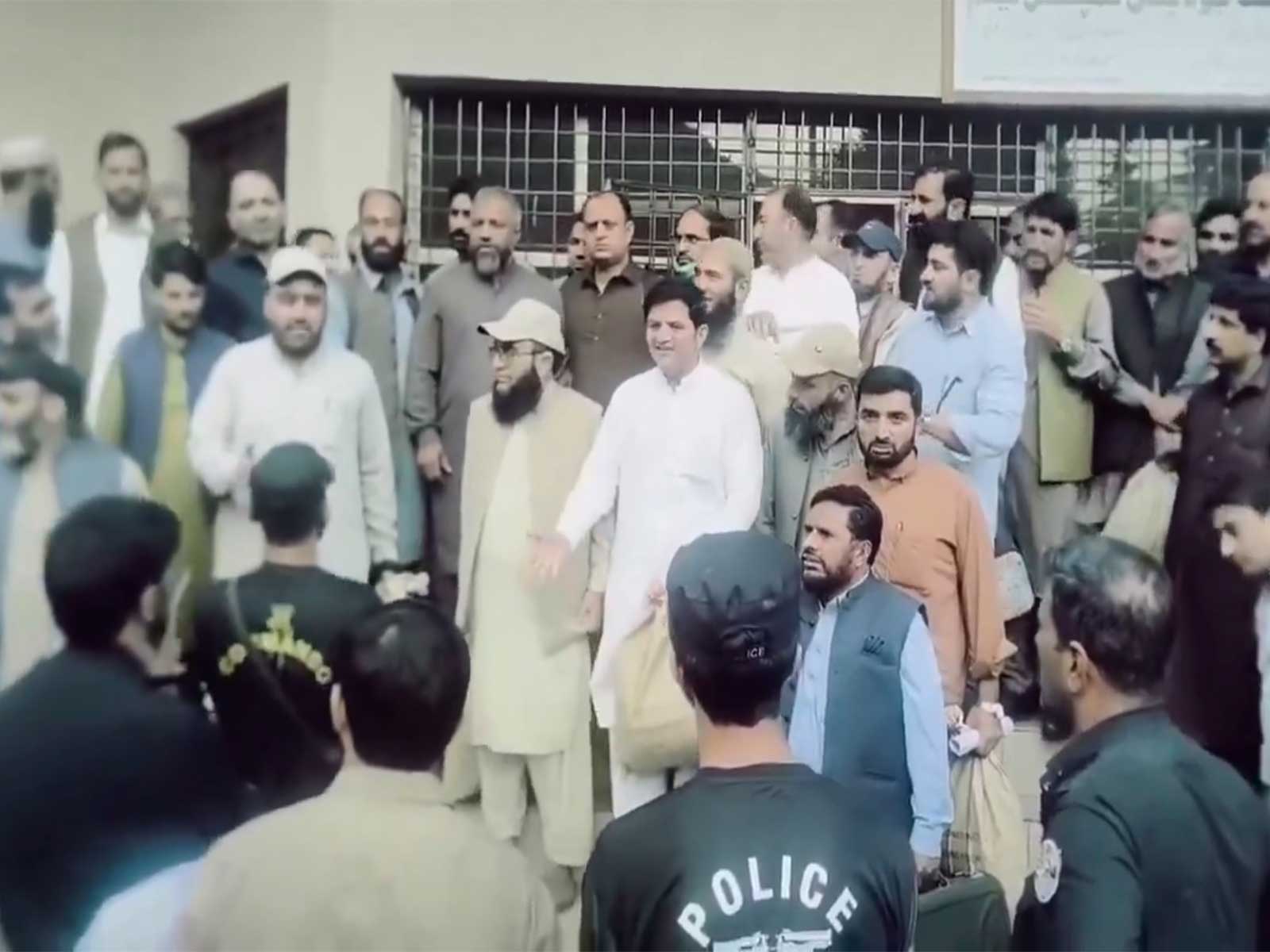
Demonstrations unfolded across PoJK and within Kashmiri communities in various Pakistani cities, including large protest gatherings in Karachi, where demonstrators criticised the electoral process and demanded political reforms. According to sources, police detained several protesters and student leaders during the demonstrations.
Reflecting the scale of local resistance, the voting process was disrupted in several constituencies due to road blockades and widespread protests.
According to sources, in LA-27 Kotli, election staff and polling material reportedly failed to reach polling stations after protesters blocked major roads, forcing authorities to postpone polling entirely.
Similar disruptions were reported in LA-28 Muzaffarabad-II (Lechrat), where election officials and polling material could not reach 71 polling stations. Reports also indicated that election staff failed to reach several polling stations in other constituencies, severely impacting the conduct of polling.
The extensive disruptions prompted opposition groups and protest organisations to question the effectiveness of the election arrangements. Critics argued that an election in which polling personnel and materials could not reach numerous polling stations reflected serious administrative shortcomings.
Meanwhile, demonstrations against the regime continued throughout the day across multiple locations. At D-Chowk, protesters staged a sit-in and announced plans for a long march towards Muzaffarabad, while reports from Rawalakot suggested intermittent firing by security forces during the protests.
Demonstrators at another active protest site, Dreak Eidgah, where a sit-in has been maintained for nearly 50 days, remained steadfast. Women and children continued the protest, with organisers stating that the sit-in would continue until their demands were addressed.
Further undermining the credibility of the exercise, several protest groups claimed that many voters stayed away from polling stations as a mark of protest. However, official turnout figures and the reasons behind voter participation or abstention have not yet been independently verified.
The chaotic second phase of the elections was conducted against the backdrop of months of persistent political unrest and anti-government demonstrations across Pakistan-occupied Jammu and Kashmir.
Reaffirming its principled position amid the ongoing chaos, India has reiterated that the entire Union Territories of Jammu and Kashmir and Ladakh, including the regions "currently under Pakistan's illegal and forcible occupation", are integral and inalienable parts of India.
Lashing out at the electoral process conducted in the region, New Delhi on July 28 categorised the polls as a calculated attempt by Pakistan to camouflage its unlawful occupation and mask "grave" human rights violations in the territory.