Rahul Gandhi's approach to caste lacks grassroots understanding: Pawan Kalyan
Jun 10, 2026
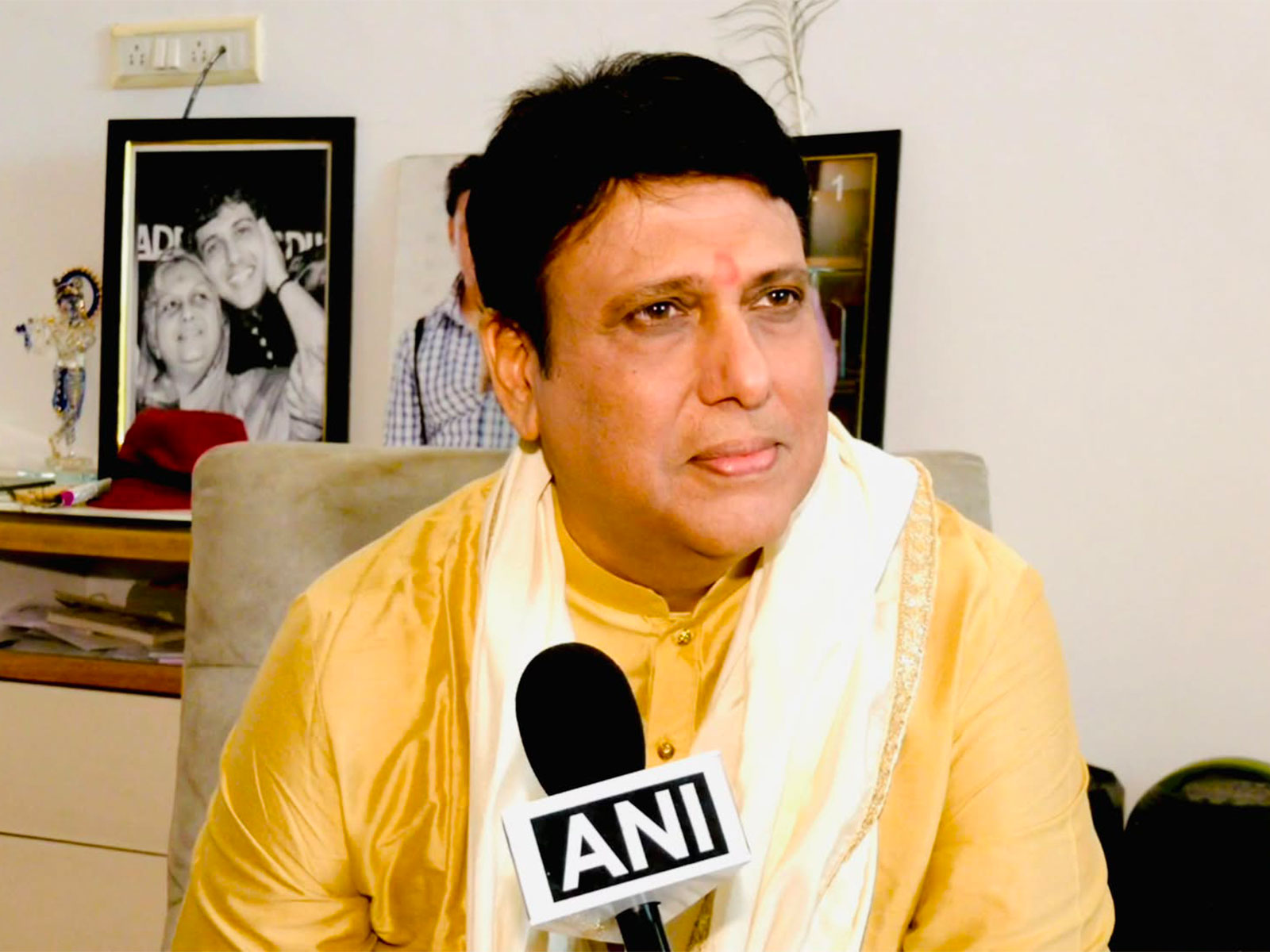
New Delhi [India], June 10 : Andhra Pradesh Deputy Chief Minister and Jana Sena Party chief Pawan Kalyan denounced Leader of the Opposition in Lok Sabha Rahul Gandhi's views on caste, alleging that the Congress leader's approach lacked a deeper grassroots understanding of India's complex social realities and risked promoting divisiveness rather than solutions.
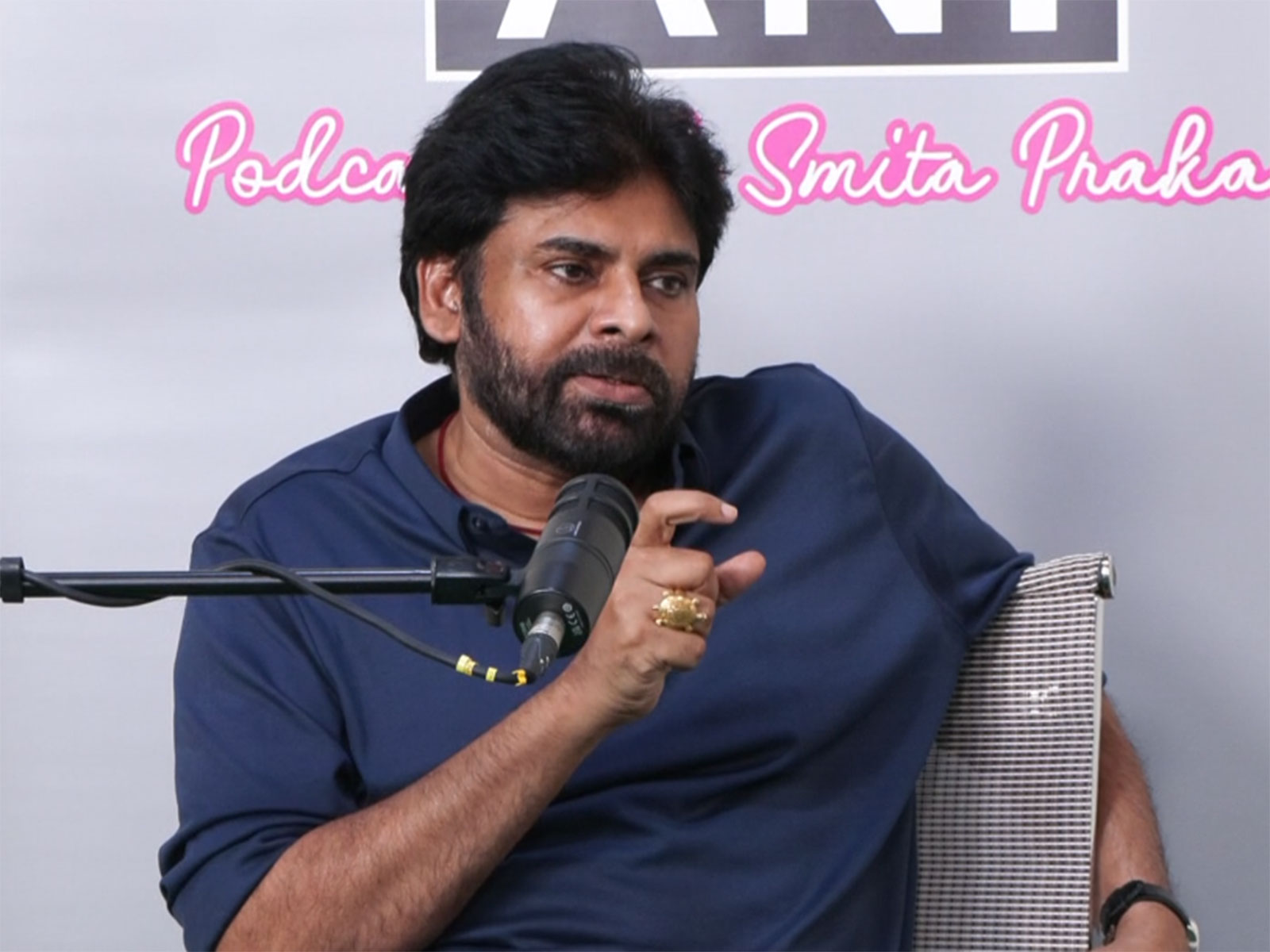
Speaking exclusively with ANI on Wednesday, Kalyan said caste remains a social reality in India, but argued that reducing every issue to a caste lens oversimplifies problems that often require administrative and governance-based solutions.
"The problem is with Mr Rahul Gandhi. Even if you have to be a doctor, this kind of argument comes into it without knowing the deeper context. I think it is not right for the country because you haven't understood the grassroots, what is happening," Kalyan said.
The Deputy Chief Minister said he had long opposed divisive politics and questioned why discussions around youth aspirations often begin and end with caste identities rather than skills and opportunities.
"I hated divisiveness in the country. As a youngster, if someone asks me what my caste is instead of asking what kind of ability or skill I want to have, that is a problem. The government conveniently asks about caste or region, but not what kind of training or skills a person wants to acquire," he said.
When asked about Rahul Gandhi's argument that caste continues to influence opportunities regardless of qualifications. Rahul Gandhi had reportedly said that 'even if you're a doctor, if your caste is not right, you will not get a job in a hospital... caste is the overriding factor for everybody, regardless of the skill that you have.'
Kalyan acknowledged the role caste plays in society but said the issue should not be viewed in simplistic terms.
"Caste plays a role. There is no second thought about it. But if you dwell on it continuously, you miss the larger picture. A leader who wants to handle national politics should have a broader and deeper understanding, not a shallow approach," he said.
To illustrate his point, Kalyan recounted experiences from tribal and rural areas of Andhra Pradesh. He referred to a visit to a Primitive Vulnerable Tribal Group (PVTG) village in the Araku region, where residents from different caste groups within the same community refused to assist one another during a health crisis.
He also cited a village in Vijayanagara district where widespread filaria and sanitation issues had persisted for years. While the situation could easily be portrayed as a caste conflict, Kalyan argued that the root cause lay in administrative failures, encroachments and poor drainage management.
"It is very easy to frame anything into a caste conflict. If I wanted divisiveness, I could do that. But if I want a solution, I have to address it differently," he said.
Kalyan further noted that social divisions often exist even within communities classified under the same social category, arguing that India's caste dynamics are far more complex than political narratives often suggest.
He urged leaders aspiring to national leadership to adopt a more nuanced understanding of social challenges and focus on practical solutions rather than what he termed "surface-level" interpretations of caste-related issues.
"So the problem of divisiveness or caste division, it is not confined to this social group, to that social group. It is rampant. I think leaders should think, especially who want to handle the national politics, who want to be a prime minister, I think you have to have a more broader concept, a more deeper understanding, not at the surface level," Kalyan said.