Railway Ministry approves raising train speed limit to 100 kmph on Katra-Banihal section
Aug 20, 2026
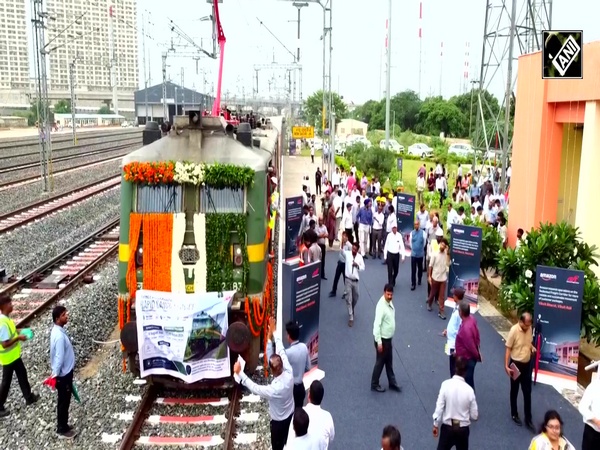
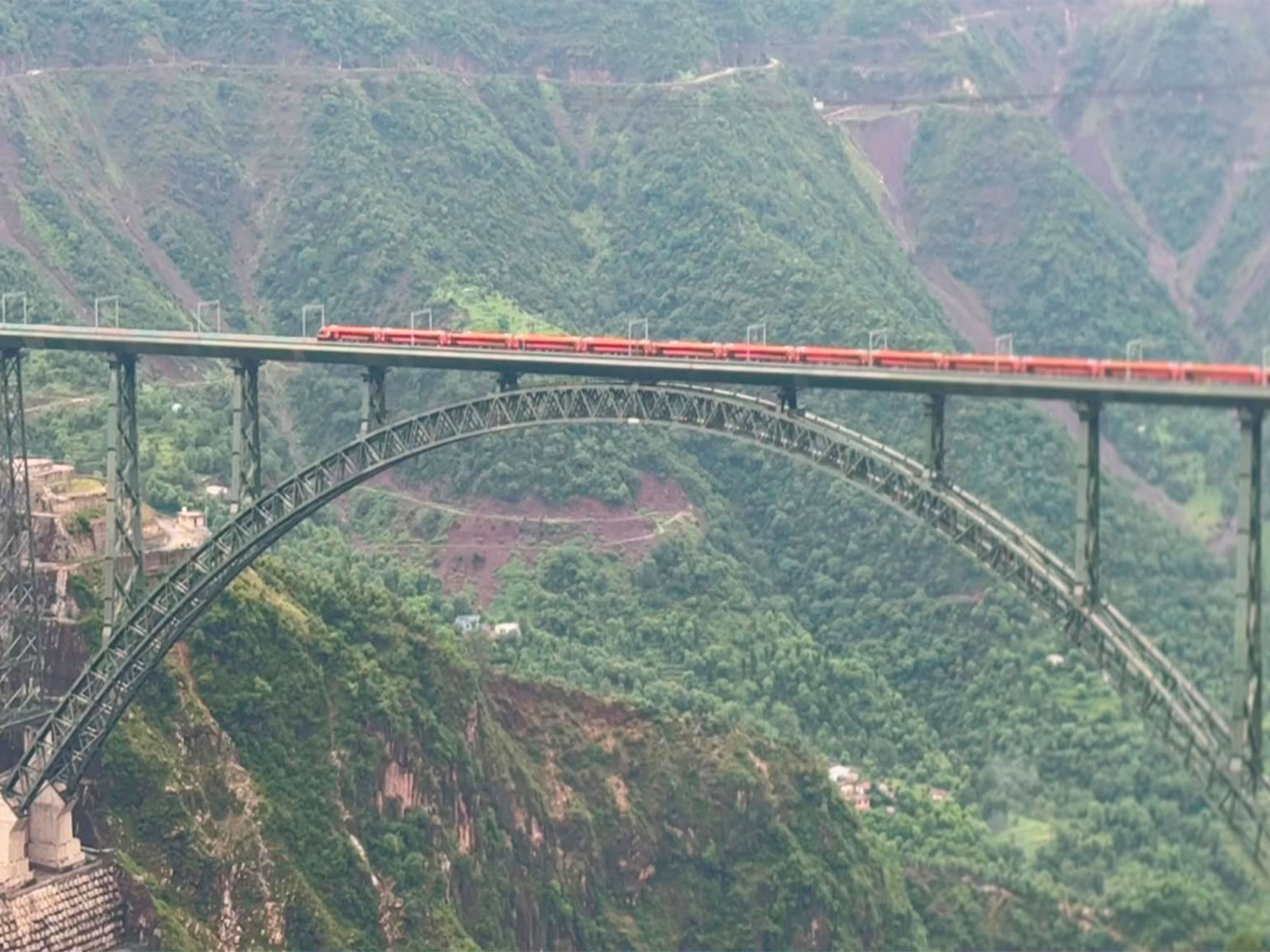
Reasi (Jammu and Kashmir) [India], August 20 : The Railway Ministry on Wednesday approved a plan to increase the maximum permissible speed of trains to 100 kmph on the 111-kilometre-long new Broad Gauge rail section between Shri Mata Vaishno Devi Katra and Banihal under the Jammu Division of Northern Railway.
According to Northern Railway, the permissible speed on this section was 85 kmph for the Shri Mata Vaishno Devi Katra - Sangaldan section and 75 kmph for the Sangaldan - Banihal section.
This decision has been taken after ensuring compliance with all the prescribed safety conditions by the Railways before the speed increase.
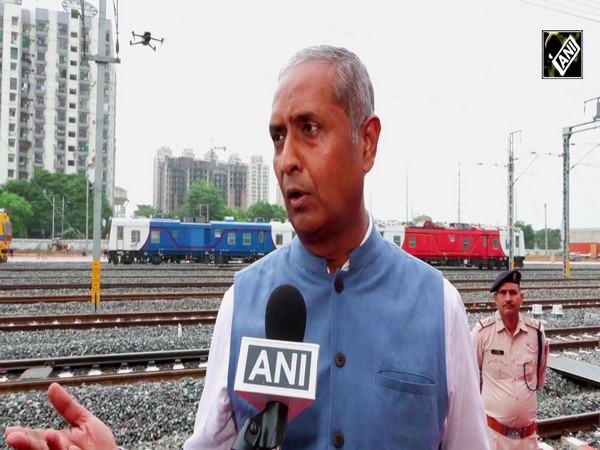
Senior Divisional Commercial Manager of Jammu, Uchit Singhal, mentioned that the increase in speed will strengthen the connectivity of Jammu and Kashmir, providing passengers with faster, safer, and more comfortable travel facilities.
"The increase in speed will not only reduce travel time, but will also strengthen the connectivity of Jammu-Kashmir. Passengers will get faster, safer and more comfortable travel facilities. This will also boost tourism, trade and economic activities in the region. Railways remains continuously committed to the safety and convenience of passengers," said Singhal.
With this speed increase, the travel time between Shri Mata Vaishno Devi Katra and Banihal will be reduced, providing passengers with faster and safer travel facilities.
Earlier, Railway Minister Ashwini Vaishnaw, along with Union Communications Minister Jyotiraditya M Scindia and Madhya Pradesh Chief Minister Mohan Yadav, virtually inaugurated the gauge-converted Kailaras-Sabalgarh-Birpur rail section in Madhya Pradesh and flagged off the extension of the Gwalior-Kailaras train service up to Birpur.
The extension will provide direct rail connectivity between Birpur, Vijaypur and Sabalgarh with Gwalior, offering more affordable and convenient travel options for people, especially those from rural and tribal areas.
The new rail connectivity is expected to improve access to Gwalior for education, healthcare and employment opportunities while boosting local trade and economic activities in the region.