Ramkien to Hikayat Seri Rama: Tracing the Ramayana's spread and diffusion to Southeast Asia
Nov 09, 2026
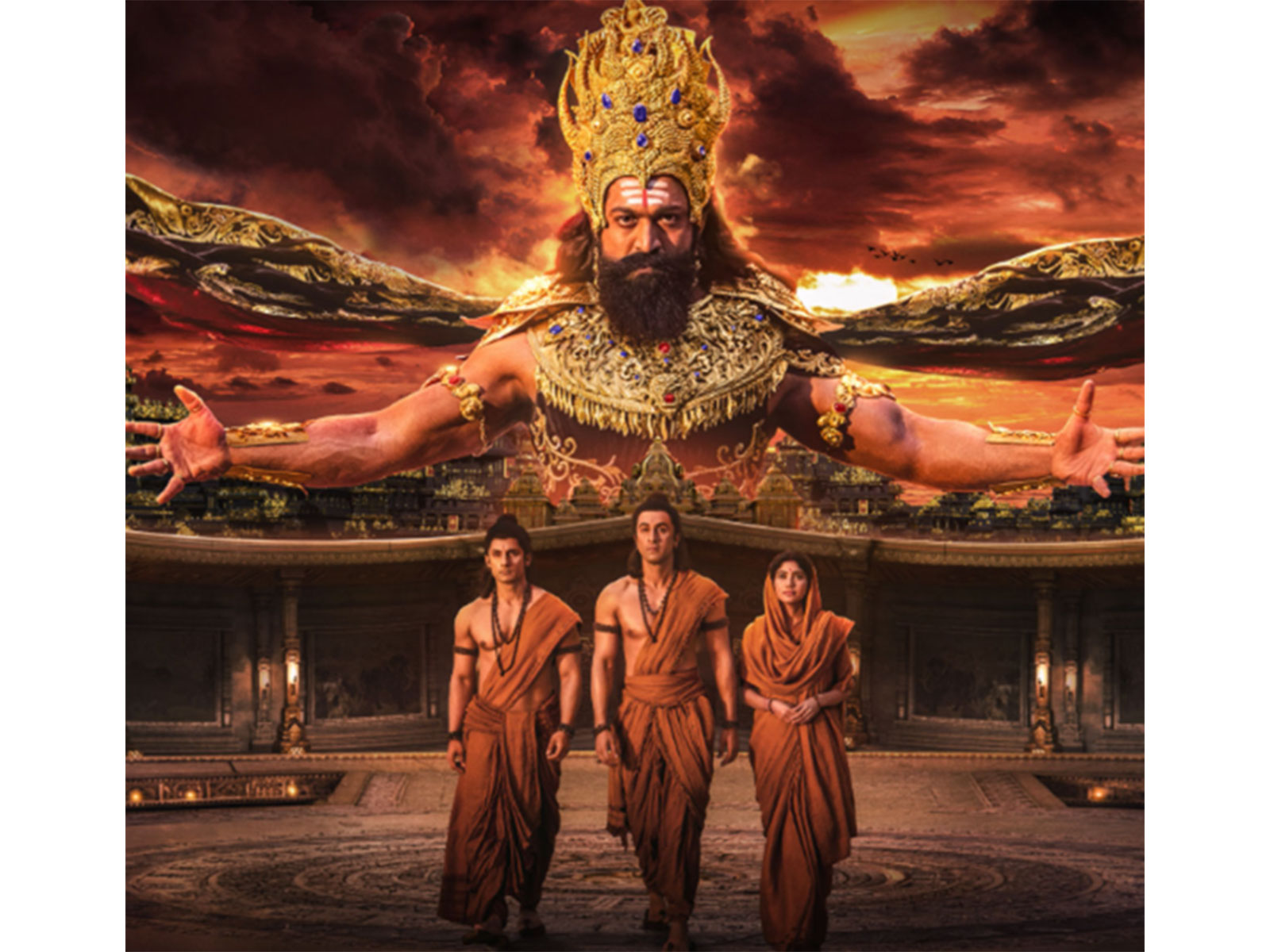
New Delhi [India], November 9 : As audiences across the country have lined up to watch Ranbir Kapoor-starrer 'Ramayana', Valmiki's epic is a timeless work of art that has spawned several incarnations across India and abroad, including Southeast Asia.
While people in India are aware of the epic's versions by Valmiki, Goswami Tulsidas and Kamban, the epic travelled hundreds of years ago across the sea and found a home in the mainland and islands of Southeast Asia as well.
According to academic R K Mandal, "The spread of the Ramayana from India to Southeast Asia was closely tied to ancient trade and transportation routes, sea travel, religious proselytizing and diplomatic relations. Sanskrit culture was spread by traders, Brahmins, Buddhist monks and scholars from India from early centuries of the Common Era to Cambodia, Thailand, Java, Sumatra, Laos and Myanmar. Epics like the Ramayana also started playing an important role along with religion and political ideals in t he transmission of culture."
Mandal notes that this transmission did not only lead to cultural imitation. "The Ramayana was adapted and modified by the societies in Southeast Asia. In a number of kingdoms, rulers employed the epic to validate their political power and divine kingship. Rama became the embodiment of the perfect king, one who had the virtue and moral control to bring order and welfare to society. The use of Indian epics also helped to shape Indian court literature, temple buildings, dance forms and theatrical performances across Southeast Asia."
This is seen in the various versions of the region: Ramakien (Thailand), Kakawin Ramayana (Indonesia), Reamker (Cambodia), Yama Zatdaw (Myanmar), Phra Lak Phra Ram (Laos) and the Hikayat Seri Rama (Malaysia).
For example, in the Thai version of Ramakien, Hanuman is depicted as witty, romantic and adventurous and not as a celibate devotee, according to Mandal. Cambodia's Reamker, meanwhile, is a mix of Hindu mythology, Buddhist ethical teachings and Khmer arts. The Kakawin Ramayana, the version prevalent in Java and Bali, is a symbolic retelling of th epic, using humour and philosophy.
In the Lao version of Phra Lak Phra Lam, Rama and Lakshman are understood as previous births of the Buddha, and the significance of the story is in the concepts of compassion, karmic interactions and righteous action, not just divine battle, says Mandal. Myanmar's Yama Zatdaw highlights the importance of loyalty, righteousness and moral conduct.
Mandal notes that the Hikayat Seri Rama is one of the most interesting versions of the epic. "One of the most interesting cases of cultural change is the Malay version of the epic, Hikayat Seri Rama. The Ramayana got a new meaning in the Islamic literary landscape as Islam took over in the Malay world. Theological elements were minimised in the Hindu religion, while ethical and heroic themes were preserved. Malay storytellers were able to weave in the local folklore and court traditions, thus making the epic culturally relevant even in different religious times. This adaptation is a good example of the versatility of the Ramayana as a cultural text that can cross religious lines."
The Ramayanas of Southeast Asia thus show that the epic was and is capable of diffusing into non-Indian cultures while staying true to its core themes.