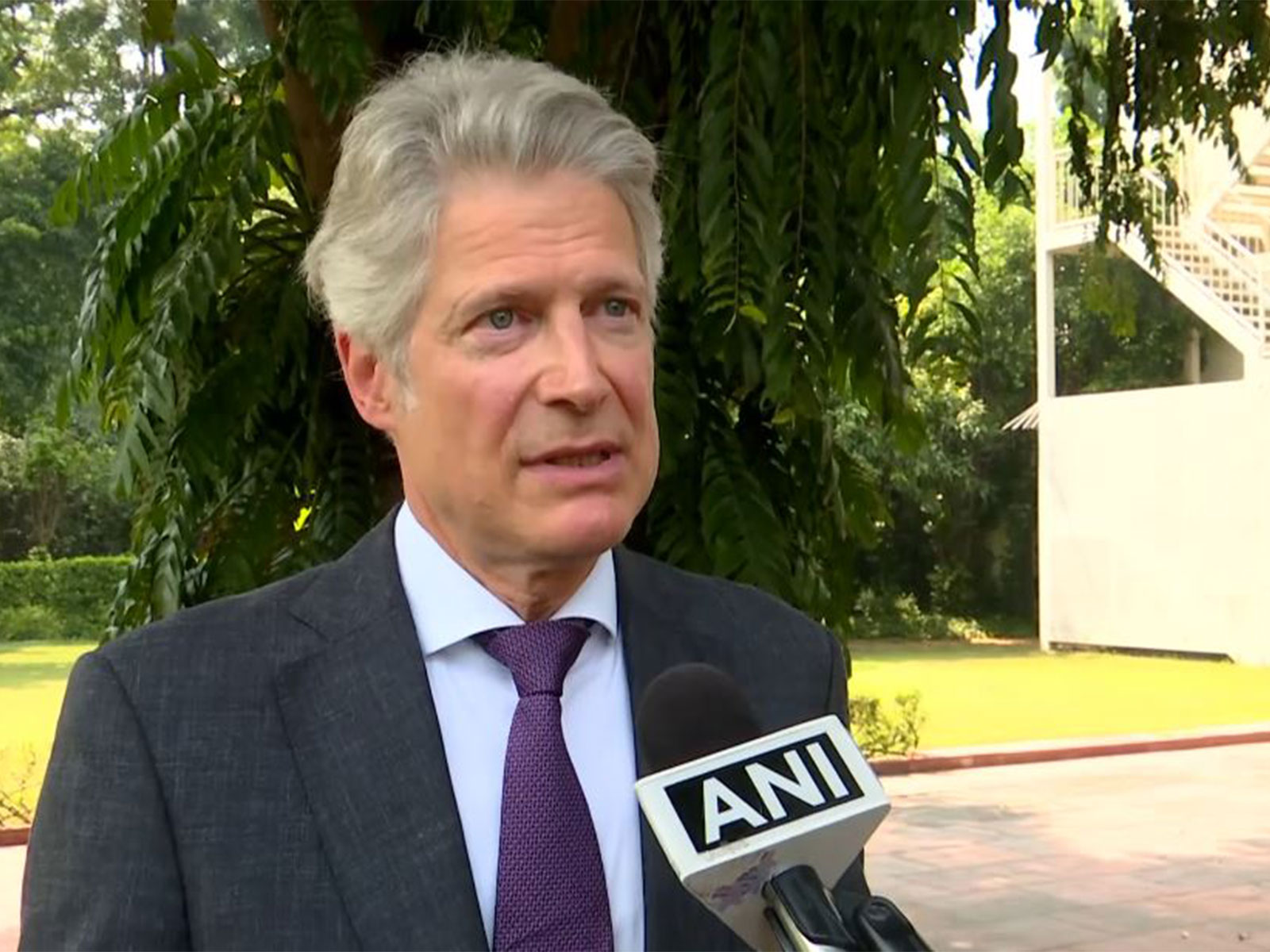
Russian Sanctions Act seeks to alter Moscow’s cost-benefit calculus, says German envoy Wieck
Sep 23, 2026
By Sahil Pandey
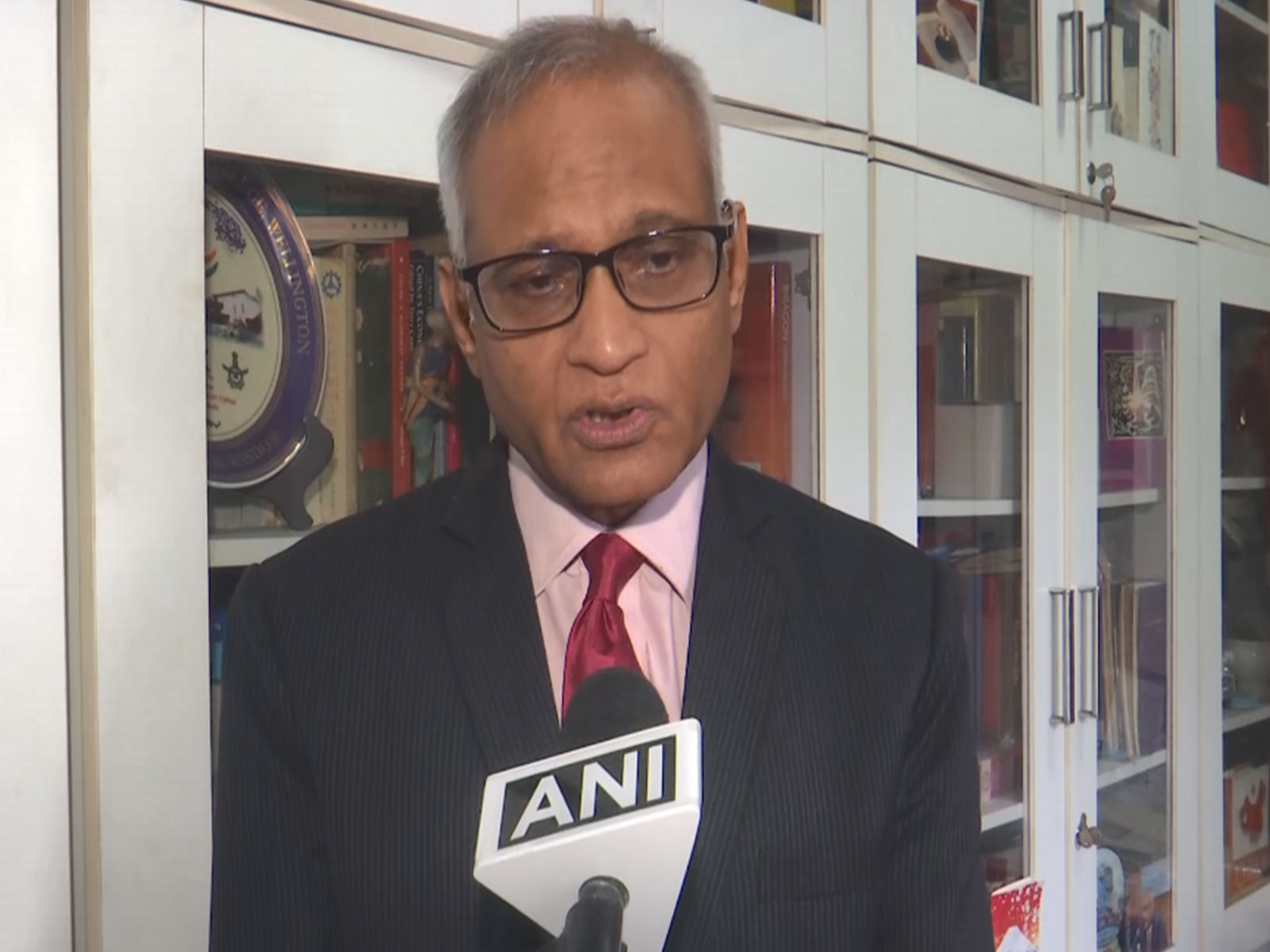
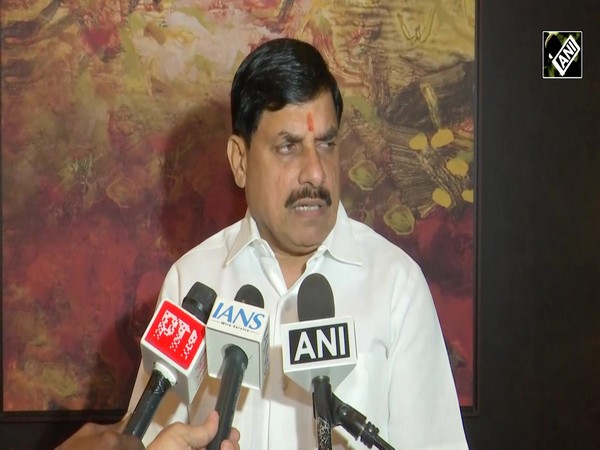
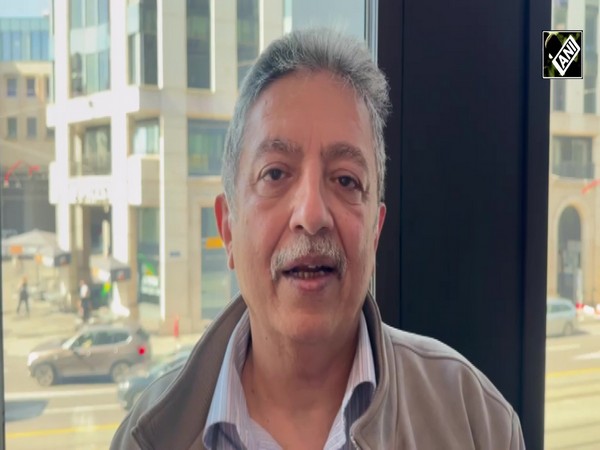
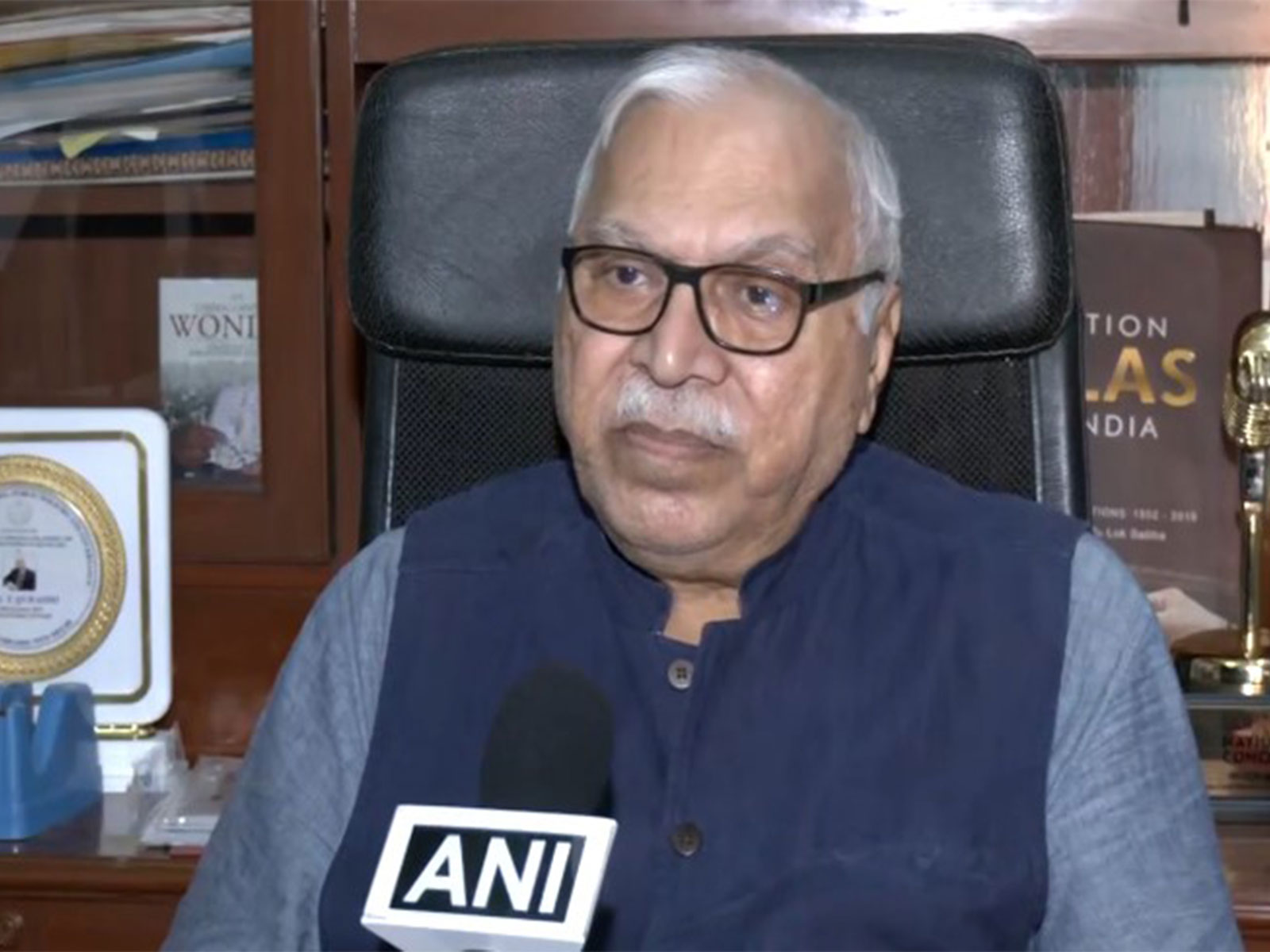
New Delhi [India] September 23 : The US legislation authorising potential sanctions on countries importing Russian oil is aimed at giving the US President Donald Trump the flexibility to make decisions on the matter of the Ukraine conflict, rather than automatically imposing sanctions on all importers, German Ambassador to India Jasper Wieck said on Wednesday.
The German Ambassador, while speaking on the Russia-Ukraine conflict and the US Congress’ "Lindsey O. Graham Sanctioning Russia and Iran Act of 2026", said the broader objective should be to increase the cost of Russia’s military aggression and limit Moscow’s ability to finance the war.
“It’s not a decision on having sanctions against all those who import the oil, but it is an authorisation for the President to make decisions according to his own thinking,” the German Ambassador told ANI.
He said Germany and India both have an interest in seeing the conflict end “the sooner the better”, while asserting that Russian President Vladimir Putin has the ability to end the conflict.
“There is only one person who can end this war already tomorrow, and that is the Russian President Putin. And for the time being, he is not ready, so we have to incentivise him to be ready,” he said.
The German envoy further stated that the international community needs to alter what he described as Russia’s “cost-benefit calculus” by increasing the economic cost of continuing the conflict.
“We have to change the cost-benefit calculus. We have to increase the cost for this military aggression. And the best way to do it is to give him less opportunities to finance, to fund this war,” he said.
He further noted that restricting the number of countries purchasing Russian oil could put greater financial pressure on Moscow.
“Since this war is mainly funded through Russian oil exports, the less countries that import this oil, the more Russia will come into financial difficulties to continue that war,” the Ambassador said.
The remarks came after Trump signed the "Lindsey O. Graham Sanctioning Russia and Iran Act of 2026" into law last week, expanding statutory sanctions, tariffs and prohibitions targeting Russia and extending existing sanctions on Iran.
The legislation gives the US President authority to impose tariffs of up to 100 per cent on goods from countries that meet specified criteria linked to purchases of Russian crude oil or natural gas and sanctions evasion. However, the measure does not automatically impose a 100 per cent tariff on any specific country.
The new US legislation also targets Russian officials, financial institutions, defence-related networks and the country's so-called "shadow fleet" of vessels used to transport energy while circumventing Western restrictions. It further extends the Iran Sanctions Act for five years.
A key provision of the law allows the US President to impose targeted duties of up to 100 per cent on the five largest importers of Russian crude oil or natural gas, as well as countries facilitating Russian oil sanctions evasion.
The legislation has particular significance for India and China, which remain among the major buyers of Russian crude. It creates a statutory pathway for potential tariffs on imports from countries that continue specified purchases of Russian energy.
The law also provides the President with waiver authority under specified conditions, including certification to Congress that a waiver is in the national interest.