"Safe migration and elimination of child labour" is a humanitarian responsibility: Gujarat Minister Kunvarjibhai Bavaliya
Jun 16, 2026
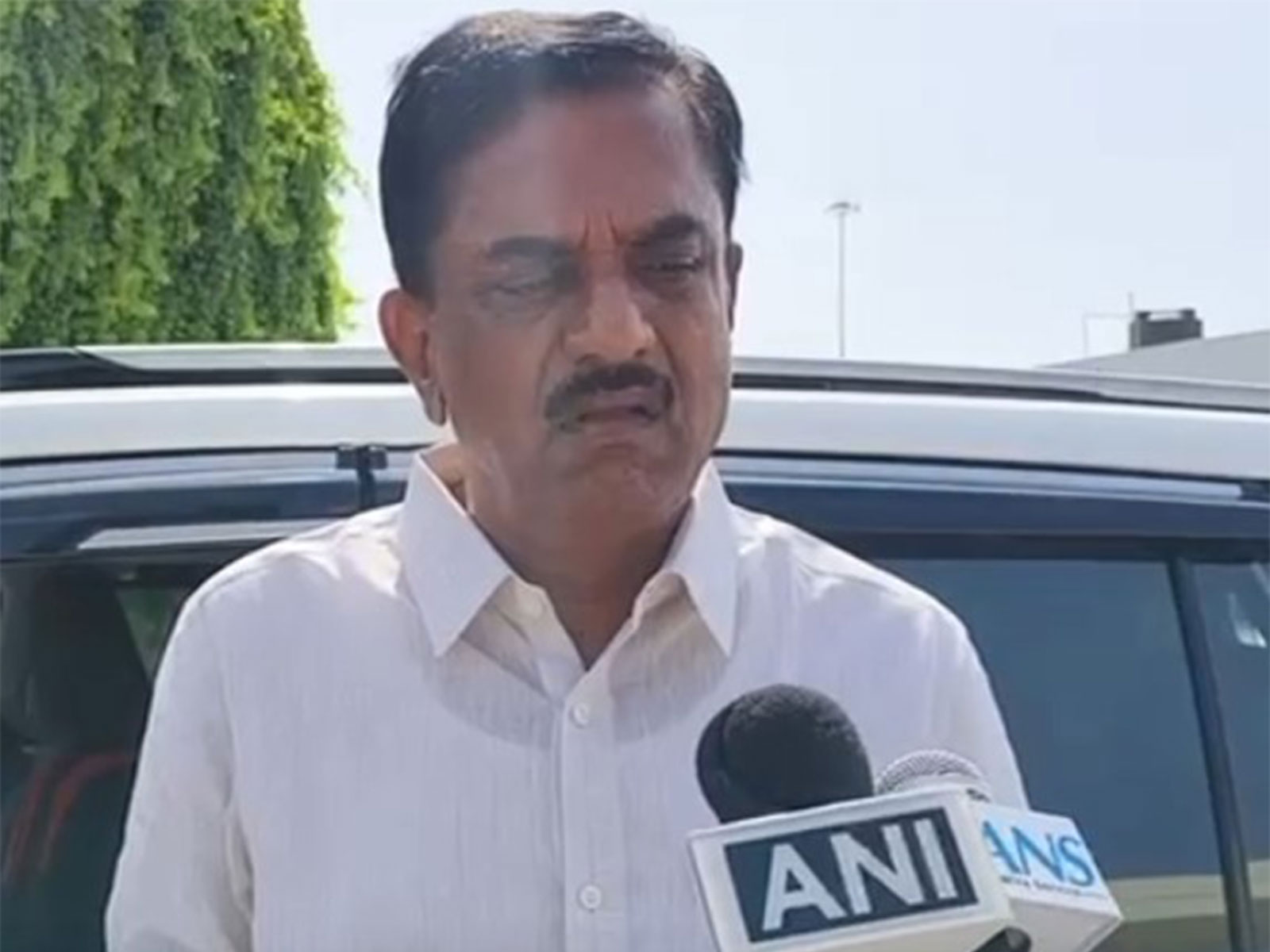
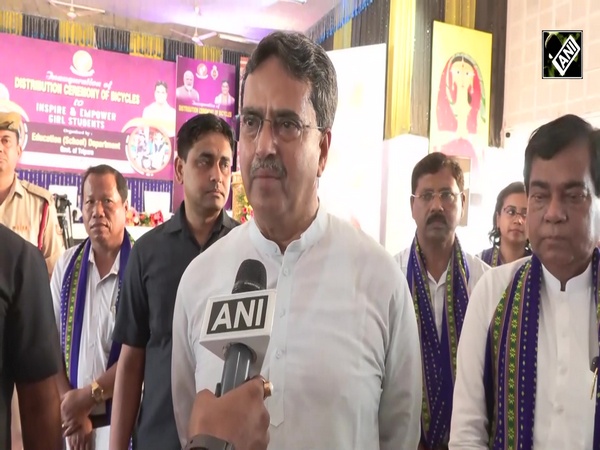
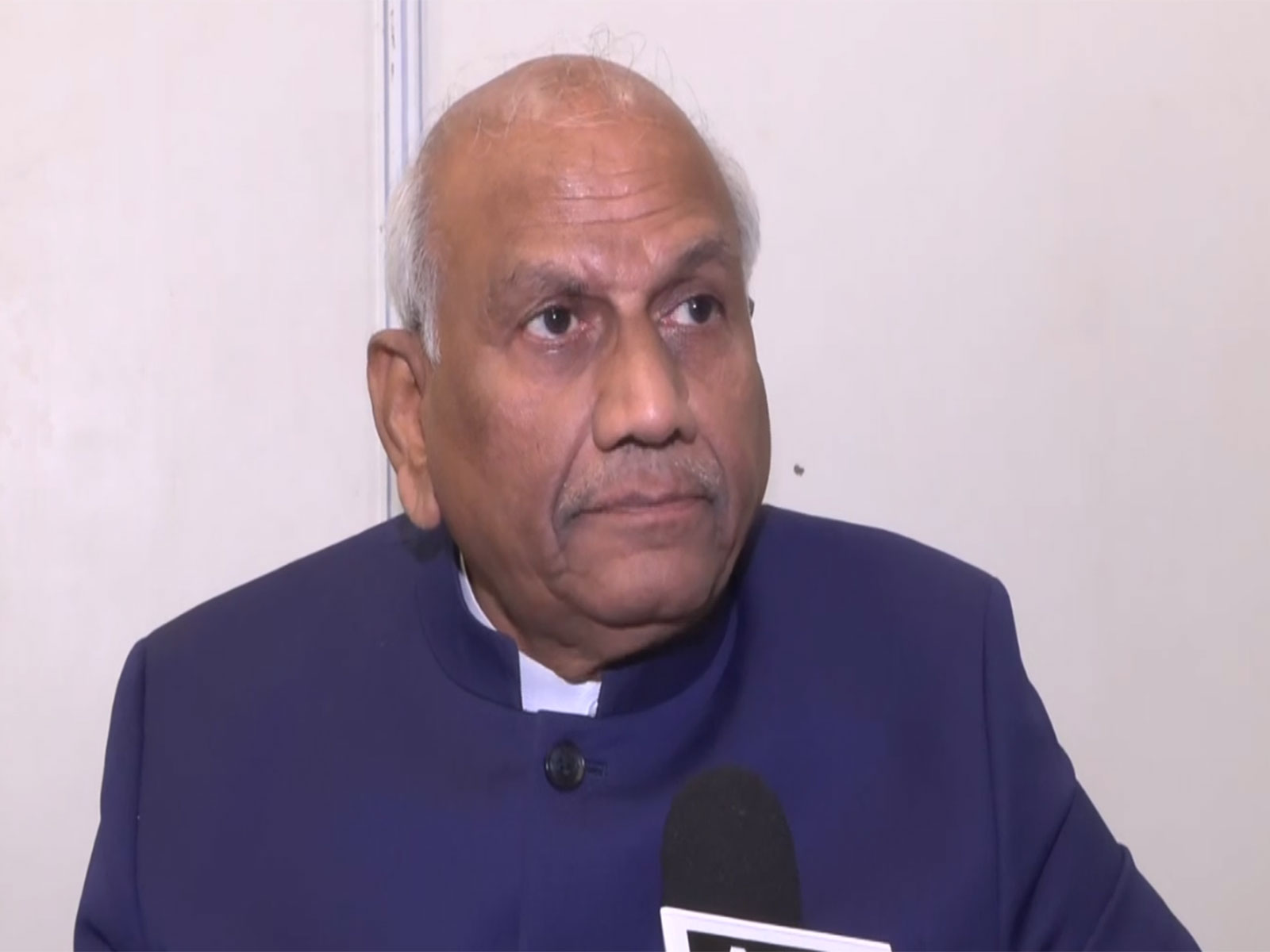
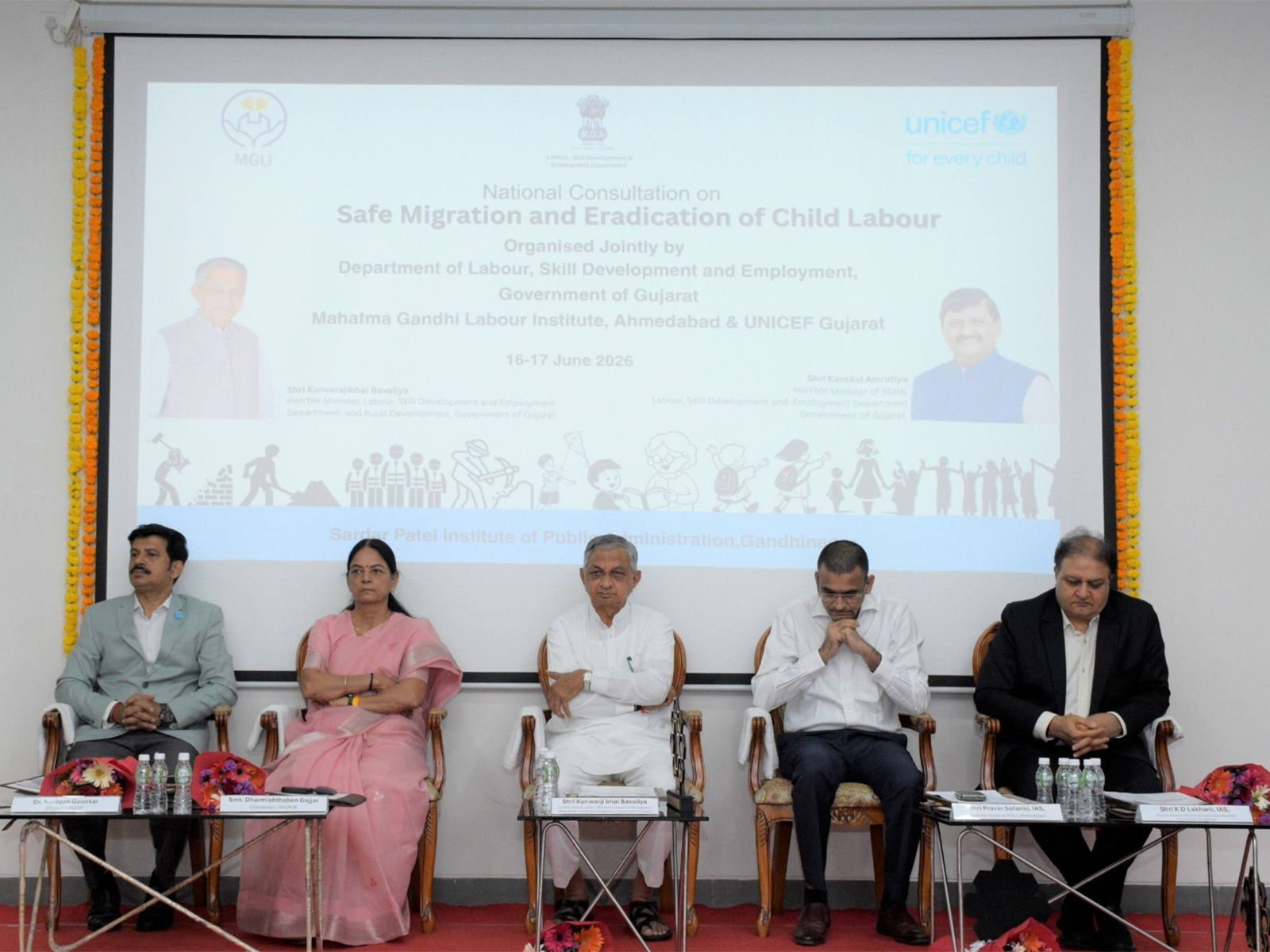
Gandhinagar (Gujarat) [India], June 16 : While inaugurating a two-day workshop organised at SPIPA, Gandhinagar, Labour, Skill Development and Employment Minister Kunvarjibhai Bavaliya stated that " Labour policies should not remain confined to the administrative level but must reach every worker's family and their children. Safe Migration and Elimination of Child Labour is a social, economic, and humanitarian responsibility that all of us must fulfil collectively".
In connection with June 12 - World Day Against Child Labour, a two-day inter-state dialogue focusing on important issues such as prevention of child labour, protection of child rights, and the holistic development of children was organised on Tuesday at SPIPA, Gandhinagar.
Appreciating the extraordinary contribution of migrant workers to India's continuous development journey, Bavaliya stated that the growth of the country's industries, construction sector, service sector, and agriculture depends on the hard work of migrant workers, who are the true pillars of nation-building. Even in a progressive and industrial state like Gujarat, lakhs of workers from various states come in search of employment and contribute to the state's economic progress.
However, migration also brings several challenges. When a worker's family moves from one place to another, the education of their children is disrupted, access to healthcare services is affected, and they often remain deprived of social security and child protection.
Such circumstances give rise to serious issues such as child labour, child trafficking, and exploitation. To address these critical concerns, both the Central and State Governments are undertaking several multidimensional and proactive initiatives.
District-level task forces working towards the eradication of child and adolescent labour in the state have been strengthened and made more effective. In addition, greater coordination among various government departments has made the processes of child rescue, rehabilitation, and reintegration highly effective.
He added that, special emphasis is also being placed on online registration of workers, extensive awareness programs, and the expansion of social security schemes.
On this occasion, the Minister expressed confidence that the eradication of child labour cannot be achieved solely through the enforcement of laws.
It is essential to ensure that every child receives quality education, a safe environment, healthcare facilities, and equal development opportunities. He said that, "Let us all take a pledge together to ensure that every migrant worker's family enjoys a more dignified life and that every child receives the right to education, protection, and a bright future."
On this occasion, Chairperson of the Gujarat State Commission for Protection of Child Rights, Dharmishthaben Gajjar, stated that child labour is not merely a violation of the law but a direct assault on children's rights, dreams, and future. Every child in the country has an equal right to a safe childhood, quality education, protection, and a dignified life.
To achieve Prime Minister Narendra Modi's vision of Viksit Bharat by 2047, today's children must be educated and safe. Guided by the Prime Minister's mantra of "Sabka Saath, Sabka Vikas, Sabka Vishwas Aur Sabka Prayas," the government, community leaders, and voluntary organisations must work together to ensure that no child is forced into labour due to difficult circumstances.
To prevent the risks of child labour and human trafficking, she called upon all states to adopt a coordinated and collective approach. She further added that if timely information sharing, child tracking mechanisms, and rehabilitation processes are strengthened, significant progress can be achieved. The Gujarat Government has taken a commendable step in this direction by preparing a "State Action Plan" (Rajya Karya Yojana).
Labour Commissioner KD Lakhani stated that child labour is not merely a legal or economic issue but a broader social concern linked to education, health, nutrition, and social security. To ensure that children of families migrating in search of employment across different states continue to receive education, nutrition, and protection services, several schemes and policies are being successfully implemented by the Central and State Governments.
No parent wishes for their child's future to be plunged into darkness; therefore, understanding and addressing the root causes of child labour is extremely important.
He added that during the two-day workshop, detailed discussions would be held on topics such as the risks associated with migration and child labour, legal and administrative mechanisms for child labour prevention, rescue, rehabilitation and reintegration processes, and community-based interventions.
He said that the primary objective of the workshop is to develop an effective roadmap for building a child labour-free society through the exchange of experiences, successful models, and best practices from different states.
On this occasion, Director General of MGLI, Praveen Solanki, stated that child labour is not an isolated issue and must be viewed in a broader socio-economic context. Particularly when the country is rapidly progressing towards becoming a developed nation, child labour remains a social stigma that can only be eradicated through the joint efforts of the government and society. Despite having similar laws and regulations across the country, outcomes differ from state to state. Therefore, the primary purpose of this workshop is for participants to openly share both positive and negative experiences.
At the event, UNICEF CFO Narayan Gaonkar stated that Gujarat, being a leading industrial state, attracts a large number of migrant workers from other states. He emphasised that economic progress should not come at the cost of children's education, safety, and health. While migration may provide employment opportunities, it is essential to ensure the protection of children's fundamental rights wherever they go.
He stated that UNICEF has been working for years alongside governments and organisations at all levels to prevent child labour.
To achieve a permanent solution to this issue, UNICEF has focused on three key areas. These include strengthening families so that children do not have to migrate and emphasising the prevention of child labour.
In addition, efforts are being made to guide adolescents towards proper education, skill development, and safe employment, while recognising education as the strongest protective shield and ensuring continuous access to education for children.
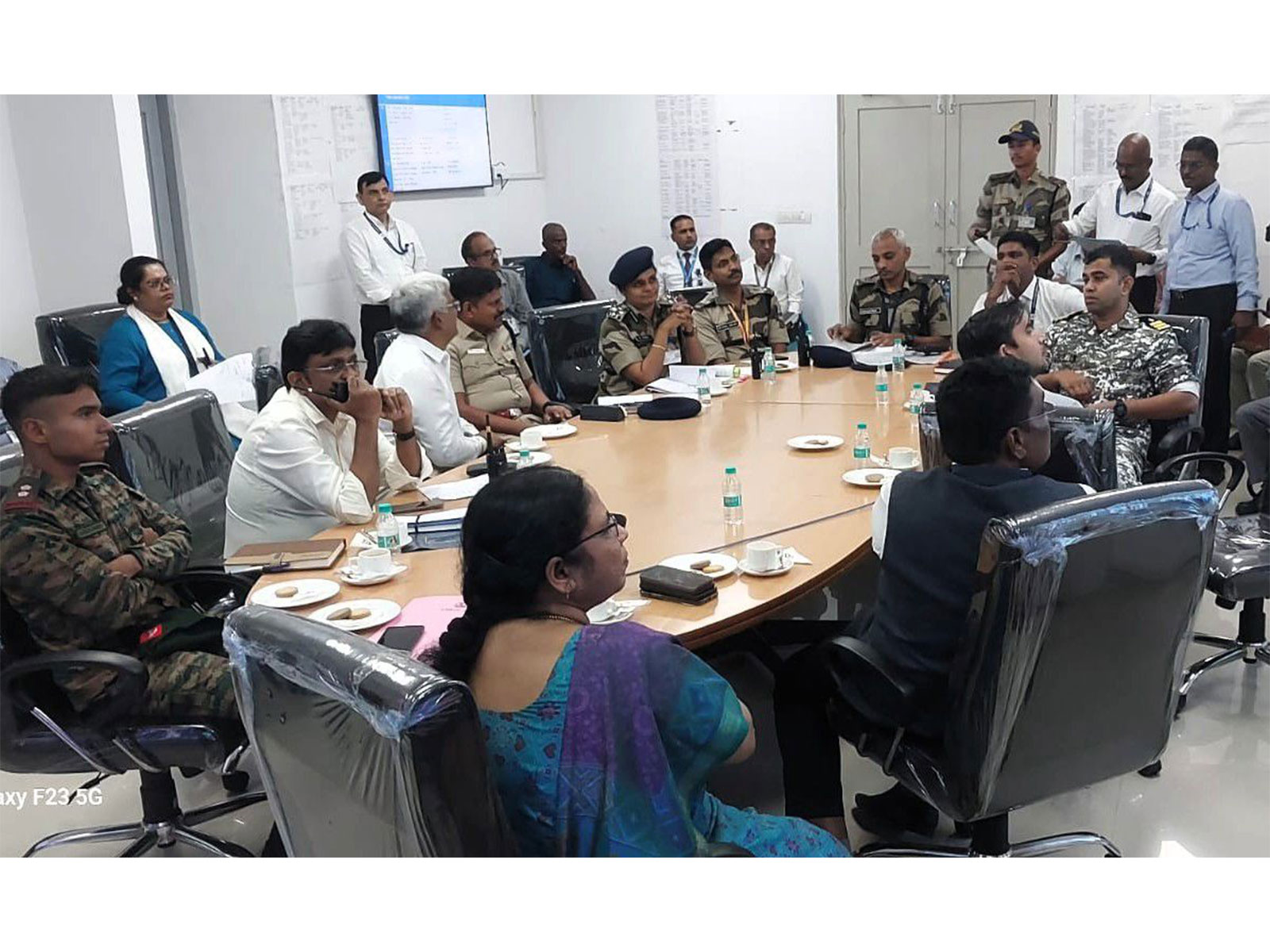
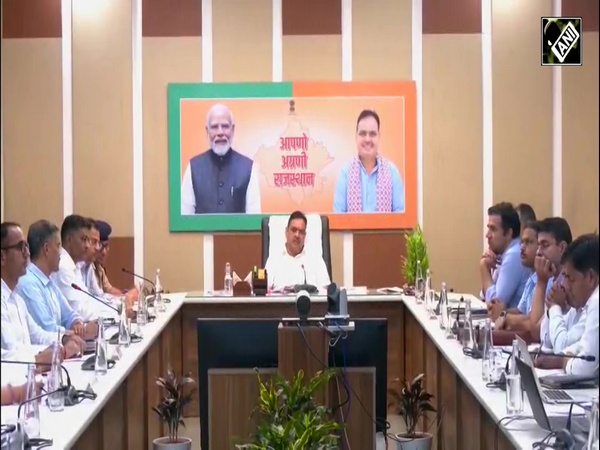
During this dialogue session, jointly organized by the Labour, Skill Development and Employment Department, Mahatma Gandhi Labour Institute (MGLI), and UNICEF Gujarat at the Sardar Patel Institute of Public Administration (SPIPA), representatives from various states, policymakers, organizations working in the field of child rights, and subject experts will deliberate on best practices, successful models, and future action plans for the eradication of child labour.
Through this exchange of knowledge and experiences among different states, effective guidance will be obtained for building a child labour-free society and nation.
On this occasion, senior officers and employees of the Labour Departments of various states, including Gujarat, Rajasthan, Bihar, Maharashtra, Uttar Pradesh, and Madhya Pradesh, were present.