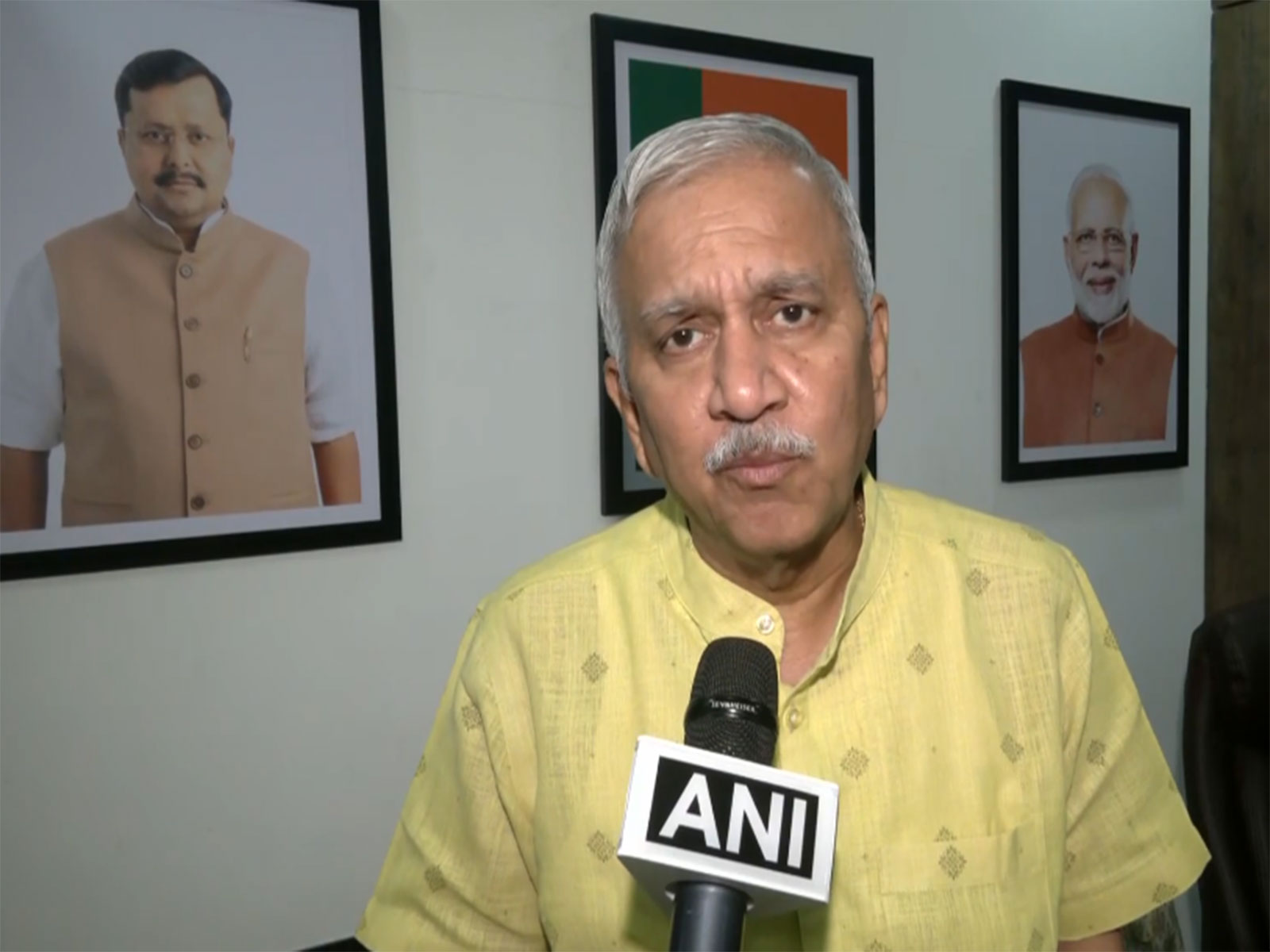
"Shown his love for Tamil language": BJP's Narayanan Thirupathy on PM Modi presenting Russian translation of 'Thirukkural' to Putin
Sep 12, 2026
Chennai (Tamil Nadu) [India], September 12 : Tamil Nadu BJP spokesperson Narayanan Thirupathy on Saturday said that Prime Minister Narendra Modi presenting a Russian translation of the 'Thirukkural' to Russian President Vladimir Putin reflects India’s heritage, culture and the global significance of the Tamil language.
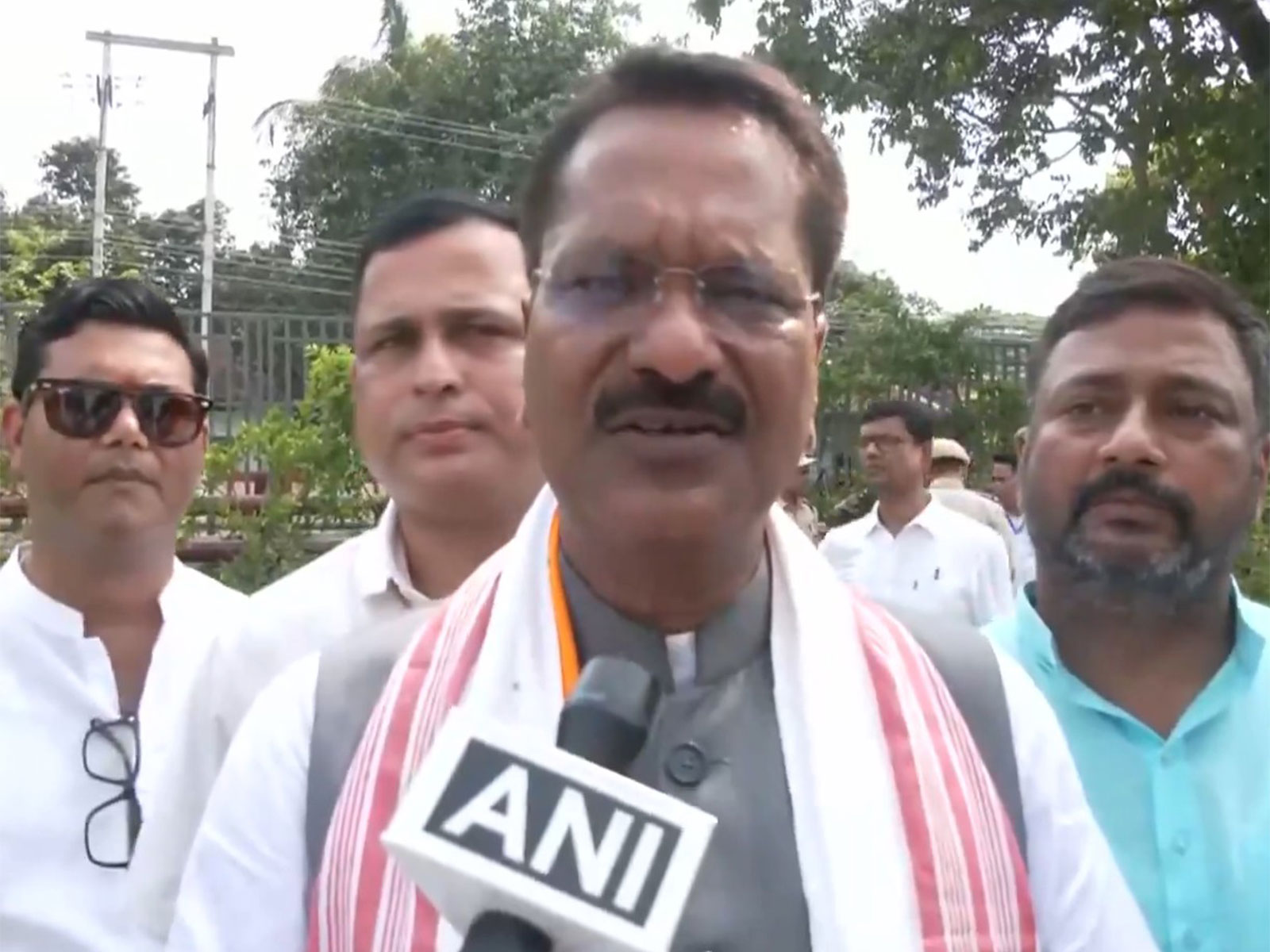
Reacting to the gesture, Thirupathy said that the move showcased the teachings of Tamil poet and philosopher Thiruvalluvar and highlighted Prime Minister Modi’s affection towards the Tamil language.
Speaking to ANI, he said, "This shows our heritage, culture, and everything written by Thiruvalluvar; the love for Tamil of our Prime Minister and his intention to take Tamil as the oldest language, as he has regularly said for the last so many years in his tenure as Prime Minister. Once again, he has shown the world that Tamil, our language, gives more and more knowledge to the world, and through this gesture given to President Putin, he has once again shown his love for Tamil and also the backdrop of the Ramanathaswamy temple."
Prime Minister Narendra Modi on Friday expressed confidence that people-to-people ties between India and Russia will grow further with the translation of the Thirukkural into Russian, as he gifted the Russian version of the classical Tamil scripture to Russian President Vladimir Putin during their bilateral talks in New Delhi.
PM Modi, while gifting the scripture to Putin, said that it includes the "entire gamut of human life".
"Two thousand years ago, Thiruvalluvar wrote the Thirukkural. It includes the entire gamut of human life. It has been translated into the Russian language. I am confident that the people-to-people contact will increase with the translation of the Thirukkural into Russian, which will play a big role in strengthening our relations," PM Modi told Putin.
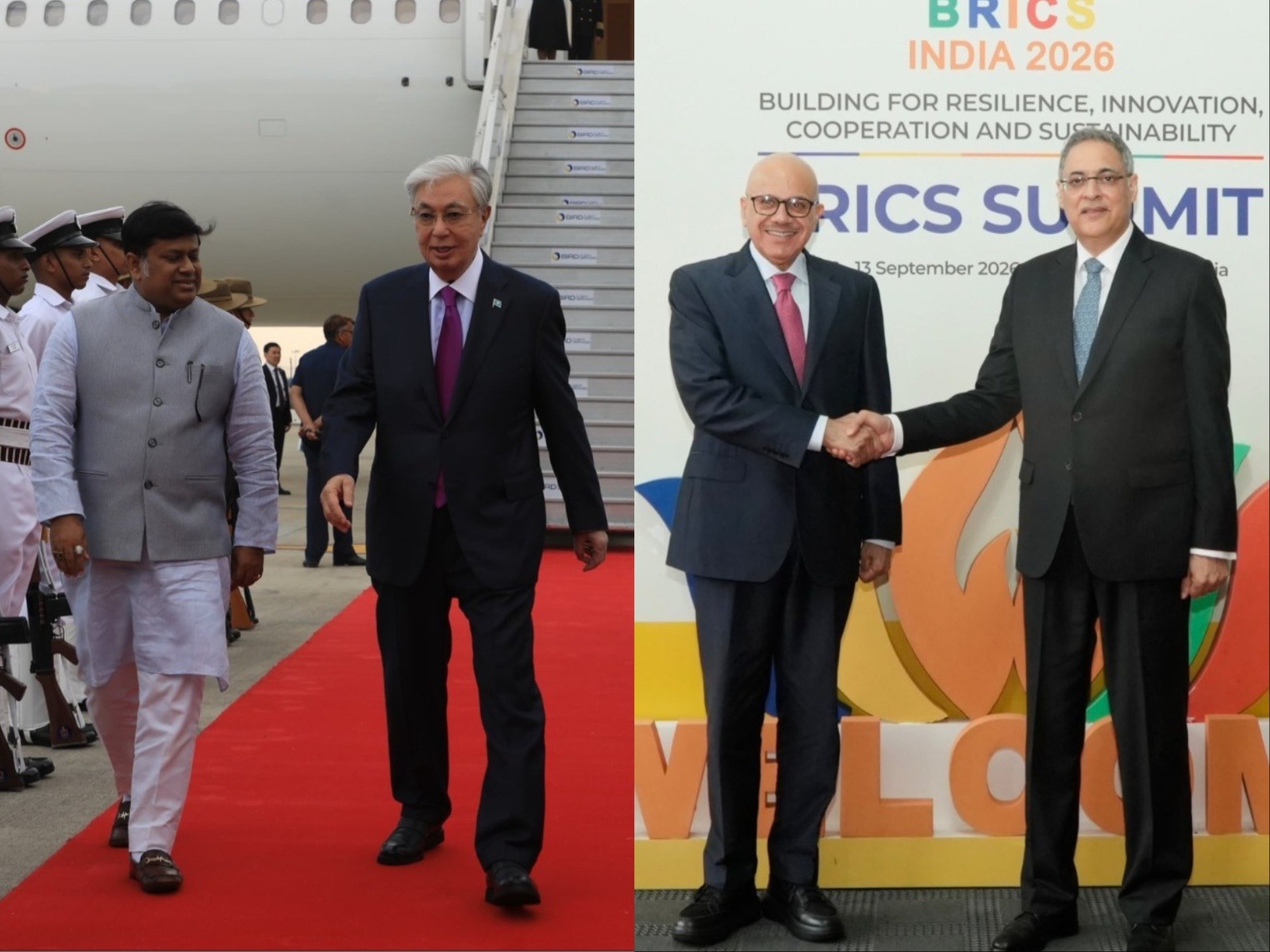
The 18th BRICS Summit is being held in New Delhi on September 12-13, with India's chairship guided by the theme "Building for Resilience, Innovation, Cooperation and Sustainability."
BRICS nations unanimously adopted the New Delhi Declaration, which expressed concern over the continued escalation of tensions in West Asia and called for maximum restraint and efforts to avoid further aggravation.
The declaration urged protection of civilians and civilian infrastructure and called for greater efforts through dialogue and diplomacy towards lasting peace, security and stability in the region.
The BRICS declaration also expressed serious concern over attacks on civilian infrastructure and peaceful nuclear facilities under full safeguards of the International Atomic Energy Agency and stressed that nuclear safeguards, safety and security must be upheld, including during armed conflicts.
The declaration called for the implementation of relevant UN General Assembly and UN Security Council resolutions and urged all parties to maintain a ceasefire and ensure full and unhindered humanitarian access in the Gaza Strip.