"Table of surrender": Iran rejects talks under pressure as Trump's 'bombs' threat looms
Apr 21, 2026
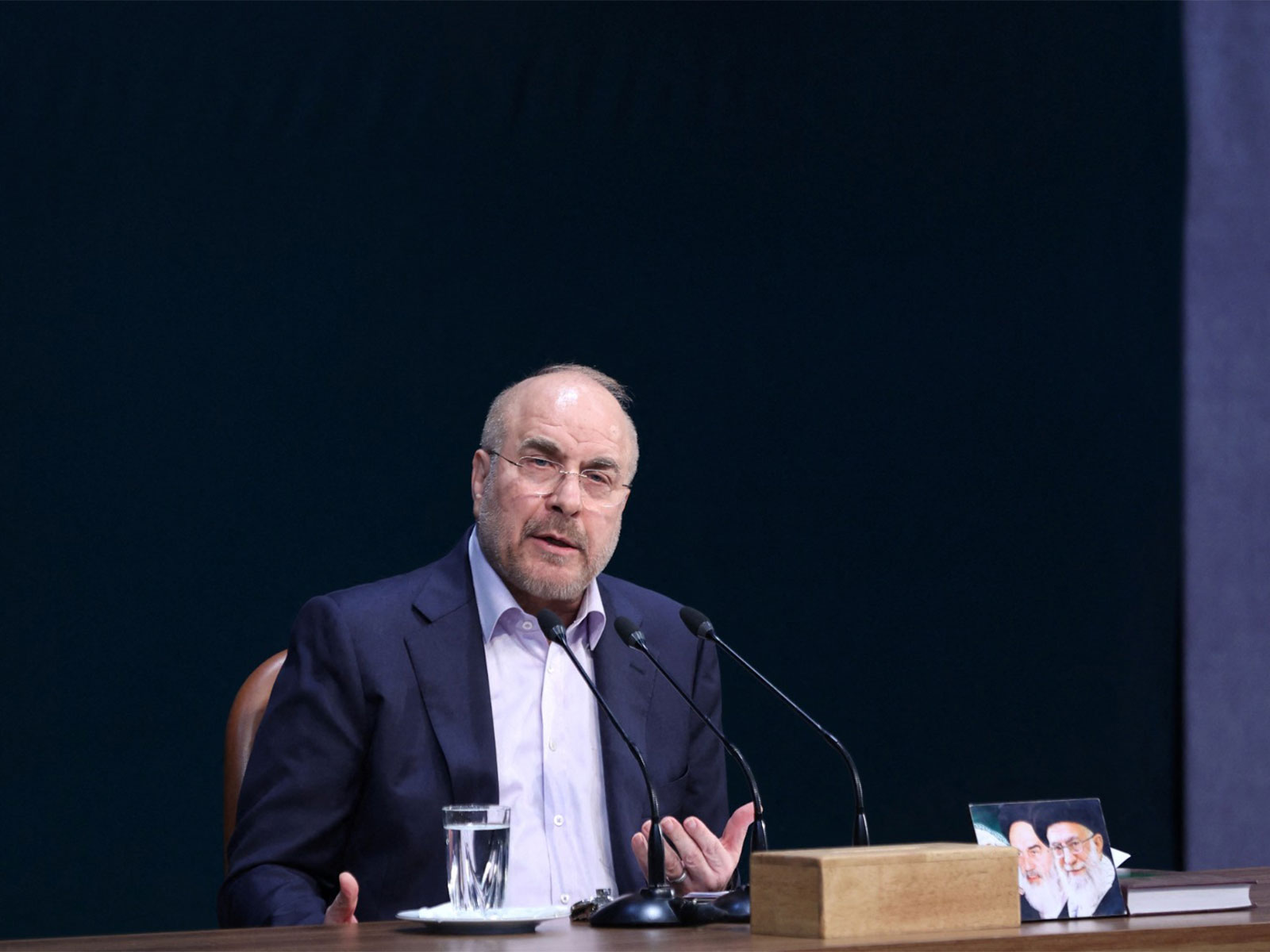
Tehran [Iran], April 21 : Tensions between Tehran and Washington have reached a critical flashpoint as the April 22 ceasefire deadline approaches. Iran's top negotiator and parliamentary speaker, Mohammad Baqer Ghalibaf, has lashed out at Donald Trump, accusing the US president of sabotaging diplomatic channels through aggressive rhetoric and alleged truce violations.
Ghalibaf stated that the Iranian leadership refuses to engage in dialogue while under duress. In a public statement on X, he argued that the American administration is attempting to transform the diplomatic arena into a "table of surrender". He further cautioned that Tehran is prepared to reveal "new cards on the battlefield" should the current friction lead to a military escalation.
https://x.com/mb_ghalibaf/status/2046339369884086287?s=20
This sharp Iranian response follows a series of uncompromising remarks from the US president. During an interview with PBS News, Trump issued a blunt ultimatum regarding the upcoming round of talks in Islamabad. He warned that if a significant diplomatic breakthrough is not achieved by the deadline, "then lots of bombs start going off", a statement that has significantly heightened global fears of a renewed conflict.
The president also cast doubt on whether the Iranian delegation would actually appear at the negotiating table. Trump noted that while a mutual agreement to attend had been reached, Tehran's presence was not guaranteed. He clarified, however, that the American delegation would move forward regardless, indicating that Washington is prepared to either finalise a deal or abruptly pivot its strategy if the process collapses.
The diplomatic deadlock is rooted in long-standing disputes over the Iranian nuclear programme and the security of the Strait of Hormuz, a vital artery for global energy supplies. While the current 14-day truce has managed to pause active combat, the atmosphere remains poisoned by mutual suspicion.
In a further sign of deteriorating relations, Iranian state media has hinted that Tehran may boycott the Islamabad summit. The reports cite Washington's "excessive demands and inconsistent positions" as primary reasons for the potential withdrawal from the talks.
The Iranian foreign ministry has also questioned the legitimacy of the American-led process. In a high-level discussion with Pakistani Foreign Minister Ishaq Dar, Iranian Foreign Minister Abbas Araghchi claimed that "provocative actions and repeated ceasefire violations" by the US have become the main barriers to peace.
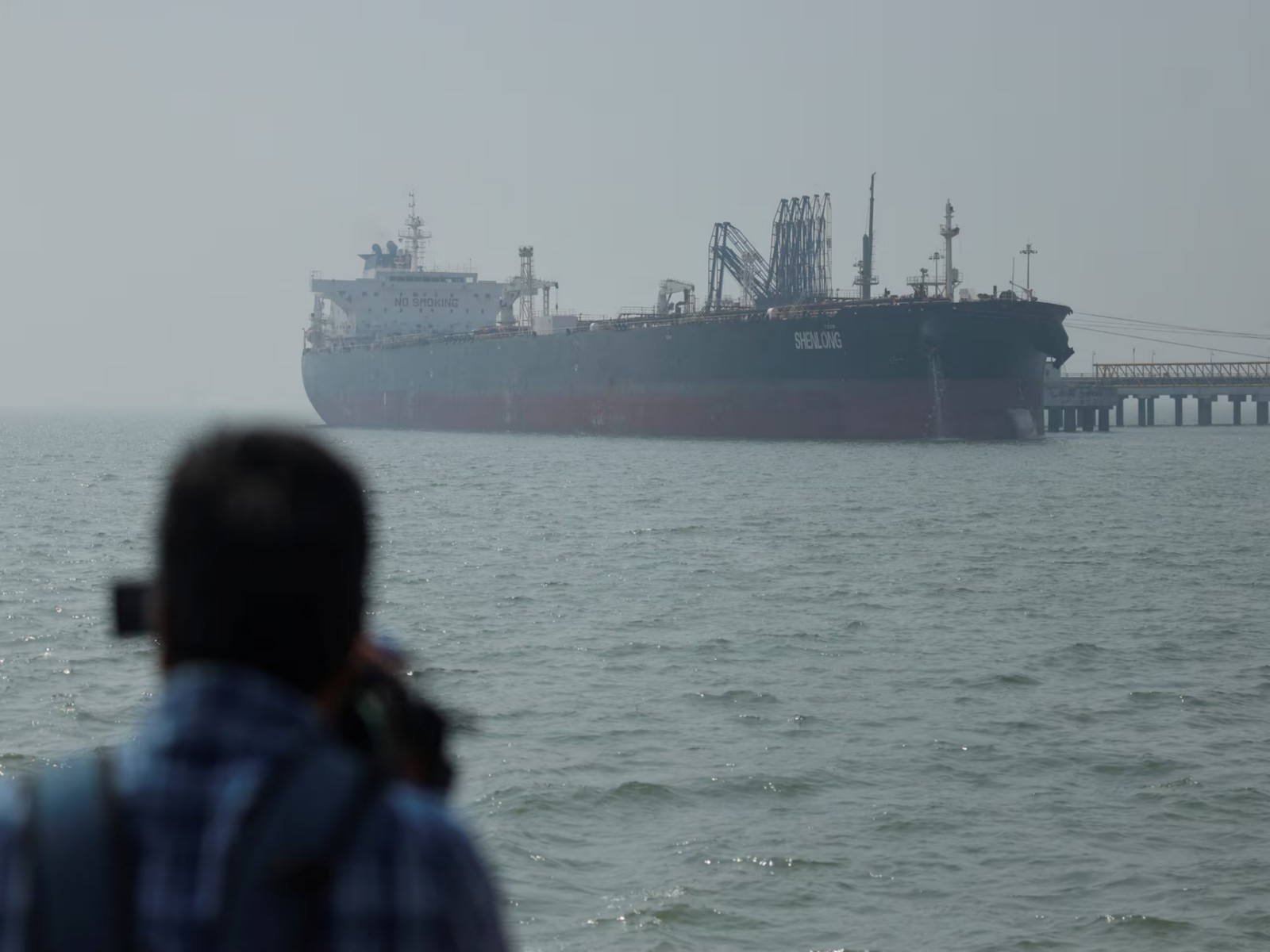
Araghchi specifically pointed to alleged American interference with Iranian merchant ships and what he termed as "contradictory positions and escalating rhetoric" coming from the White House. He informed his Pakistani counterpart that Tehran would evaluate "all aspects" of the situation before committing to any further meetings.
Iranian President Masoud Pezeshkian has echoed this sentiment, reinforcing the nation's refusal to bow to American coercion. In a post on X, Pezeshkian emphasised that "honouring commitments is the foundation of any meaningful dialogue", while accusing the US of transmitting "unconstructive signals" in the lead-up to the deadline.
The Iranian president suggested that the current American posture is a transparent attempt to force the nation into submission. He noted that the recent conduct of US officials carries a "bitter message" that they are pursuing Iran's surrender, a goal he asserted would never be achieved through pressure.
As the clock runs down on the fragile ceasefire, both capitals remain entrenched in a dangerous standoff. With the threat of renewed hostilities hanging over the region, the success of the Islamabad talks appears increasingly uncertain.