Taiwan highlights political differences with China, warns of Xi Jinping’s growing consolidation of power
Nov 01, 2026
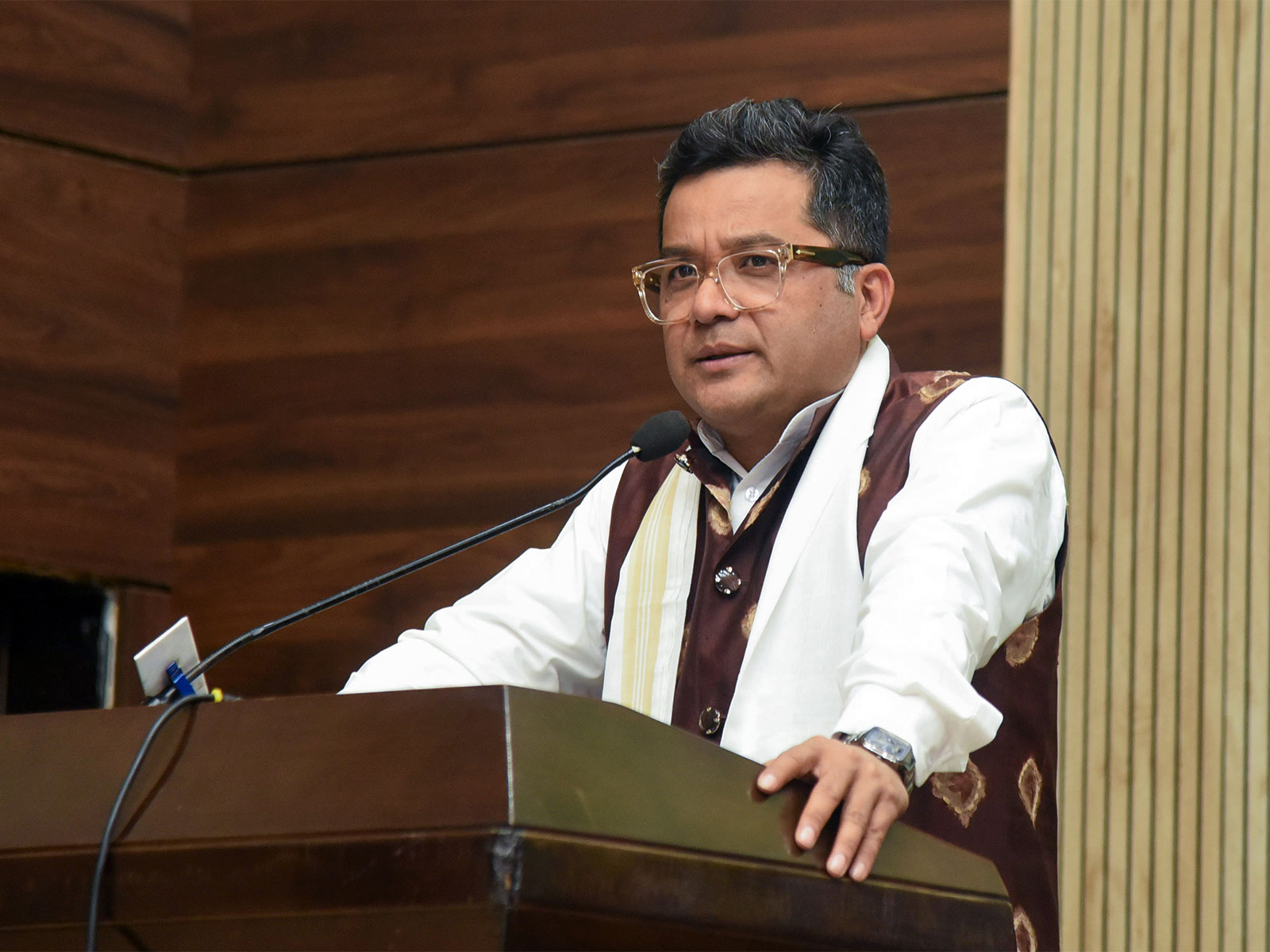
Taipei [Taiwan], November 1 : Taiwan’s Mainland Affairs Council (MAC) Deputy Minister Shen Yu-chung has highlighted the fundamental differences between China’s authoritarian political system and Taiwan’s democratic institutions, arguing that the fifth plenum of the Chinese Communist Party’s (CCP) 20th Central Committee and Taiwan’s ongoing election debates demonstrate contrasting political realities across the Taiwan Strait.
According to a report by Taipei Times, Shen made the remarks at a forum organised by the Secure Taiwan Associate Corporation, which examined possible developments in China’s domestic political situation following the fifth plenum and their implications for Taiwan.
Shen said differences in political systems remain the most fundamental issue in cross-strait relations, adding that these differences have little to do with similarities in culture, language or ethnicity.
The fifth plenum, which concluded on Thursday last week, focused on the theme of "unswerving promotion of the full and rigorous party self-governance." According to Shen, the initiative reflects Chinese President Xi Jinping’s efforts to strengthen the CCP’s leadership and consolidate his authority ahead of next year's 21st CCP National Congress.
As cited by Taipei Times, Shen outlined four major findings from the MAC's assessment of the plenum.
First, the establishment of "Xi Jinping Thought on Party Building" as a political guiding principle further reinforces Xi's dominant position within the party. Shen pointed to the confirmation of earlier decisions to expel 33 officials, including former senior military leaders Zhang Youxia and Liu Zhenli. He said accusations of disloyalty, duplicity and failure to implement central policies demonstrated that officials deviating from Xi's directives risk being purged.
Second, Shen argued that strict party governance is primarily intended to preserve the CCP's long-term rule and one-party dictatorship. He said political, organisational, and administrative discipline is increasingly directed towards ensuring obedience to the party, while constitutional development and the protection of people's rights and interests take a back seat.
Third, the promotion of the party's "self-revolution" reflects the rejection of external oversight from the public, media and civil society. Shen referred to unverified reports of students from more than 10 Chinese universities allegedly signing a petition against indefinite presidential terms. He warned that Xi could respond to academic activities and social movements through additional legal measures and intensified surveillance.
Fourth, Shen said the removal of dissenting voices and large-scale purges within the party, government and military have reduced potential obstacles to Xi securing a fourth term at next year's national congress. He also noted that the number of Central Committee members and alternate members absent from the plenum had reached its highest level since Mao Zedong's era.
Contrasting China's political developments with Taiwan's democratic environment, Shen highlighted the mayoral debates in Taipei and Kaohsiung, saying such open political discussions would be impossible under the CCP's system.
According to Taipei Times, Shen urged Taiwanese citizens to recognise these institutional differences and unite in defending freedom, democracy and national sovereignty. He added that the government would continue monitoring developments within the CCP while countering Chinese election interference, cognitive warfare, transnational repression and attempts to divide Taiwanese society.