The Lives We Forget to Record
Sep 01, 2026
HT Syndication
New Delhi [India], September 1: Almost every Indian home has one cupboard that says a lot about the family, says Arjun. "An old award on stiff paper. A first invoice, framed. A box of medals the children may see but not touch. Photographs where nobody is smiling." He pauses. "But the cupboard never keeps the real story.
Why the award was given. What the first years of the business actually felt like. How they met the person they loved, and what it took to build a life together. That part usually leaves with the person."
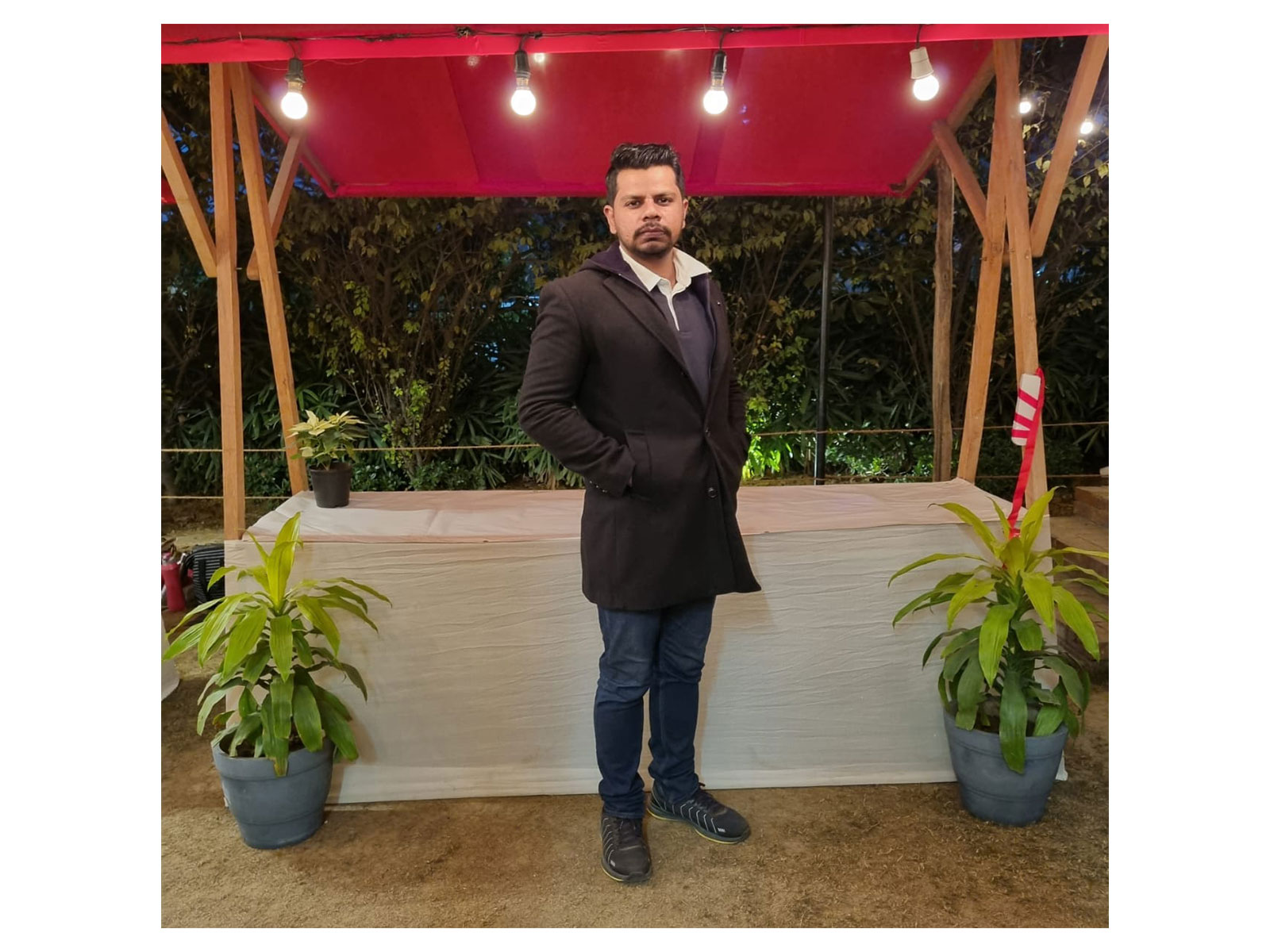
Arjun, a memoir writer based in Chandigarh, has spent much of the last decade making sure it doesn't.
He has written life stories for Doctors,Chartered Accountants, retired professionals and people recalling difficult childhoods. But the profession, he says, has taught him that the value of a life story has little to do with how remarkable a person's life appears from the outside.
A soldier, a teacher, a movie star, a shopkeeper, a farmer, a grandmother. Each carries stories that can disappear surprisingly quickly if nobody records them.
Interest alone doesn't preserve a story. Someone has to sit down and ask.
"It's rarely because the family isn't interested," Arjun says. "It usually fails for three quieter reasons."
The first is the person's own nature.
"The people most worth writing about are often the last ones who want to talk about themselves. I once spent an afternoon with an engineer in his seventies who could describe every machine he had built in forty years, but went quiet the moment we reached the losses he had rebuilt his life around each time. A man who has led a large company will hand you the balance sheet and skip the ten years of worry behind it."
Being modest, he says, is not the same as having nothing to say.
The second reason is timing.
"The family asks at the wrong moment. A grandchild asks a question over lunch, gets half an answer, and never asks again. Nobody realises the story needs a full afternoon, not a few minutes between courses."
Then there is the third reason, the one he speaks about most gently: waiting.
"People think there is always time later. And later comes with poor health, or a memory that slowly loses track of the years."
More than once, Arjun has been contacted by a family after the person whose story they wanted to preserve could no longer tell it himself.
"You build what you can from old letters, and from what others remember. It is honest work. But it is not the same book."
Arjun has now completed 22 memoirs, along with several works of fiction. He approaches a person's life the way he approaches any book: it needs a shape, and it needs to be worth reading to the end.
"Anyone can type up what you say. A recorded conversation is not a book," he says. "My real job is to take the scattered pieces, the ones that come out of order, the ones people think don't matter, and turn them into something a grandchild will actually want to read."
That process, he says, begins with understanding how memory actually works.
"Memory doesn't work in a straight line. If you ask a general question, you get a general answer. That's why 'tell me about your life' only gives you a summary. But ask something exact, and a lot opens up, and quickly. What were you carrying? What did you eat that day? Who spoke, and what did they say?"
The details can seem insignificant at first. Often, they are the details that bring a person back to life on the page.
Some memories are painful. Others have been buried for decades.
"Knowing how to sit with that, and knowing when to stop, is most of the job."
For Arjun, the work is ultimately less about preserving achievements than preserving a voice.
"A life story is one of the few things a family truly cannot arrange later. The house, the savings, the medals: those can be replaced, or lived without. The voice cannot."
He has sat in living rooms while a finished memoir was read aloud, watching grandchildren encounter their grandfather not through family anecdotes or photographs, but through his own words.
"That is the whole reason I do this. Not the book on the shelf. That moment in the room, while the person is still there to see it."
Then he puts the idea more simply.
"It only has to be done in time. Everything else about it can wait. That part cannot."
Arjun is a memoir writer based in Chandigarh. He has completed 22 privately commissioned memoirs and has also written fiction. He can be reached at arjunwriteslife@gmail.com.
(ADVERTORIAL DISCLAIMER: The above press release has been provided by HT Syndication. ANI will not be responsible in any way for the content of the same.)