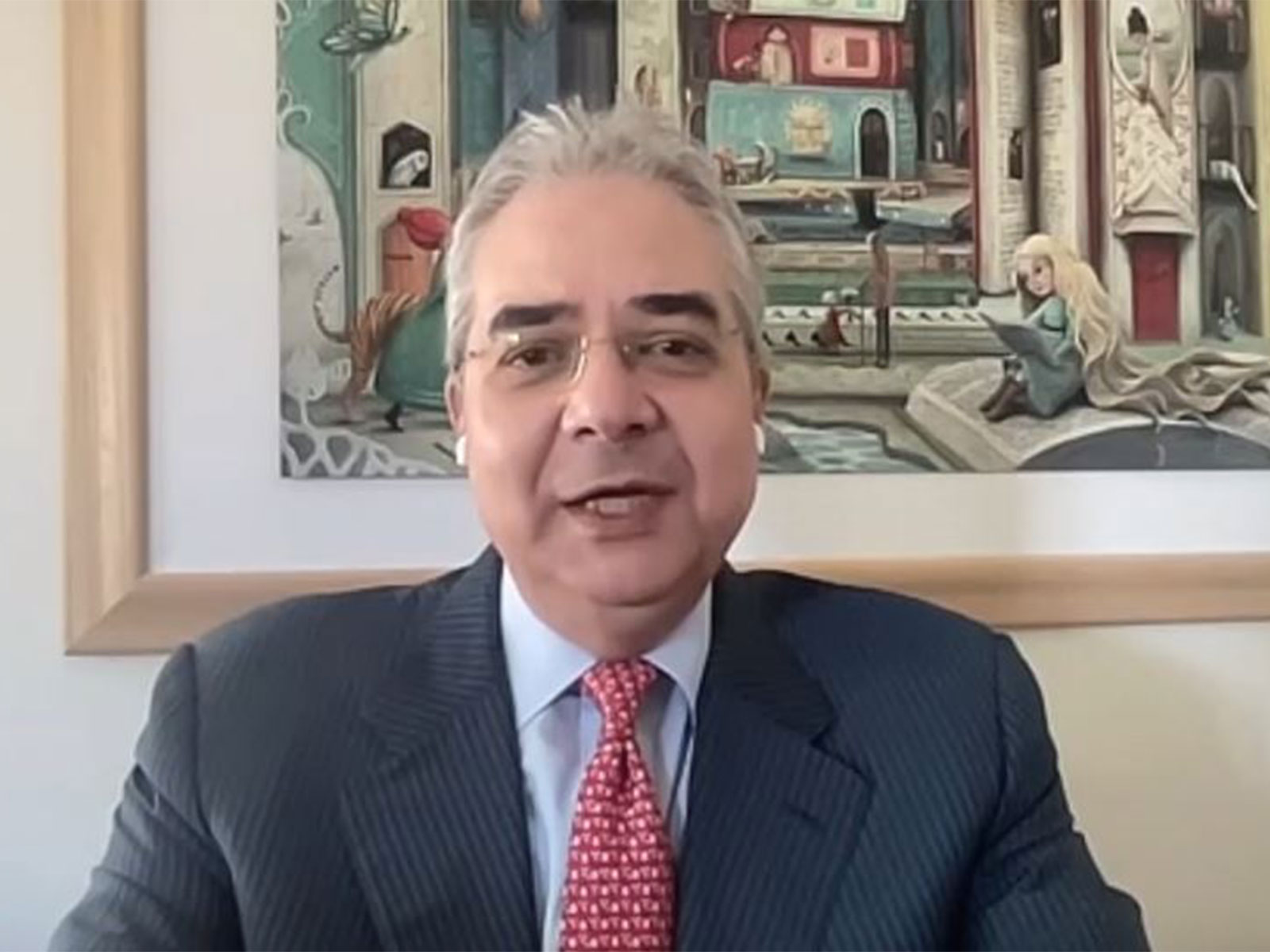
"There will be more supply, bargaining power": Economist Sfakianakis on impact of UAE's OPEC exit on Asian countries
Apr 30, 2026
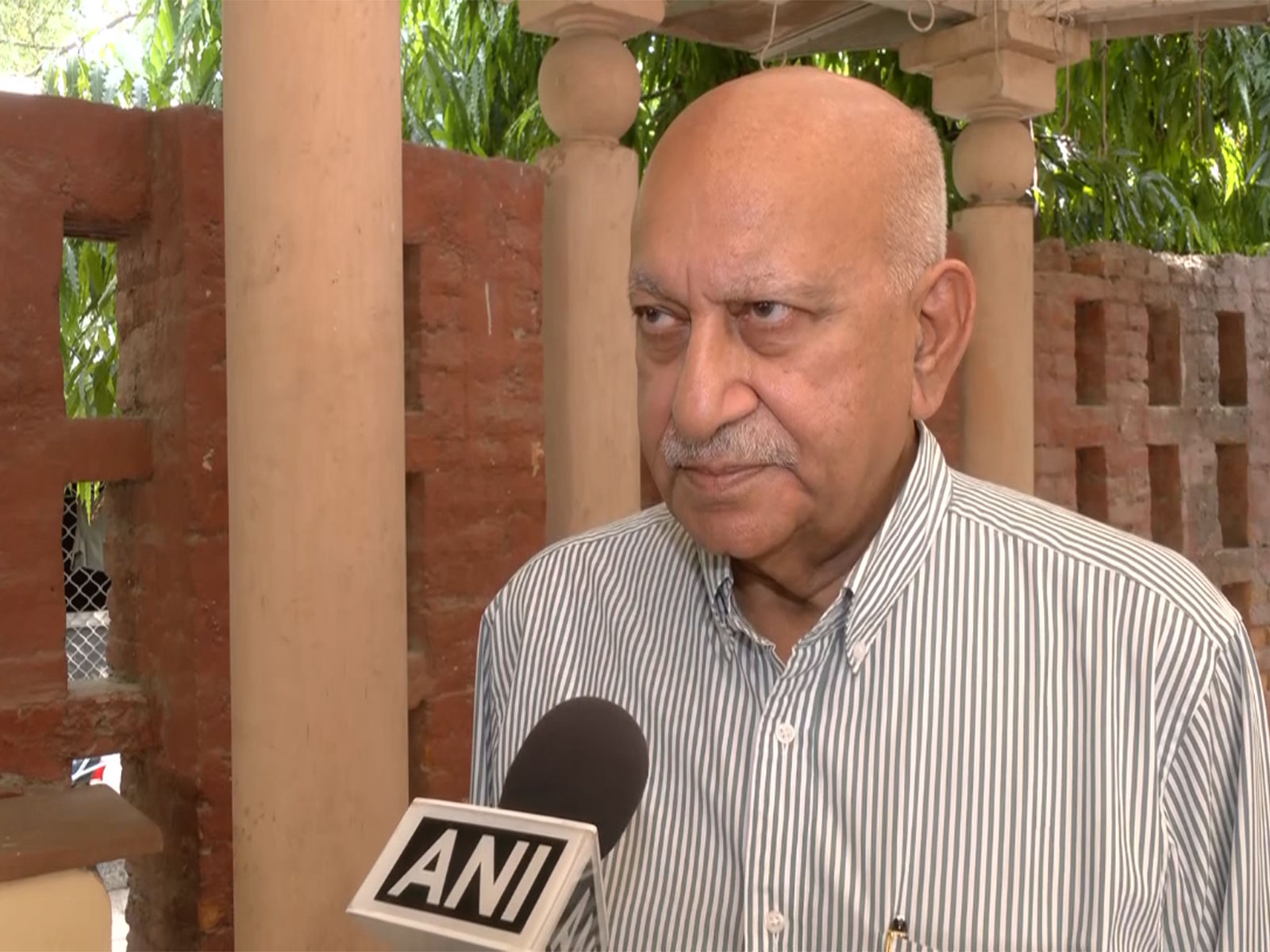
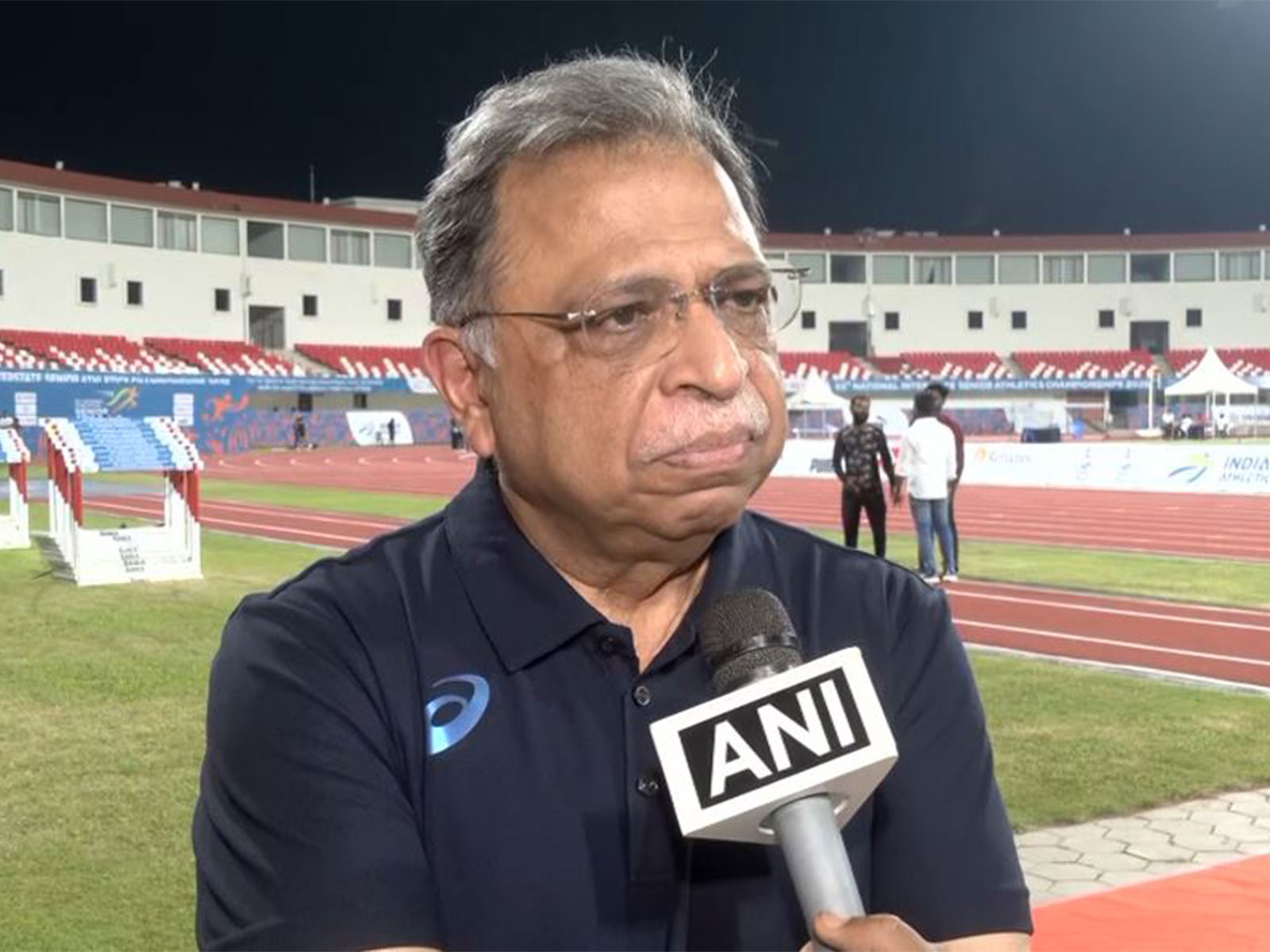
Riyadh [Saudi Arabia], April 30 : Chief Economist and Head of Economic Research at the Gulf Research Centre, John Sfakianakis, on Thursday said that the United Arab Emirates' recent exit from the Organisation of the Petroleum Exporting Countries (OPEC) and OPEC+ could give Asian buyers some bargaining leverage, though he cautioned that rising demand may limit the extent of such gains.
Speaking to ANI on the implications of the UAE's exit from the grouping on Asian countries, Sfakianakis said that structural demand growth would continue to constrain pricing advantages for buyers.
The economist further stated that while supply-side changes may increase availability, they are unlikely to significantly shift market dynamics in favour of Asian importers in the short term.
"There will be more supply, no doubt. They will have bargaining power. But again, you will need more oil. The Asian countries will demand more oil. Oil demand is increasing by about a million to a million and a half every year, and it's mainly coming from Asia and other developing countries. So yes, they could have some bargaining power, but that doesn't mean that they have enormous bargaining power only because demand is increasing. You have bargaining power when demand is decreasing, and prices are falling; you can accommodate that by negotiating harder," he stated.
On broader oil market conditions, Sfakianakis said prices are expected to remain elevated in the near to medium term, citing global consumption levels and the need to replenish strategic reserves across major economies.
He added that geopolitical risks, including tensions in West Asia and potential disruptions in maritime routes such as the Strait of Hormuz, continue to play a key role in keeping prices high.
His remarks come after the UAE on Tuesday announced its exit from OPEC and the broader OPEC+ grouping, marking a significant shift in global oil dynamics. The country, OPEC's third-largest producer, has increasingly pushed for greater production flexibility amid the West Asia crisis and supply disruptions.