"They have become bankrupt of ideas": Ex-Envoy slams US House passing Russia sanctions bill targeting India
Sep 17, 2026
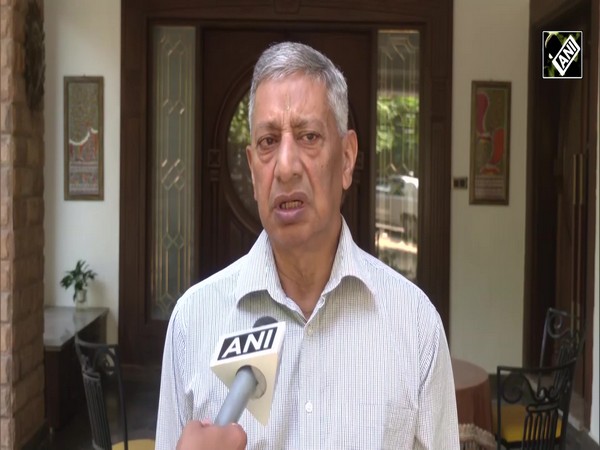
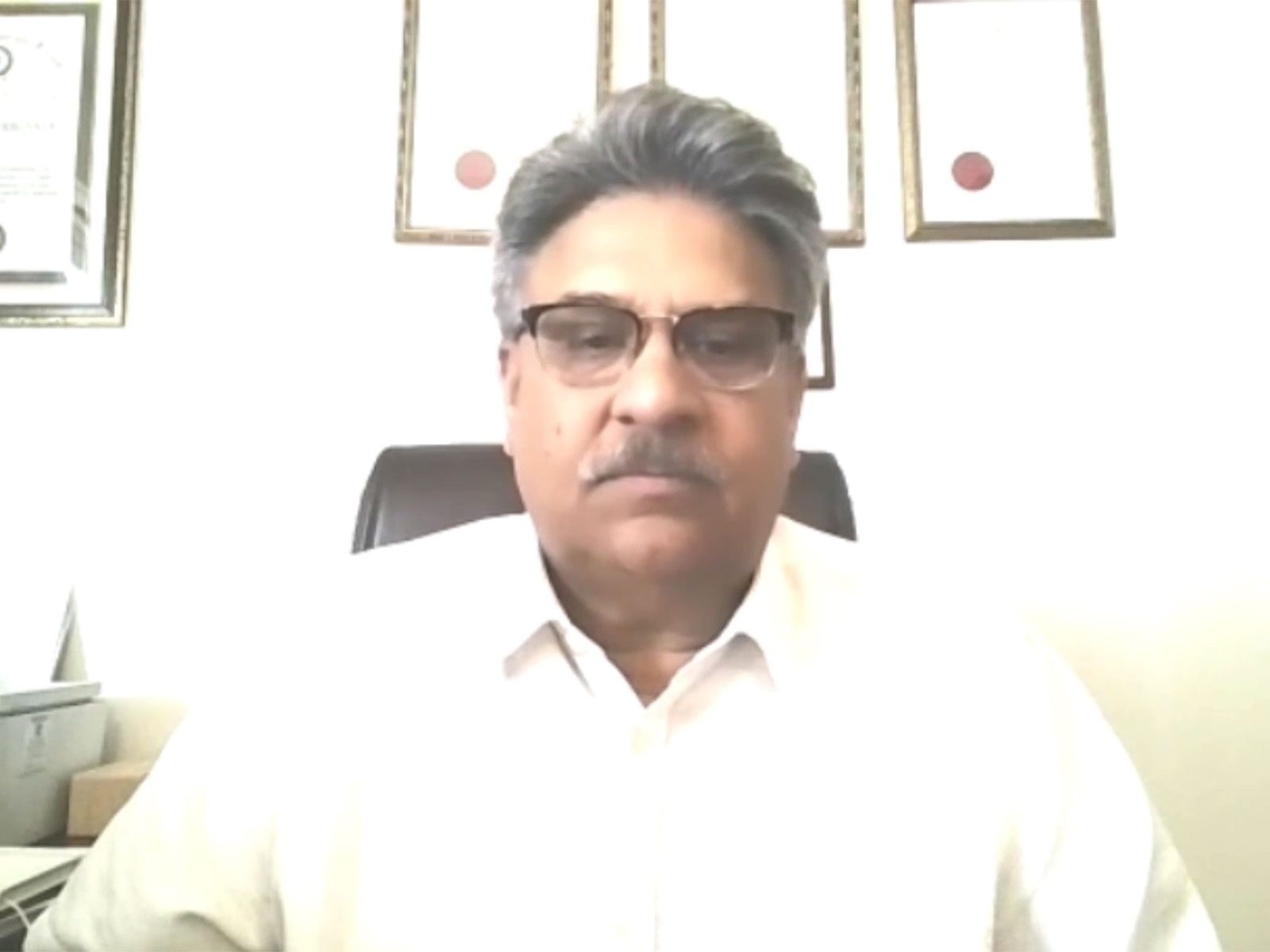
Gurugram (Haryana) [India], September 17 : Former diplomat Anil Trigunayat on Thursday criticised the US House of Representatives' passage of the "Lindsey O. Graham Sanctioning Russia and Iran Act of 2026", particularly its provisions that could enable tariffs of up to 100 per cent on major purchasers of Russian energy, including India.
The US House passed the legislation by 262-159 on Wednesday, sending it to President Donald Trump for enactment after the Senate had earlier cleared it by an 86-11 vote on August 7.
The legislation expands sanctions targeting Russian officials, financial institutions and banking authorities and also targets vessels linked to Russia's "shadow fleet".
Reacting to the legislation, Trigunayat said the approach adopted by Washington reflected a lack of alternative ideas to deal with the global crises.
"I think that they have become bankrupt of ideas or any innovative ideas," he said.
Elaborating on his criticism, the former diplomat said the approach was visible both in the US administration and Congress, particularly in relation to Senator Lindsey Graham.
"And that is why, whether it is President Trump or it is the US Congress, and especially Senator Lindsey Graham, I think that they just don't know how to wait through these kinds of global crises that they have created themselves," Trigunayat said.
He further argued that tariffs had increasingly become the principal instrument being relied upon by Washington.
"And the only thing that remains in their arsenal today is tariffs, nothing else. The rest of the things we have seen are what happened to them. So they are going to continue to use it," the former diplomat added.
The legislation gives the US President authority to impose tariffs of up to 100 per cent on the five largest importers of Russian petroleum or natural gas.
However, the bill does not itself impose a 100 per cent tariff on Indian goods; instead, it creates a statutory pathway for such tariffs to be imposed under specified conditions if the legislation is enacted and subsequently invoked.
Trigunayat linked his criticism of the tariff approach to India's stated position that Russian oil supplies have helped offset disruptions in energy supplies from the Middle East.
"But that's eventually going to backfire on them, as we are witnessing in the already Indian government, which has basically been trying throughout to tell them that supplies of Russian oil have actually quite significantly reduced the adverse impact of the disruptions in the supplies from the Middle East and have been supplied to continue to the global markets and stabilise the markets," he said.
He added that, in his view, Washington was not adequately considering this aspect of the issue.
"But that's not something; the reason is not what the Americans understand, and that arrogance of power is going to lead to their own problems, and I think they'll understand it sooner," he added.
The remarks came as the Ministry of External Affairs reiterated India's position that ensuring energy security for its people remained a priority for the country.
"As stated on several earlier occasions, India remains firmly committed to ensuring energy security for its 1.4 billion people. It will continue to do so through diversified sourcing and on the basis of evolving market dynamics," the MEA said in a statement following the passage of the bill in the US House.
The ministry also said that the potential implications of the US legislation had already been raised with Washington during high-level discussions.
"This issue has been discussed at high levels in recent months with various US interlocutors. Its potential implications for not just the bilateral relationship but also the international energy market have been very clearly articulated by the Indian side," the statement added.
The ministry further said New Delhi was determined to safeguard its economic and trade interests as the legislation moves forward.
Trigunayat said that India's dependence on imported crude had to be viewed against the disruptions affecting supplies from the region.
He questioned the rationale of sanctioning countries that continue to purchase Russian energy while, according to him, the US itself maintains engagement with Russia.
"I think that India has made it very clear what our priority is. When a country imports 70 per cent to 80 per cent of its crude, and you go into Iran and bomb the place and disrupt the whole supply from the region from where we were buying 50 per cent. And then you want to sanction the countries for importing from Russia, with which you are hobnobbing yourself. This is another: you're talking of G3, G2 and all kinds of stuff, and then on the other hand, imposing sanctions on countries like India. Nothing can be more foolhardy than," he stated.
The former diplomat also said India needed to strengthen mechanisms that could protect its trade from unilateral sanctions and identified the creation of mechanisms to facilitate trade outside the reach of unilateral sanctions as an area that India had not sufficiently developed.
"India will continue, and I hope it continues to do so is continue to buy it from Russia. Our problem has been for a very long time not creating sufficient special purpose vehicles immune from these kinds of unilateral sanctions. We will have to work out something sooner or later, whether it is Iran, because the unilateralism is becoming basically the only buzzword in the international diplomatic discourse," he said.
Trigunayat also expressed doubt that India would significantly reduce its purchases from Russia and referred to previous instances in which the US had provided exemptions relating to Russian and Iranian oil.
He further said such decisions demonstrated the complications involved in applying sanctions and exemptions to global energy markets.
"I doubt very much that India is going to reduce significantly. Americans were actually forced to allow Russia once again the exemption. They even allowed the Iranians to export oil at one time. So these kinds of decisions that they take, and I hope President Trump does not go along eventually with that signing when it comes to it, but although he always says that the word he loves the most is 'tariff'," Trigunayat said.
"I don't have very many hopes, but I hope eventually sanity will prevail in the US administration and its Congress," he added.
The US legislation, named after Lindsey O Graham, includes provisions targeting Russian officials, financial institutions and the country's "shadow fleet", while also incorporating Trump's demand for a five-year extension of existing sanctions on Iran.
For India, the key concern is the provision giving the US President a potential route to impose tariffs of up to 100 per cent on imports from major purchasers of Russian petroleum or natural gas.
The legislation also includes an exemption for countries importing less than 15 per cent of Russian natural gas exports that have taken substantial measures to reduce those purchases.
The Indian government has said it will continue to monitor developments and work with trade and industry bodies to address the implications of the US legislation, while maintaining its stated commitment to energy security through diversified sourcing and evolving market dynamics.
![External Affairs Minister S Jaishankar warm welcome from Bhutan Finance Minister Lyonpo Lekey Dorji [On Right] (Photo/X/@DrSJaishankar)](https://aniportalimages.s3.amazonaws.com/media/details/ANI-20260917084527.jpg)