"Took full advantage of ceasefire": Iran prepares for bigger fight with US and Israel, eyes Kuwait ground raid
Aug 18, 2026
Washington, DC [US], August 18 : Iran's Islamic Revolutionary Guard Corps (IRGC) has utilised the period of relative calm following a June memorandum of understanding with the United States to prepare for a wider confrontation, including formulating plans for pre-emptive strikes and potential operations on enemy territory, according to a Wall Street Journal report citing Iranian and Arab officials.
The military preparations encompass accelerated missile production, enhanced missile accuracy, expanded counterintelligence operations, and an enlarged role for the powerful Revolutionary Guard within Iran's military apparatus.
"We took full advantage of the ceasefire period," Revolutionary Guard spokesman Brig Gen Hossein Mohebbi said in July, according to the WSJ report. "We enhanced our capabilities, accelerated our missile production rate and improved missile accuracy."
Following the signing of the memorandum of understanding by US President Donald Trump with Iran in mid-June, Washington had anticipated that the arrangement would facilitate the reopening of the Strait of Hormuz and initiate a wind-down of the conflict.
However, Iran's hard-line leadership interpreted the agreement differently, according to Iranian and Arab officials cited by the WSJ. They assessed that the agreement might represent an attempt by the US and Israel to alleviate economic pressure globally while gaining time to prepare a larger attack.
Consequently, Iran used the intervening window to prepare for what its leadership views as a potentially larger military confrontation. These measures included assigning the Revolutionary Guard greater oversight over the regular army, appointing veterans of the Iran-Iraq War and past internal crackdowns to senior posts, expanding domestic counterintelligence operations, and ramping up missile and drone manufacturing.
According to the report, the Revolutionary Guard also utilised the period to coordinate strategy with allied militias across the region.
"The Revolutionary Guard used the calm created by the memorandum of understanding to lay the groundwork with allied militias around the region to step up attacks if needed," the WSJ reported, citing officials familiar with recent Arab intelligence findings. Iranian commanders were dispatched to Iraq, Yemen, and Lebanon to discuss these operational plans, according to the report.
Furthermore, the Revolutionary Guard supervised the deployment of missiles, naval weaponry, and drone launchers overlooking the Red Sea, while providing Yemeni militants with intelligence and targeting lists focused on Saudi ports and energy facilities, the WSJ reported. Iran-backed groups subsequently executed attacks affecting Saudi energy infrastructure, while Iran expanded strikes against US military personnel and hit targets in Jordan, Kuwait, and Bahrain, according to the report.
The Revolutionary Guard has now prepared fresh options for further military escalation, according to Iranian officials and public statements cited by the WSJ.
These options include executing pre-emptive strikes, committing sabotage against undersea internet cables in the Persian Gulf, instigating political unrest in countries with Shia communities such as Kuwait and Bahrain, and potentially undertaking ground operations in Kuwait.
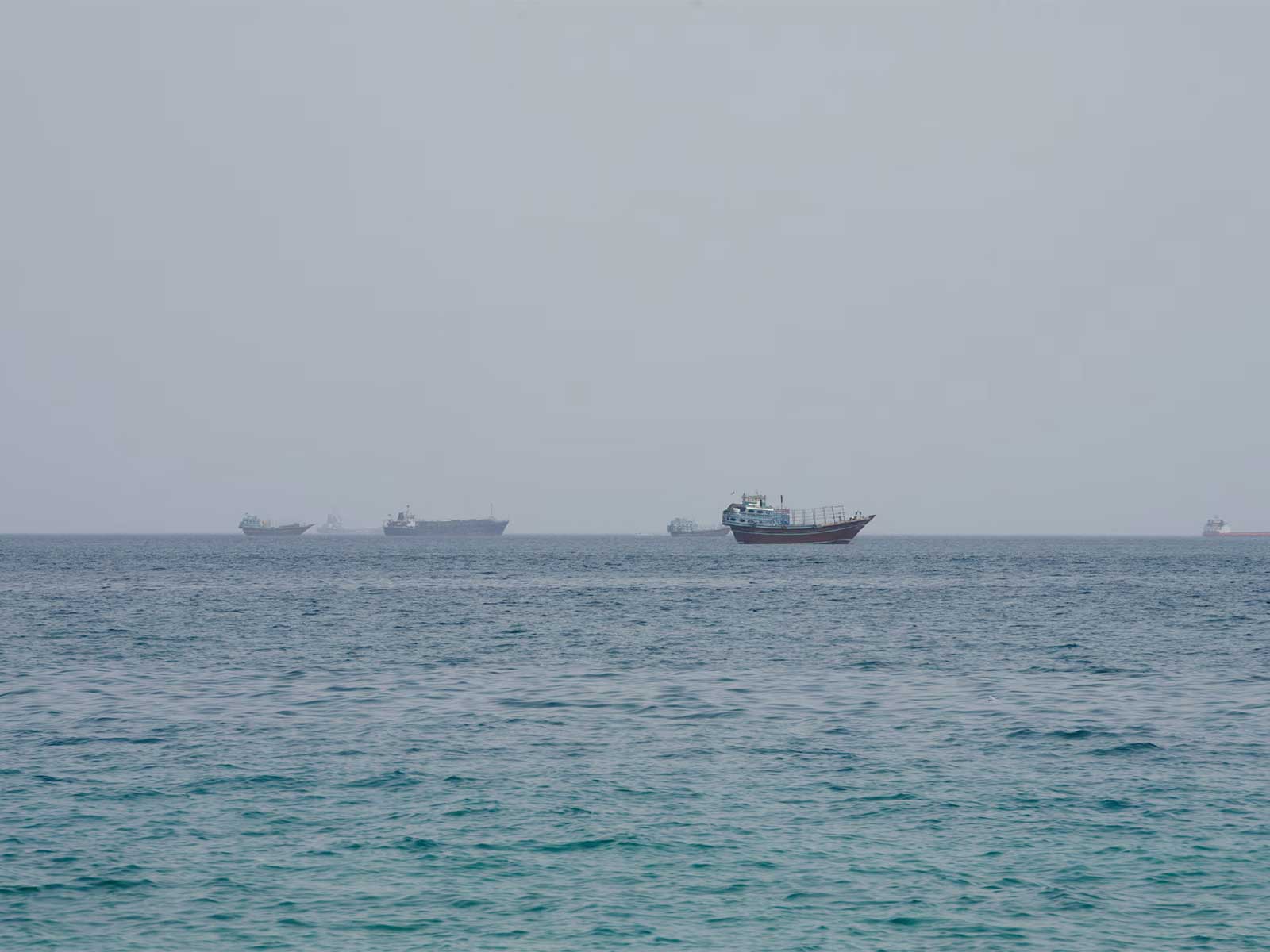
Kuwait has treated the possibility of ground operations seriously. In early May, the country stated that its security forces had intercepted six Revolutionary Guard personnel who had used a rented fishing vessel to land on a Kuwaiti island, according to the report.
Additionally, some Iranian political figures have indicated that the Revolutionary Guard could initiate ground raids through southern Iraq if the US threatened strategic Iranian territory, such as Kharg Island. The potential for military operations against nations hosting US military bases introduces another dimension to Iran's operational posture as the conflict persists.
These preparations have coincided with a structural reorganisation of Iran's security apparatus. Supreme Leader Mojtaba Khamenei has positioned experienced security and military figures in key roles, while the Revolutionary Guard has secured broader influence over the regular armed forces.
New Revolutionary Guard Commander-in-Chief Ahmad Vahidi was formally assigned the position and tasked with executing "powerful offensive operations against the enemy," according to the decree cited by the WSJ. The following day, Gen Mohammad Reza Naghdi, an adviser to Vahidi, stated that the paramilitary force must remain prepared to take operations into enemy territory.
Iran's leadership has concurrently intensified internal security measures amidst concerns that economic decline and continued US pressure could provoke renewed domestic unrest.