TRAI relaunches 'MyCall' App, lets consumers rate voice call quality in real time
Aug 03, 2026
New Delhi [India], August 3 : The Telecom Regulatory Authority of India (TRAI) on Monday launched a revamped version of its "TRAI MyCall" mobile application, allowing telecom consumers to directly rate and report their voice-calling experience, as the regulator looks to blend consumer feedback with technical network data for a more rounded assessment of service quality.
TRAI MyCall is a citizen-facing platform that lets users share real-time feedback on voice calls along with relevant network parameters.
This feedback is made visible, in anonymised form, to both Telecom Service Providers (TSPs) and TRAI, giving operators insight into where network performance needs improvement, and giving the regulator an evidence base to assess Quality of Experience (QoE) alongside the technical Quality of Service (QoS) parameters it already monitors.
With over a 1.3 billion telecom subscribers in India, voice calling remains the most fundamental telecom service and, for most users, the first indicator of network quality.
TRAI said the app is designed to bridge the gap between technical performance metrics and what consumers actually experience on calls.
Key features of the revamped app include Instant call ratings on a simple 1-5 star scale, Reporting of specific issues such as call drops, echo, audio delay, cross-connection, voice breaking, one-way audio, and delayed call connection, which are routed to the relevant service provider for corrective action.
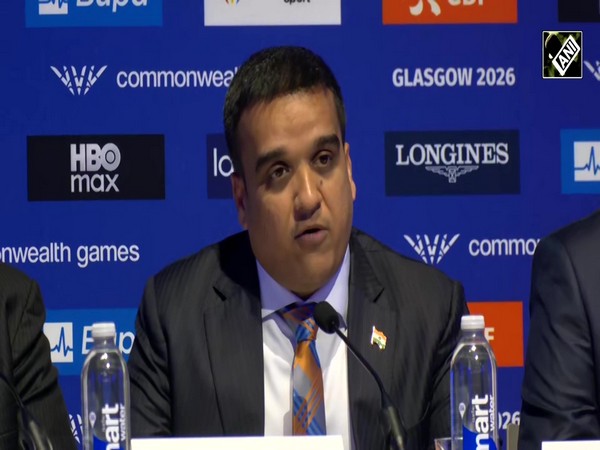
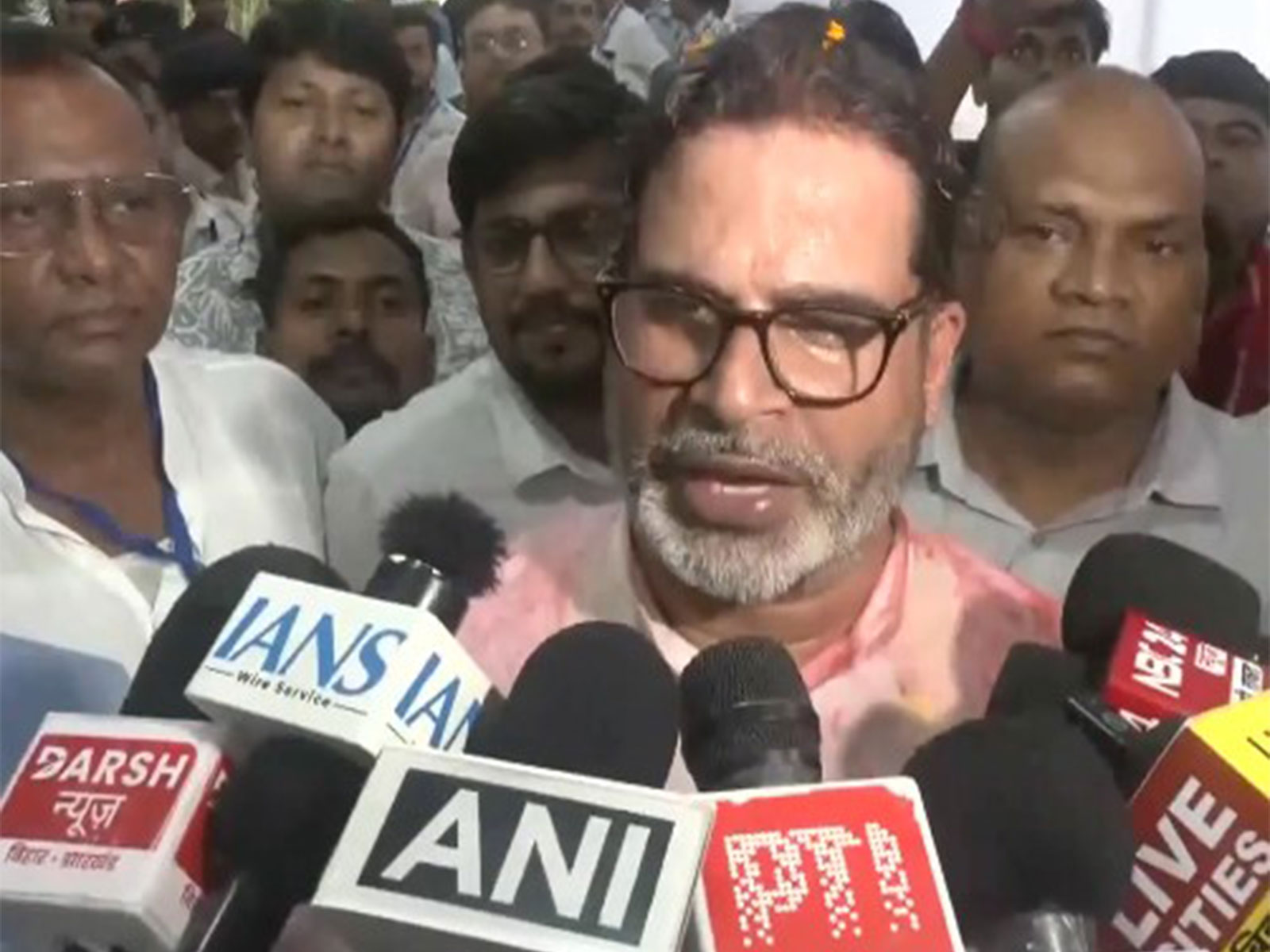
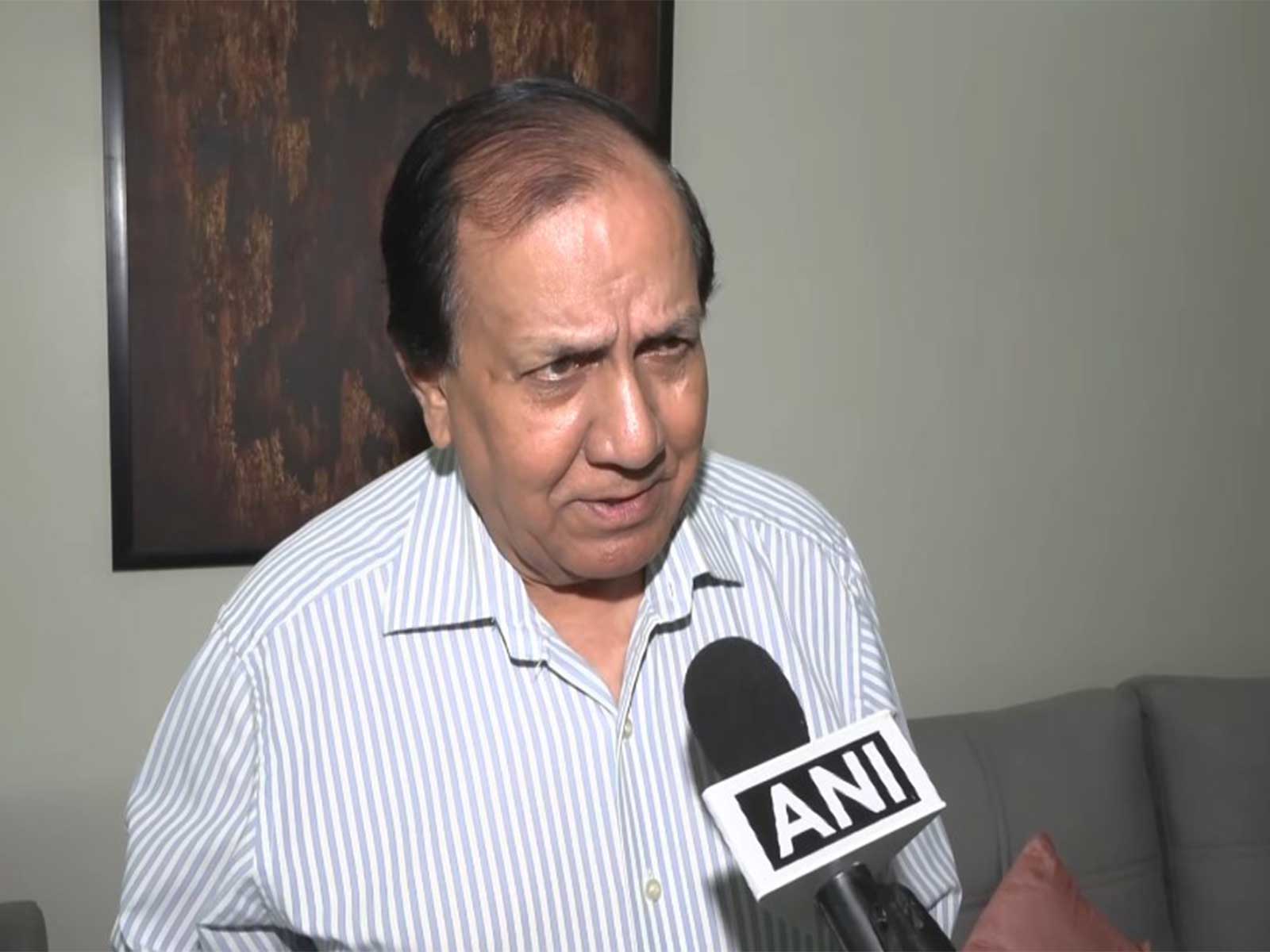
Speaking at the launch, TRAI Chairman Anil Kumar Lahoti said every telecom consumer experiences network quality first-hand, and that the revamped app would strengthen consumer participation by enabling subscribers to share immediate, perceived feedback on their call experience.
He said the data would help service providers identify network deficiencies and take corrective action, ultimately improving customer satisfaction and the overall calling experience.
Lahoti described the initiative as reinforcing TRAI's commitment to a consumer-centric, transparent, and data-driven approach to telecom quality, and urged mobile users to download the app and share feedback regularly, saying "every feedback matters."
In his address, Lahoti noted that TRAI has, over the years, built a comprehensive QoS framework comprising regulatory standards, periodic TSP reporting, independent drive tests, and other monitoring mechanisms. Actual consumer experience, he said, adds another critical dimension reflecting how networks perform under real usage conditions, which complements technical measurements.
He said aggregated insights from the app would help identify recurring network issues across different regions and usage conditions, and would feed into TRAI's broader QoS monitoring framework.
Lahoti also placed MyCall within a wider family of consumer-facing TRAI applications, alongside TRAI MySpeed, which lets users measure and report actual broadband speeds, and TRAI DND (Do Not Disturb), which allows consumers to register preferences against unwanted commercial communication and report violations.
Together, he said, these tools reflect TRAI's ongoing effort to use consumer data for evidence-based regulation.
Responding to questions from reporters, Lahoti clarified that use of the app remains entirely voluntary. "Consumer is the king," he said, adding that TRAI has no plans to integrate the feedback mechanism into phone calling apps or make it mandatory.
On whether the feedback data could trigger punitive action against operators, he said the app's data would complement operators' own network data and TRAI's periodic monitoring, and would be taken up with service providers where problem areas are identified including, where relevant, seeking action plans.
However, he clarified that punitive action would continue to be based on objective, measurable technical parameters generated through TRAI's network monitoring and drive tests, not on app-based feedback alone.
On a separate question regarding IP-based interconnection, Lahoti said the MyCall app itself has no bearing on the type of interconnection technology used by operators, functioning purely as a feedback tool on signal strength and call experience.
He noted that the broader issue of mandating IP-based interconnection is already part of TRAI's ongoing consultation on the review of interconnection regulations, and that a regulatory framework on the matter would follow separately.
The TRAI MyCall application is available for Android devices on the Google Play Store.