"International pressure on Pakistan should be put": Former diplomat Surendra Kumar on PoJK unrest
Aug 03, 2026
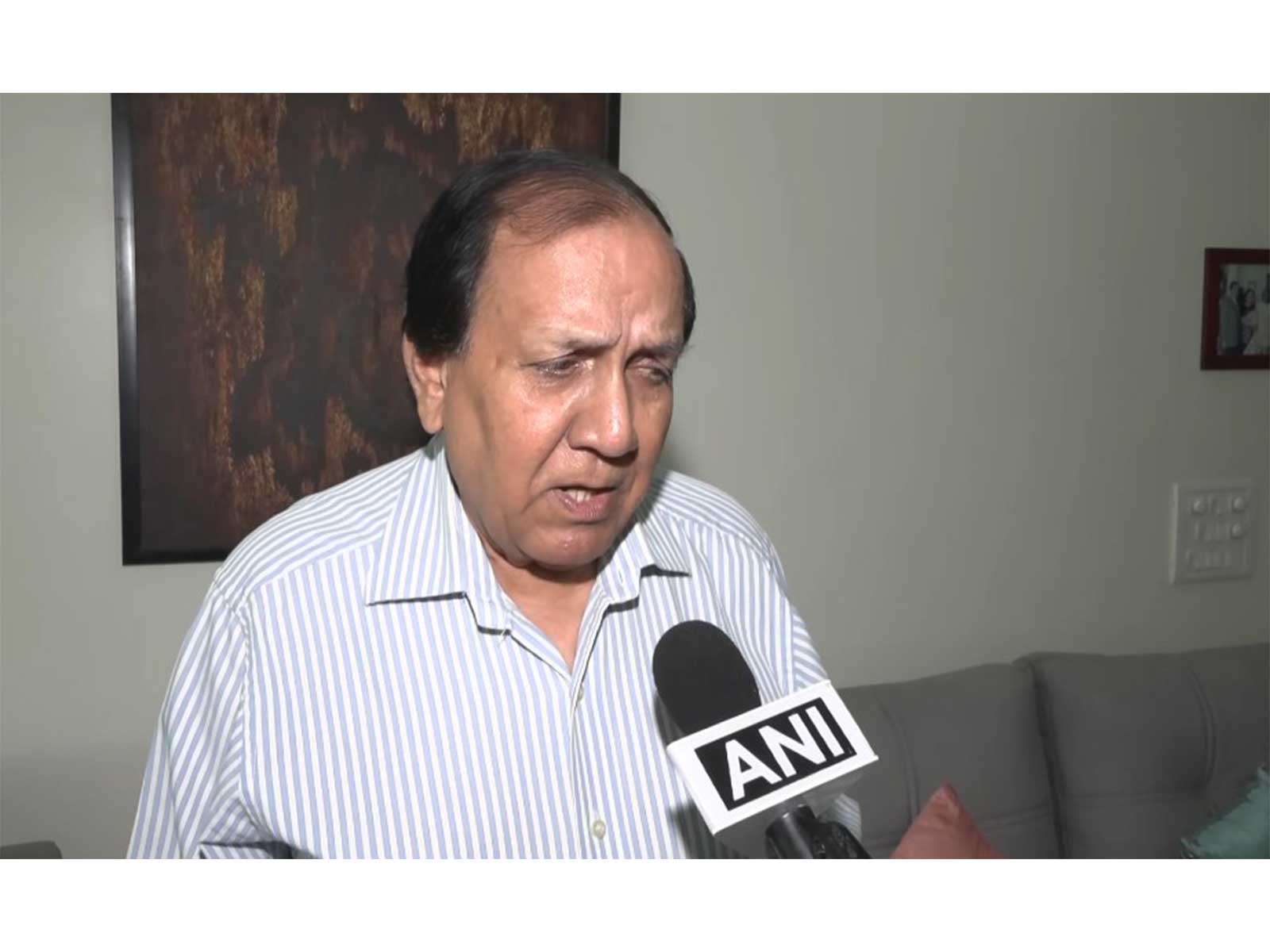
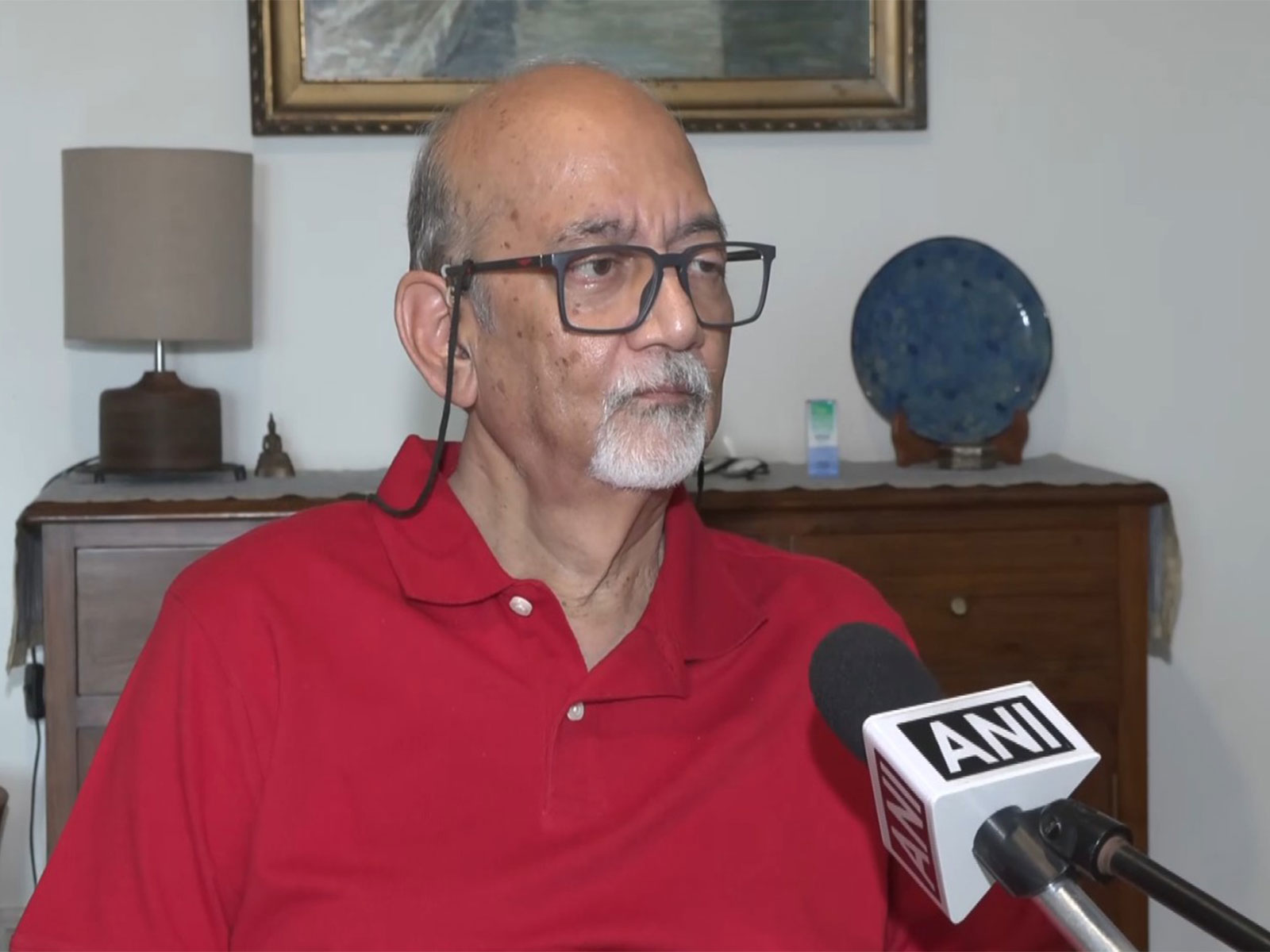
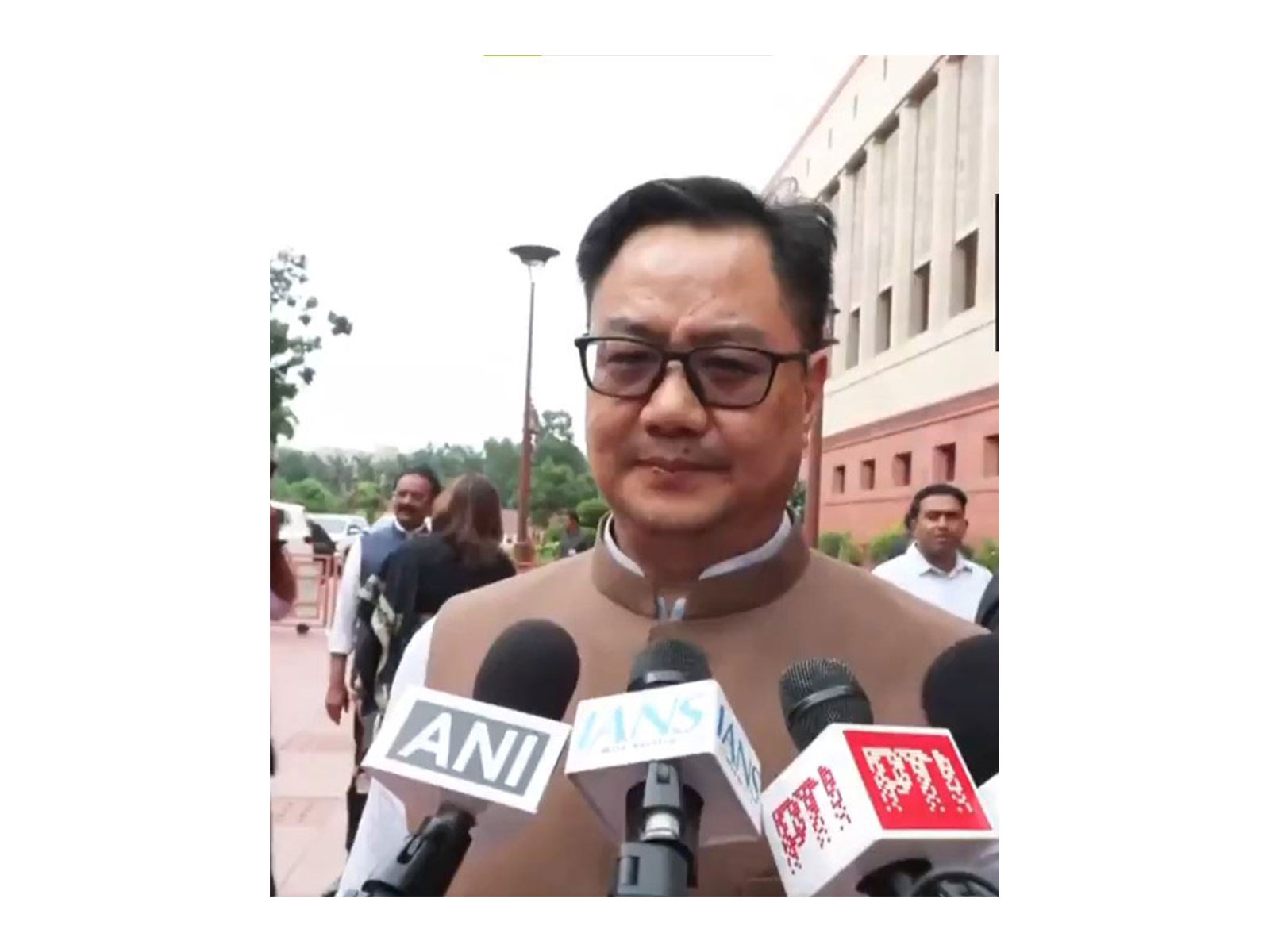
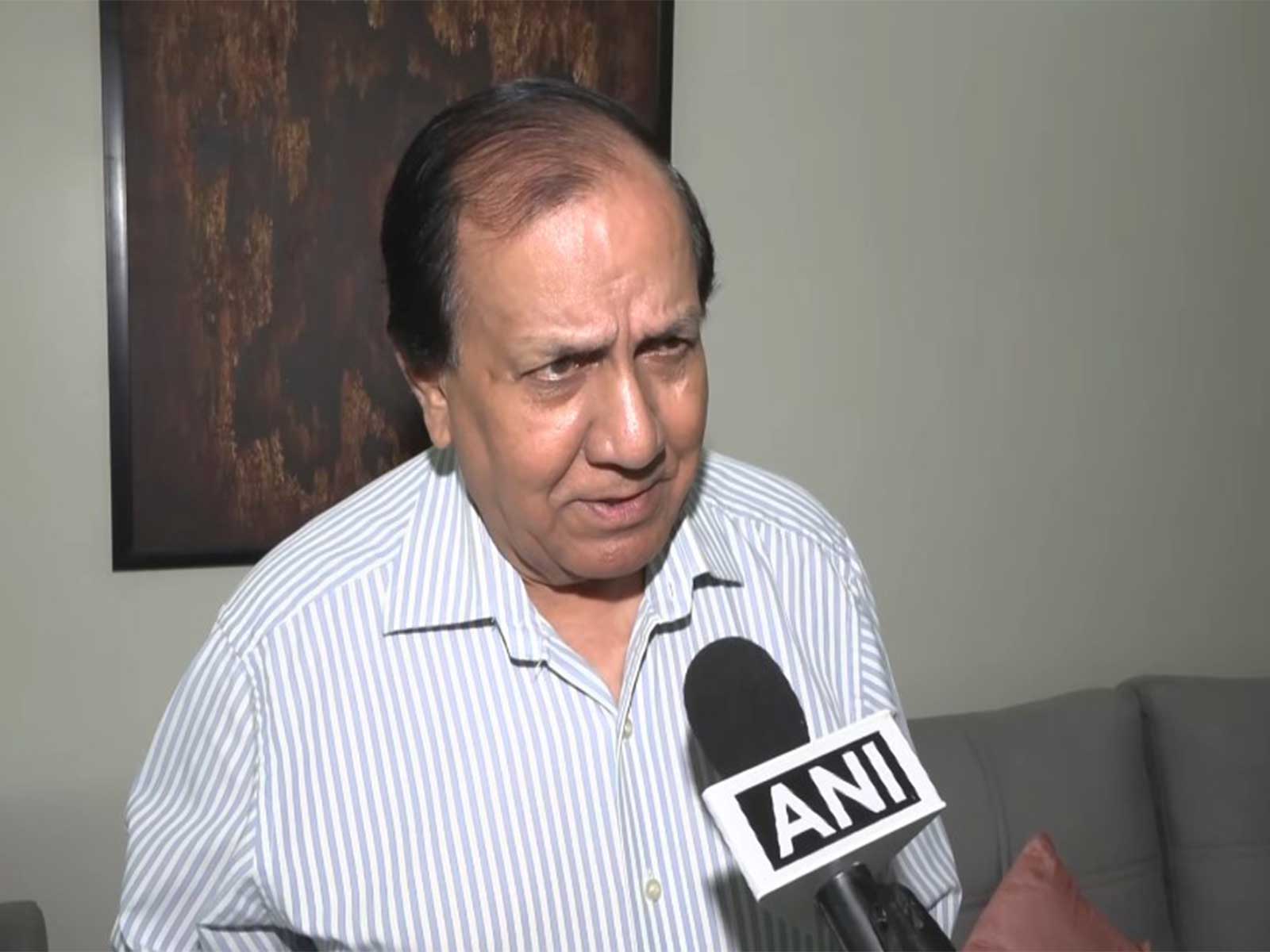
New Delhi [India], August 3 : Former senior diplomat Surendra Kumar has called for international pressure on Pakistan over the ongoing unrest in Pakistan-occupied Jammu and Kashmir (PoJK), condemning the reported use of force against protestors and urging the global community to be more vocal in addressing the situation.
Speaking to ANI, Kumar said the situation was "serious business" and expressed concern over the reported use of live ammunition and deployment of security personnel during the protests.
Kumar said, "Now this is serious business. All the visuals on television are horrific. The kind of violence they're using. There have been live ammunition they have used. They have taken thousands of soldiers there, and they're killing hundreds of people have been killed."
He said the international community, including the United Nations and European countries, had been cautious in responding to the developments, while pointing to remarks by the UN Human Rights Chief Volker Turk on alleged violations.
"I think the UN is taking position well, it's an internal matter we don't want to interfere with. Europeans are also very cautious; they're not saying. But the UN Human Rights Chief, he has said there is violation, we must intervene, we must really have some kind of sanction against them," he said.
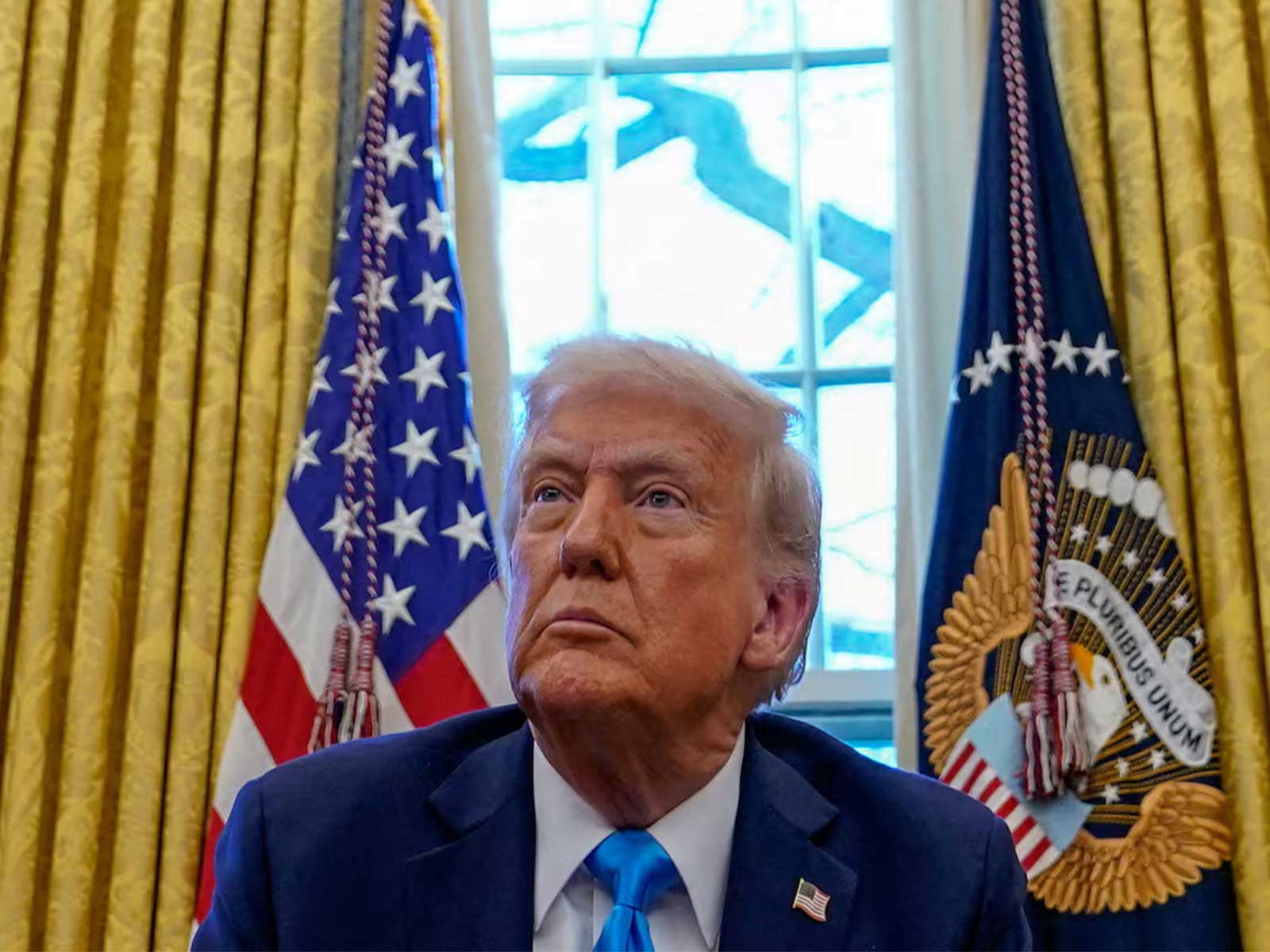
Kumar also referred to demonstrations by the Kashmiri diaspora in the United States, saying greater international pressure was needed to compel Pakistan to stop the violence.
"There has been, I think, the Kashmiri diaspora in the USA; they have been demonstrating, I think demonstrate outside the White House and demanding some intervention. I personally feel international pressure on Pakistan should be put so they should stop this. This is something which we can't tolerate," he said.
The former diplomat also accused the international community of applying different standards when addressing Kashmir-related issues involving India and Pakistan.
"They keep on talking about India, but when Pakistan comes, they have a different standard. Every time on Kashmir they will raise but what about Pakistan? You must be much more vocal in condemning them," Kumar said.
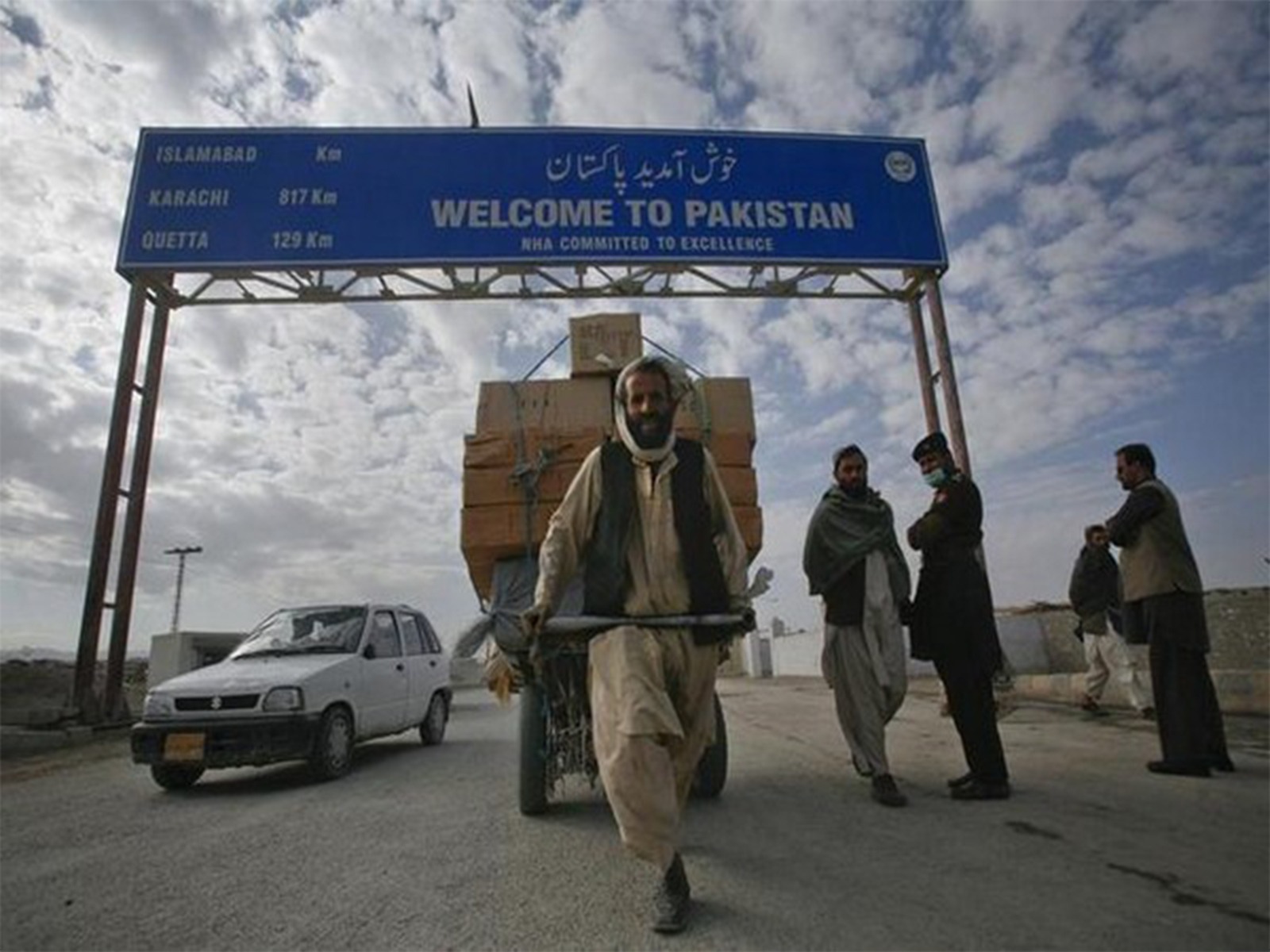
Kumar also spoke about Pakistan's strained relations with Afghanistan, saying Islamabad had expected the Taliban's return to power after the US withdrawal to provide it with strategic depth and influence.
"The Taliban was born though in Pakistani madrasas, though formally launched in Kandahar in 1994. But all madrasas are ones that really gave the Taliban, which means students; they were trained there, given weapons there, given money there, they're supported by," he said.
"When the Taliban really got hold of or got the power after American withdrawal, Pakistan thought they had strategic depth. They will be the back-seat driver. That didn't happen," he added.
Kumar said Pakistan was now concerned about the Taliban's efforts to build closer relations with India. "Now their problem is that they are really finding that this Taliban whom we supported, today is trying to have better relations with India," he said.
Calling the situation a matter of "realpolitik", Kumar said Afghanistan's engagement with India was driven by its national interests and that Pakistan should adopt a more realistic approach.
"In fact, this is a kind of realpolitik. Your interest lies if India is really having relations with Afghanistan because we think this is our national interest, and the same is true for Afghanistan. Afghanistan want to have some relation with India because it serves their purpose," he said.
Kumar added, " And Pakistan should be more realistic; then certainly they can have better relations."