Protest movements exposed how Pakistan has treated Kashmiris on its side: Former Iranian envoy Dinkar Srivastava
Aug 03, 2026
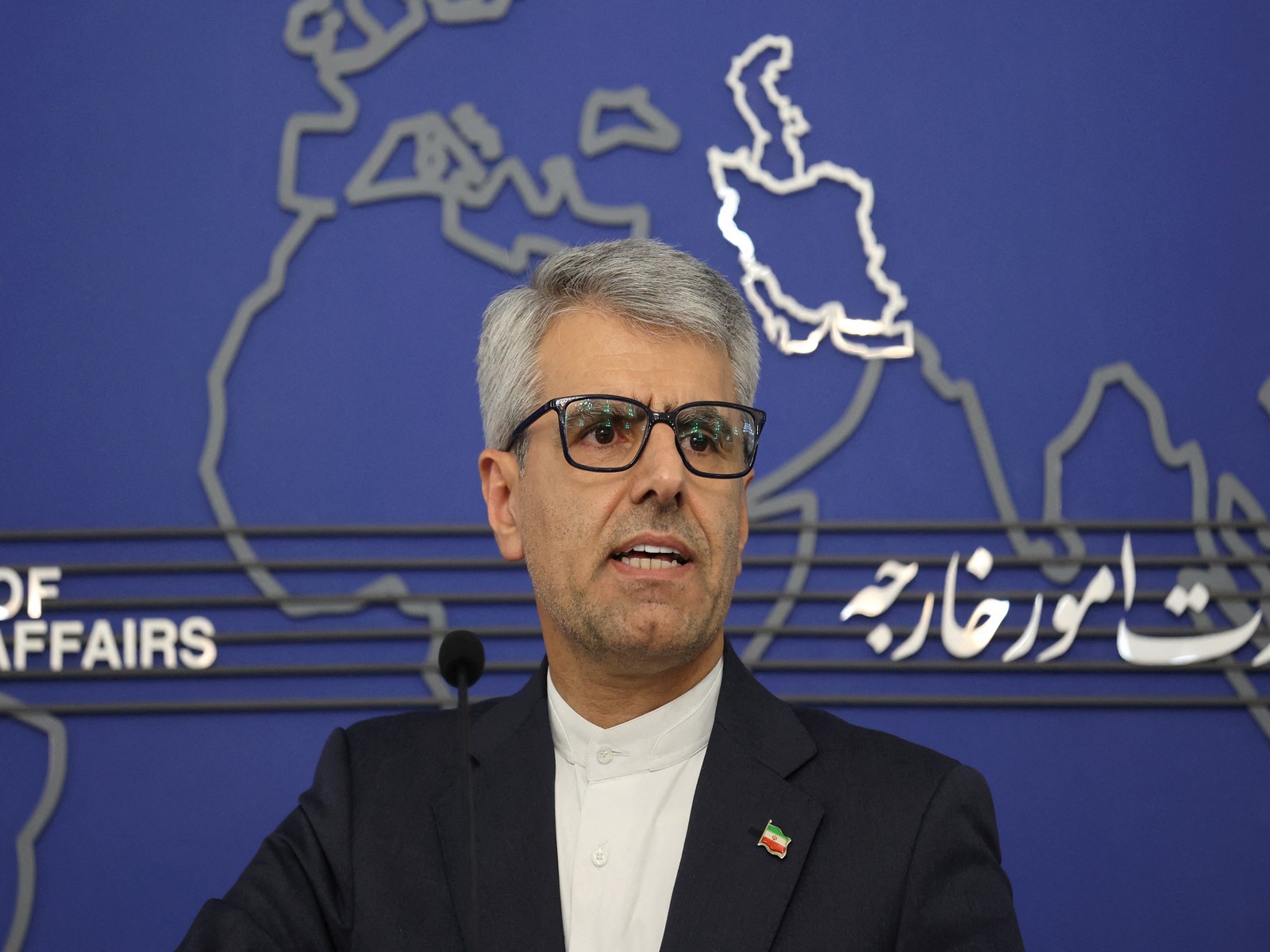
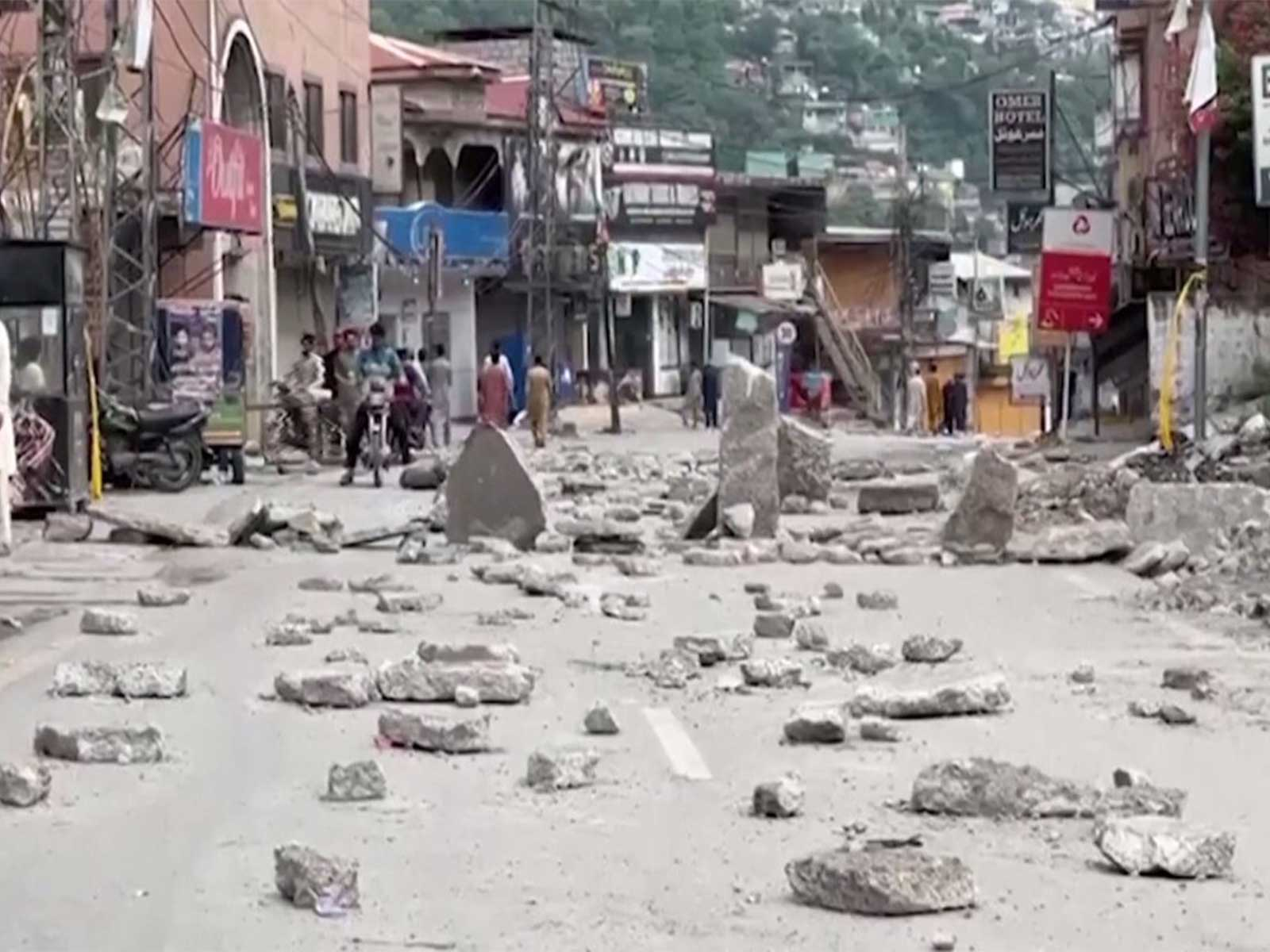
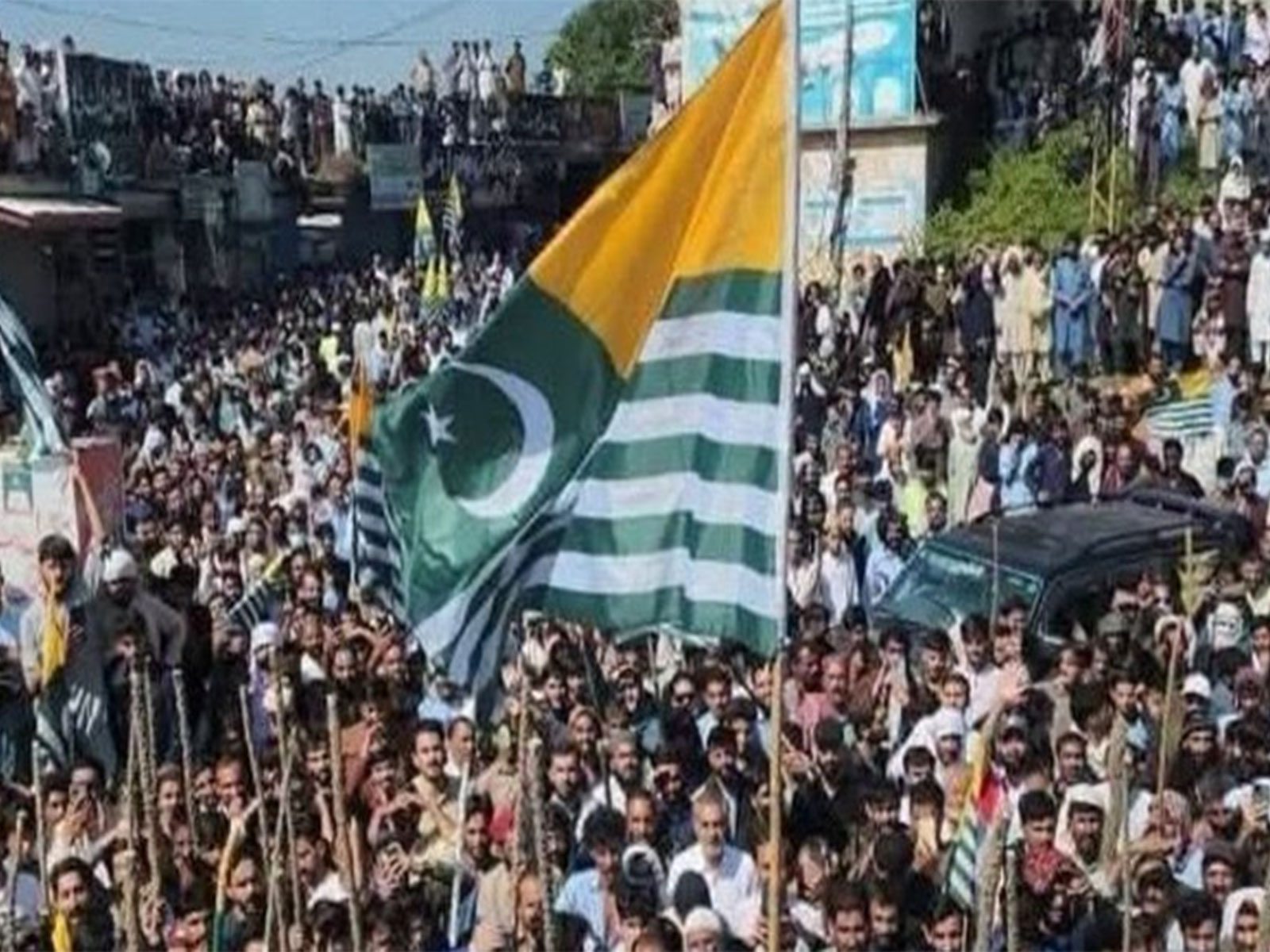
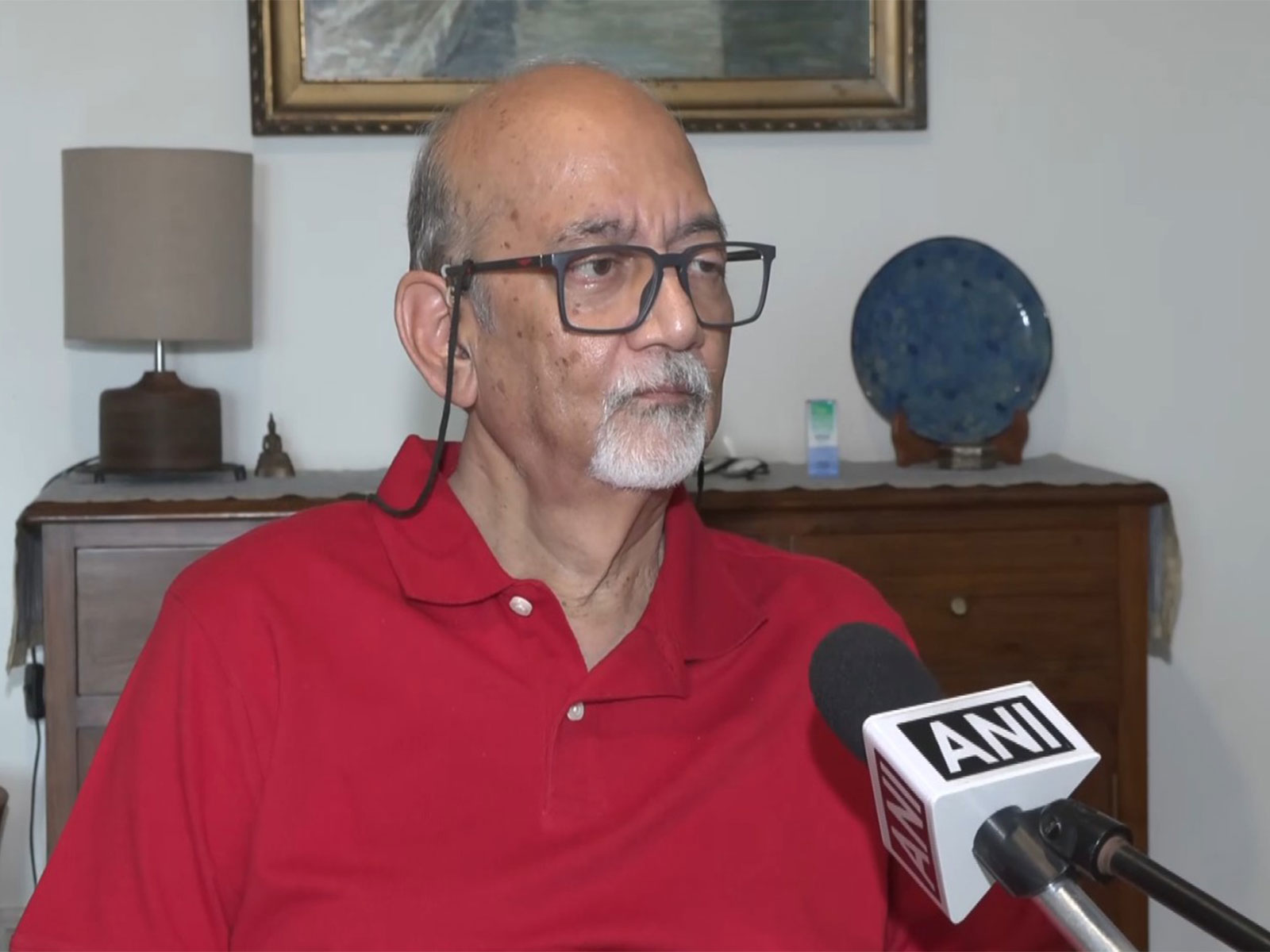
New Delhi [India], August 3 : Former Indian Ambassador to Iran Dinkar P Srivastava on Monday launched a sharp critique of Pakistan's handling of ongoing civil unrest in Pakistan-occupied Jammu and Kashmir (POJK), condemning Islamabad's military response and changing rhetoric toward local demonstrators.
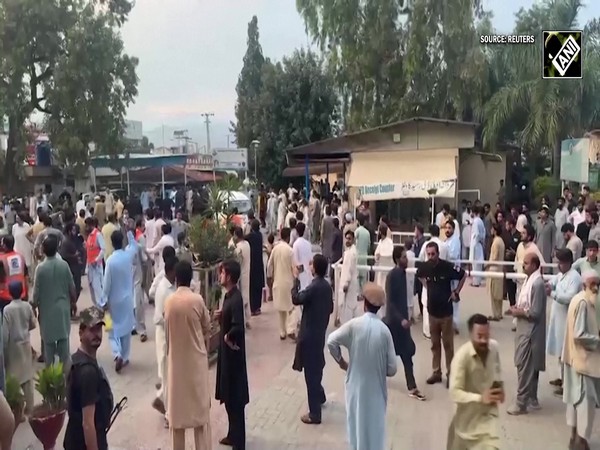
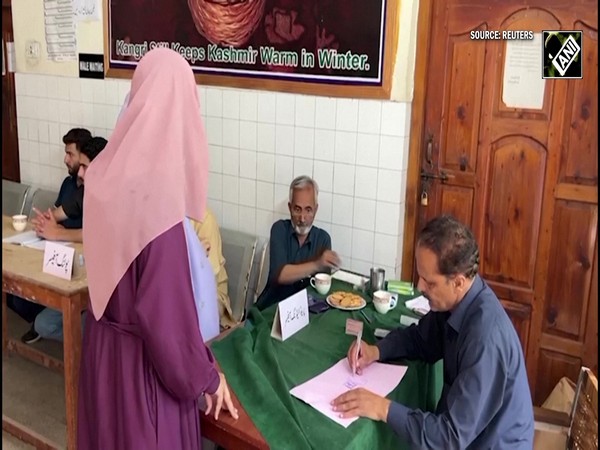
Speaking with ANI, Srivastava pointed to a stark shift in Islamabad's official narrative regarding protesters in regions such as Mirpur and Rawalakot amid the ongoing assembly elections. He noted that Pakistani officials initially sought to distance themselves from the local population when protests erupted over living conditions and civil grievances.
"The first statement on the protest came from Pakistan's Defense Minister who described people of Mirpur and Rawalakot as not being Kashmiris," Srivastava said, highlighting the contradiction in Islamabad's long-standing reliance on the diaspora community to advocate its geopolitical position on Kashmir. "Now once the Mirpuris start asking about the condition of their kith and kin, their families within POK, suddenly you wake up and you say... you declare them as non-Kashmiris."
He further cited subsequent remarks from the same minister bracketing the demonstrators with India and labelling them "enemies of Pakistan," which was followed by lethal military force.
Citing figures from the Human Rights Commission of Pakistan, Srivastava detailed the escalation in fatalities, noting that initial security forces' firing eventually surpassed 80 deaths.
"So the firing and early June resulted in 15 deaths. By 22nd July the numbers had risen to 57 people killed according to a report of Human Rights Commission of Pakistan and that number has gone up further to 80 people. Now 80 people killed in a small territory of 3 million population you can imagine the impact," he emphasised.
When asked about the driving forces behind the escalating civilian protests spilling into Islamabad, Ambassador Srivastava explained that the unrest exposes decades of economic neglect and systematic electoral rigging by Pakistan's central authorities.
Srivastava noted that public anger stems from acute economic hardship, dating back to basic shortages like flour in 2022, as well as severe price disparities in essential utilities like water and electricity. He pointed out that Islamabad pays 1.10 rupees per unit of water to people in Punjab and Khyber Pakhtunkhwa, compared to just 15 paisa to residents of Kashmir.
Crucially, Srivastava highlighted the constitutional manipulation surrounding "reserved seats" for non-resident Kashmiris, which Islamabad uses to control regional politics:
"These protest movements have exposed how Pakistan has treated Kashmiris on its side of the line of control," Srivastava said, pointing to the disproportionate allocation of 20 out of 53 seats in the POK legislature reserved for a minor population spread across Pakistan. "This block of 25 per cent of seats is used by Islamabad to bring the party of its choice to power in PoK... And conversely, there's a complete marginalisation of regional parties in POK."
He contrasted this with the Indian side of Kashmir, where regional parties have democratically governed for over half a century. It is this profound "sense of marginalisation," Srivastava concluded, that has pushed the local population to confront the military directly, despite violent crackdowns, bans on groups like the Joint Awami Action Committee, and widespread electoral boycotts that have stripped the local administration of all legitimacy.