Iran-Oman shipping understanding does not mean reopening of Strait of Hormuz: Iran Foreign Ministry
Aug 03, 2026
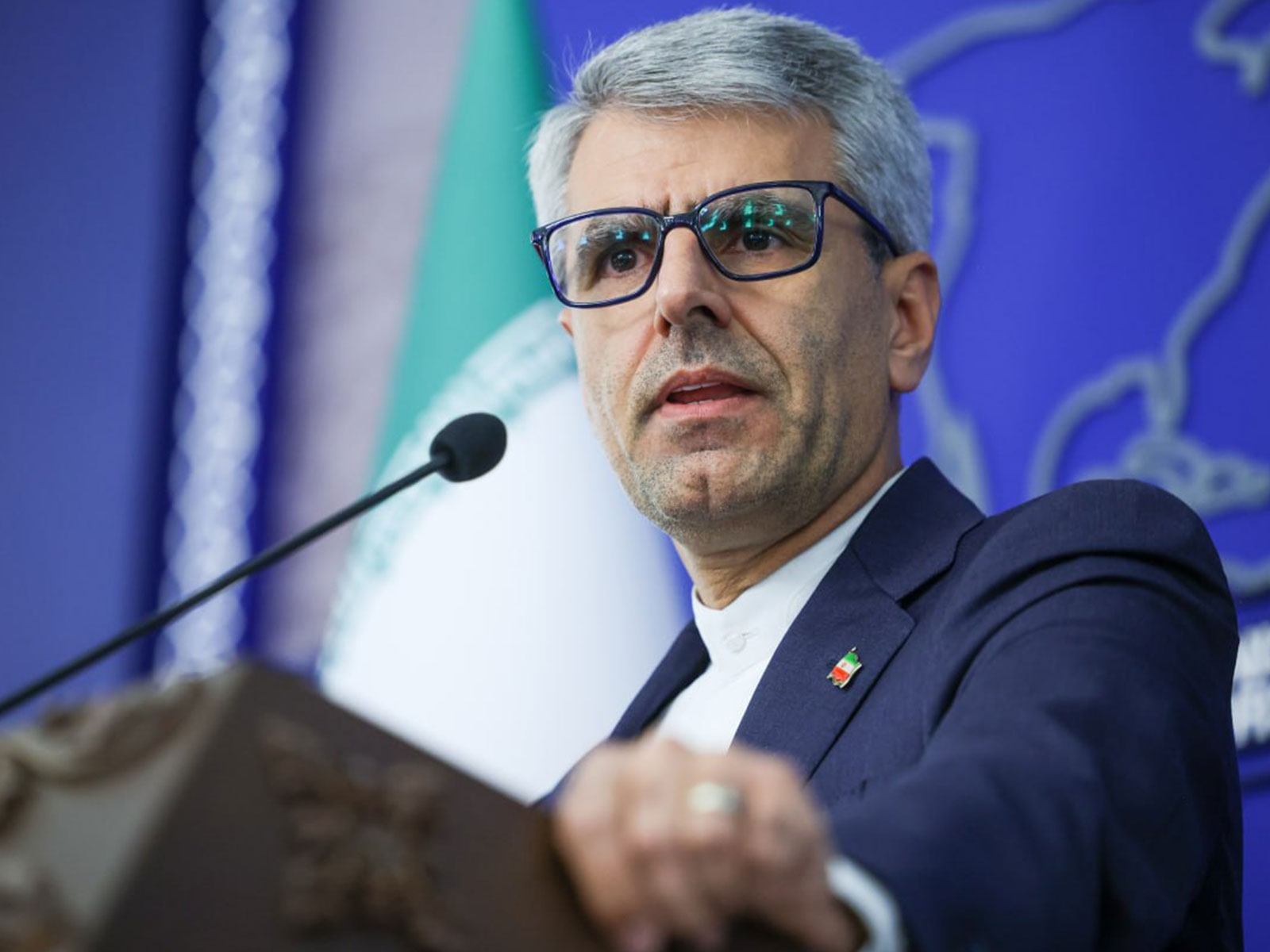
Tehran [Iran], August 3 : Iranian Foreign Ministry spokesperson Esmaeil Baghaei said on Monday that an understanding reached between Iran and Oman on a new maritime traffic route through the Strait of Hormuz is merely a technical prerequisite to regulate safe vessel passage and does not signal the reopening of the strategic waterway,
Speaking in an interview with IRIB News Network and reported by Press TV, Baghaei made clear that the continued closure of the Strait is a direct consequence of Washington's violations, naval blockade, and ongoing hostile actions against the Islamic Republic.
"The understanding with Oman regarding a new shipping lane is solely a prerequisite for regulating maritime traffic. It does not mean the reopening of the Strait of Hormuz," Baghaei stated. "The strait remains closed because of American treaty-breaking, the naval blockade of Iran, and the series of disruptive actions Washington has carried out against the Islamic Republic."
Dismissing recent threats and rhetoric from US officials, Baghaei stressed that Iran operates strictly according to its own national security priorities and will not alter its stance under external pressure.
"Iran will under no circumstances be influenced by the heated statements of others. Our national interests and priorities will not be dictated by American officials' threats," Press TV reported Baghaei as saying.
The spokesman noted that bilateral talks with Oman over a safe maritime route began following the April 8 ceasefire memorandum and intensified after the June 18 agreement. Both nations are currently negotiating a new Traffic Separation Scheme (TSS) to replace both the former northern route and the insecure southern route, Press TV reported.
"There is absolutely no intention of returning the situation in the Strait of Hormuz to the conditions that existed before Esfand 9 (May 30)," he underlined. "We have endured an extremely difficult experience over these past months. We must therefore ensure that Hormuz is not abused by the aggressor parties against us. This requires a mechanism in which Iran's sovereign rights are fully observed. Our talks with Oman are purely bilateral and concern no one else."
Baghaei added that while technical negotiations with Oman have progressed positively, they remain entirely distinct from decisions regarding the Strait's ultimate reopening.
"The negotiations so far have been progressing positively, and the Omani side has shown good cooperation. However, the Iran-Oman understanding on a new route has nothing to do with whether the Strait of Hormuz is reopened or remains closed. It is a necessary condition, but not a sufficient one. The reopening of the strait is an entirely different equation," he stated, according to Press TV.
Highlighting recent US military strikes on Iranian infrastructure, including residential areas on Qeshm Island, Baghaei confirmed that Iranian diplomats have issued firm warnings to regional neighbours and third countries, including recent contacts with Bulgaria, the UK, and Ukraine, against permitting their bases or facilities to be used for American military operations against Iran.
Referencing international legal frameworks, Baghaei warned that any state facilitating US aggression will be treated accordingly under the right of self-defence, Press TV reported.
"The United Nations General Assembly resolution defining aggression clearly states that providing bases, military facilities, or logistics to an aggressor places that country in the ranks of the aggressor itself," he explained. "In such circumstances, the country under attack is entitled to exercise its inherent right of legitimate self-defense to protect its security and national interests."
Underscoring Tehran's unified stance, the Iranian President Masoud Pezeshkian also emphasised the strategic importance of the 14-point Islamabad MoU to highlight the domestic consensus behind the move.
In a post on X, Pezeshkian wrote, "The memorandum that was signed is the result of the collective wisdom of Shura Council's members, and all members are in sympathy with it. I believe this memorandum will be the center of gravity of our foreign relations in the future. We must strive to compel the enemy to remain committed to what it has signed. The security of the country, the region, and our allies will be enhanced by this memorandum."
Meanwhile, mediators are attempting to reactivate a memorandum of understanding between Iran and the United States to secure the reopening of the Strait of Hormuz, Israeli media reported on Sunday.
The diplomatic push comes a day after US President Donald Trump stood down a major military strike against Iran, stating that Tehran had consented to open the critical maritime corridor.