Trump open to immigration deal, rules out amnesty
Nov 10, 2026
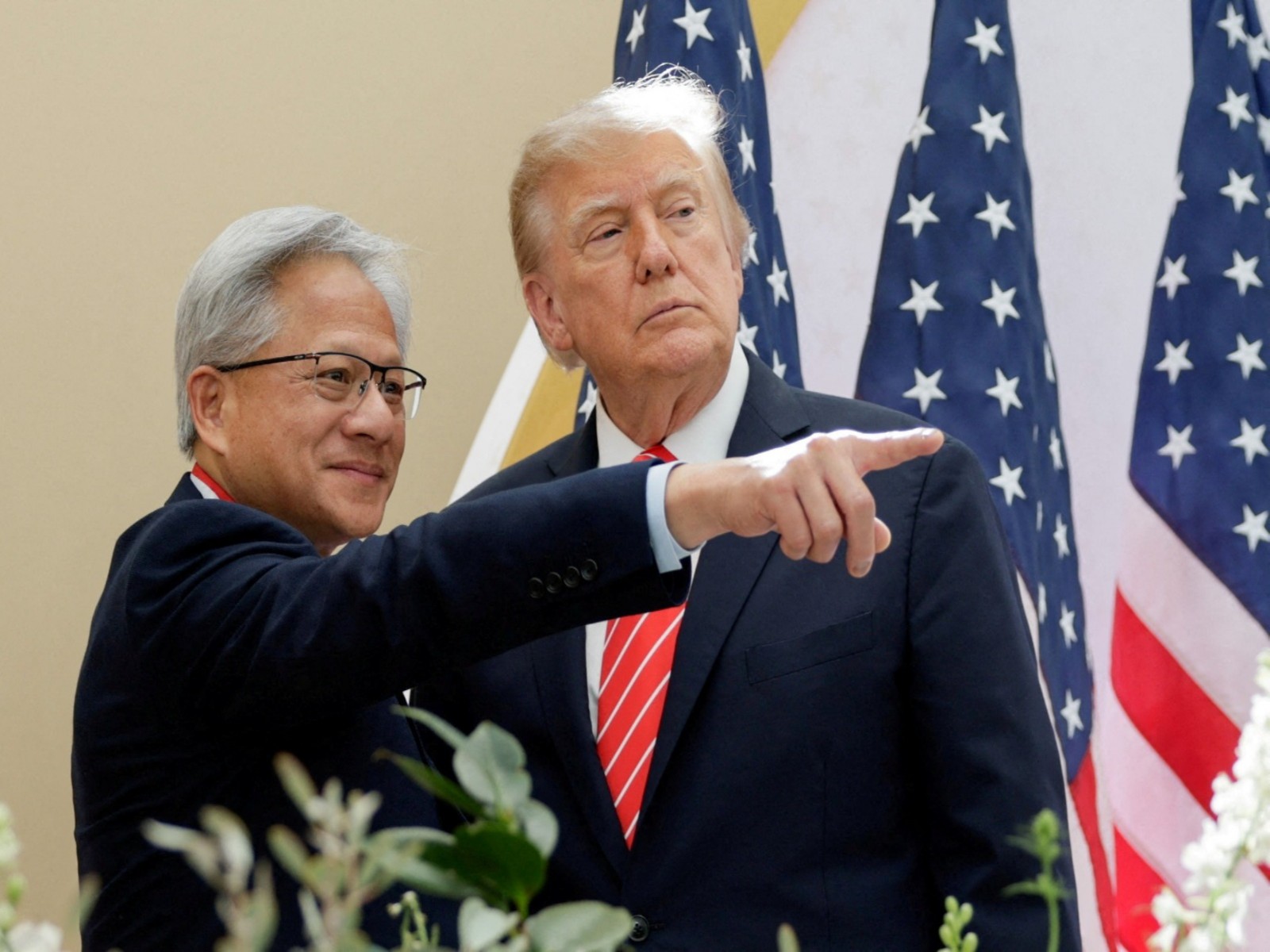
Washington, DC [US], November 10 : US President Donald Trump has expressed a willingness to pursue an immigration agreement with Democratic legislators while firmly ruling out any form of amnesty, alongside endorsing a bipartisan permitting measure while rejecting wind energy infrastructure.
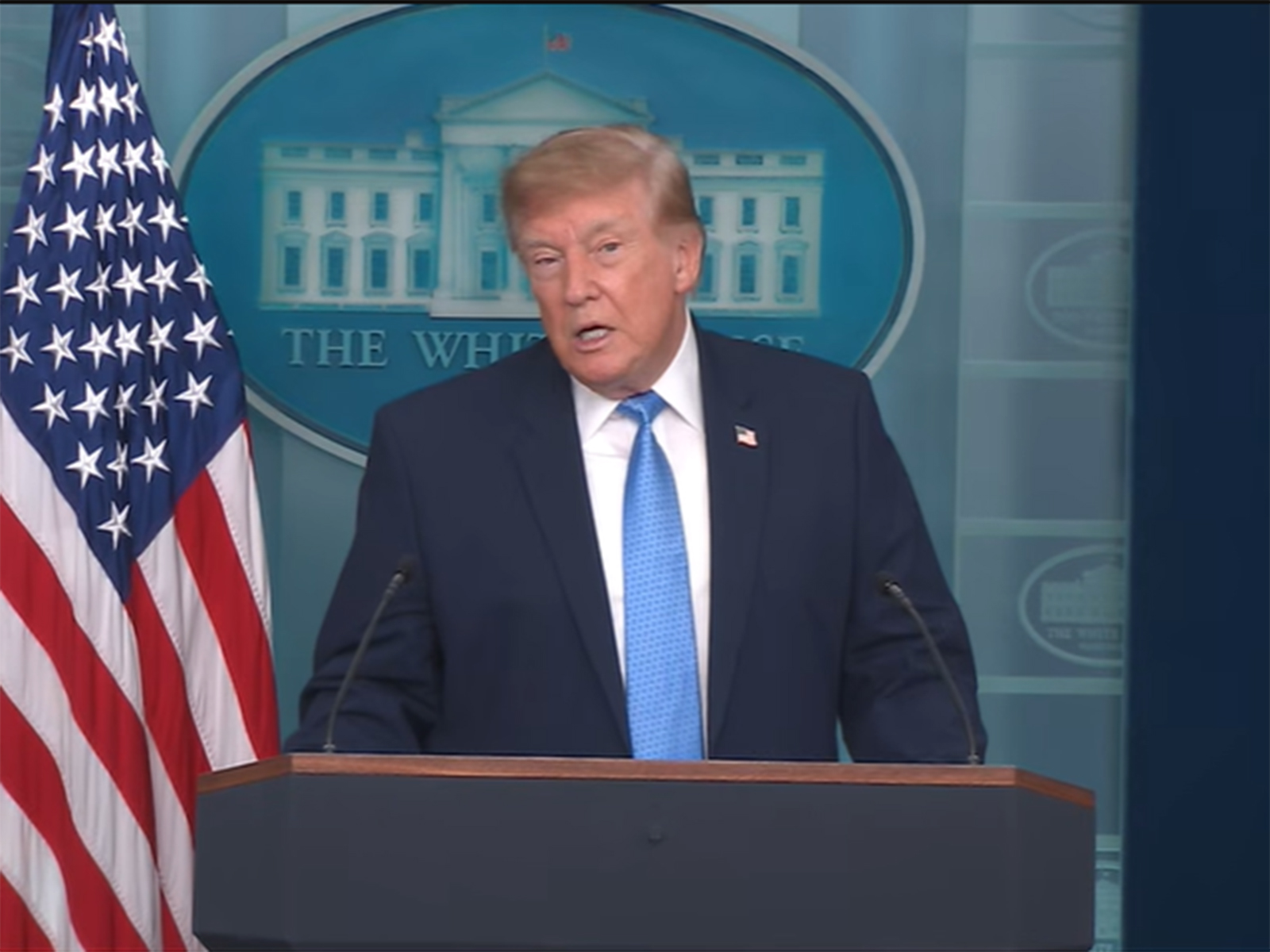
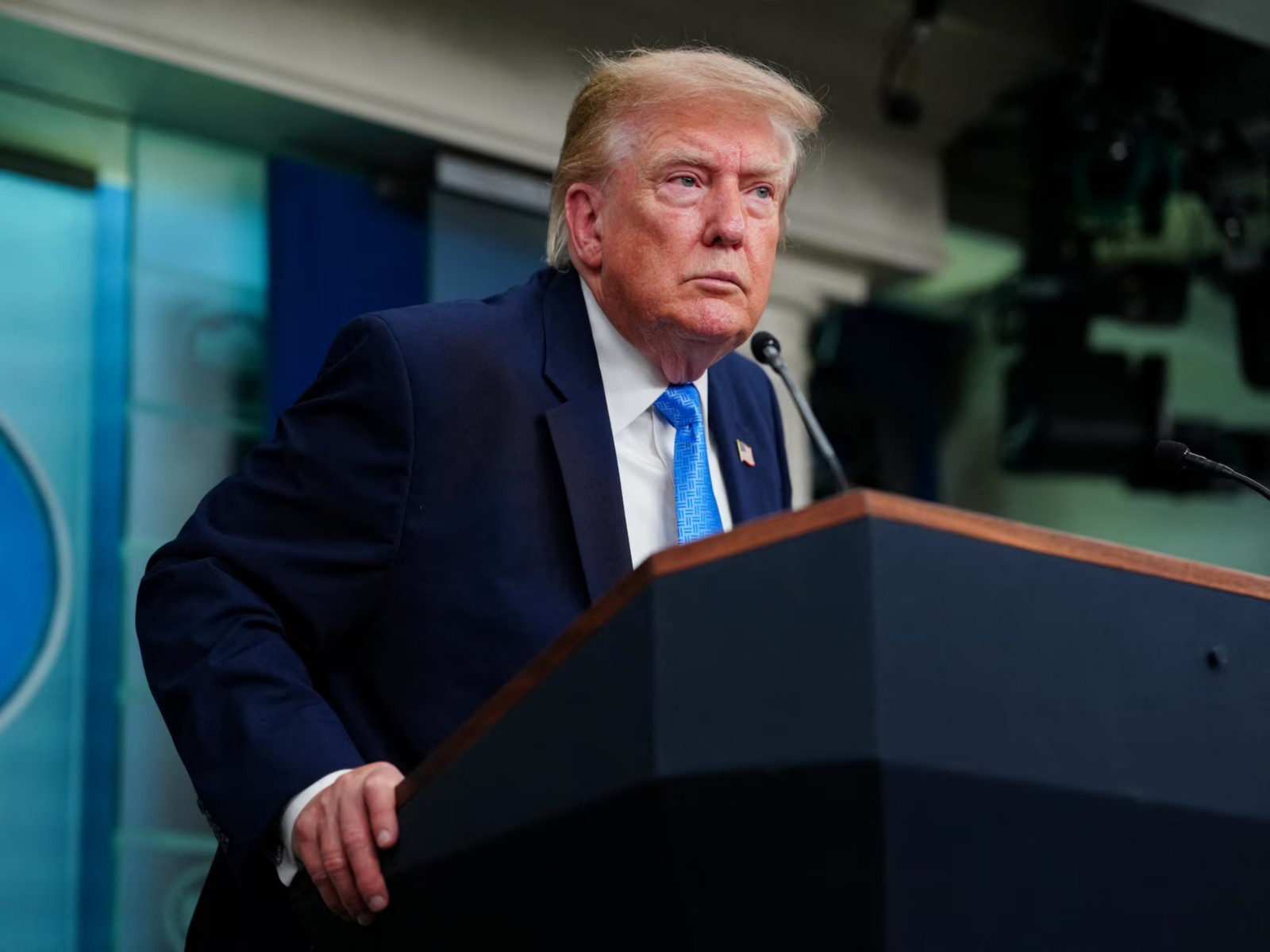
Addressing journalists during an impromptu White House press conference, Trump provided minimal specifics regarding a potential immigration compromise. The remarks formed part of a wide-ranging dialogue that also addressed military operations, electoral disputes and developments involving Cuba.
When queried on whether a legislative accord concerning immigration could be forged with Democrats, Trump stated: "We're not going to have amnesty or anything."
He insisted that individuals must adhere to established legal procedures, maintaining that bypassing standard pathways would be inequitable to others. The president omitted any outline regarding eligibility criteria, implementation schedules or specific negotiating terms.
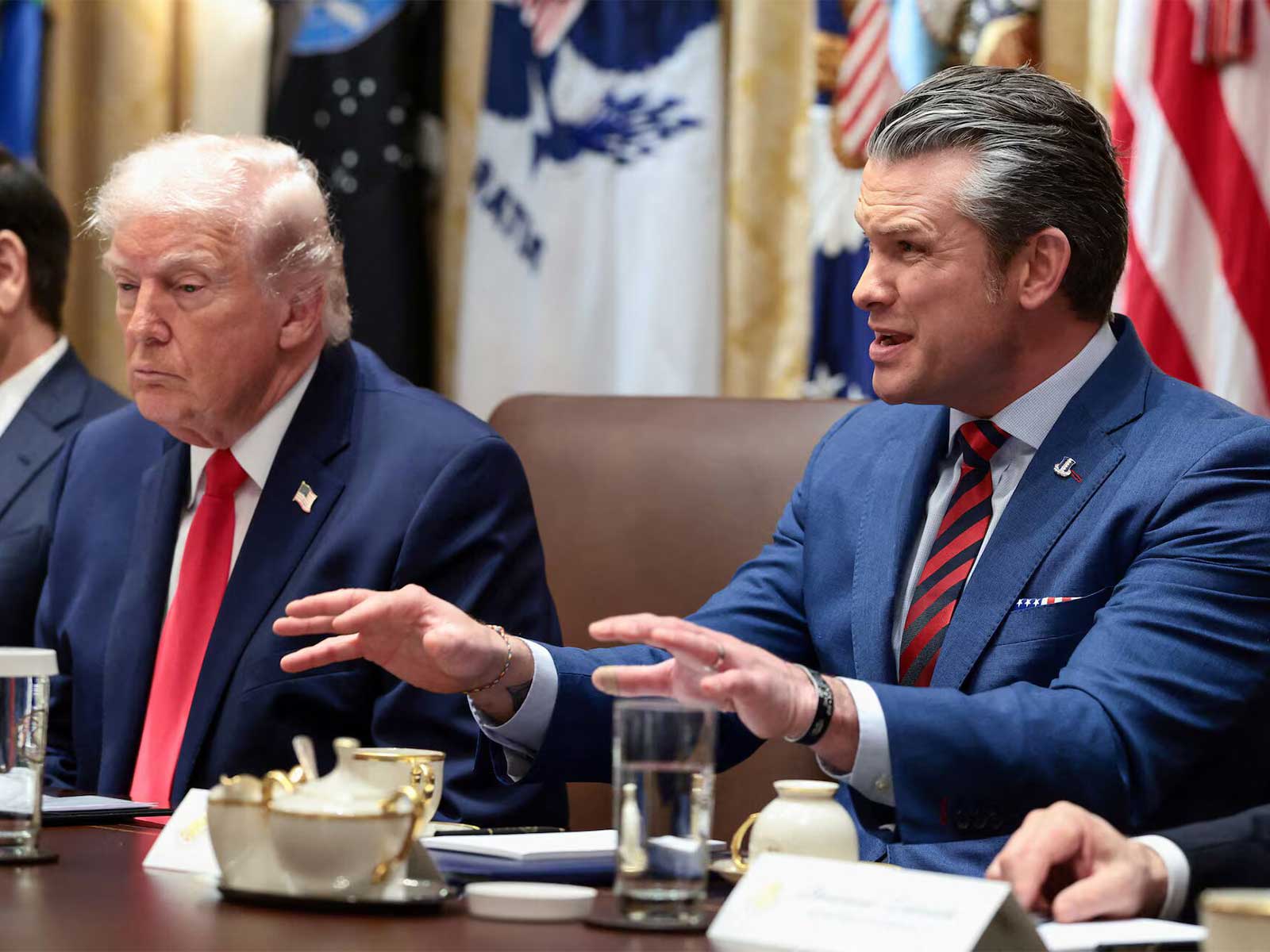
The exchange followed inquiries concerning senior adviser Stephen Miller and his policy contributions. Trump lauded Miller, noting his enduring loyalty and asserting his capacity to collaborate effectively with the political opposition.
Describing his aide, Trump remarked: "He's smart, he's tough, he's fair, and he actually will get along, I think, very well with the Democrats."
Prospects for cross-party cooperation likewise emerged during questions regarding a permitting bill slated for a legislative vote that evening.
Expressing full backing for the initiative, Trump stated: "The permitting bill is a great bill that's supposed to be bipartisan. We -- we are behind it 100 per cent."
While expressing confidence that Democrats desired the legislation equally alongside Republicans, he acknowledged potential shifts in opposition positioning. His endorsement, however, was accompanied by a clear caveat regarding renewable energy infrastructure when asked whether he would authorise wind turbines.
Responding to the inquiry, Trump declared: "No, I will not approve wind turbines."
Challenged regarding potential legislative friction, he observed that negotiations surrounding the bill remained incomplete while omitting details on how his stance would be accommodated.
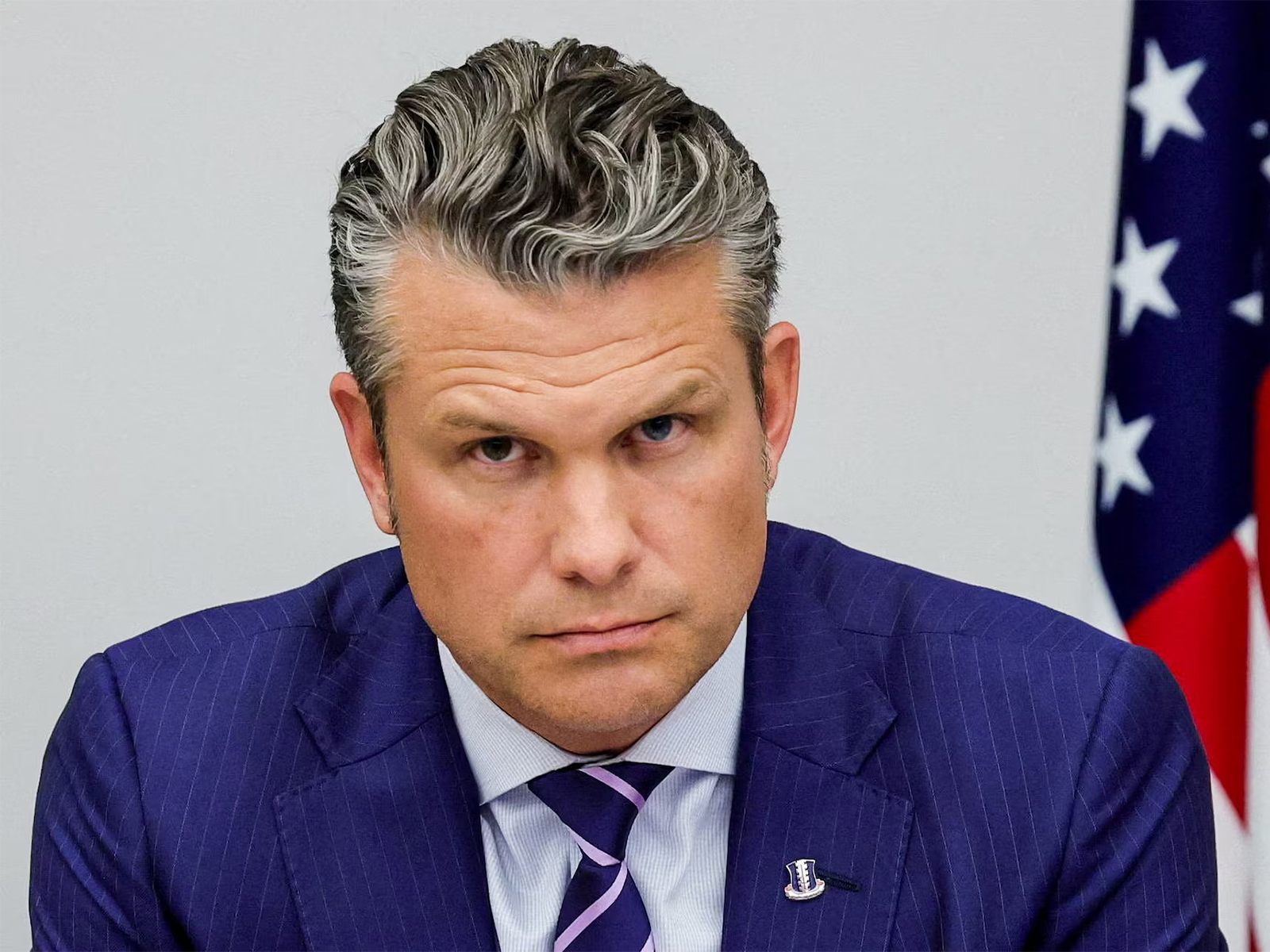
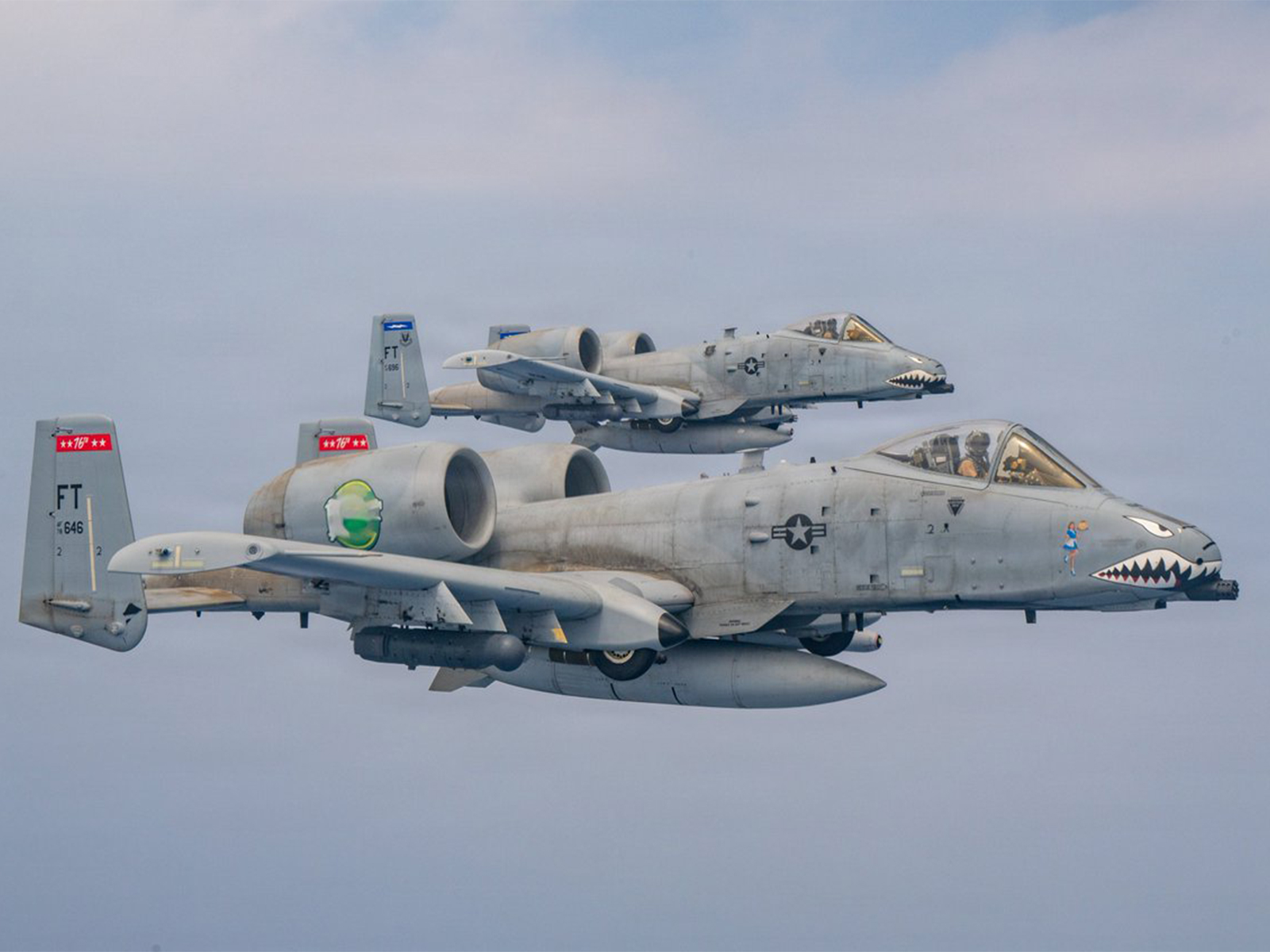
Pivoting to defence matters, Trump defended Secretary of War Pete Hegseth against mounting criticism, crediting the Pentagon chief with decisive military successes in Venezuela and Iran. He characterised the Venezuelan operation as having concluded within 48 minutes with zero fatalities.
Regarding the conflict in Iran, Trump asserted his belief that the military campaign had been successfully concluded, claiming the neutralisation of Iranian naval and air capabilities alongside Tehran's desire for a settlement.
Linking the Iran campaign to preventing the acquisition of nuclear weapons, Trump acknowledged that public anxieties surrounding energy costs might entail short-term political repercussions while assuring that prices would decline.
Turning to Cuba, he characterised the Caribbean nation as failing while affirming that American authorities were extending humanitarian assistance. When questioned about prior commentary regarding taking control of Cuba, he offered no operational specifics or firm commitments.