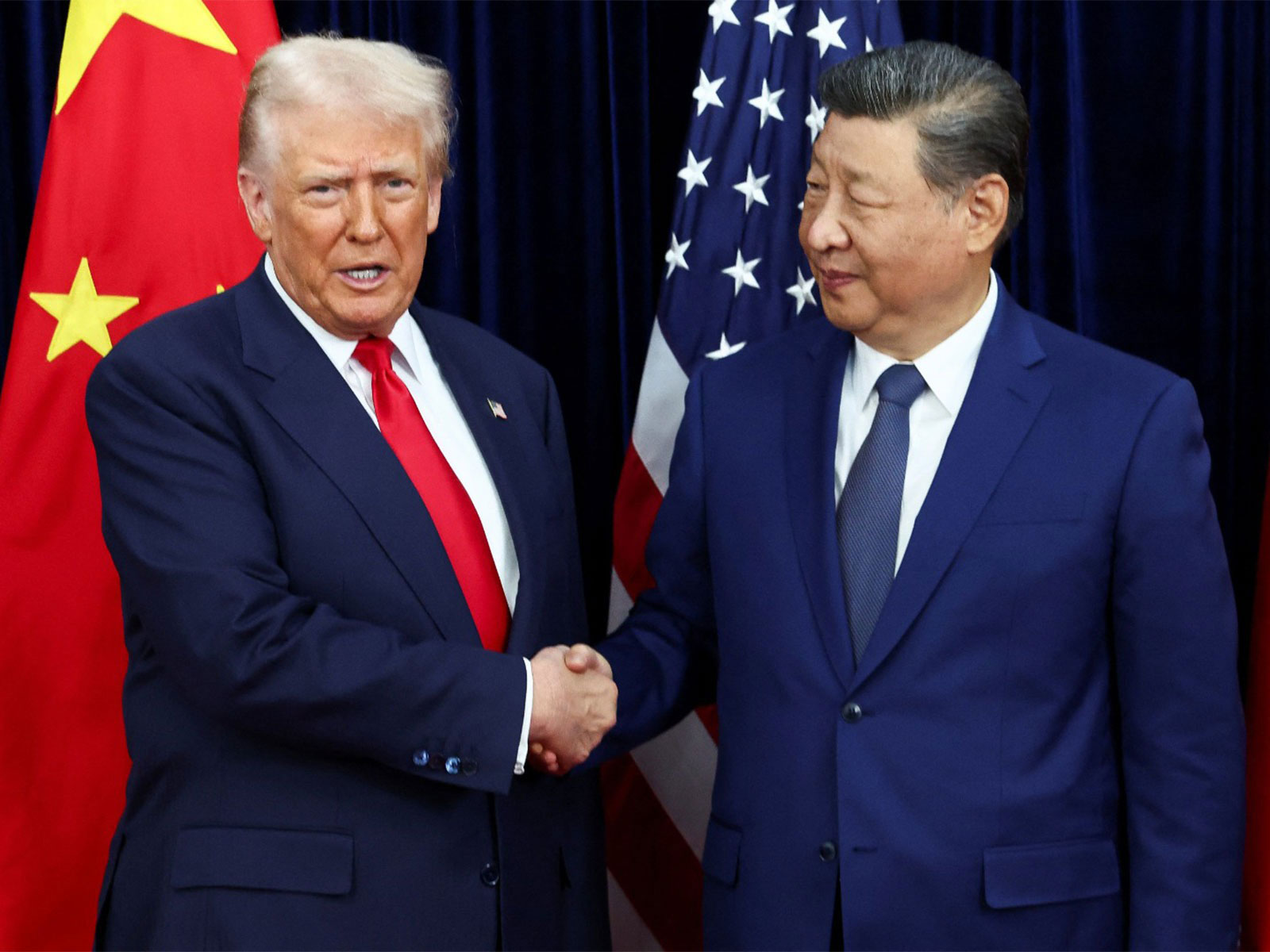
Trump-Xi Beijing summit: Revival of "G2" diplomacy amid Middle East quagmire and global anxiety
May 12, 2026
Beijing [China], May 13 : US President Donald Trump is scheduled to arrive in the Chinese capital on Wednesday for a high-stakes, two-day summit with President Xi Jinping, marking their first in-person dialogue six months after brokering a trade war truce.
The summit, deferred from its original March date due to the US-Israeli conflict involving Iran, transpires as President Trump seeks a significant diplomatic triumph amidst domestic discontent over the ongoing Middle East "quagmire."
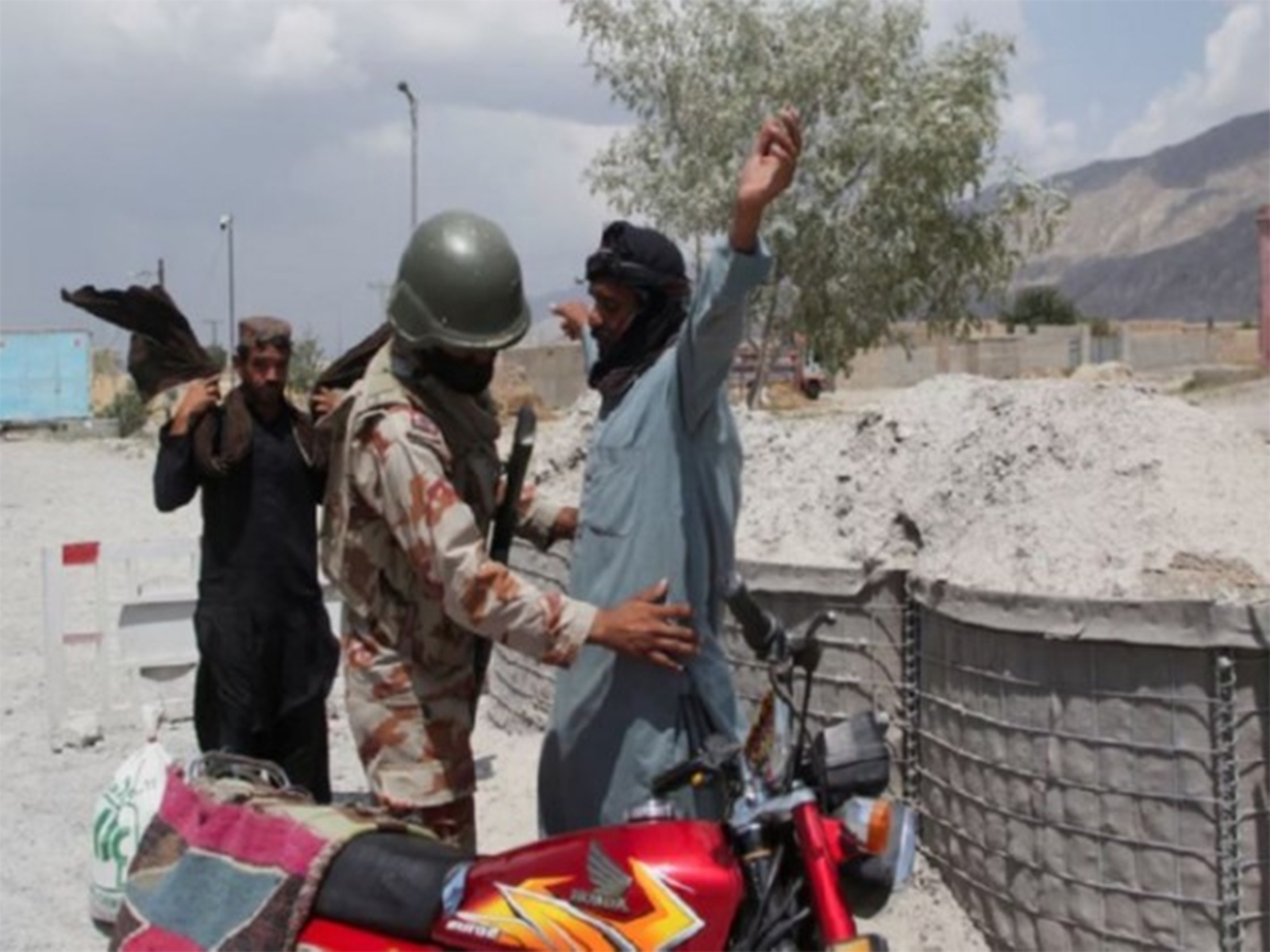
The conflict has placed considerable strain on US-China relations and dealt a blow to Beijing's economy. The Iranian closure of the Strait of Hormuz, coupled with Washington's maritime blockade of Iranian ports, has left Chinese vessels stranded and crippled crude oil imports, half of which China sources from the Middle East.
During the talks, President Trump is expected to reiterate his demand for Beijing to participate in an "international operation" to reopen the vital Strait of Hormuz, a proposal China has resisted thus far. Conversely, President Xi is anticipated to push for concessions on trade, rare-earth minerals, and a formal US recognition of China's claims over "self-ruling Taiwan."
As President Trump threatens to withdraw from NATO following the alliance's refusal to support the war effort, a move that continues to distance the US from its traditional partners, this summit has reinvigorated the concept of a "Group of Two" (G2). This informal arrangement envisions the world's two pre-eminent superpowers steering the "world's collective future."
Originally conceptualised by prominent US economist C. Fred Bergsten in 2005, the G2 was designed to encourage the two largest economies to stabilise global markets and address "issues of global concern," rather than establishing a dual hegemony. The idea gained significant momentum during the administration of former President Barack Obama, who initiated the Strategic and Economic Dialogue (S&ED) in 2009 to foster "positive, cooperative, and comprehensive" relations.
However, the notion that the US and China could act as responsible "stewards for the collective good" has faced persistent scepticism. Modern critics fear the G2 signifies a retreat from the multilateral system toward an era where two superpowers "assert their interests over those of other nations."
Tensions briefly thawed on October 30 in South Korea, when both leaders agreed to roll back specific trade restrictions. President Trump famously awarded that encounter a "12-out-of-10" rating, touting it as a "G2" meeting. While it lacked a formal joint communique, the label dominated global headlines, signalling Washington's acknowledgement of China's superpower status.
During those talks in Busan, President Xi offered a diplomatic olive branch, suggesting China's aspirations were "not incompatible with President Trump's goal of 'Making America Great Again'". As the session concluded, President Xi remarked that the two nations should "be partners and friends," adding that they could "jointly shoulder our responsibility as major countries and work together to accomplish more great and concrete things for the good of our two countries and the whole world."
Yet, the prospect of a G2 consolidation has sparked deep anxiety among traditional US allies, who fear being sidelined by bilateral deals that disregard their interests.
Europe, in particular, remains wary of a trade alignment that could accelerate its "declining position of strength." Transatlantic ties are already frayed by disputes over NATO, territorial claims regarding Greenland, and military aid to Ukraine. In response, EU leaders recently pledged to bolster their internal market to reduce reliance on the US for energy and on China for critical "rare-earth minerals," over which Beijing maintains a "stranglehold."
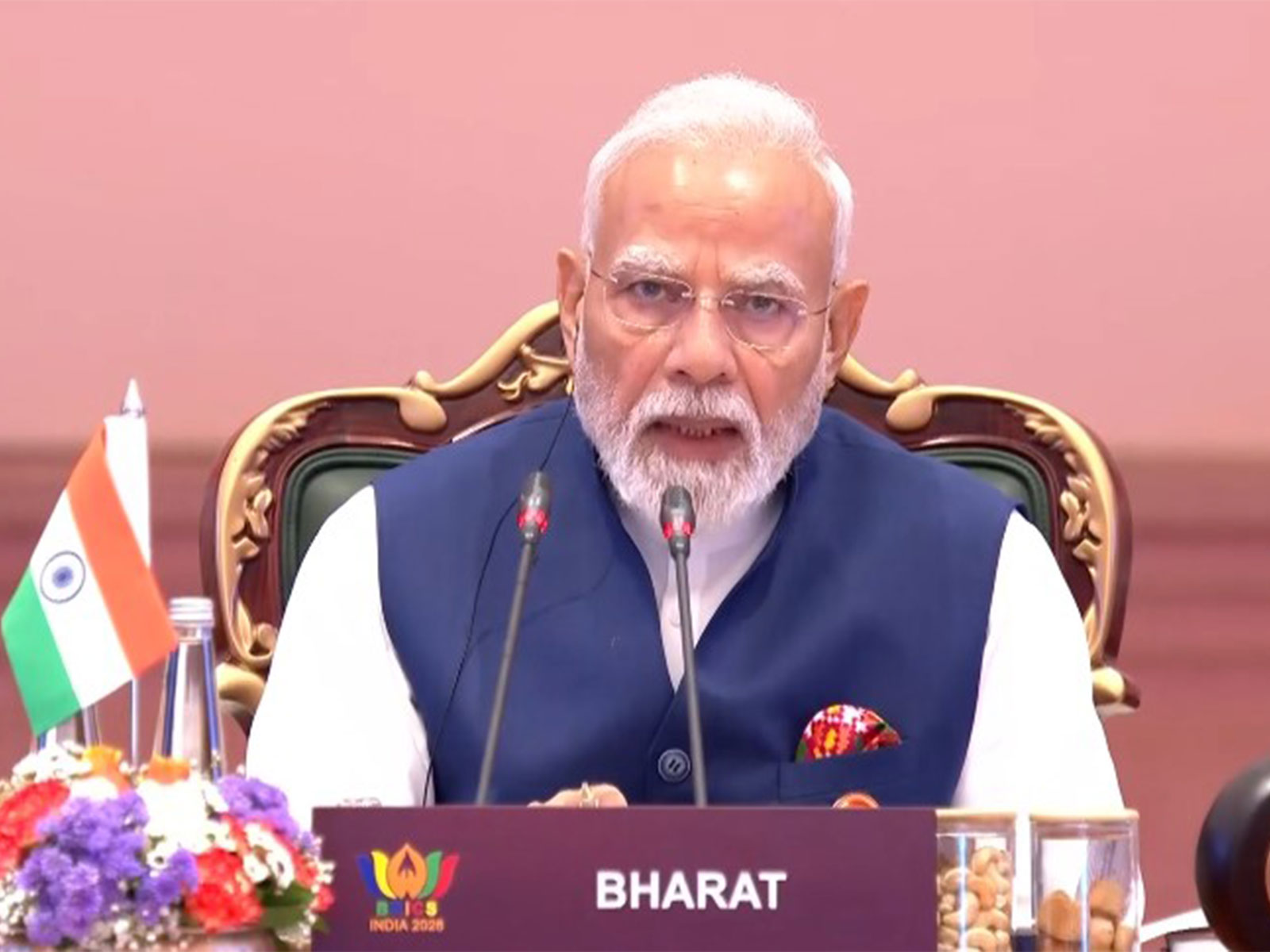
French President Emmanuel Macron underscored a sense of "urgency" regarding this superpower rivalry, noting that Europe is being "shaken by competition, sometimes by unfair competition and tariffs." Meanwhile, emerging economies within the BRICS bloc also view the burgeoning US-China dynamic as a potential hurdle to their own global aspirations.