Trump's midterm election setback may fast-track India-US trade deal within two months says founder, GTRI
Nov 05, 2026
By Nikhil Dedha
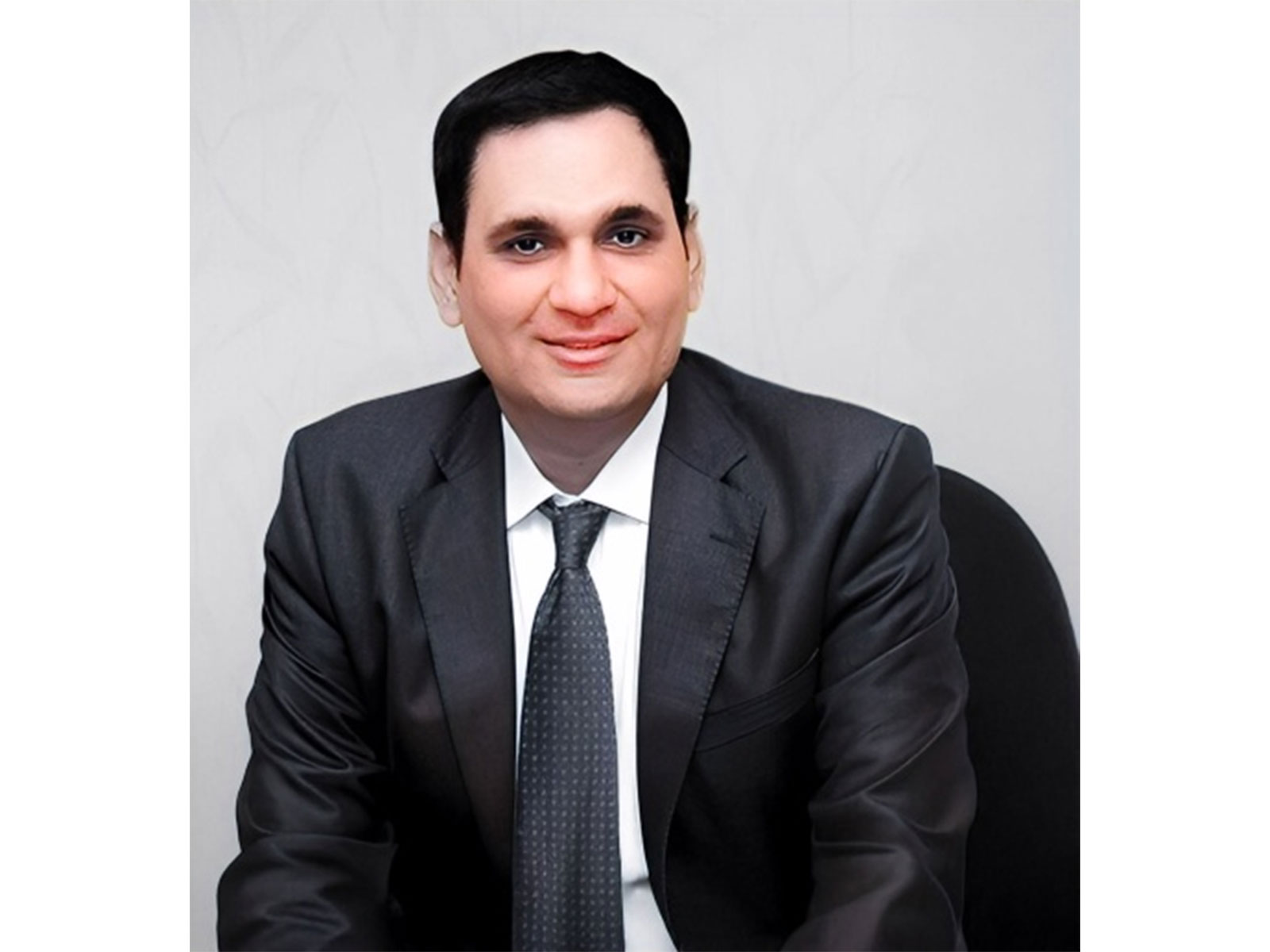
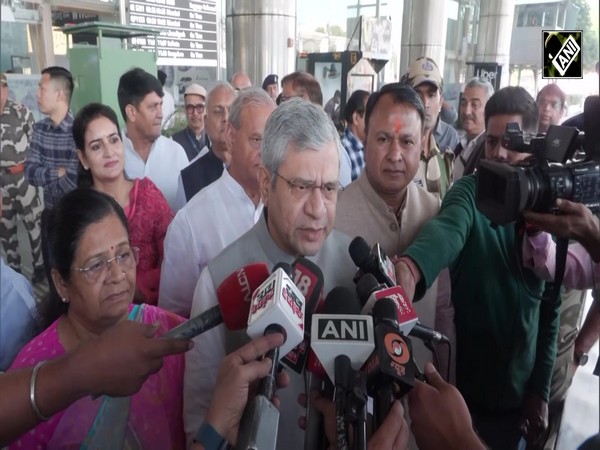
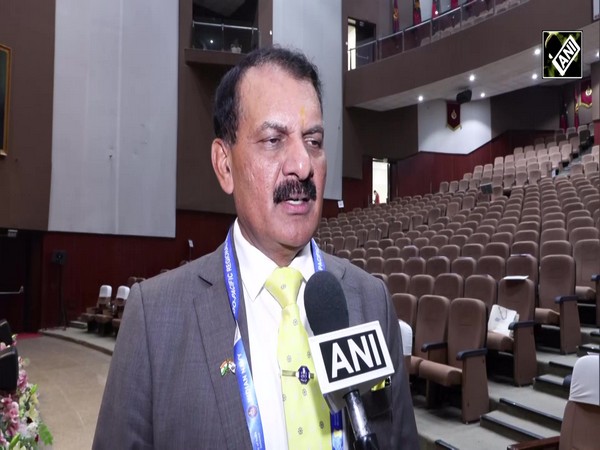
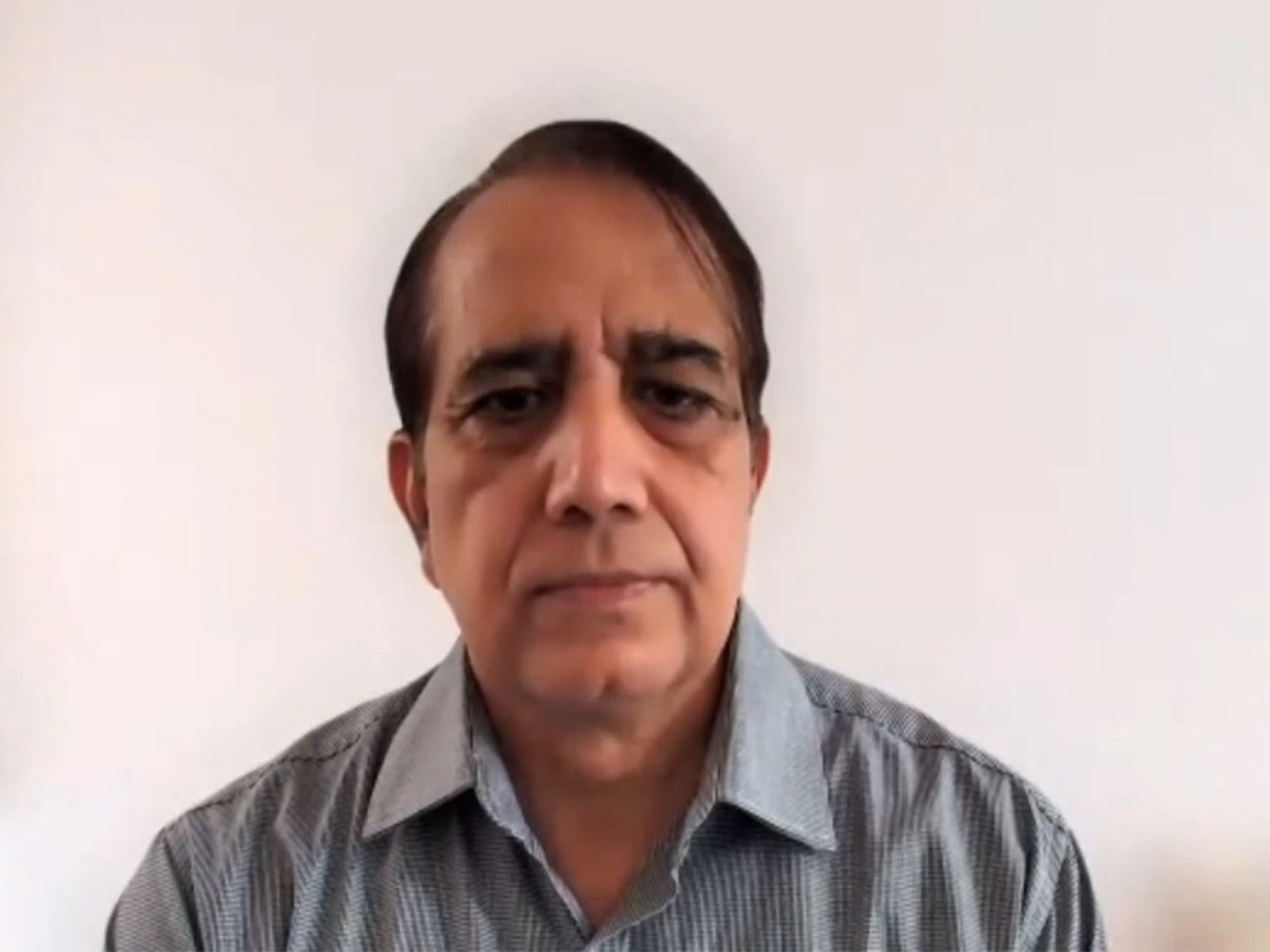
New Delhi [India], November 5 : The political setback suffered by US President Donald Trump in the November 2026 midterm elections could accelerate negotiations for an India-US trade agreement, with the deal potentially being concluded within the next two months, Ajay Srivastava, Founder of the Global Trade Research Initiative (GTRI), said.
Speaking to ANI in an exclusive conversation on Thursday, Srivastava said the election results could push Trump to focus more on trade negotiations and expedite the proposed agreement with India.
"I think the bad election results for Mr Trump will nudge him to expedite trade relations with India, and he may be expediting that trade agreement. It may happen sooner than we think," he said.
He said senior officials and ministers from both countries had been engaged in discussions and that negotiations were close to completion, although some differences remained.
Democrats have officially won full control of both chambers of the U.S. Congress in the November 3, midterm elections. This historic shift ends the Republican Party's unified control in Washington, delivering a major political setback to President Donald Trump midway through his term.
According to Srivastava, with Trump facing domestic political constraints, he may seek an early trade agreement with India to demonstrate his influence on the international front.
"With Trump weakened in the domestic field, he will have only trade to concentrate and I think he will push for an early India-US trade deal," he said.
Srivastava also indicated that the threat of additional US tariffs linked to India's purchases of Russian crude oil could remain a negotiating tool for Washington.
He said the US could use this threat to encourage India to sign the proposed trade agreement, potentially imposing additional tariffs of around 17–19 per cent rather than the much higher level previously discussed.
On the timeline, Srivastava said the proposed Graham Act had earlier led to expectations that the US administration would take around 60 days to decide on the matter.
With some of that period already elapsed, he expects the trade agreement to be concluded within approximately two months.
However, GTRI in its latest report also cautioned that the midterm setback would not necessarily make US trade policy less restrictive.
The report said the proposed framework itself raises concerns because India is expected to reduce tariffs while the US retains its regular Most Favoured Nation (MFN) duties.
It also highlighted India's proposed purchase and policy commitments, the continuing possibility of additional US tariffs and potential concerns over India's commitments under World Trade Organization rules.
The report warned that the proposed arrangement could breach India's WTO commitments and weaken its negotiating position, while the US would continue retaining significant tariff leverage over its trading partners.
Thus, while Trump's domestic political setback may accelerate efforts to conclude an India-US trade agreement, GTRI expects Washington's broader protectionist trade approach to remain largely unchanged.
In February, India and the US had announced a framework for an Interim Agreement on reciprocal and mutually beneficial trade, reaffirming their commitment to the broader BTA negotiations.
Later in June, U.S. Trade Representative Ambassador Jamieson Greer led a delegation to New Delhi to meet Union Minister of Commerce and Industry Piyush Goyal, reviewing core BTA elements and pushing forward the interim deal.
For 2025, India's total goods exports to the U.S. reached USD 103.82 billion, while U.S. exports to India totalled approximately USD 45.6 billion, for a total bilateral trade of USD 149.42 billion.
The bilateral services trade in 2025 was recorded at USD 92.23 billion, where India exported USD 48.67 billion worth of services to the US and imported USD 43.56 billion worth of services from the US.