Union Minister Jitendra Singh calls for making diabetes prevention a national priority, says rural India no longer untouched by diabetes
Aug 16, 2026
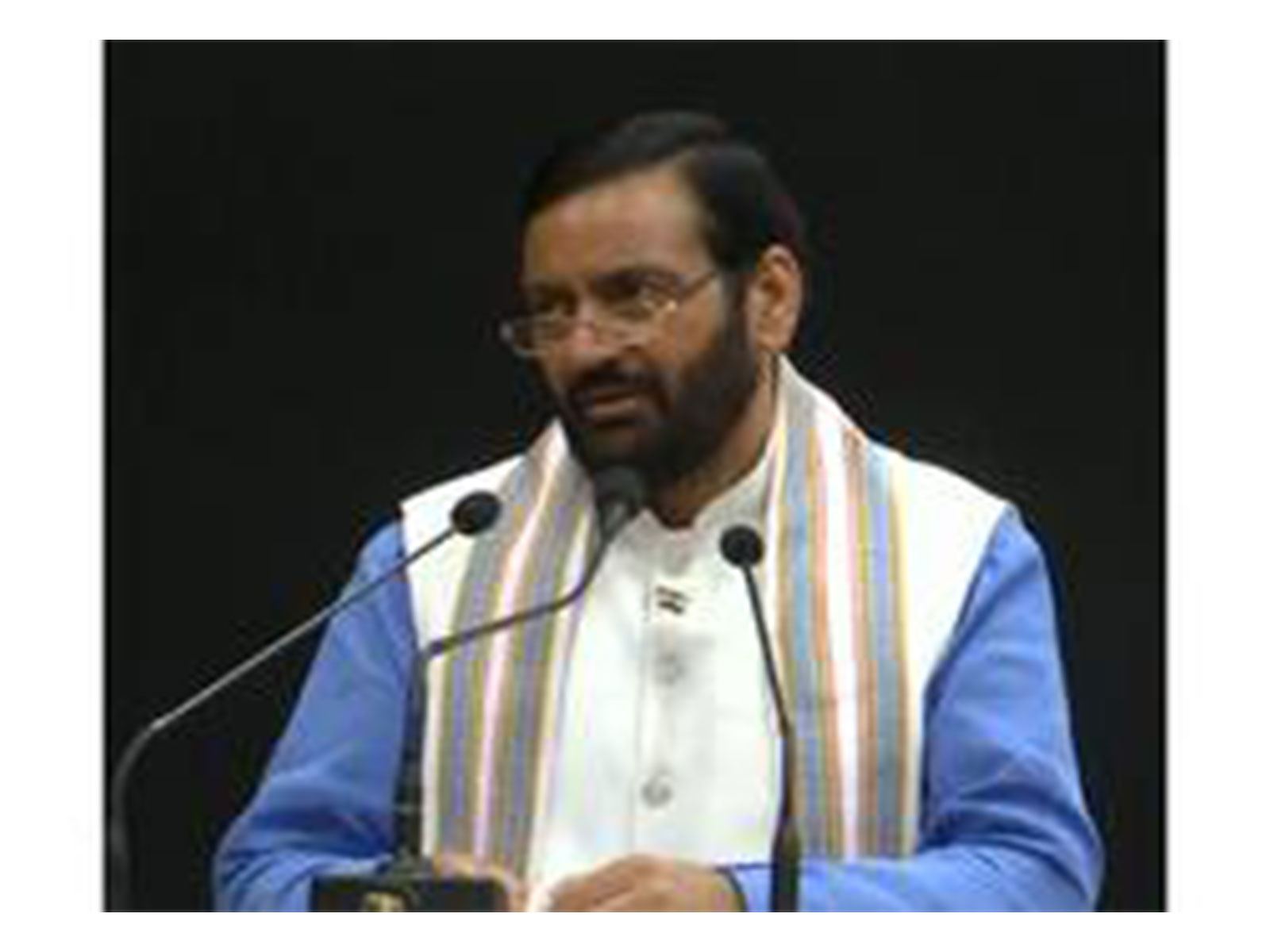
New Delhi [India], August 16 : Union Minister of Science & Technology and Earth Sciences Dr Jitendra Singh, who is also a Professor of Medicine and Diabetologist, has called for making preventive healthcare and prevention of diabetes a national priority, stressing that the growing burden of diabetes in rural India requires a community-led, technology-enabled and data-driven response.
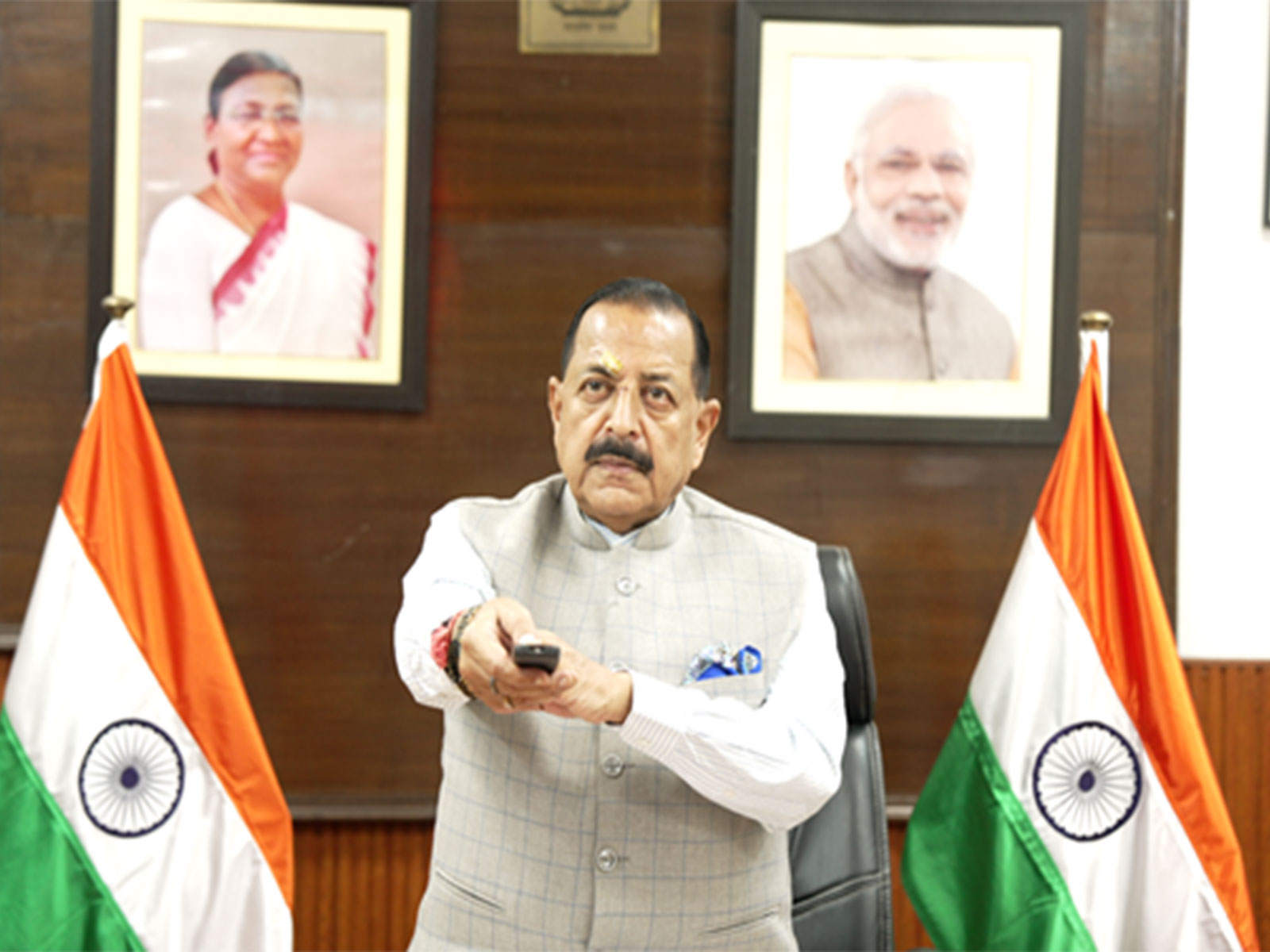
Speaking at the inauguration of the RSSDI 'Diabetes Rural Outreach Digital Portal' and launch of VISHWAS, the Diabetes Awareness Video Library, Dr Singh said that with more than 70 per cent of India's population below the age of 40, protecting the health and productive potential of the country's young population is essential to the vision of developed India by 2047.
The programme organised by the Research Society for the Study of Diabetes in India (RSSDI) on Independence Day, brought together leading experts and stakeholders from the diabetes and healthcare ecosystem.
The RSSDI Rural Outreach Programme and VISHWAS are aimed at taking diabetes awareness, screening, treatment, follow-up and digital health resources closer to communities.
Dr Jitendra Singh said that India has made remarkable progress in healthcare, scientific research and digital innovation, and the next important step is to ensure that these advances reach every citizen, particularly people living in rural and underserved communities. He said rural India is no longer untouched by the diabetes epidemic and that early detection, timely intervention, lifestyle modification and sustained follow-up are essential to reduce the burden of the disease and its complications.
Describing the RSSDI Rural Outreach Programme as an example of how professional medical societies can complement national health efforts, the Minister said that adopting villages and creating a structured model for awareness, screening, treatment and long-term follow-up can bring specialist expertise closer to communities that need it most. The programme has already reached around 30 villages across several States, with further expansion planned in the coming years.
Dr Singh said the newly inaugurated digital data portal marks an important milestone in strengthening community healthcare through systematic documentation. A standardised digital platform can enable continuity of patient care, monitoring of outcomes and generation of valuable evidence for future public health strategies. He said that combining community service with scientific documentation would also generate real-world data from rural India, helping in better understanding of disease patterns and development of evidence-based solutions relevant to the Indian population.
According to an official release, the Minister called for greater integration among government agencies, academic institutions, technology partners, private organisations and local healthcare workers to create more effective and sustainable models for prevention and management of diabetes and other non-communicable diseases. He said that collaboration across sectors can help supplement each other's efforts and deliver better outcomes in community healthcare.
Referring to the changing landscape of healthcare and scientific research, Dr Singh said that "the age of silos is over" and that the country is moving towards an era of interdisciplinary and cross-sector collaboration. He said engineering, technology and medical sciences are increasingly converging, opening new possibilities for healthcare delivery, digital health and community-based interventions.
The Minister also stressed the importance of making digital health solutions responsive to India's linguistic diversity. He said that while technology platforms may begin with formal languages, meaningful digital healthcare delivery at the grassroots level must also recognise the colloquial languages spoken by people in different parts of the country. Such an approach, he said, can make digital health solutions more accessible and relevant to communities on the ground.
Dr Singh said diabetes has emerged as one of the most significant public health challenges of the time and that the changing rural-urban divide in lifestyles and food habits has contributed to the wider spread of the disease. He said prevention of diabetes and its complications cannot remain the responsibility of doctors alone and must become a shared national priority involving individuals, communities, healthcare professionals and institutions.
He said India's demographic dividend places a special responsibility on the country to protect its young population from avoidable diseases and complications. With a large proportion of the population below the age of 40, maintaining their health is critical to ensuring that their energy and potential can contribute fully to the making of a developed and healthier India by 2047.
The Minister expressed hope that RSSDI would continue to work with government agencies, academic institutions, technology partners and local healthcare workers so that the Rural Outreach Programme evolves into a sustainable and scalable national model for prevention and management of diabetes and other non-communicable diseases.
On the occasion of Independence Day, Dr. Jitendra Singh called for a renewed commitment to building a healthier India where scientific knowledge, digital innovation and compassionate healthcare reach every village and every citizen. He congratulated RSSDI for the initiative and wished the Rural Outreach Programme and the newly launched digital portal every success.
The RSSDI Rural Outreach Programme is a community initiative focused on improving diabetes awareness, early diagnosis, treatment, follow-up and prevention in rural India through village adoption by RSSDI members. The newly launched digital portal provides a standardised platform for beneficiary registration, treatment documentation, longitudinal follow-up, programme monitoring and generation of anonymised real-world data for public health planning and research.