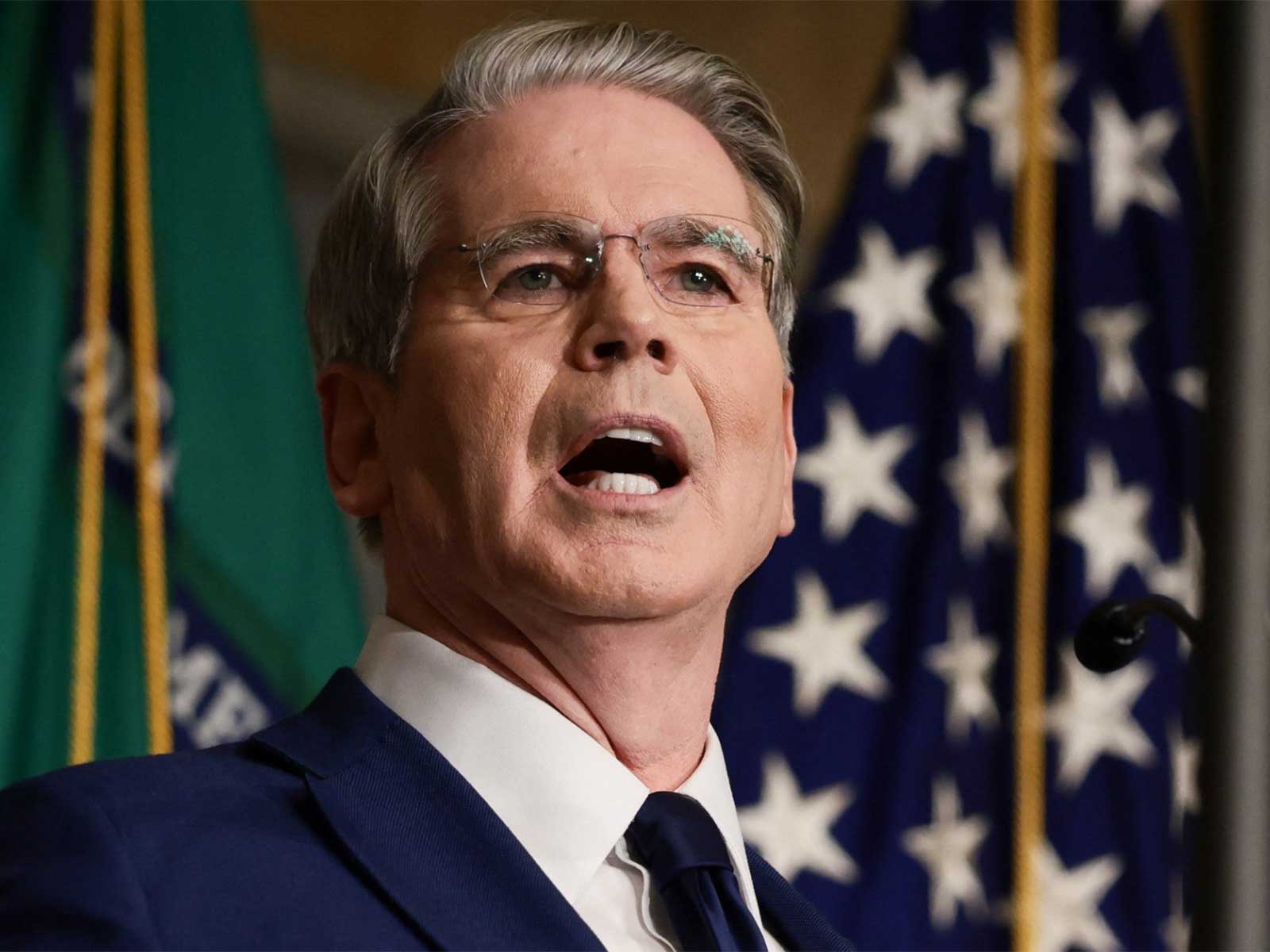
US, China reach consensus on favourable tariff treatment for USD 30 billion in goods each way: Bessent
Nov 11, 2026
New Delhi [India], November 11 : The United States and China have reached a consensus to identify more favourable tariff treatment for USD 30 billion worth of goods in each direction, US Treasury Secretary Scott Bessent said, signalling progress in trade negotiations between the world's two largest economies.
Speaking at the National Committee on US-China Relations Gala in New York on Tuesday, Bessent said the agreement was reached under a newly established bilateral Board of Trade.
"Under the Board of Trade, we reached consensus to identify more favorable tariff treatment for $30 billion of non-sensitive goods in each direction," Bessent said, according to remarks published by the US Department of the Treasury on Wednesday.
He added that the board had also launched a working group to address trade barriers in the agricultural sector.
Bessent said China had previously agreed to import at least 25 million metric tonnes of soybeans and 10 million metric tonnes of coal from the United States over the next two years.
The Treasury Secretary also outlined the role of two new mechanisms established to strengthen economic cooperation between Washington and Beijing.
While the Board of Trade focuses on tariff treatment and trade barriers, the Board of Investment is aimed at addressing market access for American companies and improving business predictability for Chinese firms.
"The Board of Investment, meanwhile, provides a structured forum for commercially meaningful issues, like market access for American companies and increased predictability for Chinese companies," he said.
Emphasising the Trump administration's approach towards China, Bessent said Washington was seeking to reduce economic risks rather than sever trade relations with Beijing.
"As we work toward a more balanced relationship, our objective is to de-risk, not to decouple," he said.
Bessent argued that the United States had become increasingly dependent on foreign supplies, while China's economy relied heavily on demand from overseas markets.
"United States must produce more of what we consume, while China must consume more of what it produces," he said.
The remarks come ahead of another meeting between US President Donald Trump and Chinese President Xi Jinping in Shenzhen next week.