US delusions lead to failure of American policies: Iranian Foreign Minister
Nov 11, 2026
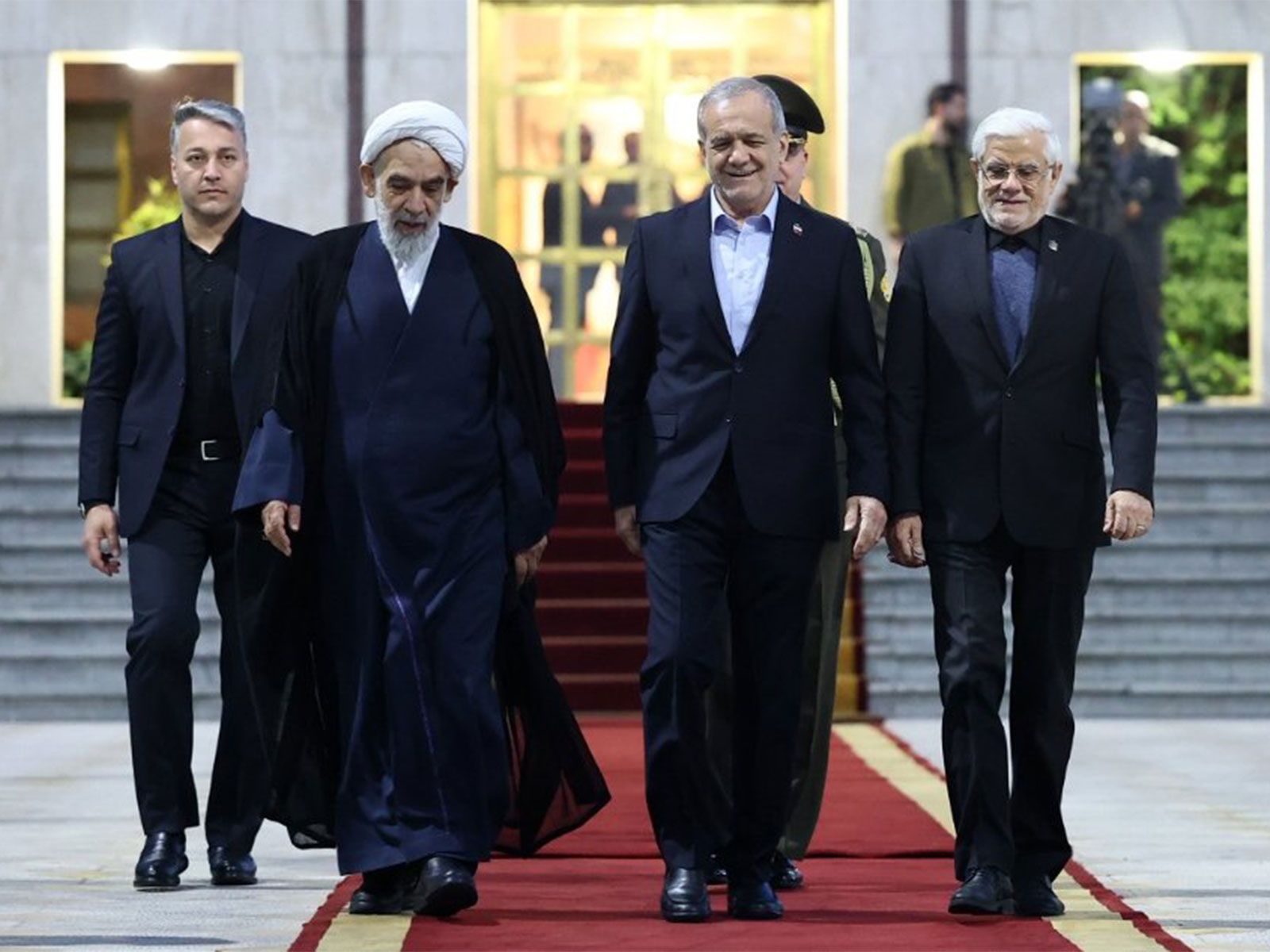
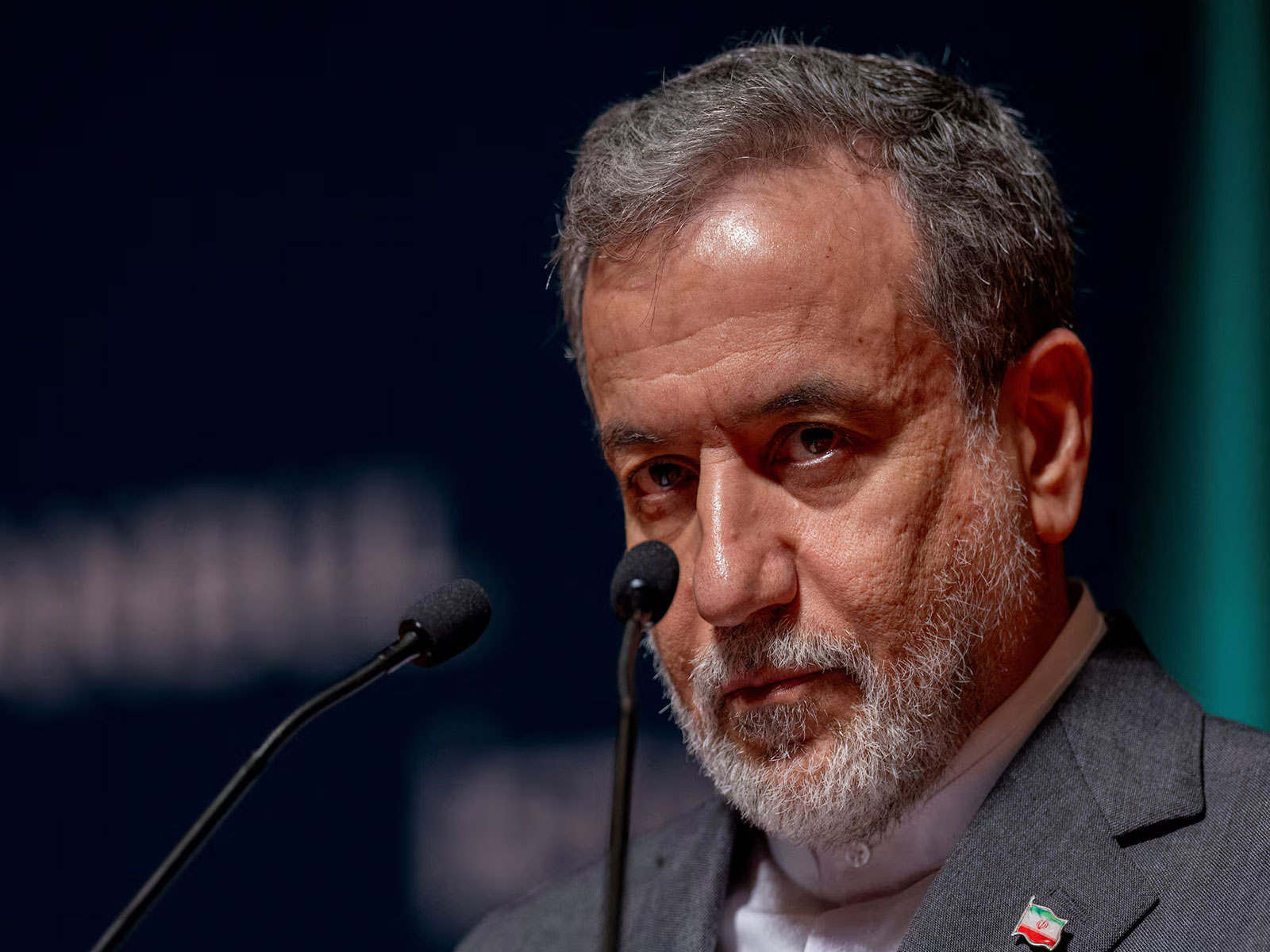
Tehran [Iran], November 11 : Iranian Foreign Minister Abbas Araghchi has criticised Washington's approach towards Tehran, arguing that unrealistic expectations and American "delusions" have contributed to the failure of US policies.
In a post on X, Araghchi revisited remarks made eight years ago by former US Secretary of State Mike Pompeo, who had suggested that Iranians would need to comply with the White House's demands if they wanted access to basic necessities such as food.
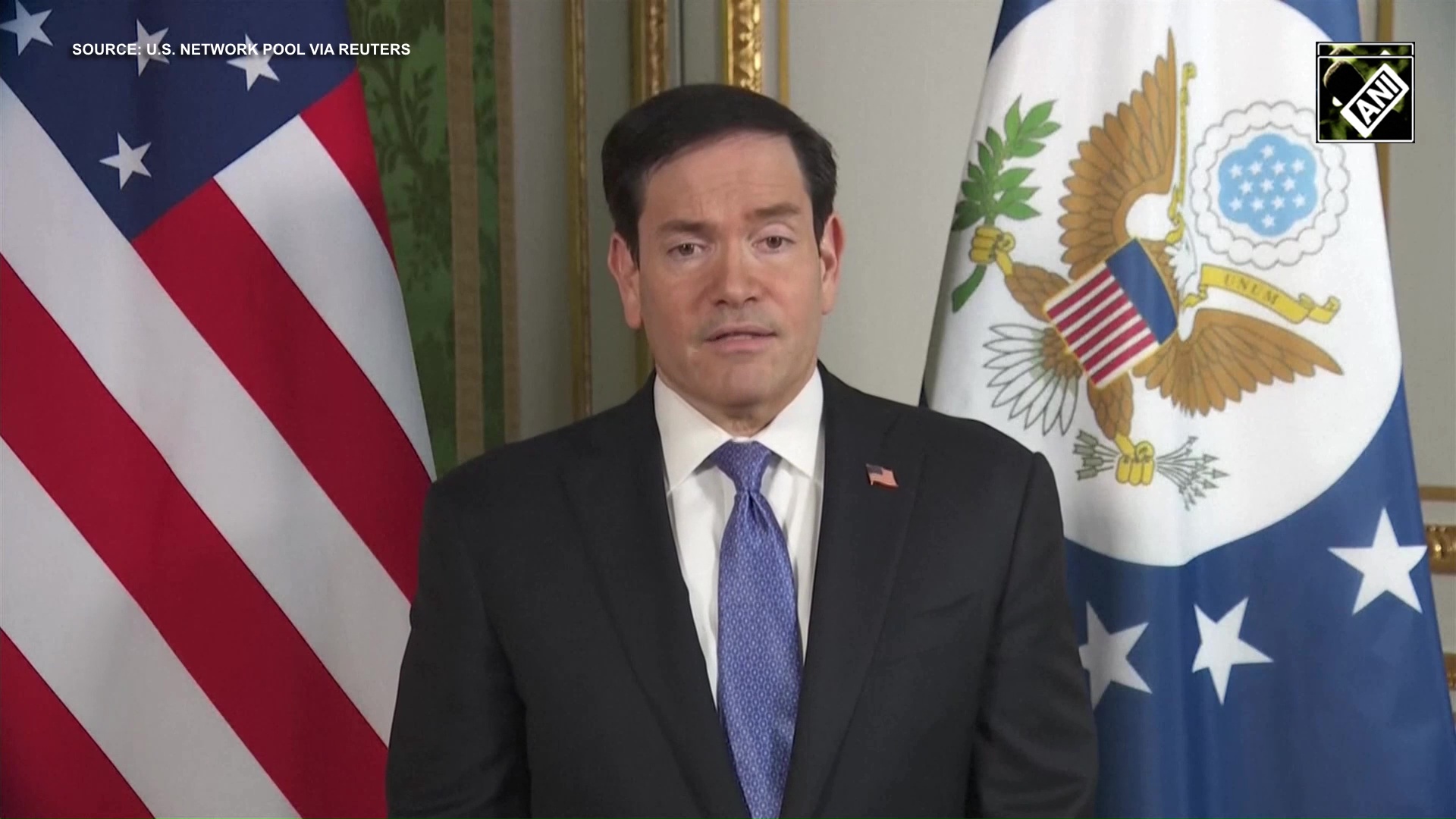
Drawing a comparison with the current administration, the Iranian foreign minister accused US Secretary of State Marco Rubio of repeating similar rhetoric, despite the experiences of Cuban Americans affected by comparable policies.
"Eight years ago, a cartoon character like Pompeo said Iranians must follow White House diktat 'if they want to eat'. Today, Rubio, whose fellow Cubans are victims of the same policy, repeats that drivel. Forget about the inhumanity. It's the delusions that are producing failed US policy," Araghchi wrote.
He argued that Washington's stance was not only inhumane but also based on mistaken assumptions that have undermined the effectiveness of American strategy.
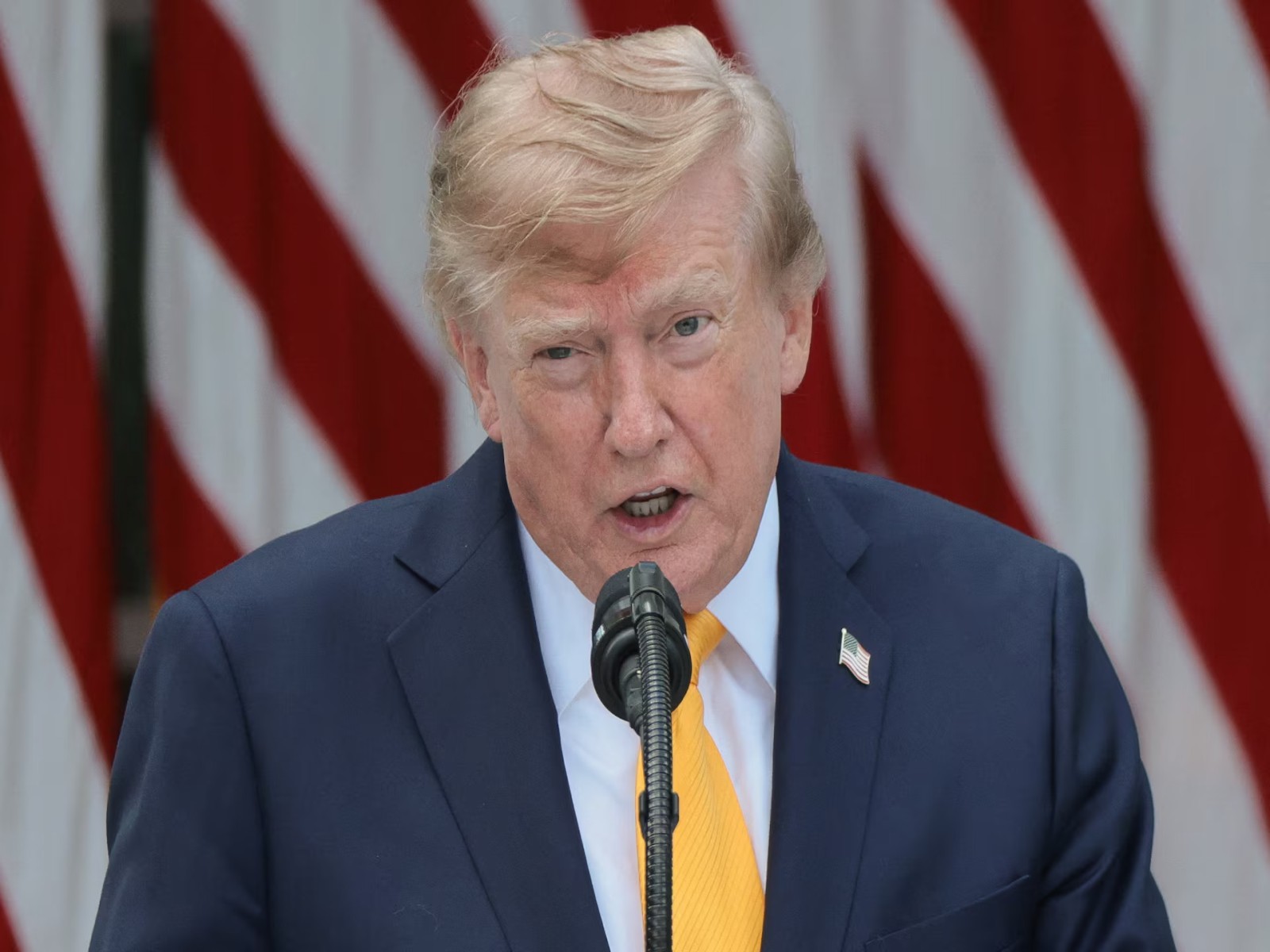
Against this backdrop, US President Donald Trump has settled on a third option in the Iran war, choosing to intensify economic pressure on Tehran rather than resume military strikes or agree to a peace deal under terms deemed unacceptable by Washington, according to a report published by Axios.
Rubio had outlined the government's approach during a meeting with G7 foreign ministers on Tuesday, stating that the American leader was not restricted to choosing between returning to armed hostilities and negotiating an agreement with Iran.
Instead, Washington intends to maintain its existing pressure campaign and tighten the financial squeeze on the Iranian regime, Axios reported.
"The President doesn't just have two options. It's not just returning to war or signing a ridiculous peace deal. We won't do a stupid deal. The third option we have is to continue to do what we do now," Rubio stated.
He argued that continuing with the current strategy would impose escalating fiscal costs on Tehran without compelling Washington to commit to a strict deadline for concluding the pressure campaign.
The framework centres on weakening the nation's financial infrastructure to the point where it struggles to finance armed groups or reconstruct its military capabilities.
Rubio further contended that Tehran was inflicting severe damage on its domestic economy by rejecting Washington's conditions.
"The President is not under false time pressure; the Iranians are inflicting major damage on their own economy," Rubio noted.
This strategic shift follows months of policy uncertainty surrounding the broader conflict, during which the American leader repeatedly threatened devastating military action while maintaining that Tehran would ultimately capitulate to Washington's demands.
The geopolitical crisis has also emerged as a domestic political liability, with Republican candidates having sustained setbacks during midterm legislative contests.
An American official close to the administration disclosed to Axios that the President had been deliberating over multiple pathways without immediate certainty about the optimal course of action.
Trump signalled his preference for averting a renewed cycle of military engagements after meeting Qatari Prime Minister Sheikh Mohammed bin Abdulrahman Al Thani on Monday, characterising the prospect of fresh strikes against Iranian targets as highly improbable and unnecessary under current circumstances.
Instead, the executive branch aims to sustain its economic offensive and naval blockade while advancing a new operation titled 'Iron Gate', which is designed to dismantle ground transportation routes allegedly used for smuggling advanced weaponry and technology.
According to administration sources cited by Axios, Rubio was among the principal architects within Trump's national security team who championed this strategic direction alongside Treasury Secretary Scott Bessent, CIA Director John Ratcliffe and presidential adviser Jared Kushner.
Officials indicated that the group strongly opposed re-escalating the military campaign, concluding that Tehran's current negotiating position remained fundamentally misaligned with American interests.
Rubio also conveyed deep scepticism about the feasibility of an immediate diplomatic breakthrough, asserting that Tehran's preconditions for formal negotiations were unviable.
Addressing journalists after the multilateral ministerial summit, he observed that while Iranian authorities wanted an agreement, they had failed to present constructive proposals.
He suggested that prolonged financial deprivation would eventually compel Tehran to reassess its position, arguing that mounting economic strains would prove unsustainable for the ruling establishment.
"Eventually, you have to eat," Rubio remarked, pointing to basic material realities that he claimed would eventually sway even the most uncompromising factions within the Iranian hierarchy.
Nevertheless, this prolonged economic squeeze has generated profound anxieties among key American international partners, including Turkey, Pakistan and Iraq, an administration official revealed to Axios.
These regional capitals reportedly harbour strong reservations about Washington's preference for indefinite financial strangulation over pursuing a stable, negotiated settlement.