US Energy Secretary Wright to visit Venezuela amid Chevron plans to expand operations
Sep 02, 2026
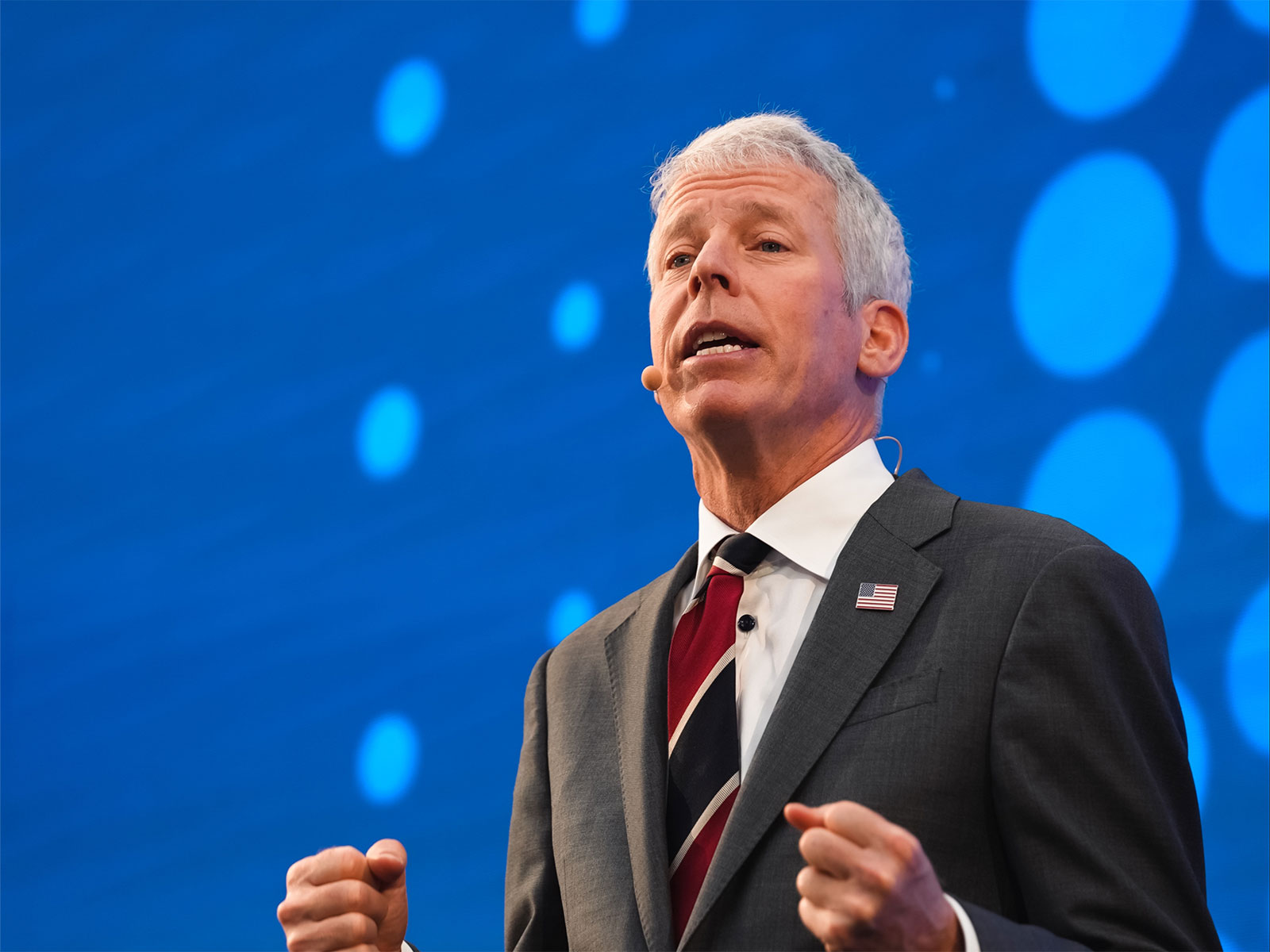
Washington DC [US], September 2 : US Energy Secretary Chris Wright will travel to Venezuela tonight for an expected announcement tomorrow on Chevron's plans to expand its operations in the country, according to a US official.
The senior official's travel comes in the wake of a historic oil agreement recently announced between the governments of Venezuela and the United States. Under this strategic arrangement, Washington finalised terms giving the United States a direct ownership stake in Venezuelan oil fields previously influenced by Chinese and Russian corporations.
Executed through the Pentagon's Office of Strategic Capital and partnered with a private operating firm linked to Venezuelan businessman Alejandro Betancourt, the deal secures long-term US energy supplies, allows crude purchases at cost, and aims to anchor a Western Hemisphere-aligned economy in Venezuela.
The block had previously been under Chinese and Russian corporate influence and holds an estimated 65 billion barrels of proven reserves, a fraction, officials noted, of Venezuela's total reserves, which they put at more than double that amount and available for further outside investment.
"Geopolitics is often not the choice between the ideal and the imperfect. It is often, you're trying to navigate what's the best outcome, and you have to work with the factors that you have in place," the official told reporters.
Concurrently, this shift carries significant implications for global energy markets, particularly for India, a major importer with refineries specifically equipped to process Venezuela's heavy crude as it diversifies away from Gulf disruptions while balancing relations with Washington, Moscow, and Beijing.
US officials framed the deal as a vital manoeuvre to pull Venezuela's energy resources out of Chinese and Russian orbits, securing an estimated 65 billion barrels of proven reserves from prior foreign corporate influence.
The agreement runs through the Pentagon's Office of Strategic Capital and involves private corporate structures rather than direct state engagement.