US rolls out new visa restrictions over cyberscams, sextortion
Jul 23, 2026
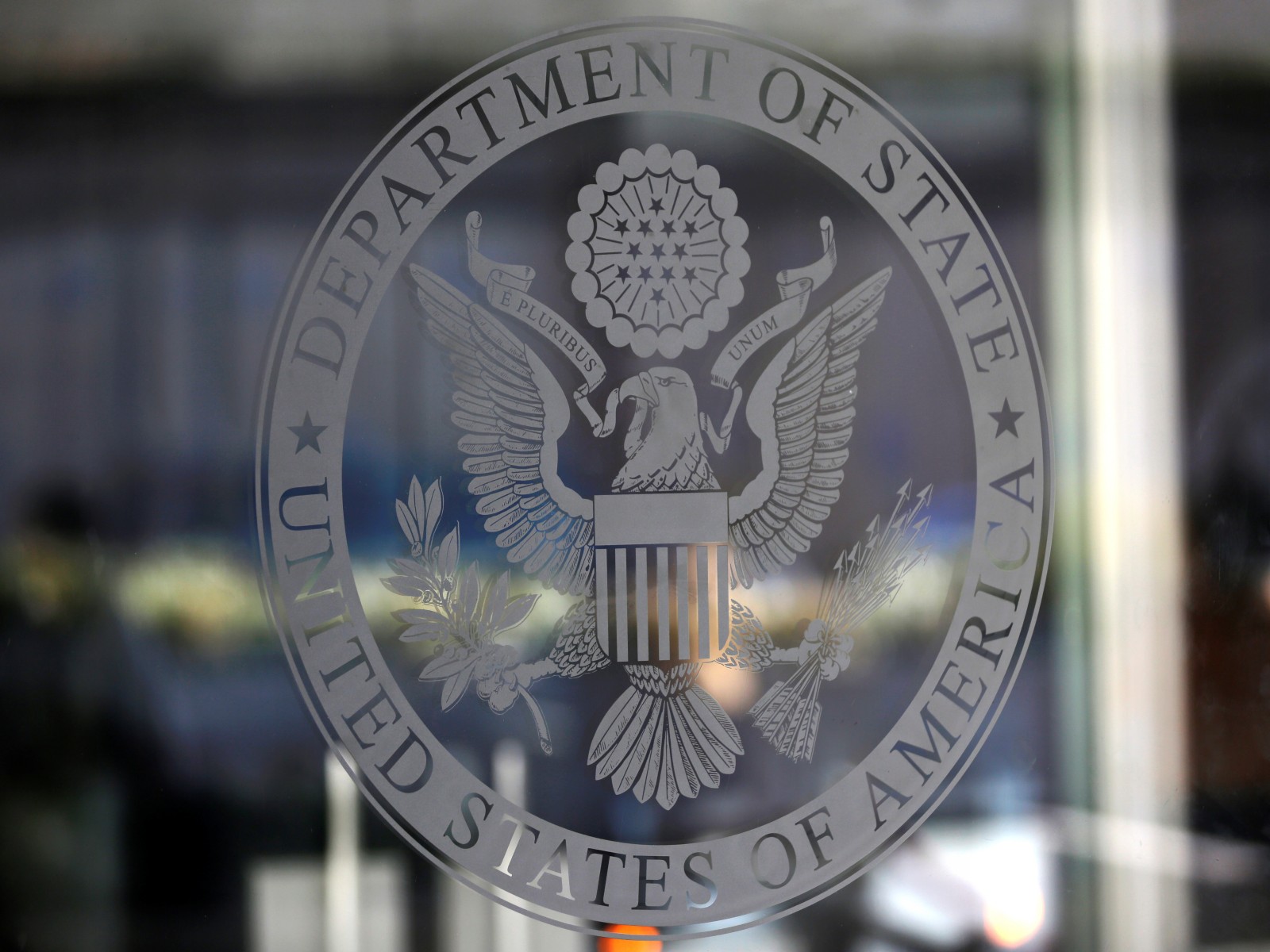
Washington, DC [US], July 23 : The United States on Thursday introduced a new global visa restriction policy directed at individuals responsible for cyberscams and sextortion, citing an "unprecedented threat" to American citizens.
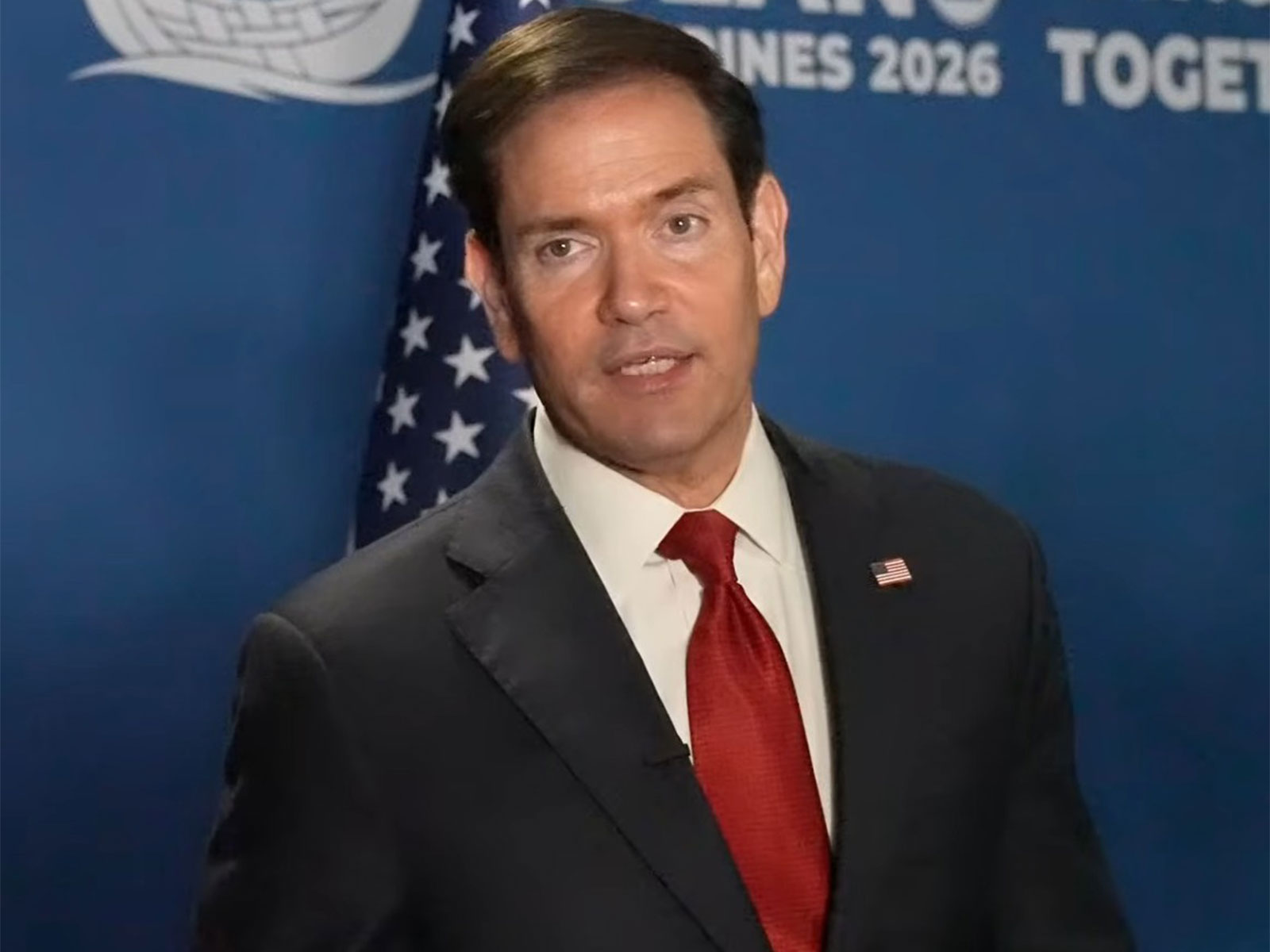
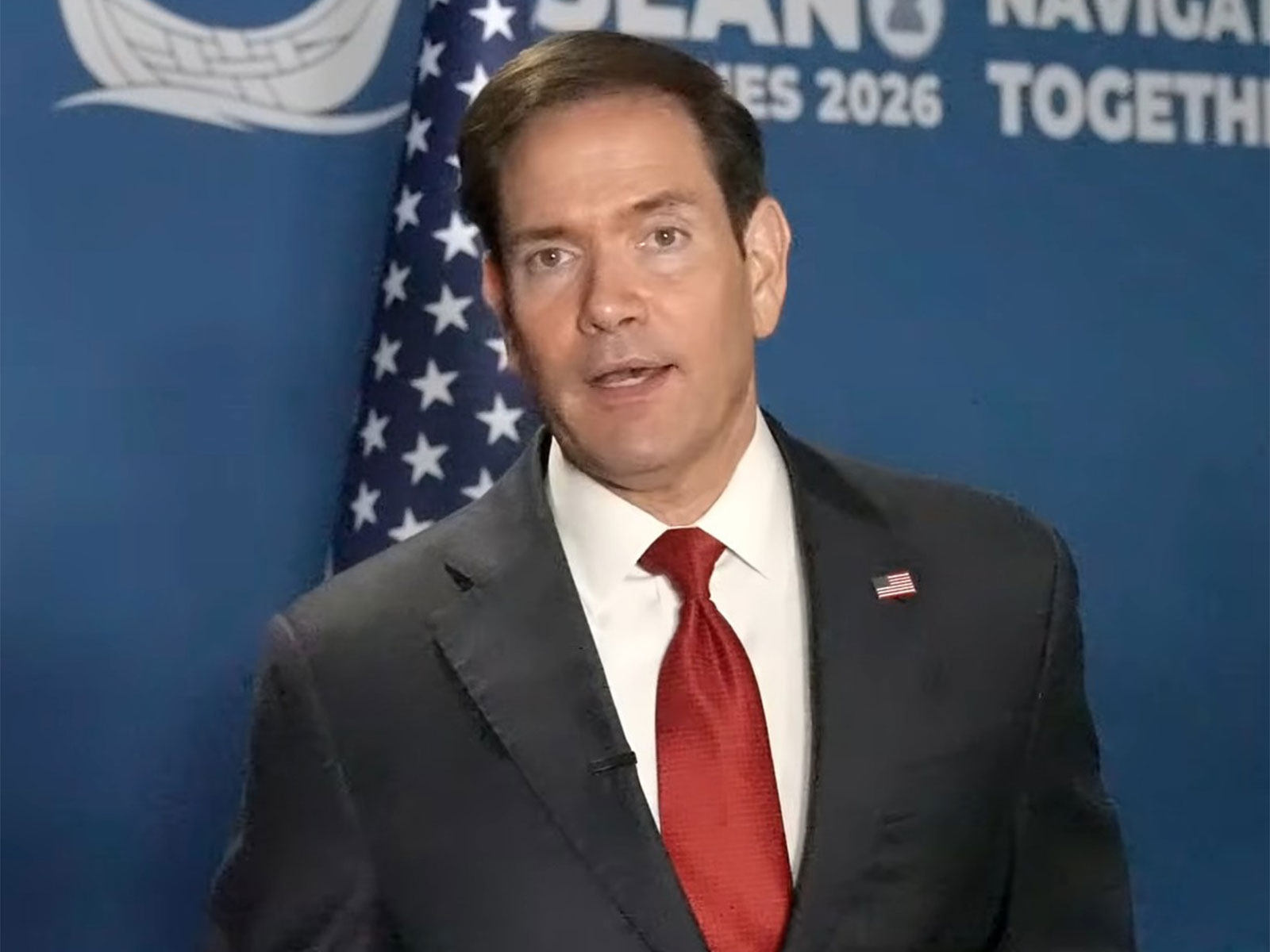
Announcing the measures implemented under the Immigration and Nationality Act, US Secretary of State Marco Rubio stated that the sanctions would extend beyond primary actors to include their immediate family members.
"This policy targets individuals responsible for, or complicit in, cybercrime and cyber-enabled crime," Rubio said in a statement.
He highlighted that online investment fraud, frequently masterminded by "Chinese transnational criminal organisations," siphoned at least USD 10 billion from US citizens in 2024 alone, while simultaneously "fueling corruption, money laundering, and human trafficking."
Specific concerns were also raised regarding "sextortion scams" orchestrated from overseas that systematically target American children.
Outlining the enforcement strategy, he stated that Washington is utilising all executive mechanisms to disrupt foreign criminal networks and hold facilitators accountable.
"The Trump Administration is deploying every tool at our disposal--sanctions, prosecutions, asset seizures, extradition requests, and international law enforcement cooperation--to dismantle criminal scam networks and impose costs on those who enable them," Rubio emphasised.
The cybercrime announcement comes as part of a broader push by Washington to curb foreign security risks, following a separate visa restriction policy introduced by the US State Department just one week prior that focused on members of "far-left terrorist and other aligned groups".
In that July 16 statement, it was noted that such organisations leverage coordinated violence, including bombings, assassinations and intimidation, to advance political objectives and subvert democratic institutions.
Implemented in support of National Security Presidential Memorandum-7, the earlier measure targets foreign nationals accused of supporting or inciting acts of terrorism, as well as those involved in violent criminal activity, financing, or recruitment.
The sanctions further apply to individuals providing logistical support, facilitating cooperation among violent extremist networks, or participating in economic sabotage, reinforcing the administration's overarching strategy to bar foreign actors who enable violent, criminal, or terrorist operations from entering the United States.