US tariff proposal will not pressure India into trade deal, Make in India no threat to American industry: ITPO Chairman
Nov 27, 2026
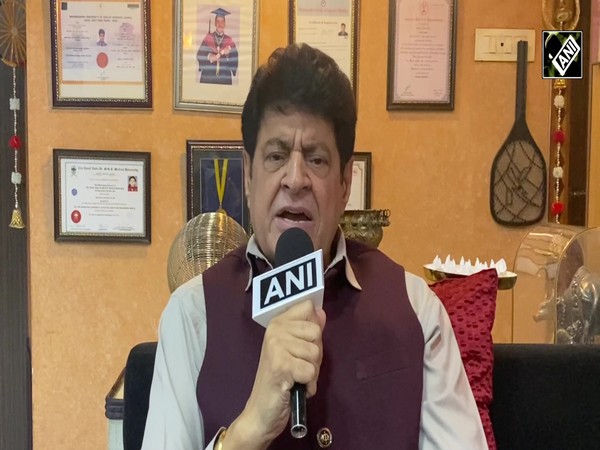
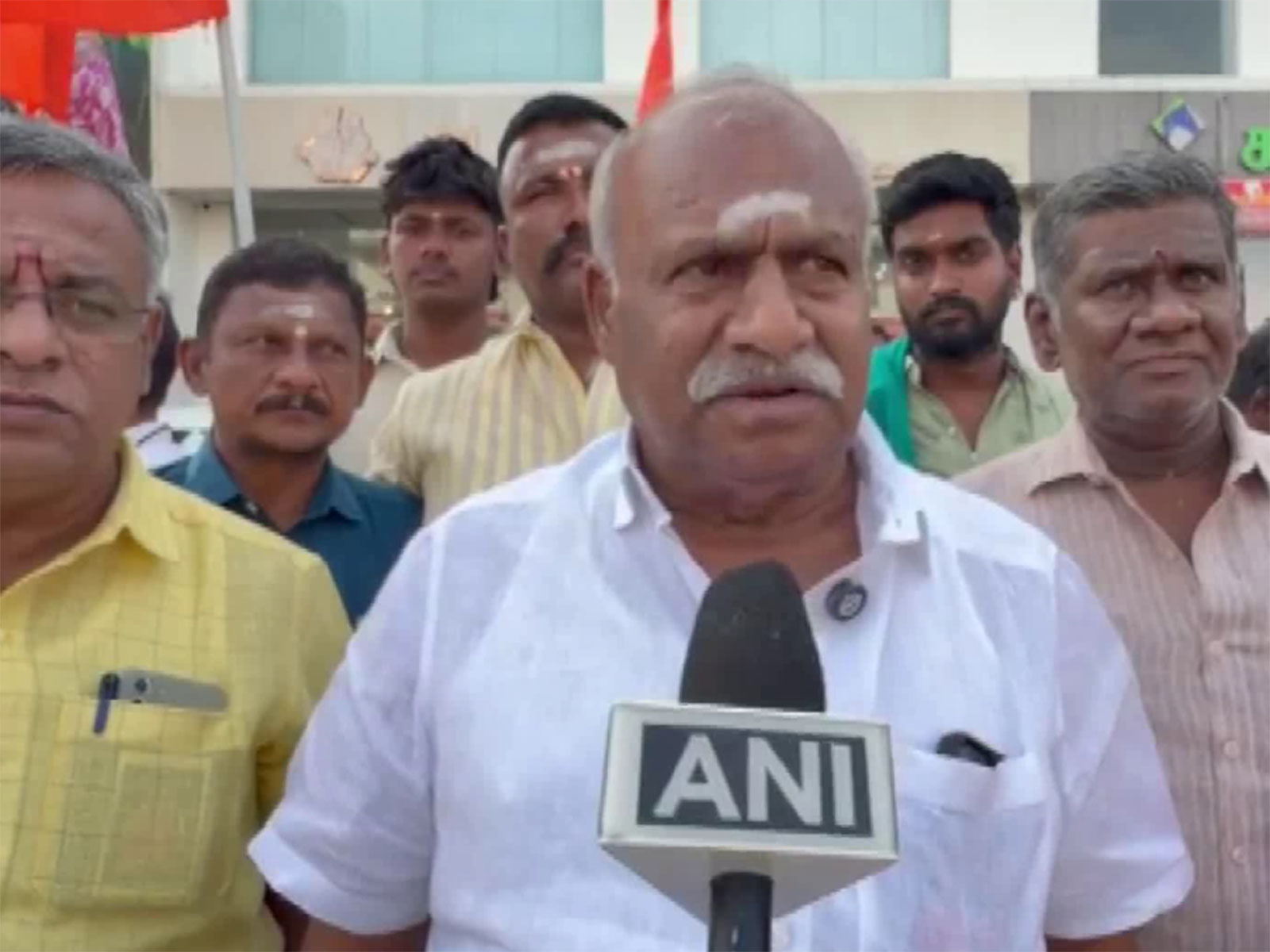
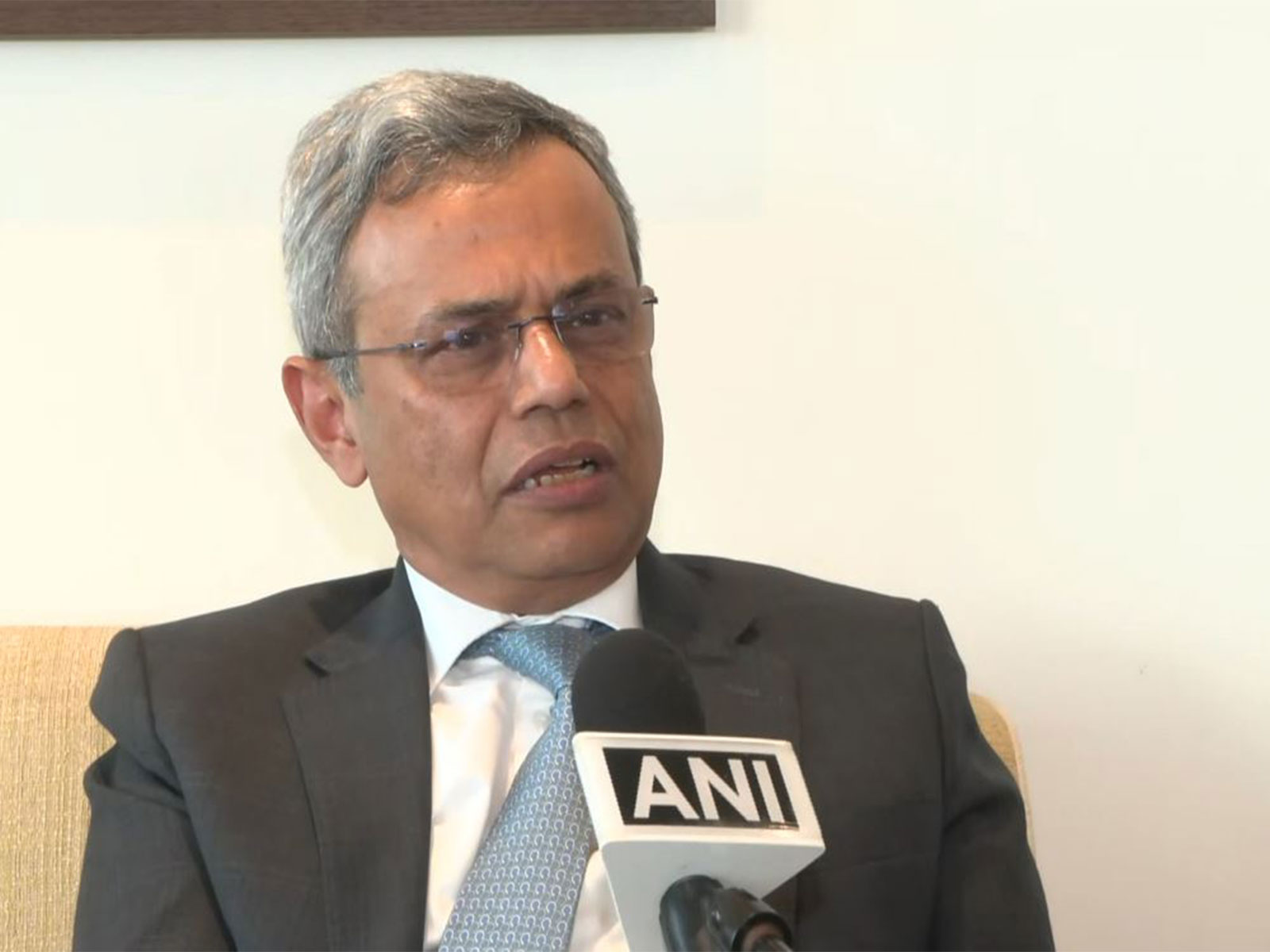
New Delhi [India], November 27 : India's flagship manufacturing initiatives, including Make in India and the Production Linked Incentive (PLI) scheme, are not a threat to American industry, India Trade Promotion Organisation (ITPO) Chairman Jawed Ashraf said, responding to the United States Trade Representative's (USTR) characterisation of these programmes as building "structural excess capacity."
In an exclusive interview with ANI, Ashraf expressed surprise over the characterisation, highlighting that India's manufacturing base remains relatively modest compared to the scale implied by the charge.
"If you look at the manufacturing-to-GDP ratio, it is still only 14-15 per cent," he said.
He acknowledged that India is making investments, offering subsidies and incentives, and developing infrastructure in sectors that will be crucial in the coming years. These include advanced manufacturing, electronics, artificial intelligence, biopharma, electric vehicles and clean energy.
"These efforts are meant for India's development and India's employment," Ashraf said, adding, "We do not have the capacity to harm anyone."
He further noted that excess capacity exists in countries such as China and that India does not follow the model adopted by some countries that import goods from China, undertake limited value addition and subsequently re-export them.
Ashraf's remarks come after the USTR on Wednesday proposed tariffs of up to 25 per cent on Indian goods, with certain exemptions, while indicating that the rate could be lowered to 17 per cent if India reaches an Agreement on Reciprocal Trade with Washington that addresses the findings of its investigation into structural excess capacity and production in manufacturing sectors.
"The Trade Representative proposes that appropriate action to obtain the elimination of the acts, policies, and practices would include applying tariffs of up to 25 percent on all goods of India, net of existing Section 301 tariffs, with exemptions for certain goods," the USTR said in an official statement on November 25.
Ashraf noted that India has been subject to several investigations under Section 301 of US trade law in the past, but none related to excess capacity. He said the latest move could be interpreted in two ways -- either as an attempt to pressure India into concluding a trade deal quickly or as a reflection of a particular mindset in the US.
However, he said he did not believe the move would put pressure on India.
"The government has never looked at it that way, and the trade deal will be done keeping our own interests in mind," he said.
Ashraf said there is a prevailing belief in the US that a trade deficit implies that another country is stealing from it and that industrial growth in other countries must come at America's expense.
He argued that a trade deficit is instead an outcome of macroeconomic conditions, such as high domestic spending and low domestic production, which lead a country to rely on imports.
India, he pointed out, runs a trade surplus with the US and Europe, while it has trade deficits with manufacturing-heavy economies such as China, Taiwan, Japan, South Korea and Singapore.
Energy accounts for around 32 per cent of India's imports from the US, while wood pulp and agricultural products account for another 10-12 per cent, making it difficult for India to balance bilateral trade simply by increasing imports from the US.
India-US trade negotiations have been underway for over a year, with both sides indicating that most issues have been resolved and that legal and formal processes are now being addressed.
Ashraf stressed that India would not conclude a trade agreement until it was satisfied that its domestic industry and national interests were adequately protected.