“Very salient”: UN climate chief backs PM Modi's remarks on clean energy cushioning India against oil price shock
Nov 13, 2026
By Vishu Adhana
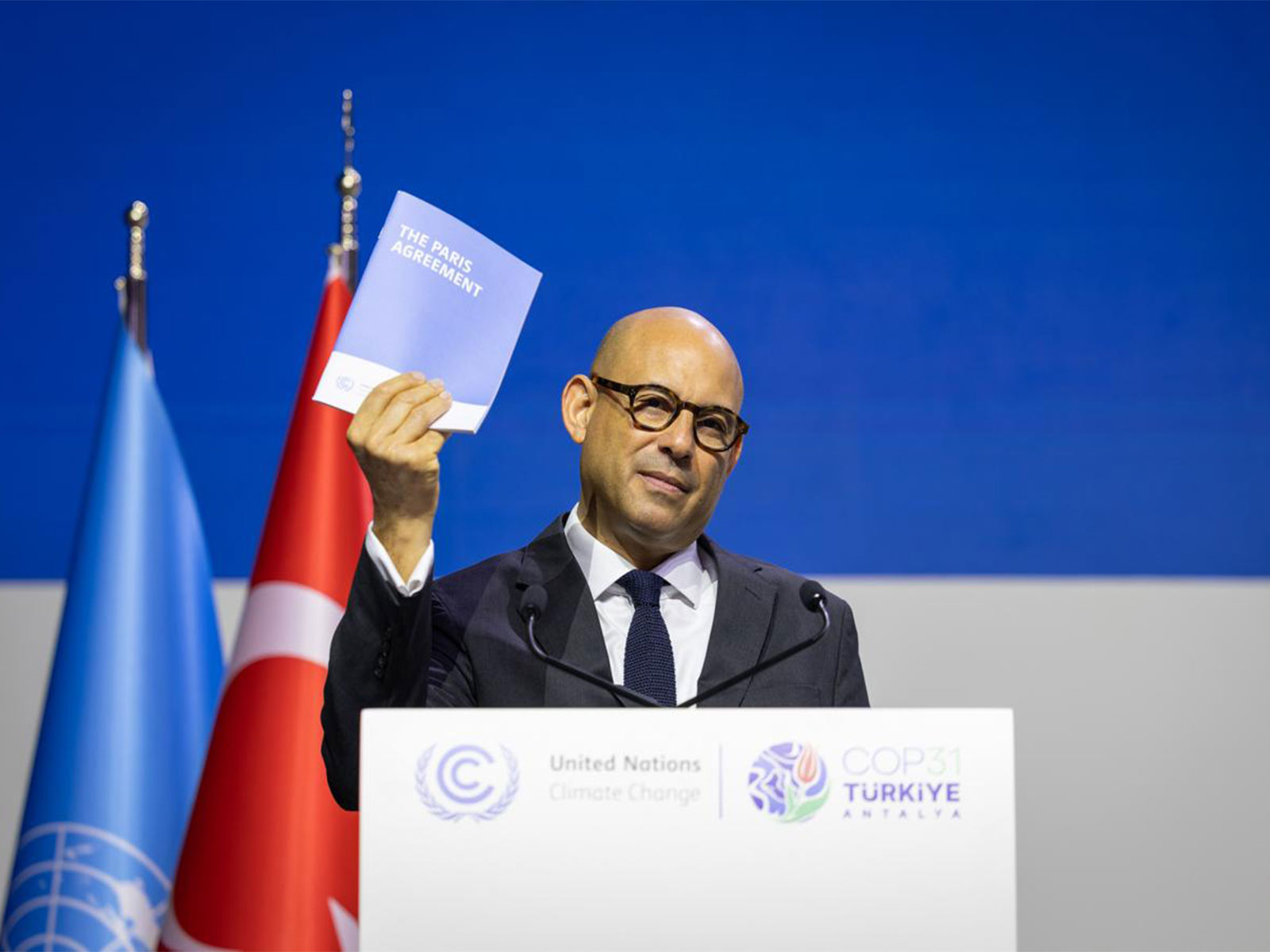
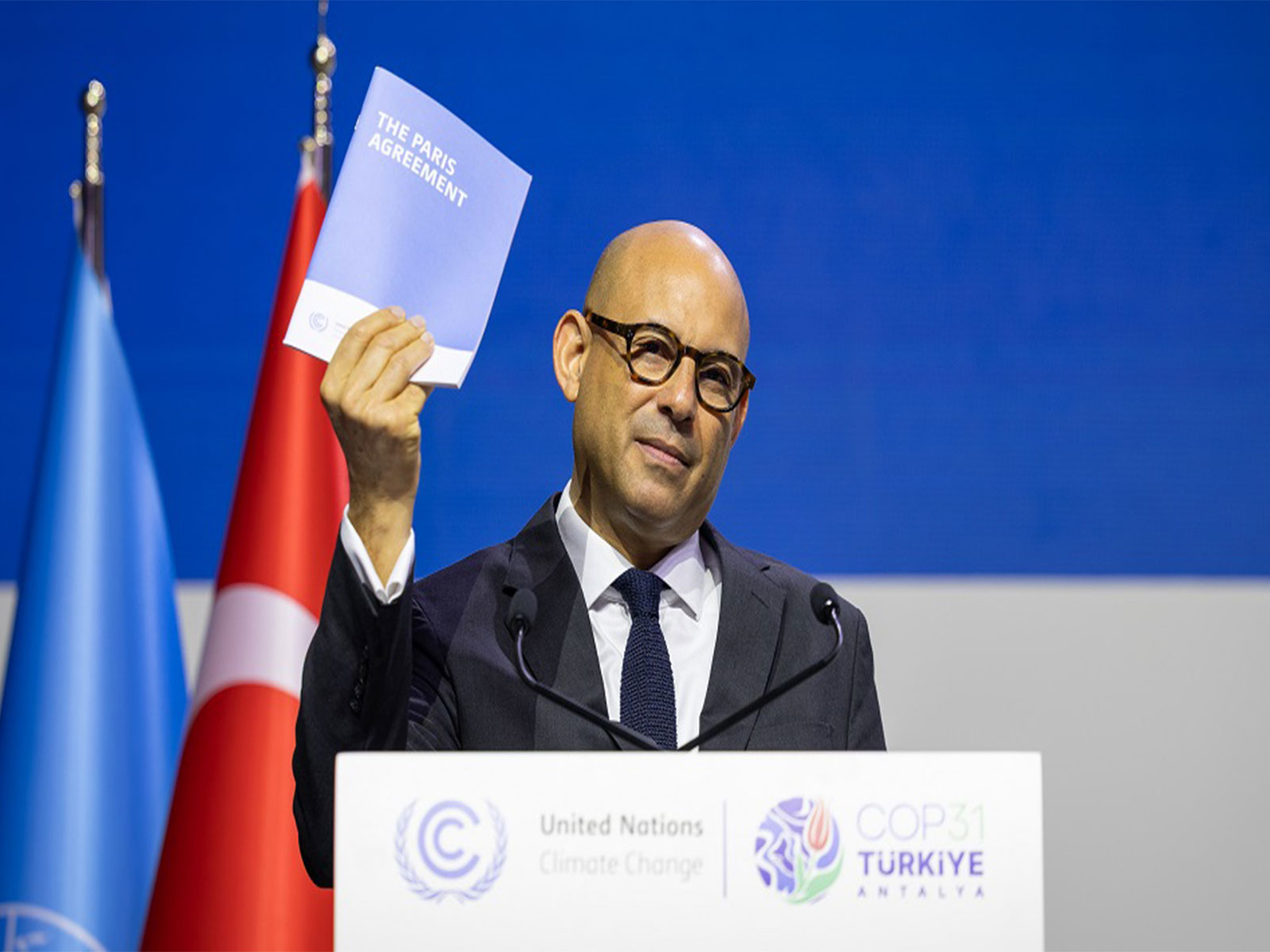
New Delhi [India], November 13 : United Nations Climate chief Simon Stiell has endorsed Prime Minister Narendra Modi remarks that investments in clean energy helped protect India's economic growth despite the oil price shock crisis, describing the comments as “very salient”.
Stiell, who is overseeing the international climate negotiations at COP31, acknowledged that the world is in the midst of a global fossil fuel cost crisis, as fossil fuel import costs drive inflation right through economies around the world.
In a written interview to ANI from Antalya, where COP 31 is underway, Stiell also welcomed India’s Green Energy Corridor, calling it a “major step forward that will deliver big dividends for India's people and economy.”
COP31 is the 31st United Nations Climate Change Conference, currently taking place in Antalya, Türkiye, from 9 to 20 November 2026.
The Turkish Presidency of the 31st Conference of the Parties (COP 31) to the United Nations Framework Convention on Climate Change (UNFCCC) has proposed a global 35-by-35 electrification pledge.
“The Turkish Presidency’s focus on electrification…shows that by electrifying more of their energy use, powered by renewables and better grids, countries can reduce energy bills and reduce pollution, which improves people's health and can lower energy bills. PM Modi's recent announcement on the Green Energy Corridor to strengthen grids and battery storage is a major step forward that will deliver big dividends for India's people and economy,” the Executive Secretary of the United Nations Framework Convention on Climate Change said.
“Working hand in hand with electrification, clean energy protects economies from the ruinous rollercoaster of fossil fuel dependency. PM Modi's recent comments about how investments in clean energy helped protect India's economic growth despite the oil price shock crisis are very salient,” he added.
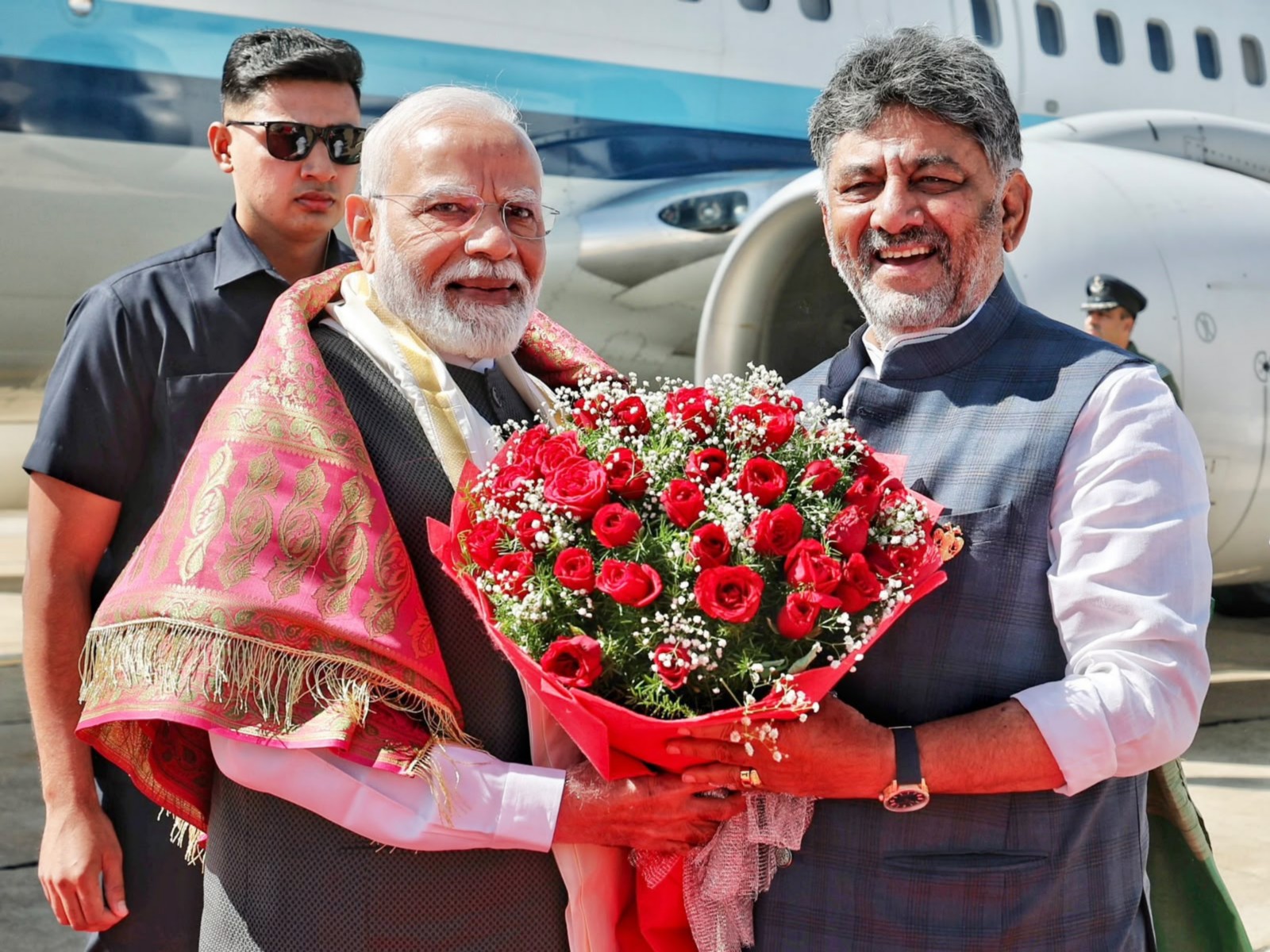
Addressing the Bharat Renewable Energy Summit & Expo 2026 on November 2, PM Modi said India was better placed to handle the global oil crisis despite the economic challenges,
“If India had not invested in clean energy and created new systems for this over the past decade, then our crisis could have been much more severe than the rest of the world,” PM Modi had said.
On being asked about the UNFCCC’s key priorities for COP31, Steill stated that COP31 is about showing and driving real-world progress on practical issues that matter to people in their everyday lives.
“We are focusing more than ever before on practical solutions that help countries deliver targets and pledges already made. Through both negotiations and the Global Climate Action Agenda - two parallel and complementary tracks. The issues being negotiated can help lay foundations for more real-world delivery and implementation of pledges, through ambitious outcomes on mitigation, adaptation, climate finance and just transitions,” he noted.
Stiell has also pushed for more electrification powered by renewables and better grids, saying countries can reduce energy bills and reduce pollution, which improves people's lives.
“The Action Agenda is bringing governments, businesses, investors, cities and regions together to drive faster progress. It is driving practical solutions that respond to some of the most pressing issues - electrification to bring down energy costs, reducing waste to reduce costs. Cutting methane – a super-pollutant which can have an impact on global heating 80 times greater than carbon dioxide,” he added.
Stiell pointed out that 75 per cent of energy demand can be electrified with solutions that exist today.
“The technology is already here: up to 75% of energy demand can be electrified with solutions that exist today. What we need now is to roll them out much faster, reaching far more communities in more countries, as we continue to expand access to electricity,” he added.
On the Bhotekoshi floods, Steill noted the disaster is a devastating reminder of how fragile these mountain environments can be, particularly the Hindu Kush Himalayas.
However, when asked about Nepal and Bhutan’s supplementary provisional agenda submissions regarding the Himalayas getting rejected, Steill said: “For years, scientists and local communities have been warning that the Himalayas are at huge risk from climate change. The Himalayas are precious natural and cultural heritage. How Parties decide to address this going forward is not for me to pre-judge.”
“But I must stress that every fraction of a degree, and every year above 1.5°C, matters hugely. The task at hand is to keep the overshoot as short and small as possible. Every fraction of a degree, and every year spent above 1.5c, will be measured in millions of lives and trillions in economic losses. That's why this COP must drive forward progress on practical solutions that can help countries convert their pledges and targets into more real-world results,” he added.
Nepal and Bhutan’s joint proposal for a dedicated mountain climate agenda was left off the formal list at the 31st UN Climate Change Conference (COP31) in Antalya, Türkiye, after failing to win the support of major developed nations and negotiating blocs.
On climate financing, Stiell said that efforts to triple adaptation finance by 2035 must accelerate, with finance reaching vulnerable communities on the front lines.
"The agenda of each COP is a matter for all countries in this process to determine, under the guidance of the COP presidency each year. More broadly, full delivery on existing finance pledges is key to turning climate plans into investment and real-world results. Advancing actions under the Baku to Belém Roadmap is essential to scale up finance to USD 1.3T a year by 2035. And efforts to triple adaptation finance by 2035 must accelerate, with finance reaching vulnerable communities on the front lines who need it most," he said.