"We need to see the Strait open": US Secy Rubio updated Quad on Iran talks, says Aussie FM Wong
May 26, 2026
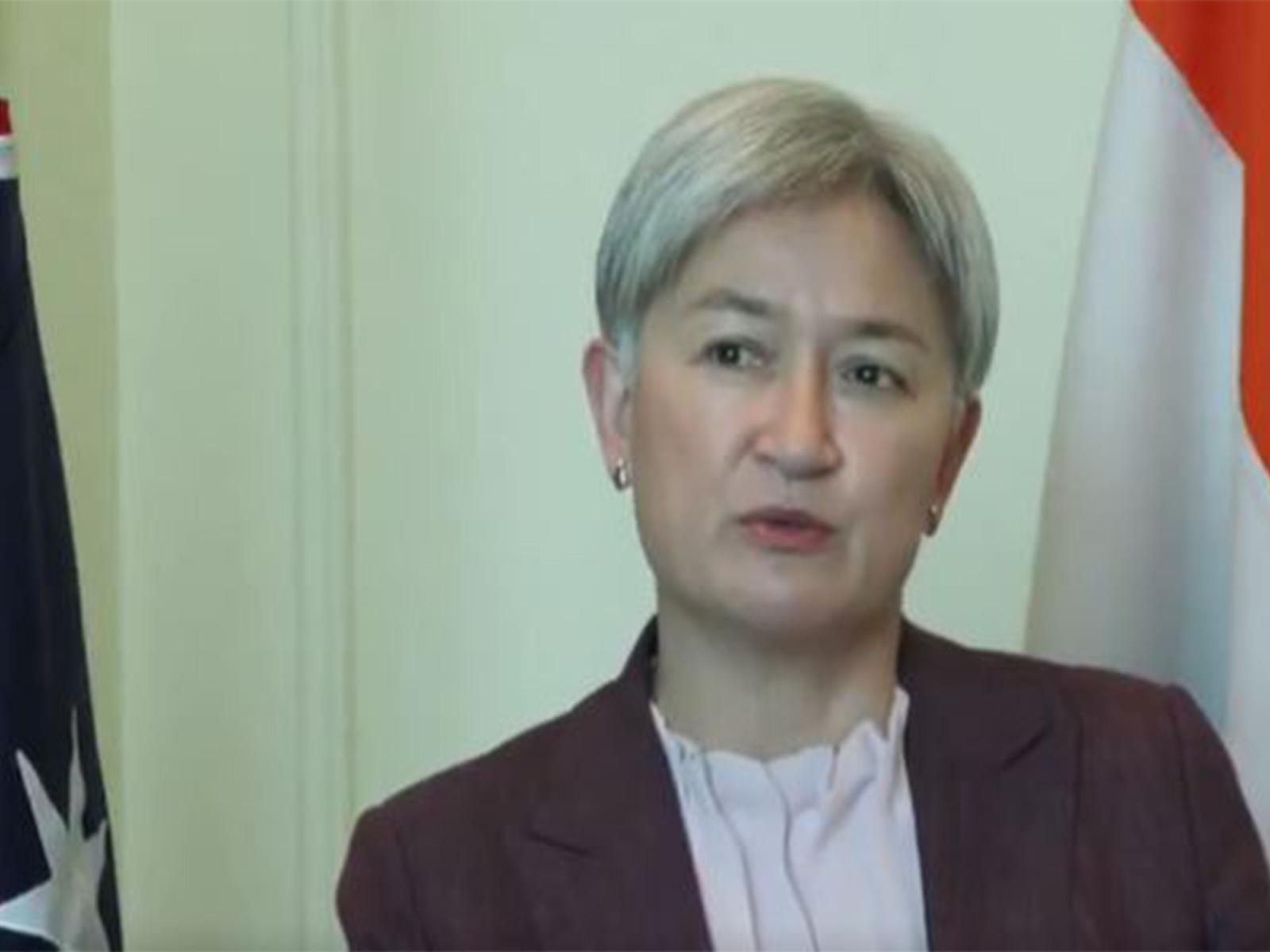
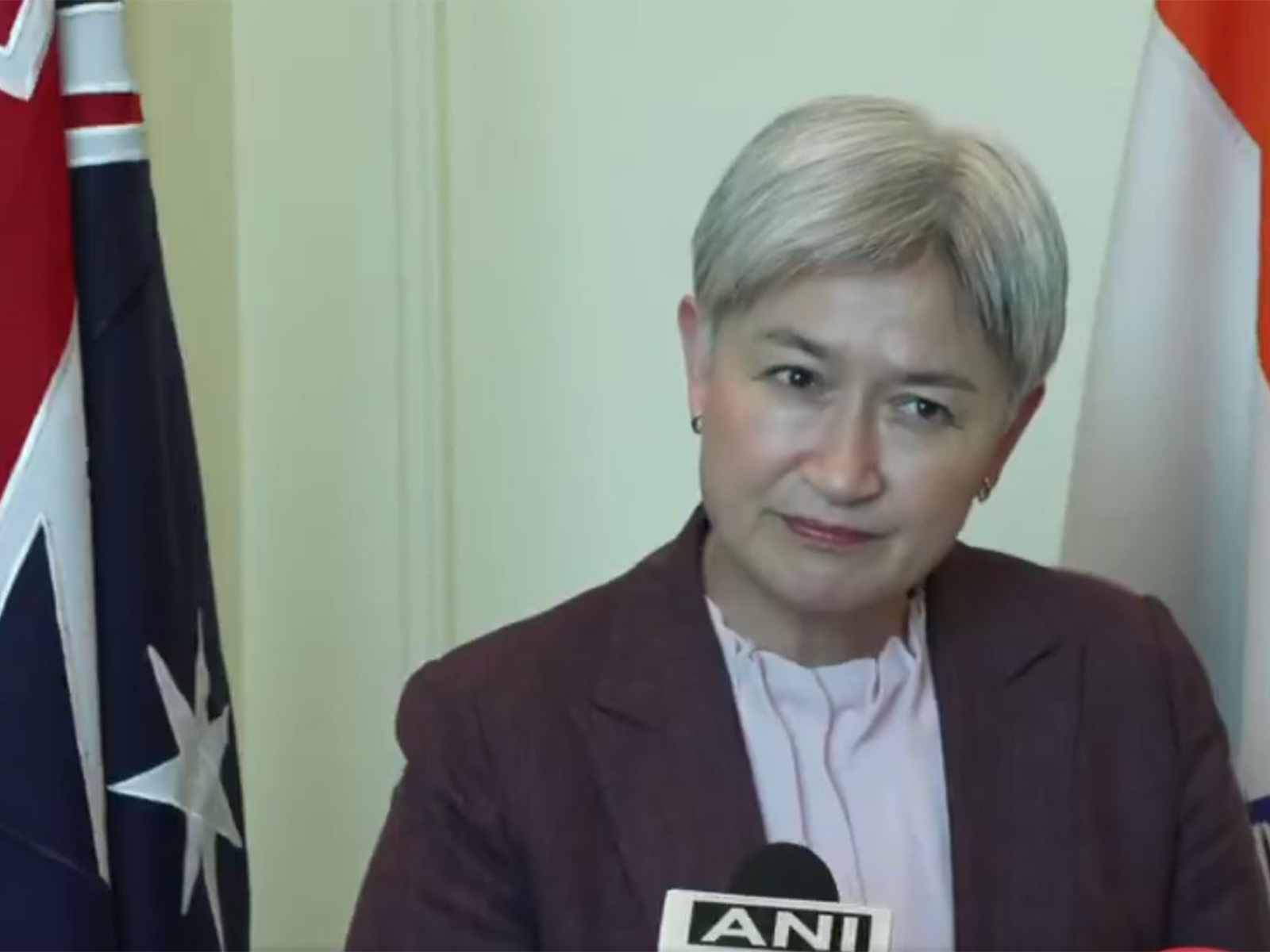
New Delhi [India], May 26 : Highlighting a unified stance among Quad partners on maintaining global maritime stability, Australian Foreign Minister Penny Wong on Tuesday stated that US Secretary of State Marco Rubio updated members on the progress of crucial diplomatic negotiations with Iran over the volatile Strait of Hormuz.
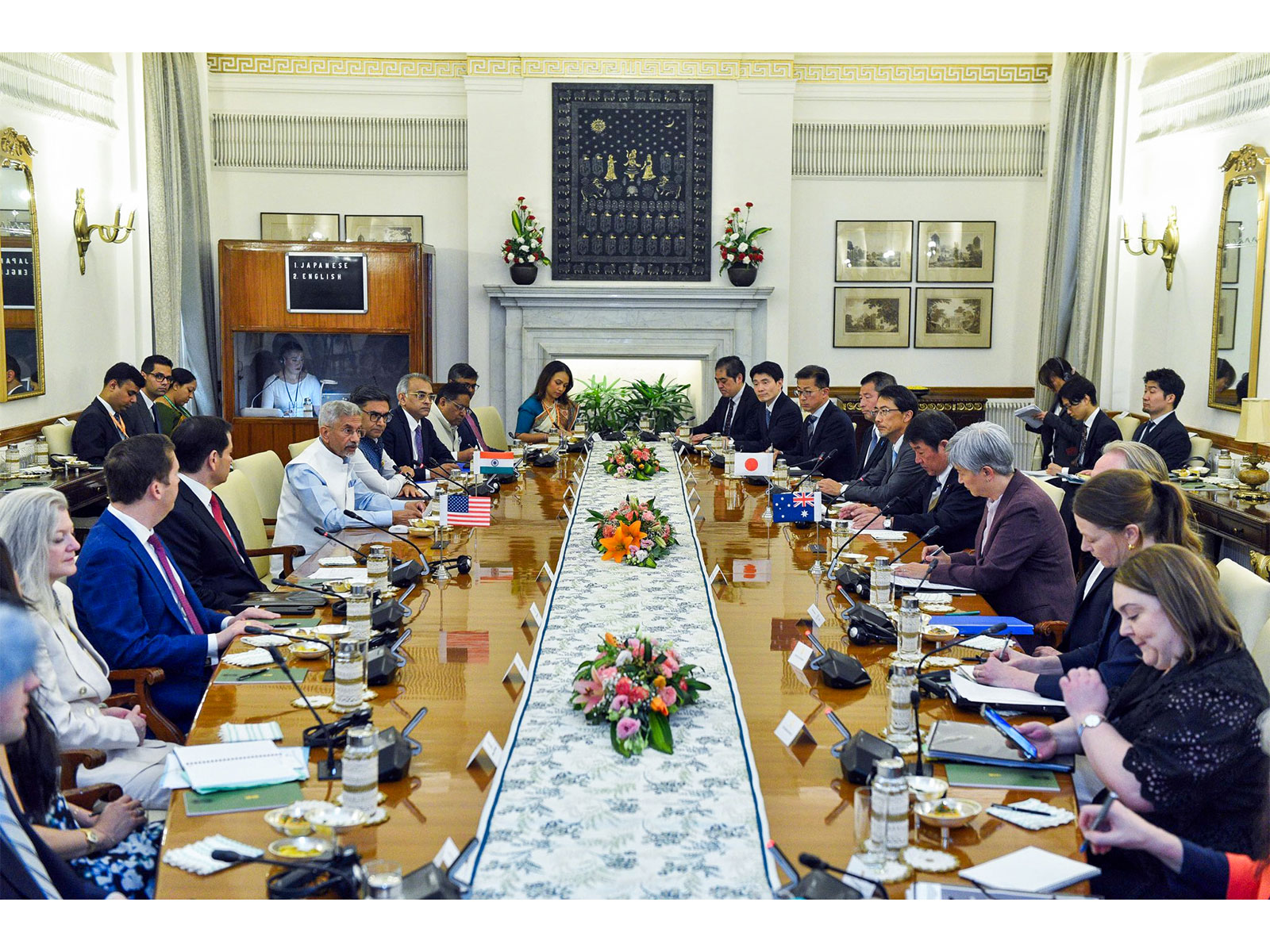
Addressing reporters in the national capital after deliberations of the foreign ministers of the four members of the Quadrilateral grouping of countries, Wong underlined the strategic necessity of keeping the vital trade chokepoint secure, pointing to a shared consensus within the four-nation grouping to avert a wider economic fallout.
Responding to a question from ANI regarding the escalating situation in the Strait of Hormuz, the Australian Minister detailed the high-level diplomatic briefings that took place during their interactions.
"The first point is that Secretary Rubio did update us on the negotiations and the progress of those negotiations with Iran. Australia and others have been saying for some time that we need to see a diplomatic resolution," Wong said.
With global maritime trade vulnerable to disruptions in West Asia, the minister tied the ongoing instability directly to the shared strategic priorities of the four Quad members- India, the US, Japan and Australia.
"We need to see the Strait open. We need to see the supply flow. And I think that's a consistent position of Quad members. So we were updated on that," she noted.
The ripple effects of the ongoing friction in West Asia have pushed the grouping to actively address the vulnerabilities in global logistics and fuel corridors, ensuring that regional economies are insulated from sudden shocks.
Elaborating on how the Quad plans to address the direct fallout of the maritime deadlock, Wong connected the conflict to the tangible, collaborative frameworks emerging from their latest discussions.
"In terms of some of the consequences of the conflict and the closure of the Strait, you would see that there's a discussion about energy security, and the Energy Security Initiative is one of the outcomes of our meeting," the Australian Foreign Minister explained.
This crucial update emerged from the first Quad meeting of 2026 hosted by India- which brought together External Affairs Minister S Jaishankar, US Secretary of State Marco Rubio, Australian Foreign Minister Penny Wong and Japanese Foreign Minister Toshimitsu Motegi to confront a world economy reeling under acute economic stress and aggressive maritime blockades.
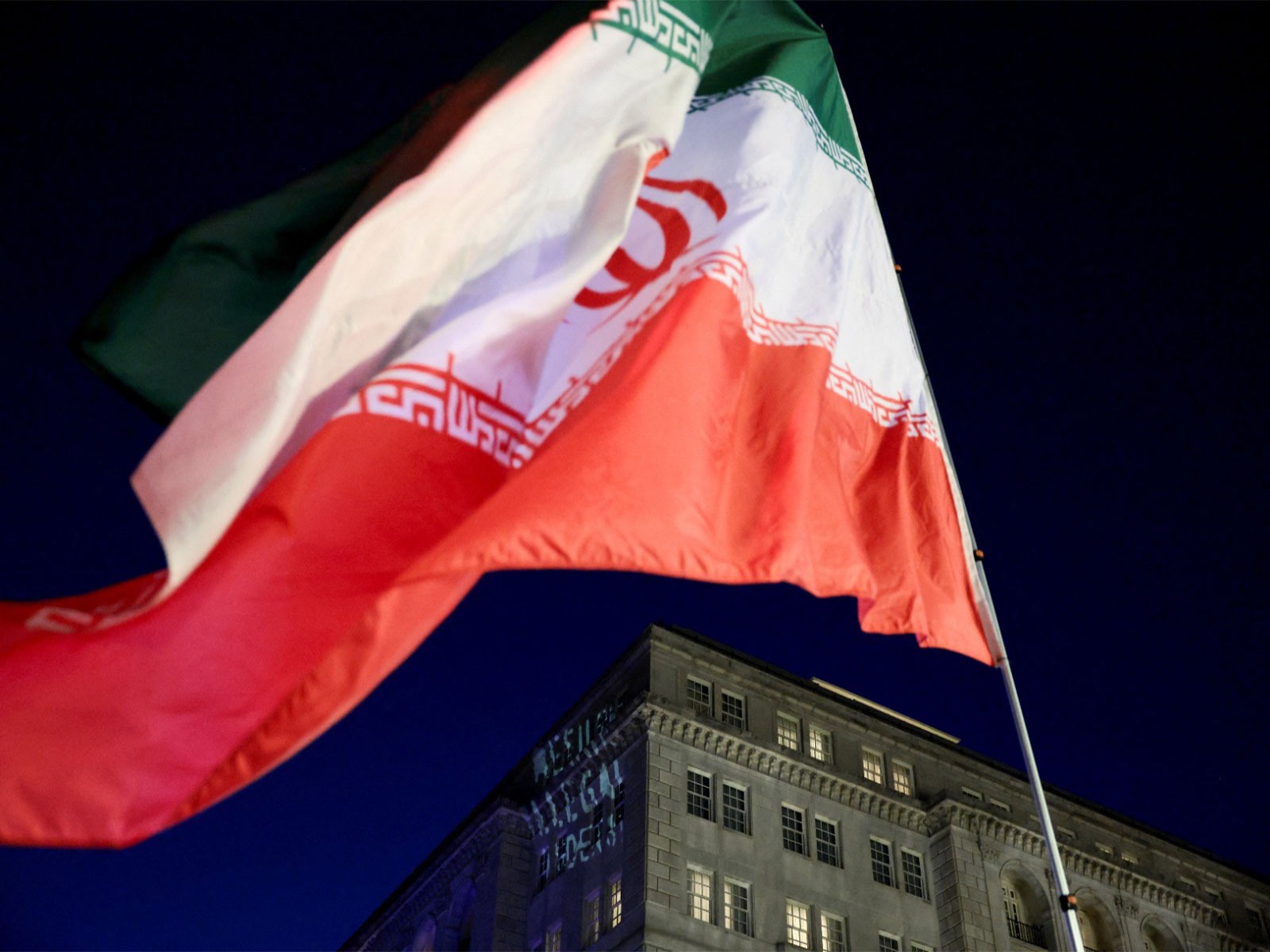
At the heart of the emergency deliberations was Iran's recent closure of the critical strategic waterway, a move executed in response to a US-Israeli war that broke out on February 28, severely disrupting international energy markets. Tensions have since intensified as Tehran actively discusses formalising its chokehold over maritime traffic by establishing a permanent tolling system.
En route to New Delhi, Secretary Rubio set a confrontational tone for the summit, flatly rejecting Tehran's maritime manoeuvres as unlawful, illegal, unsustainable and unacceptable, while firmly asserting that no nation across the globe would accept such a unilateral tolling mechanism.
Addressing a group of media persons after the meeting, Australian minister Wong voiced deep apprehensions over the regional fallout of the blockade, explicitly characterising Iran's closure of the strategic passage as a primary catalyst for the current wave of global instability.
"We know the consequences for our region of the Iranian closure of the Strait of Hormuz and what that means for our energy security, for our economies, and for our people," Wong warned, while commending Rubio's ongoing diplomatic interventions to restore unhindered freedom of navigation.
Host minister S Jaishankar described the strategic interactions between the Quad leaders as highly substantive and productive, reiterating that the four major democracies spent considerable time focusing on ensuring safe and unimpeded commerce while calling for the scrupulous observation of international law.
Aligning with this firm posture, Japanese Foreign Minister Toshimitsu Motegi confirmed that the grouping had synchronised its strategic perceptions on the fast-evolving regional security landscape, agreeing to strongly oppose any unilateral attempts to alter the status quo through coercion.
To transition the security architecture from what Rubio described as a traditional "talk shop" into an active "partnership of action" representing one-third of global GDP, the ministers unveiled a suite of major initiatives aimed at insulating the Indo-Pacific, where 60 per cent of global maritime trade transits.
Chief among these frameworks is the newly launched Indo-Pacific Energy Security Initiative, a direct policy countermeasure designed to reinforce regional fuel supply chains, which will see the US Department of Energy hosting a specialised Fuel Security Forum for Quad partners later this year.
To back this up operationally, the grouping launched the Indo-Pacific Maritime Surveillance Collaboration, a strategic mechanism that integrates the tracking and surveillance capabilities of India, the US, Japan and Australia to generate a Common Operating Picture and deliver near real-time data sharing across vital shipping corridors.
In a landmark geopolitical shift to counter deteriorating strategic circumstances in the island chains, Rubio announced that the Quad will also jointly fund and develop a major port infrastructure project in Fiji under the newly minted Quad Ports of the Future Partnership.
Further elevating their joint defensive posture, the US Secretary of State concluded by thanking India for committing to host the next "Quad at Sea" deployment, an operational milestone that will see the coast guards of all four nations operate together aboard a single vessel to enforce maritime safety.