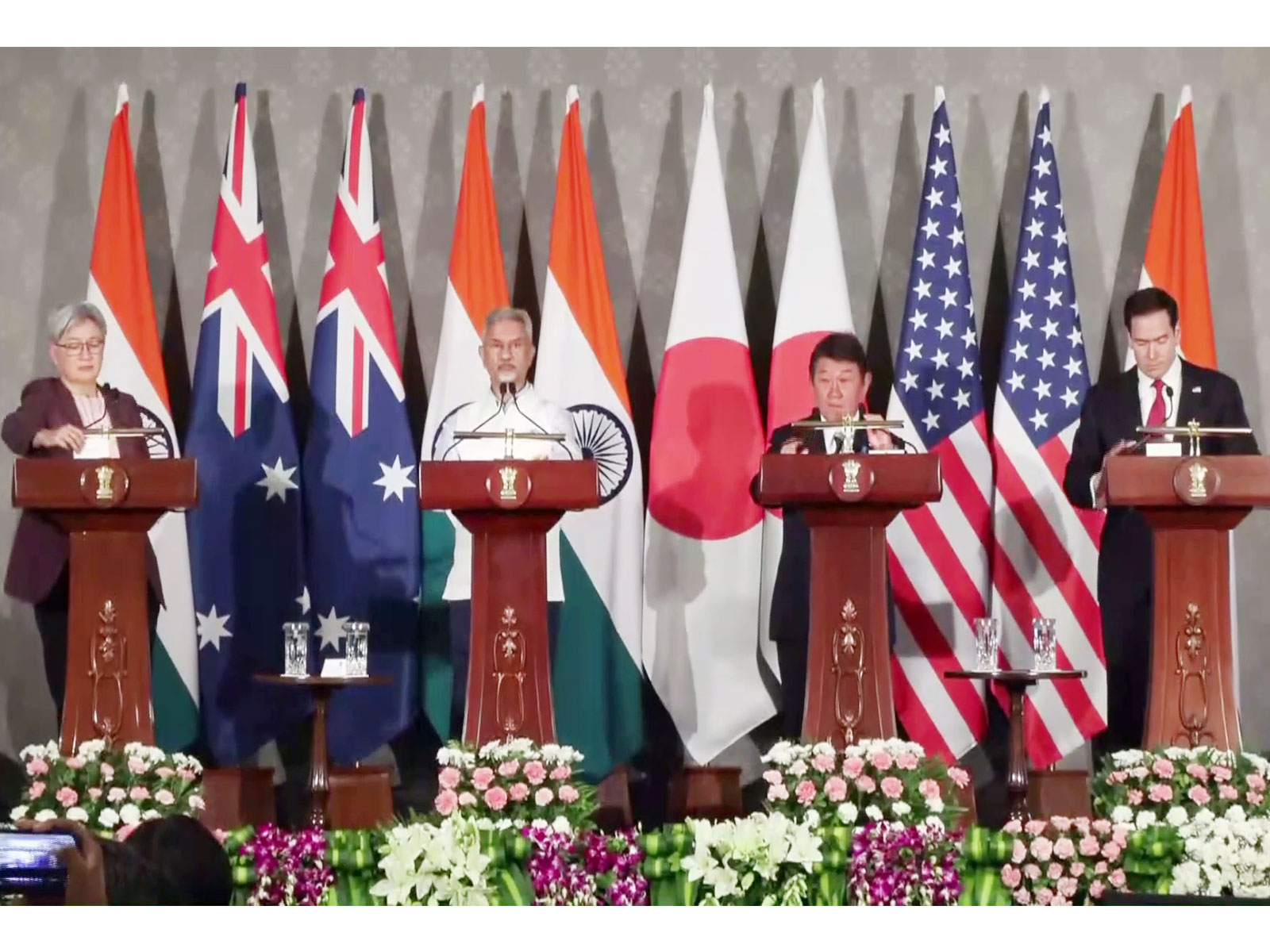
We oppose creation of "exclusive groupings", "bloc confrontation", says China after Quad ministers meet in India
May 26, 2026
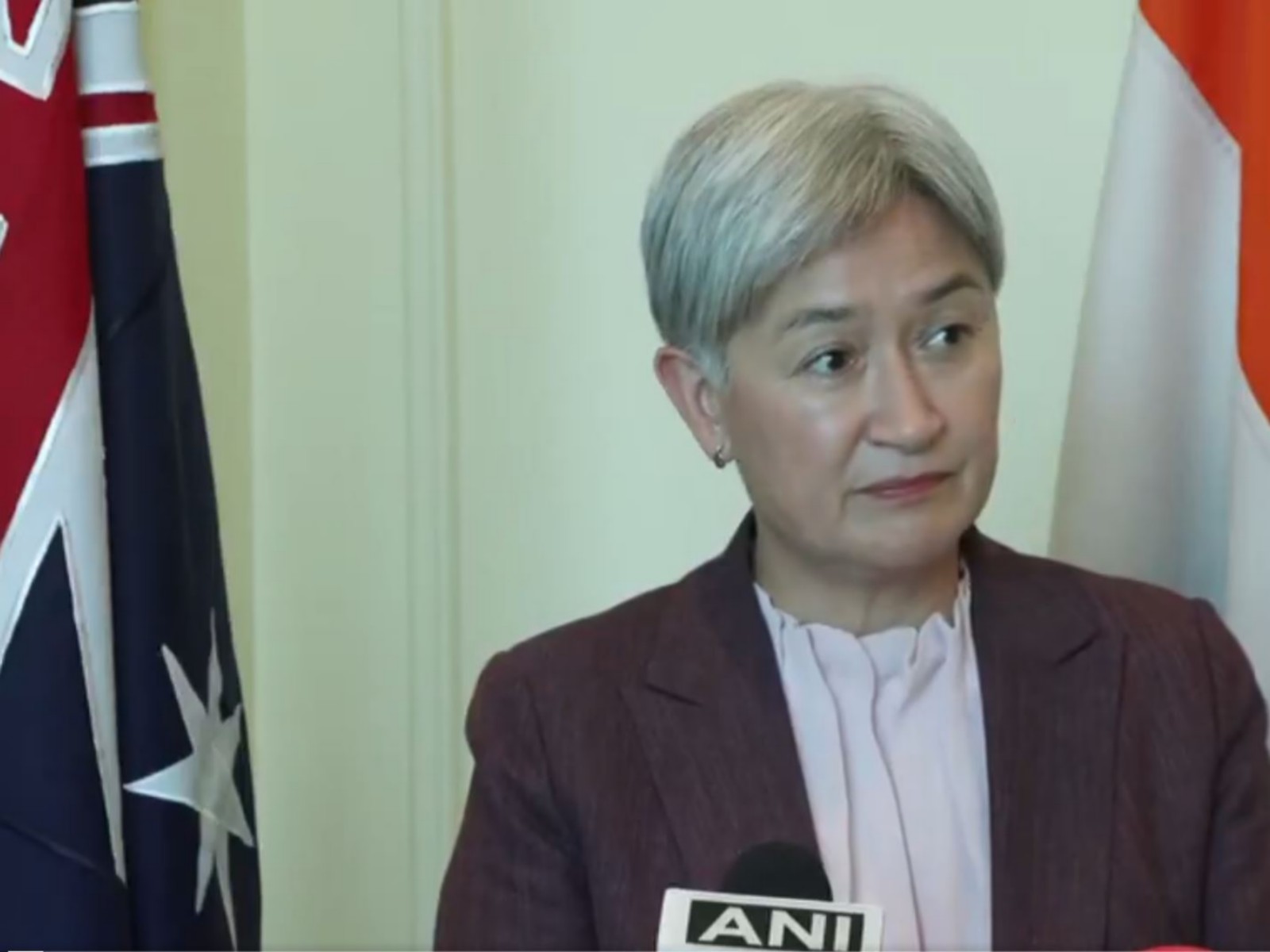
New Delhi [India], May 26 : The Foreign Ministers of Australia, India, and Japan and the Secretary of State of the United States of America, met in New Delhi on Tuesday for the Quad Foreign Ministers' Meeting hosted by India. In a joint statement released after the meeting, the grouping voiced serious concern over the situation in the East China Sea and the South China Sea.
"We remain seriously concerned about the situation in the East China Sea and the South China Sea. We reiterate our strong opposition to any destabilising or unilateral actions, including by force or coercion, that threaten peace and stability in the region," the Ministers said in the statement.
"We express our serious concerns regarding dangerous and coercive actions, including interference with offshore resource development, the repeated obstruction of freedom of navigation and overflight, and the dangerous manoeuvres by military aircraft and coast guard and maritime militia vessels, especially the unsafe use of water cannons and flares, and ramming or blocking actions in the South China Sea. We are seriously concerned by the militarisation of disputed features", the joint statement read.
In response to the Quad ministers' joint statement, China today said it opposes the creation of "exclusive groupings" and "bloc confrontation".
The Chinese Foreign Ministry spokesperson Mao Ning, in a regular press briefing today, said, "China has stated its position on Quad on multiple occasions. Cooperation between countries should be conducive to regional peace, stability and prosperity, and not target any third party. We oppose forming exclusive groupings or engaging in bloc confrontation."
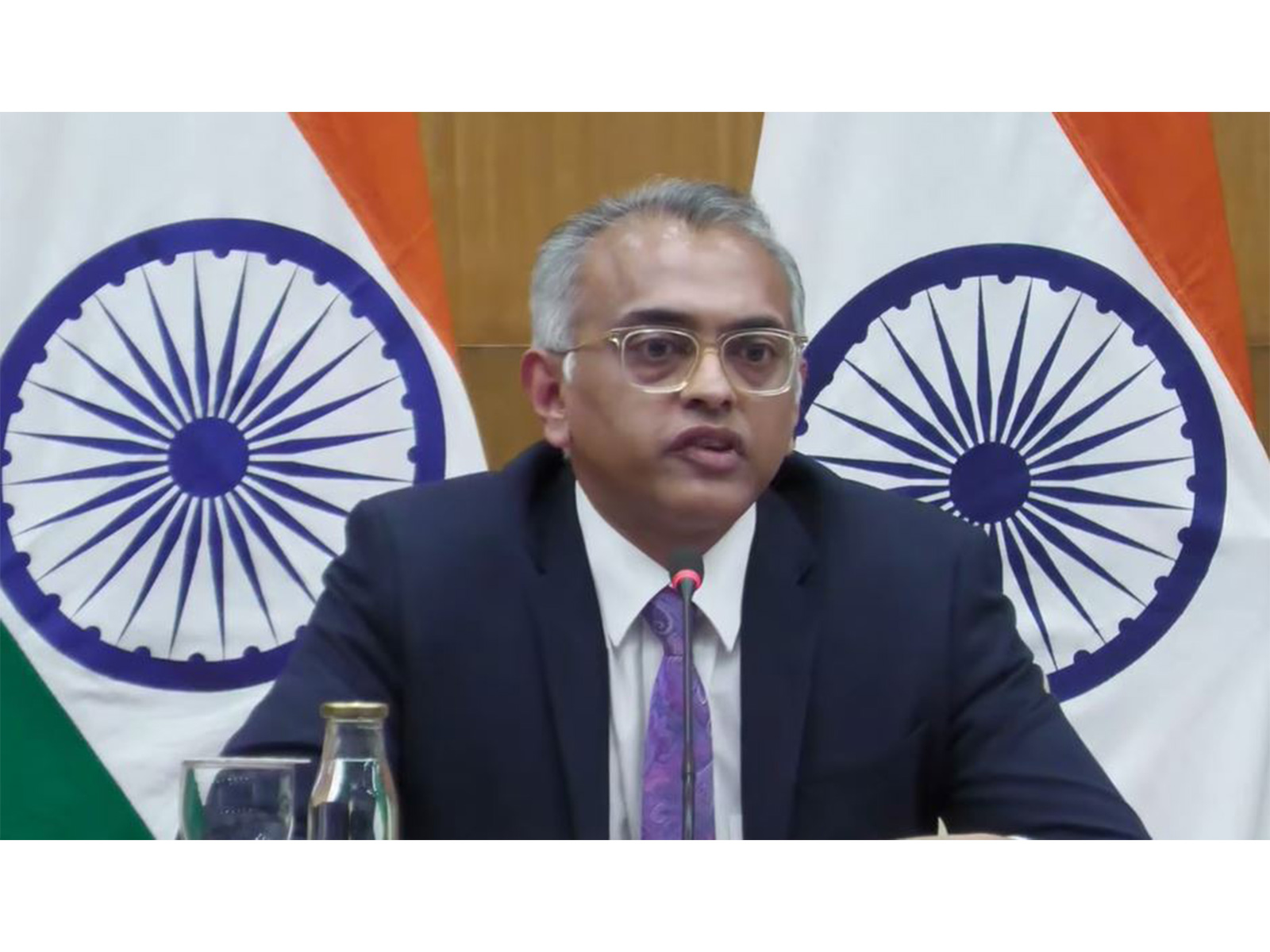
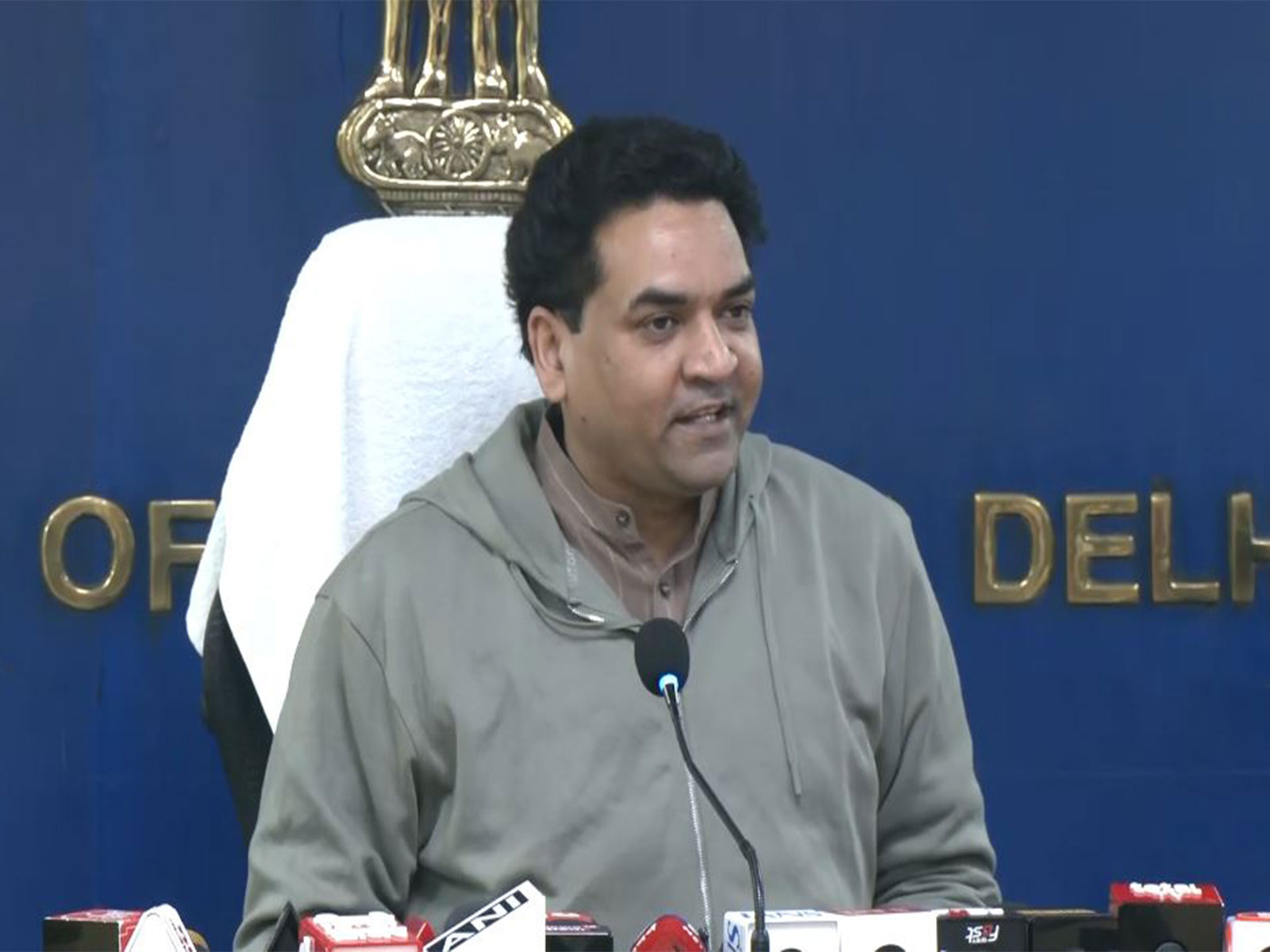
Addressing a special briefing following the Quad FMM here, the Ministry of External Affairs Additional Secretary, Nagaraj Naidu, said that the Quad has evolved over the years with a focus on delivering practical and development-oriented projects across regions.
"The Quad's existence is not because we need to address a particular geography's concerns. I think the Quad came together way back in 2004. This is 2026; the Quad has been operating for a very long time," Naidu said.
He said the Quad's focus has consistently remained on practical cooperation and tangible outcomes, pointing to its coordinated response during the COVID-19 pandemic, including vaccine delivery initiatives.
"As we always keep saying, our focus within the Quad has been to deliver practical projects. The Quad came together at the time of the COVID pandemic, and how the Quad came together and had the pandemic response that was put together in the delivery of vaccines," he added.
Naidu added that the Quad's developmental initiatives extend beyond the Indo-Pacific, citing off-grid solar projects in East Africa and the newly announced development work in Fiji.
"India, through the Quad platform, we are delivering off-grid solar projects all along East Africa. We are also doing projects in Fiji. So I don't think there is always an attempt to perhaps paint Quad in a particular manner," he said.
In its joint statement, the Quad foreign ministers reaffirmed their commitment to trusted and resilient infrastructure and announced plans to work with the Government of Fiji to advance port infrastructure and associated activities in the country, following the Quad Ports of the Future Partnership Conference hosted by India in October 2025.
Naidu further underlined that the grouping's activities remain transparent, with all official documents and fact sheets publicly available.
"Quad, if you look at what we do, the Quad activities are always informed, all our documents are publicly available, and if you look at the kind of documents we're bringing out, we are enlarging the scope of the developmental agenda," the Additional Secretary added.
The Quad - comprising India, the United States, Japan and Australia - has increasingly expanded cooperation in areas including maritime security, critical and emerging technologies, infrastructure, health security and climate resilience.