"We really want a change": Israeli voters share expectations ahead of elections
Oct 26, 2026
By Prashant Pandey
Jerusalem [Israel], October 26 : Ahead of Israel's legislative elections, residents across different age groups have expressed hopes for peace, political change and national unity, as the country faces the impact of prolonged conflict and continuing regional tensions.
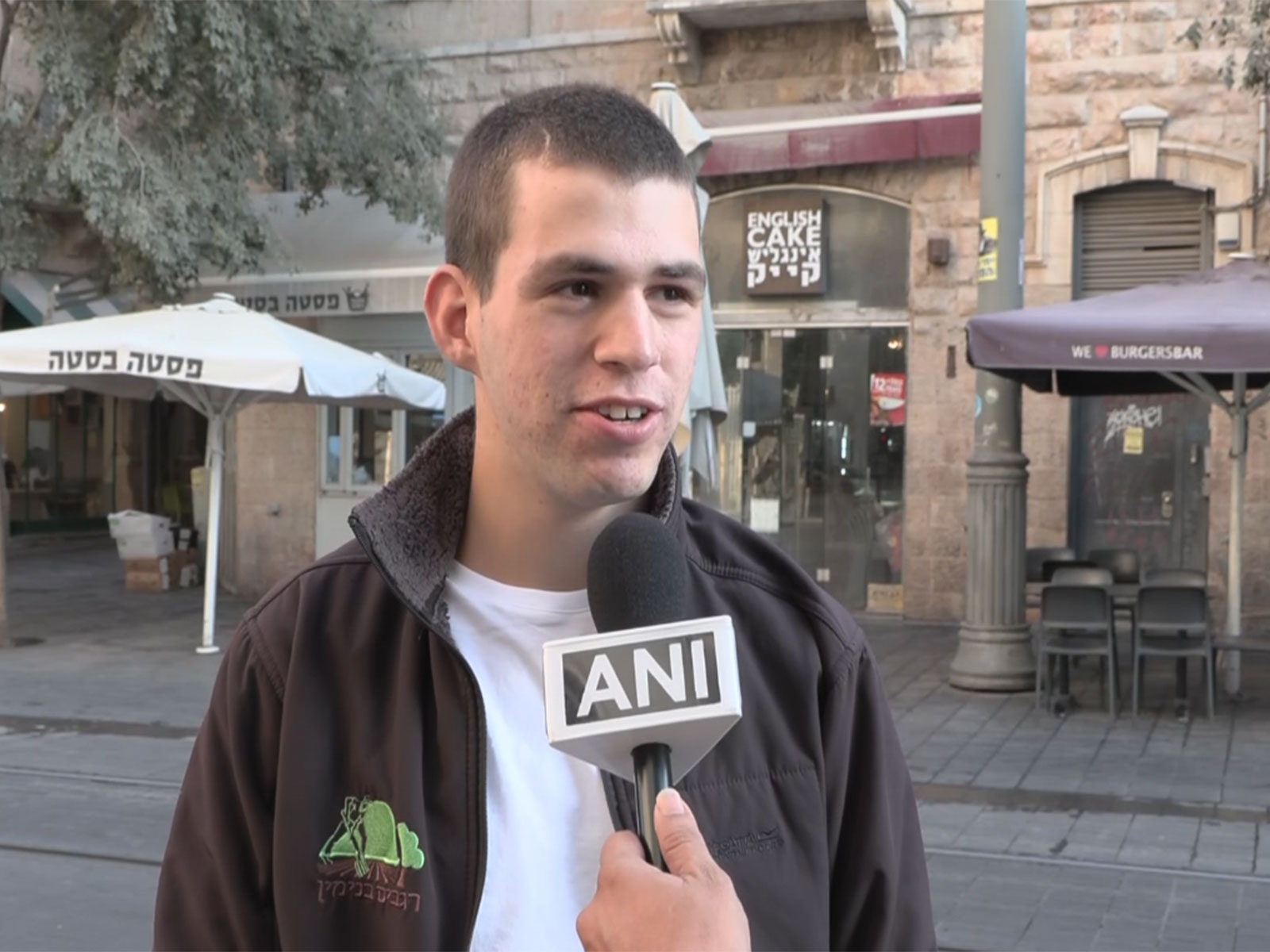
Speaking to ANI, first-time voter Nave said Israel needed to reach agreements with other countries and Hamas in the Gaza Strip after three years of war, stressing that the prolonged conflict had significantly affected young people.
“My expectation from the government is that after three years of war, we need to get some agreements with the other countries and with Hamas in the Gaza Strip, and we need to get some peace and quiet because these three years of war have affected us very much as young people and as first-time voters,” Nave said.
Speaking about the expectations among his peers, Nave said most of his friends wanted a change in government, although some members of his family continued to support incumbent Prime Minister Benjamin Netanyahu.
“My circles, my friends, most of them think we need a change. Some, like my family, vote for the government we have now, still vote for Netanyahu, but most of our friends that are my age are voting for change,” he told ANI.
Another resident, Gideon Ros, expressed dissatisfaction with the prevailing situation in Israel, saying that repeated violence and conflict had made it difficult for people to live peacefully.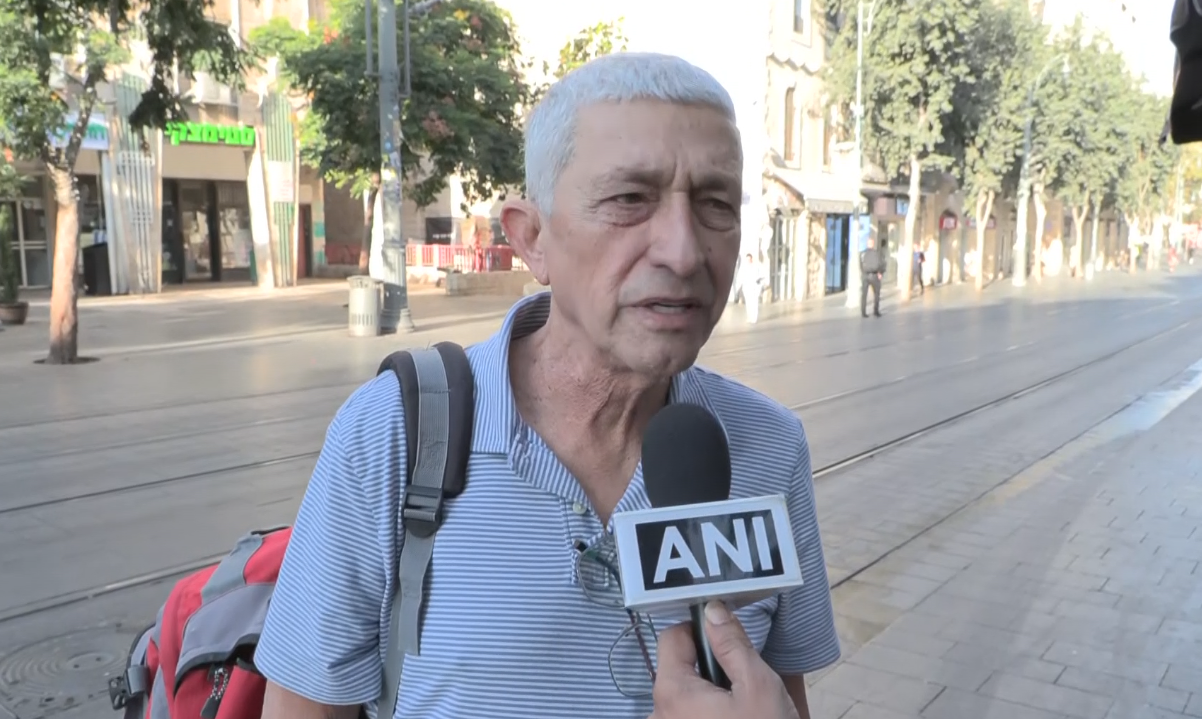
“I don't like what is happening with Israel now. This time, all the time war, all the time killing, all the time from two sides, we need a little time to live in peace,” Ros said.
“All the world is changing now, but it's good if we live in peace now,” he added, while expressing his desire for a change in government.
“I want to change the government. I want to change it,” Ros told ANI.
Ros said that life in Israel itself was good, but expressed concern about developments in the surrounding region.
“The life is good here in Israel, but all what happening around it's not good,” he said.
Ido, another resident, said the past few years had been difficult and that he and his friends were hoping for a change, expressing optimism that the country could move towards a better future.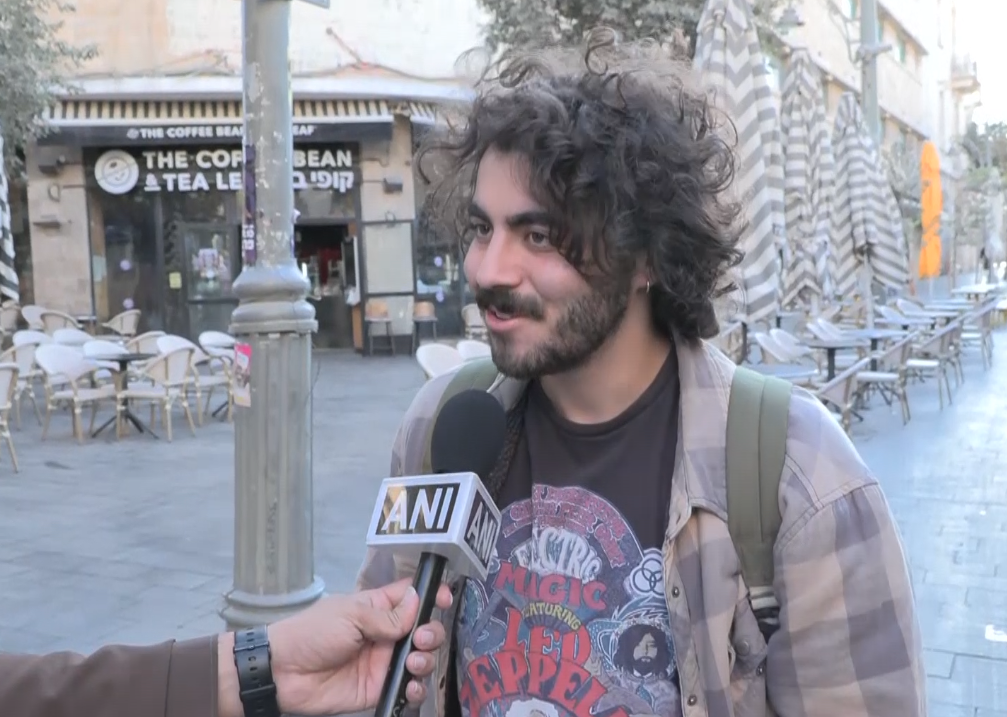
“See, we had like a really rough couple of years and me and my friends are really hoping for a change. I have a lot of hope in my heart that things will get better,” Ido said.
“And we will see. It's really dramatic, and it's really important for me that this country will go towards something like a better place. And I think it's really like this is the moment that it can happen,” he added.
Reflecting on the impact of the war on everyday life, Ido said the conflict had changed people's lives, with the loss of friends and acquaintances leaving a lasting impact.
“I mean it changed everyone's like opinion. It changed everyone's life, like I have a couple of friends that died, and I know that all of my friends have like people that they know that died. So you can feel it like in the day-to-day life,” he told ANI.
“And yeah, it's really tough,” Ido added, saying the elections were important to him and his circle of friends.
“Like, it's important. It's a big deal for us. We are excited. We really want a change,” he said.
Meanwhile, Sharda emphasised the importance of unity, saying Israelis should remain together regardless of the election outcome.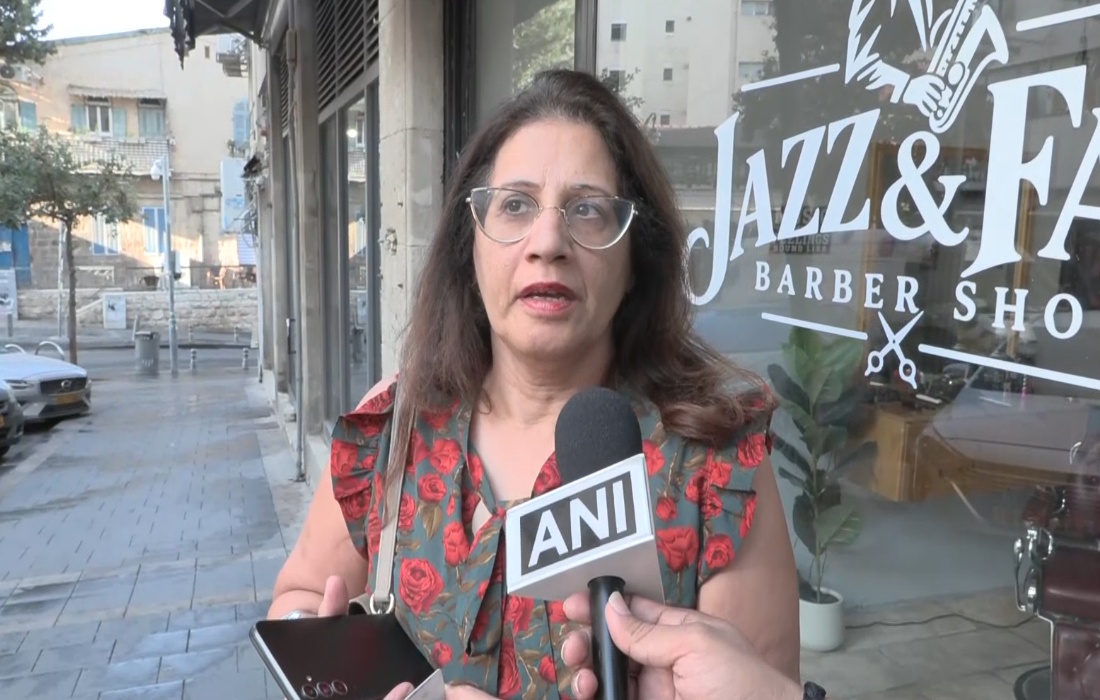
“I think when I told it I would tell it again that no matter what the result of the election will be, we have to be together united, and this is the strength of Israel that we will be together,” she told ANI.
On women's participation in political decision-making, Sharda said women should have a greater role in shaping decisions, stressing that the issue was relevant globally and not limited to Israel.
“I don't think that the women suffer, but we need to be more. How do we say it? More involved in the decision like all women in the world, not particularly in Israel, and this is what I have to say,” she said.
In less than 24 hours, the elections are taking place amid regional tensions, with Israel embroiled in the Iran conflict and facing security challenges involving Hezbollah. Netanyahu has projected himself as the leader best positioned to counter the Iranian threat, with support from US President Donald Trump forming part of his political narrative.
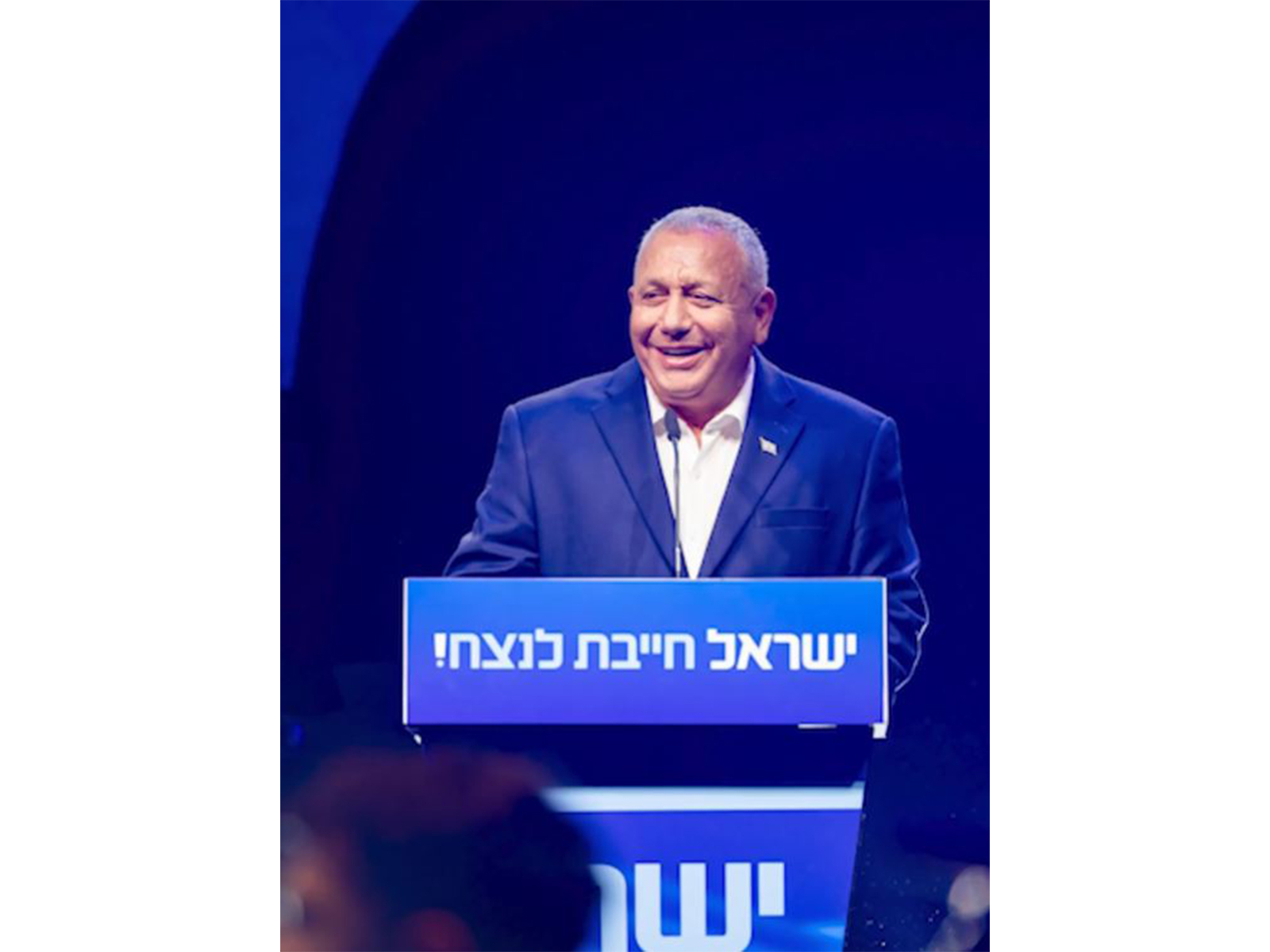
His coalition includes his Likud Party, Finance Minister Bezalel Smotrich's Religious Zionism party and National Security Minister Itamar Ben-Gvir's Jewish Power party. His closest rival, former military chief Gadi Eisenkot, has positioned himself as a security-focused political outsider.
The others include the alliance led by former Prime Ministers Naftali Bennett and Yair Lapid, former defence minister Avigdor Lieberman and a four-party coalition with a significant representation of the Arab minority in Israel headed by Yair Golan.
Israel uses a party-list proportional representation system. Under this system, voters cast their ballots for lists of candidates, and each list receives a number of seats in the Knesset proportional to its share of the vote. Israel has an electoral threshold: only lists that receive at least 3.25% of the valid votes participate in the allocation of Knesset seats. The Knesset is made up of 120 Members.
After the elections, the President of the State, in this case, Israel Herzog, assigns the task of forming a government to a Member of the Knesset who may then present the government they have formed to the Knesset. For the government to be established, it must win a plurality in a “vote of confidence” held in the Knesset. To date, all governments formed in Israel have been coalition governments.
According to Jerusalem Post, the four latest election surveys, which closed on October 23, show that Gadi Eisenkot's Yashar party leads Netanyahu's Likud, but neither of the two major political blocs has enough seats to secure a majority in the 120-seat Knesset.
The battle lines are drawn firmly: consummate political survivor Bibi Netanyahu versus a former Military Chief in a no-holds-barred contest. The victory of either could well reshape not just the politics of Israel but also the situation in West Asia.