"Why shouldn't I?": Trump weighs troop cuts in Italy, Spain amid Iran conflict
May 01, 2026
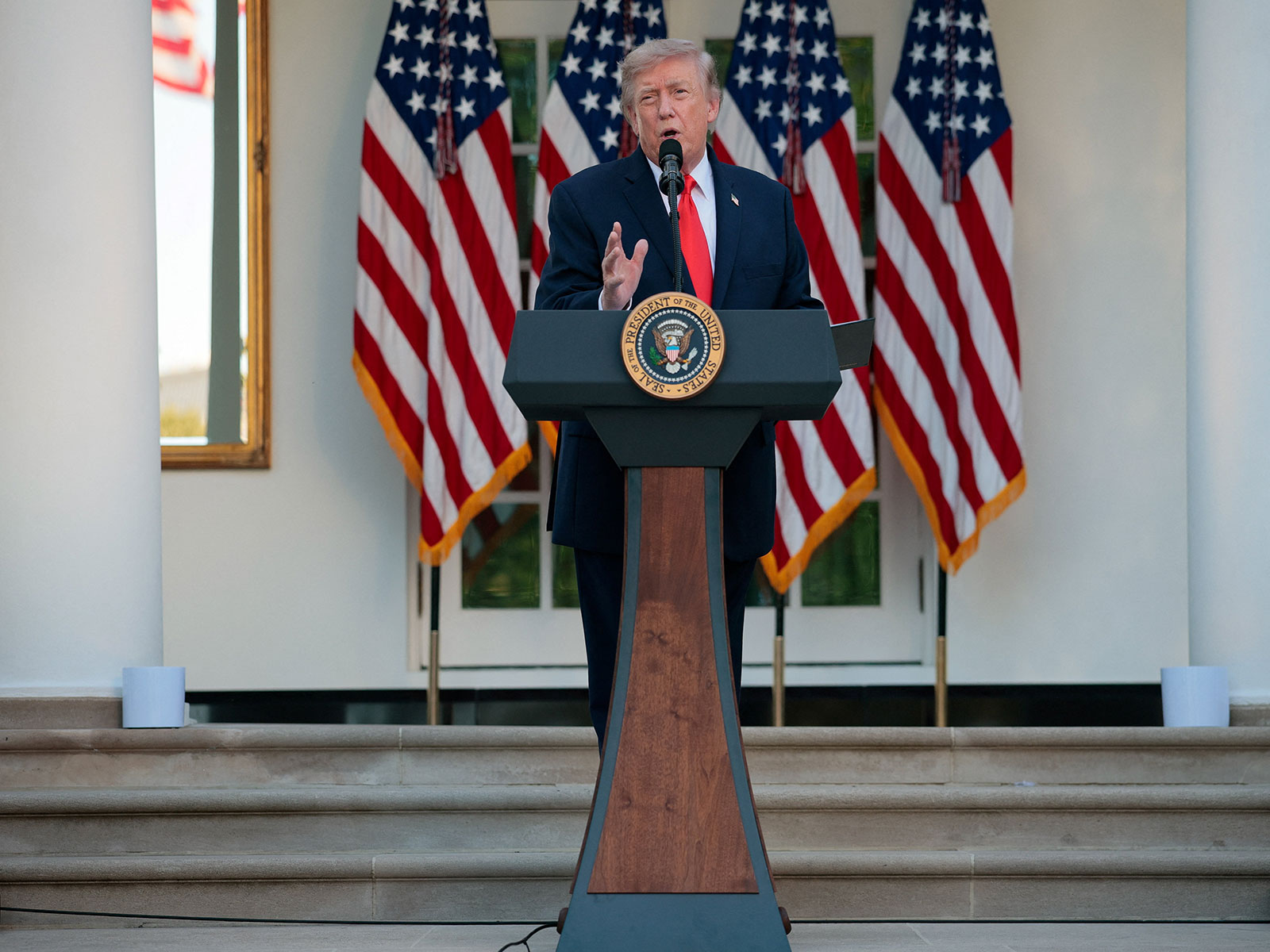
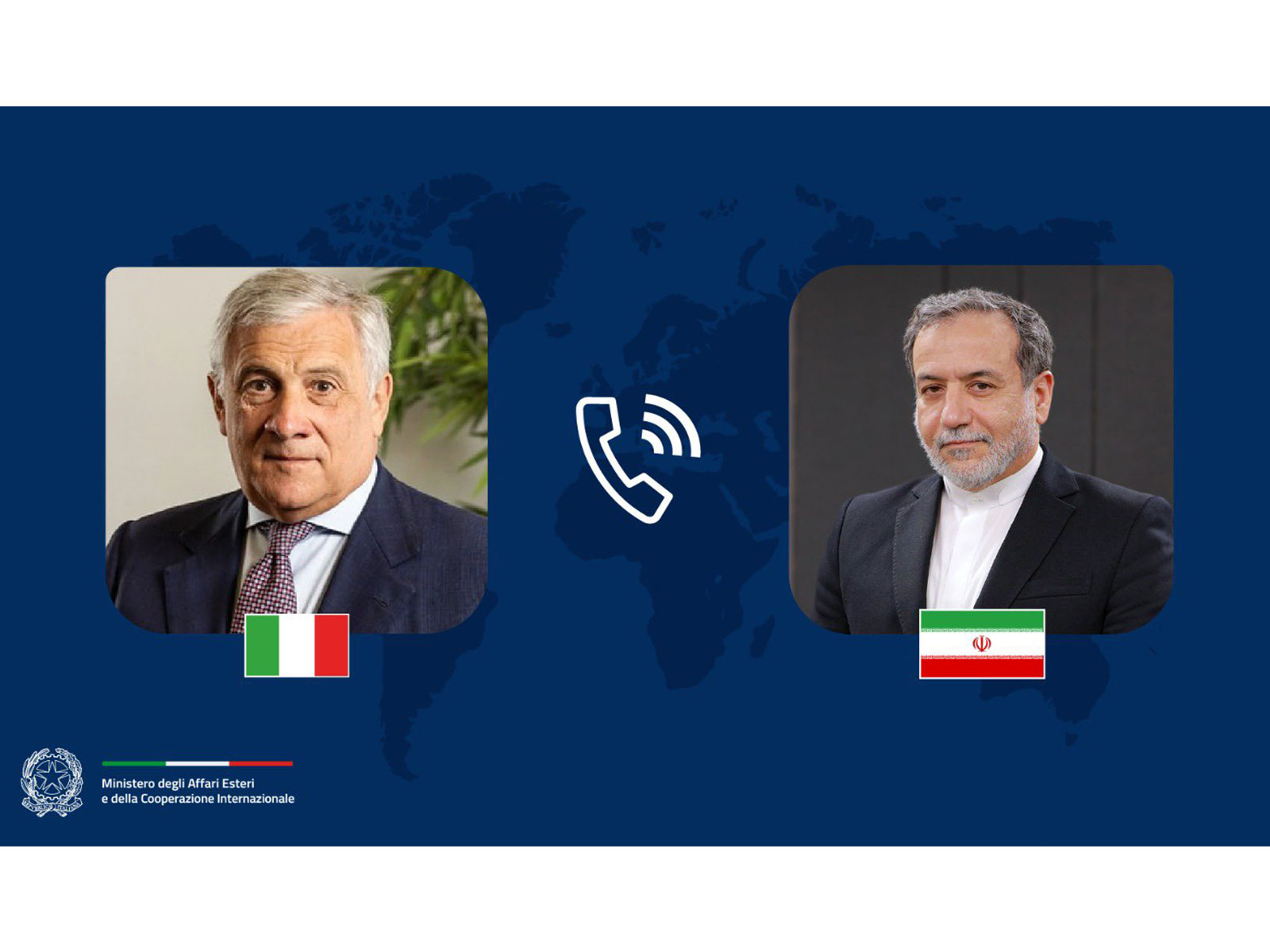
Washington, DC [US], May 1 : US President Donald Trump has hinted at a potential withdrawal of American military personnel from Italy and Spain, launching a scathing critique of both nations regarding their positions on the persisting conflict with Iran. The move has further exacerbated the widening diplomatic chasm between Washington and its traditional European partners.
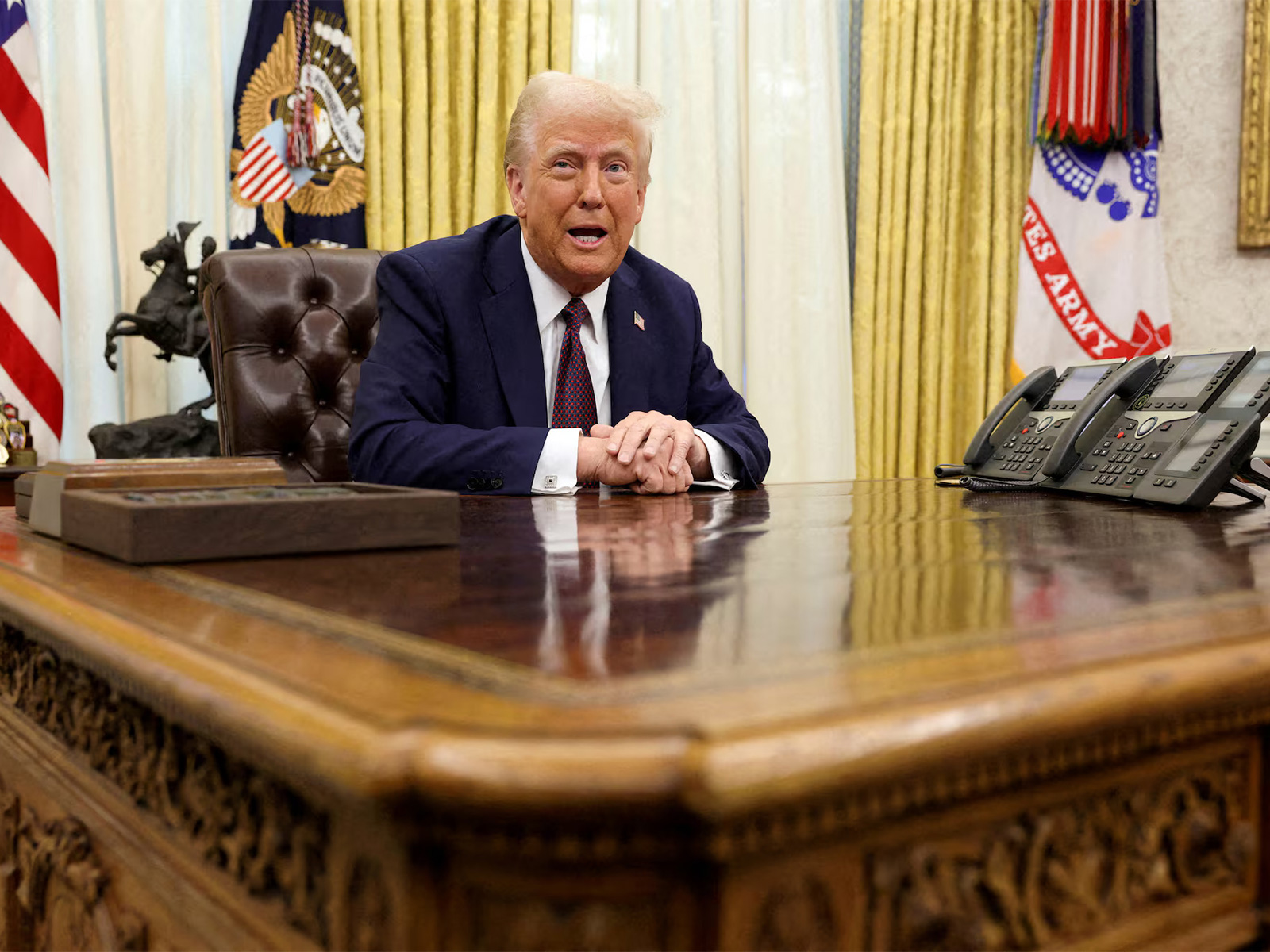
Addressing the media at the Oval Office, the US President confirmed that he is actively evaluating a scale-back of troop deployments. When questioned about possible reductions in the two NATO member states, Trump remarked, "Yeah, probably, I probably will. Why shouldn't I?"
He further expressed his dissatisfaction with their lack of cooperation, stating, "Italy has not been of any help to us and Spain has been horrible, absolutely horrible."
These developments represent a fresh peak in hostilities between the United States and its NATO allies, many of whom have declined to participate directly in the US-led military offensive against Iran or the mission to secure the Strait of Hormuz.
The President's remarks regarding Italy and Spain follow closely on the heels of his announcement that Washington is "studying and reviewing the possible reduction" of its military presence in Germany, indicating a systematic re-evaluation of the US strategic footprint across Europe.
Official data from late 2025 shows that the US maintains a significant presence in the region, with 12,662 active-duty troops in Italy and 3,814 in Spain, while Germany remains the primary hub with over 36,000 personnel.
This potential drawdown is seen as an extension of Trump's long-standing grievances over alliance burden-sharing, now intensified by the friction over Middle Eastern military operations.
The US President has frequently slammed European nations for failing to back the joint US-Israeli campaign against Tehran and for their perceived inaction in reopening the Strait of Hormuz, a vital energy corridor currently choked by the war.
Earlier this month, Trump targeted Italian Prime Minister Giorgia Meloni, suggesting she lacked "courage" on the Iran issue.
Meanwhile, Spain has faced even harsher scrutiny, with reports suggesting Washington has even explored the feasibility of suspending the country from NATO due to its opposition to the war and its failure to meet defence spending targets.
The diplomatic fallout has also engulfed Germany. Trump recently lashed out at Chancellor Friedrich Merz on social media, accusing him of overstepping into US foreign policy.
"The Chancellor of Germany should spend more time on ending the war with Russia/Ukraine (where he has been totally ineffective!), and fixing his broken country, especially immigration and energy, and less time on interfering with those that are getting rid of the Iran nuclear threat," Trump asserted.
He maintained that the campaign against Iran is "making the world, including Germany, a safer place," despite the resulting surge in global energy costs.
This verbal volley followed warnings from Chancellor Merz, who questioned the US strategy and compared the situation to previous long-term engagements in Afghanistan and Iraq.
Trump dismissed the German leader's concerns, stating he "doesn't know what he's talking about."
In response to the escalating rhetoric, German Foreign Minister Johann Wadephul indicated that Berlin is bracing for a potential reduction in American forces.
"We are prepared for that," Wadephul stated, noting that discussions are ongoing within NATO frameworks "in a spirit of trust."
Despite the strain, Merz has sought to reaffirm Germany's commitment to a "strong NATO and a reliable transatlantic partnership."
The friction highlights the global instability caused by the Iran conflict, which has severely disrupted energy markets and supply chains.
While Washington justifies the offensive as a mandatory measure to stop Iran from obtaining nuclear weapons, the lack of full consultation with NATO partners remains a point of contention.
This divide was further evidenced by Spain's condemnation of an Israeli interception of a Gaza-bound aid flotilla, an operation the US defended as a "meaningless political stunt."