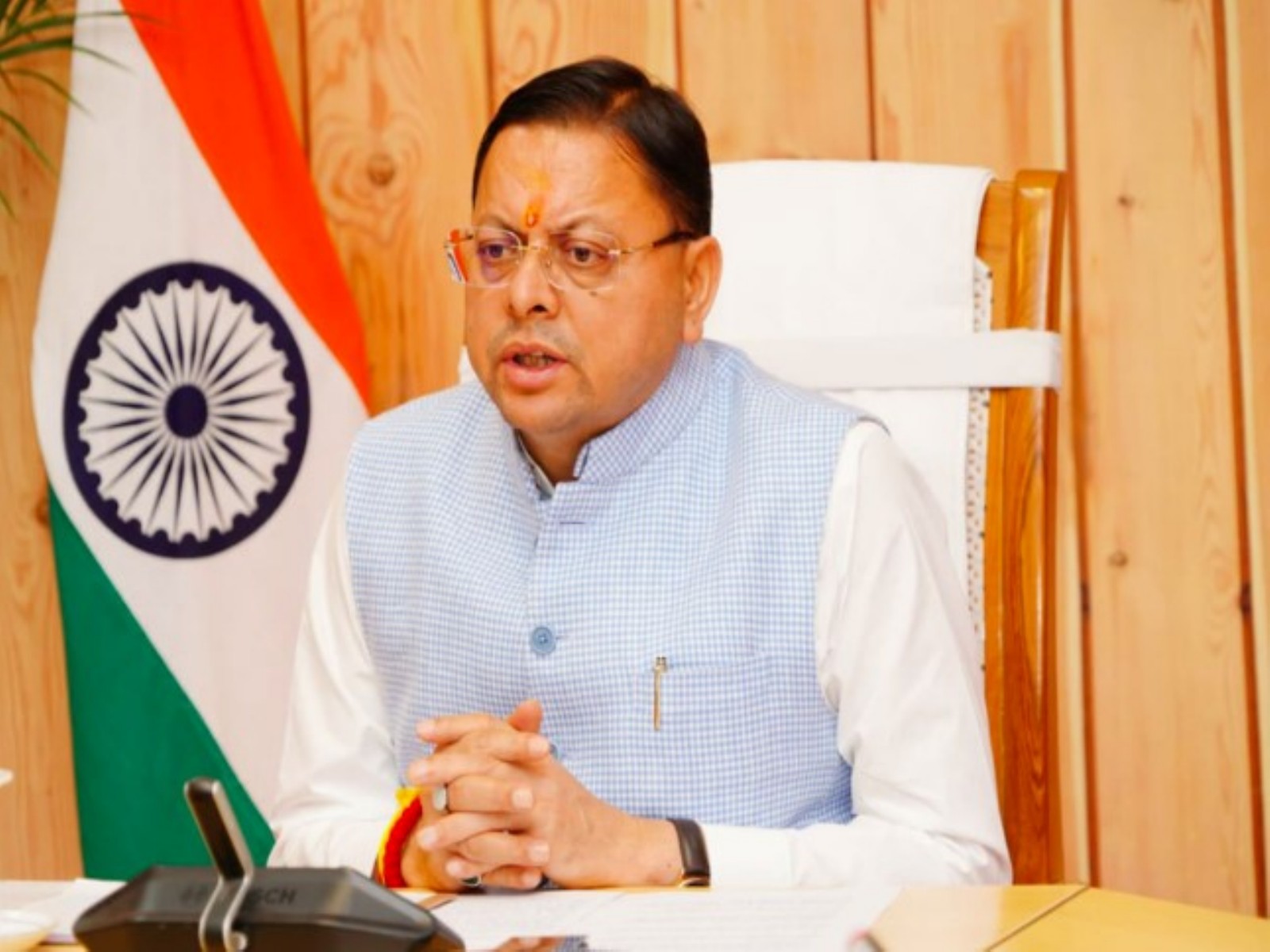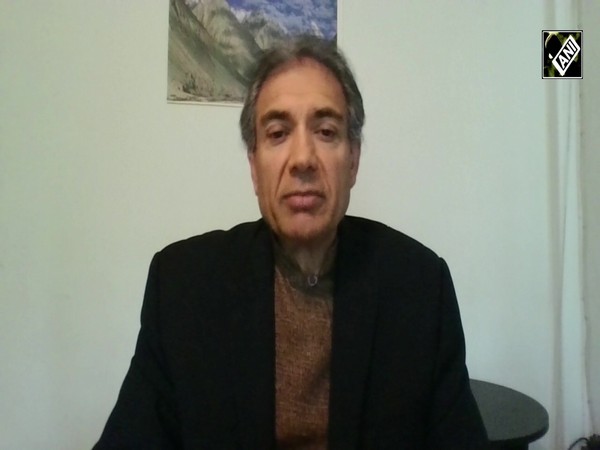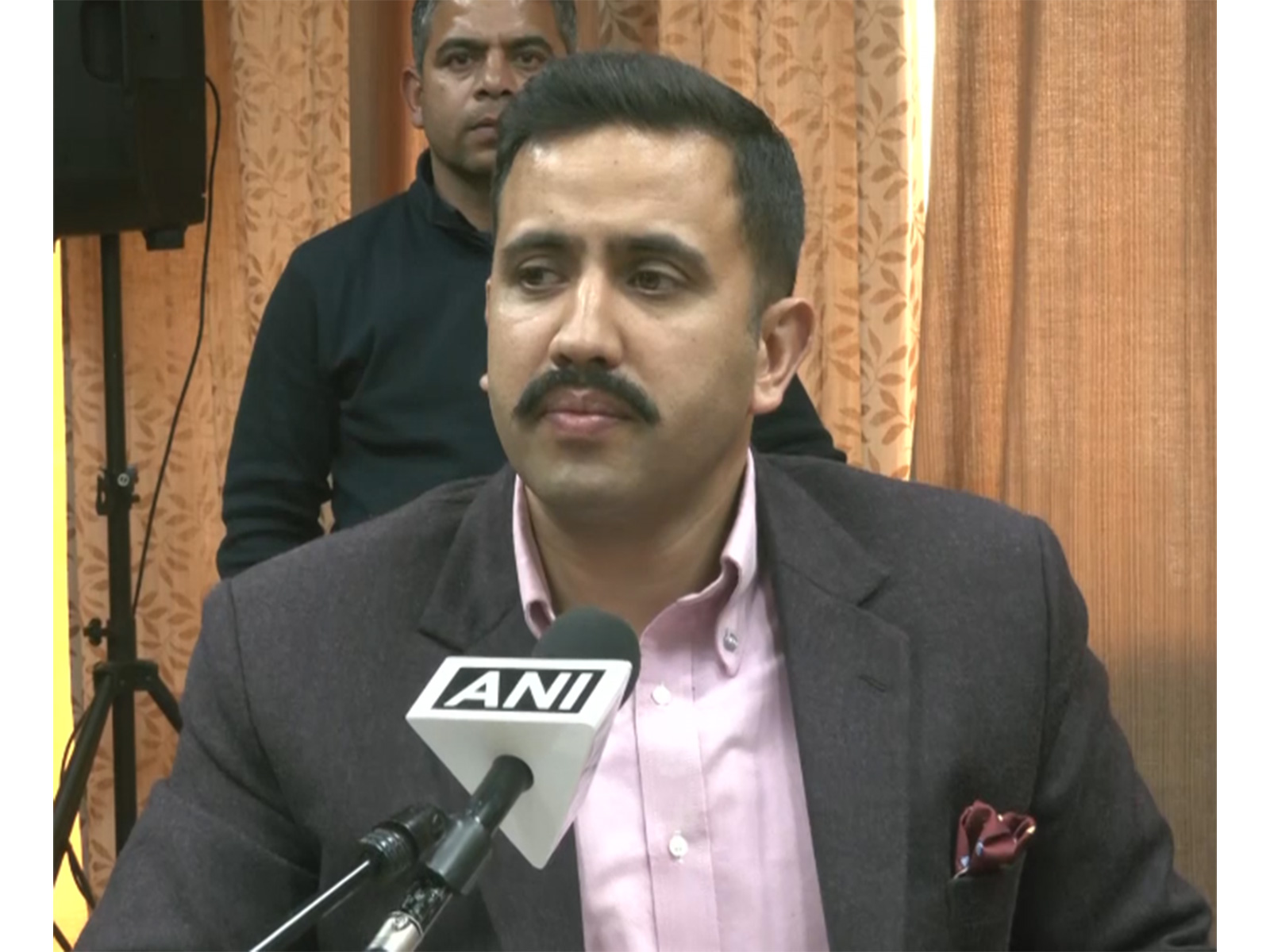
Women's reservation driven by politics, not empowerment: Himachal PWD minister Vikramaditya Singh
Apr 19, 2026
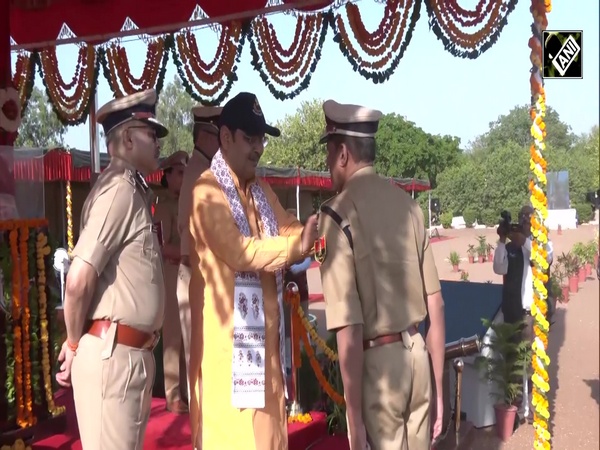
Shimla (Himachal Pradesh) [India], April 19 : Vikramaditya Singh, Public Works Department (PWD) Minister of Himachal Pradesh, on Saturday criticised the Centre over the Women's Reservation, alleging that it was introduced with political motives rather than a genuine intent of women's empowerment.
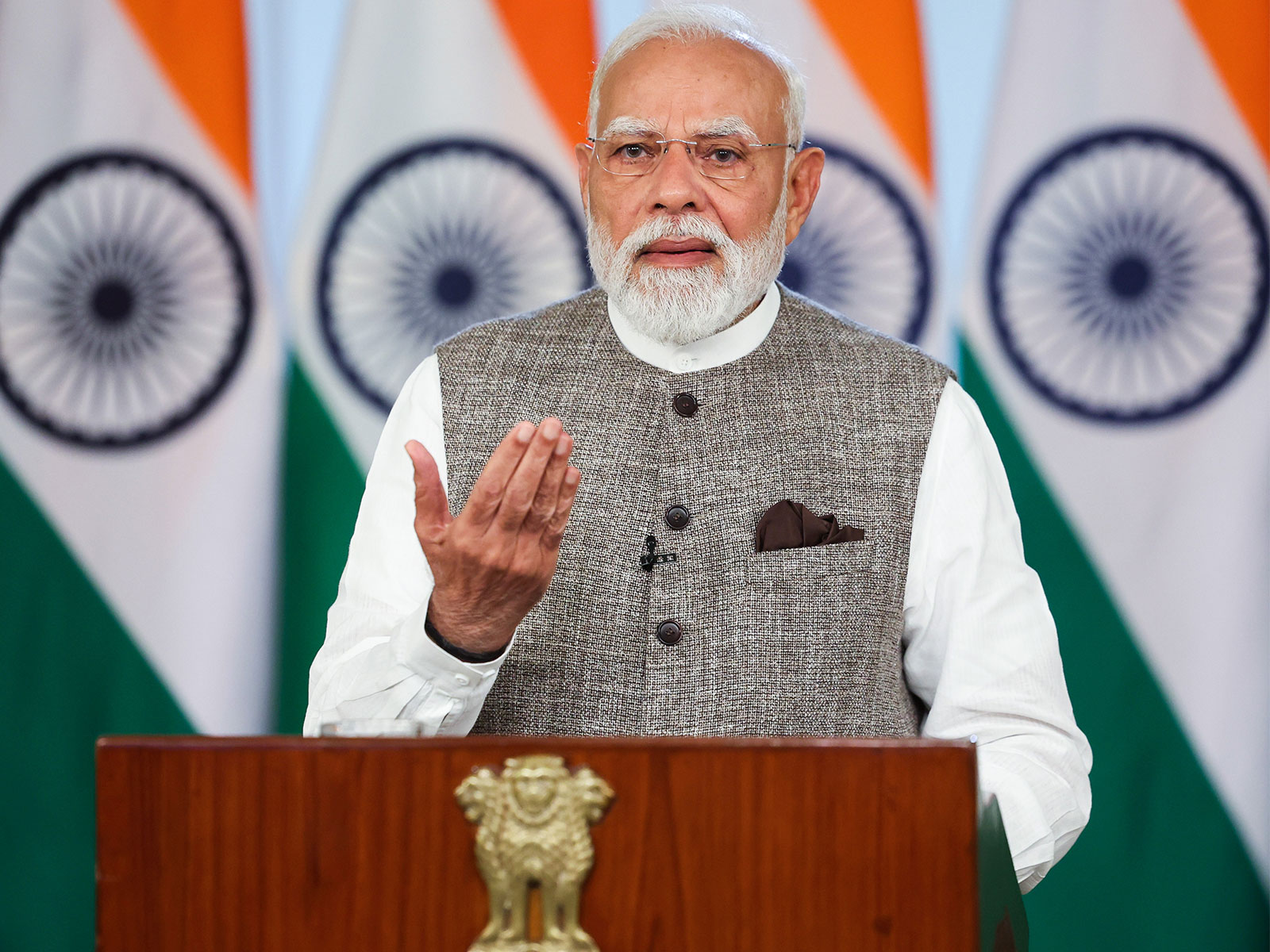
Reacting to the Prime Minister's address to the nation, Singh said that the government brought the bill in its present form without linking it to other conditions, and it would have received unanimous support across the political spectrum. "The entire country and the Opposition would have stood with the government, but this was driven purely by political strategy, which has backfired," he said.
He rejected allegations of "dynastic politics" often levelled at opposition parties, stating that women leaders from political families are actively participating in public life. Citing examples such as Priyanka Gandhi Vadra, Dimple Yadav, Kanimozhi Karunanidhi and Supriya Sule, he said there was no shortage of strong women leaders in the Opposition.
Singh termed it "unfortunate" to question the Opposition's commitment to women's representation and said the issue should not be politicised. While welcoming the Prime Minister, he added that any legislation seeking bipartisan support should also be brought through a consultative process.
"If the government were serious, it should have convened an all-party meeting and held wider consultations. Instead, an attempt was made to push the bill through in the Lok Sabha without consensus, which ultimately failed," he said.
The minister also rejected claims that opposing the bill amounted to disrespecting the Constitution's framers, including BR Ambedkar. He said Ambedkar was not only the architect of the Constitution but also the country's first Law Minister under a Congress government, and his ideals continue to guide the party.
Singh further alleged that the women's reservation was linked to delimitation in a manner that could alter the democratic balance, particularly by reducing seats in southern states while increasing representation in the Hindi heartland. "This was a politically motivated move, not a genuine step towards women's empowerment. The country understands this now," he said.
Highlighting the Congress party's legacy, he said the idea of women's reservation dates back to the pre-Independence era, referring to proposals during the time of Motilal Nehru. He also noted that significant steps, such as reservations for women in Panchayati Raj institutions, were implemented during the tenure of Rajiv Gandhi.
He maintained that if the bill had been introduced independently, without being tied to delimitation, it would have been passed unanimously with full support from the Opposition, including the Congress. "But since it was politically motivated, it did not receive that support," Singh added.