Won't impose 'traditional fees' on passage of ships through Hormuz, says Iran: Reports
Apr 18, 2026
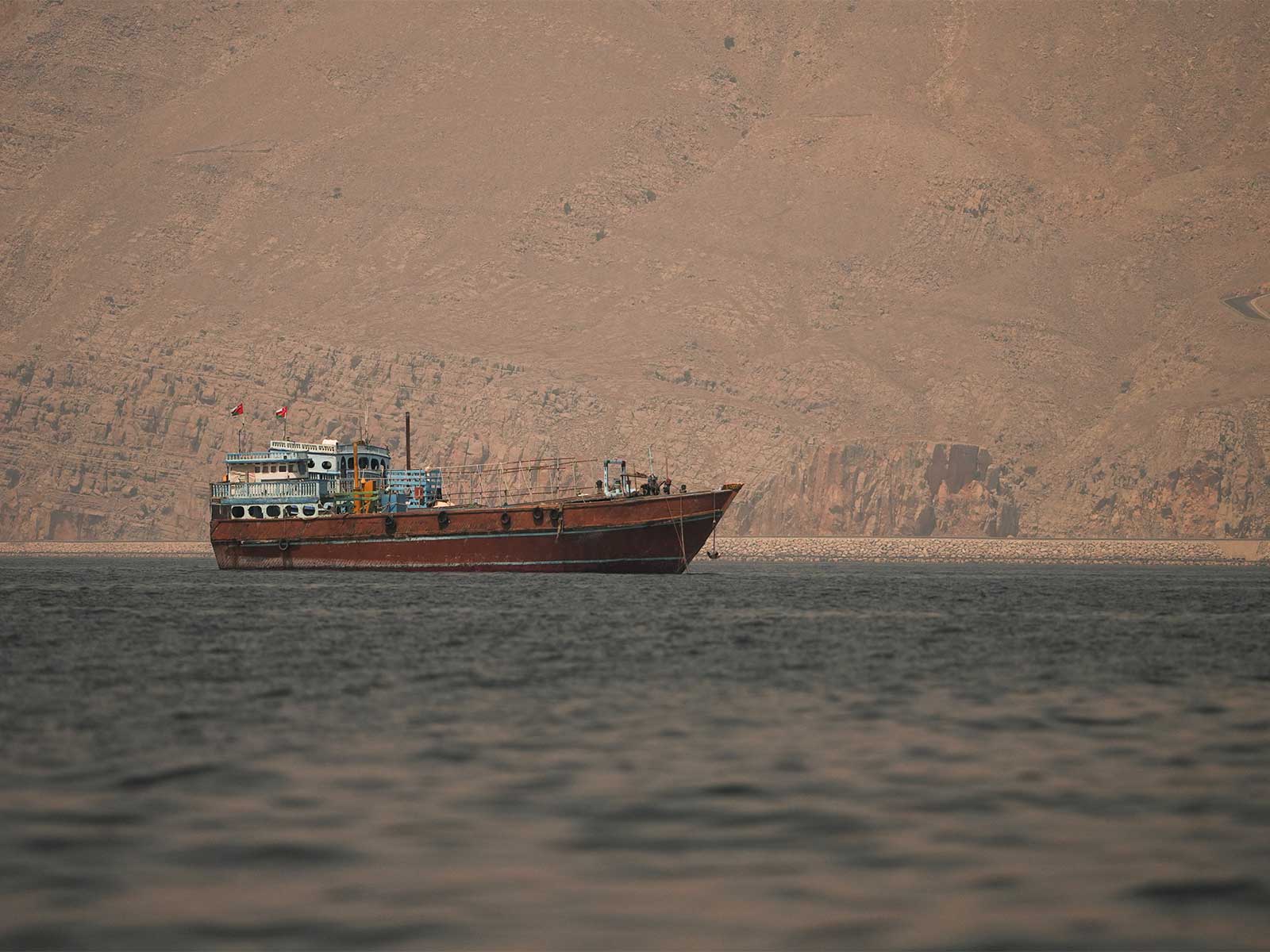
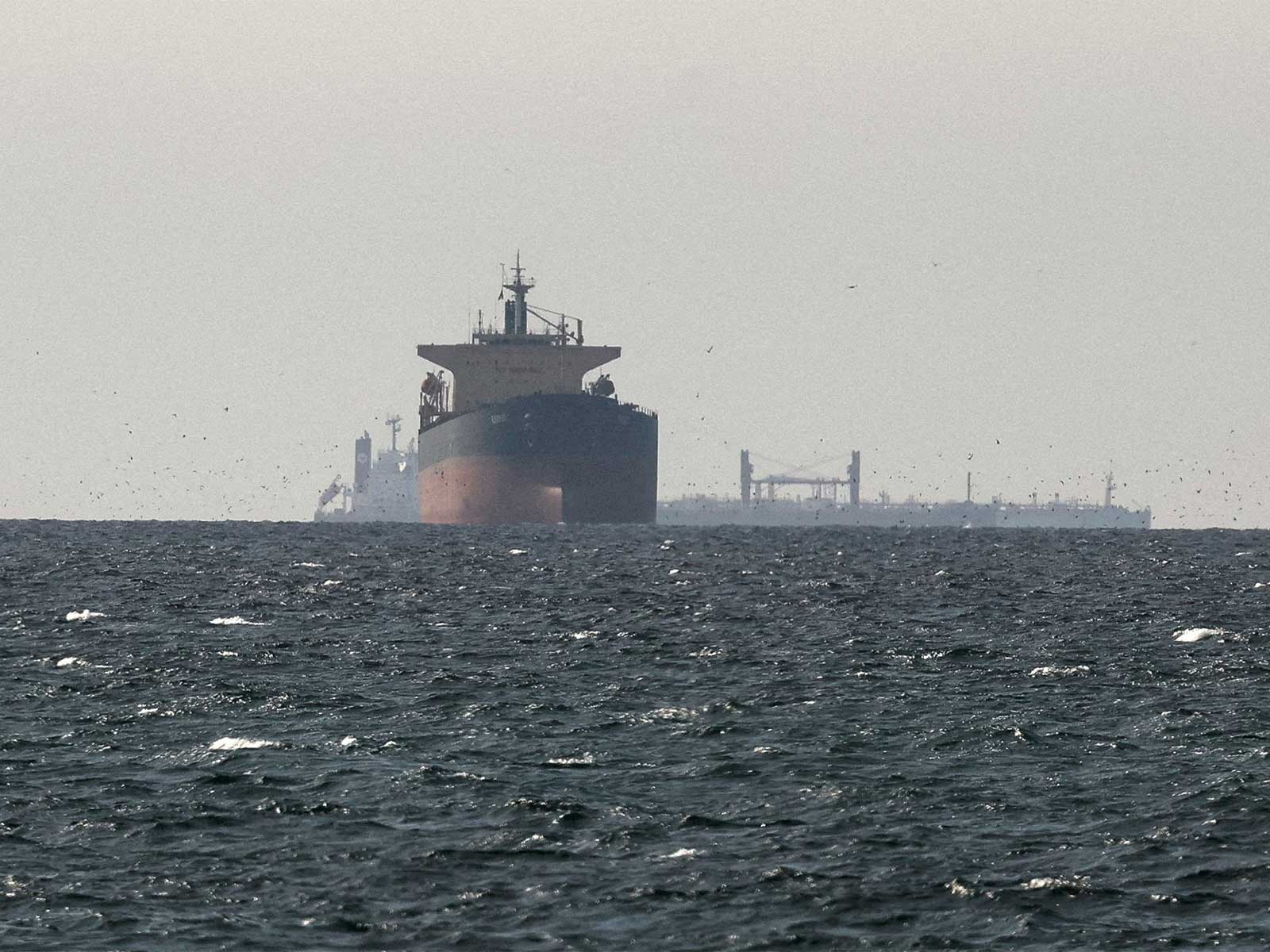
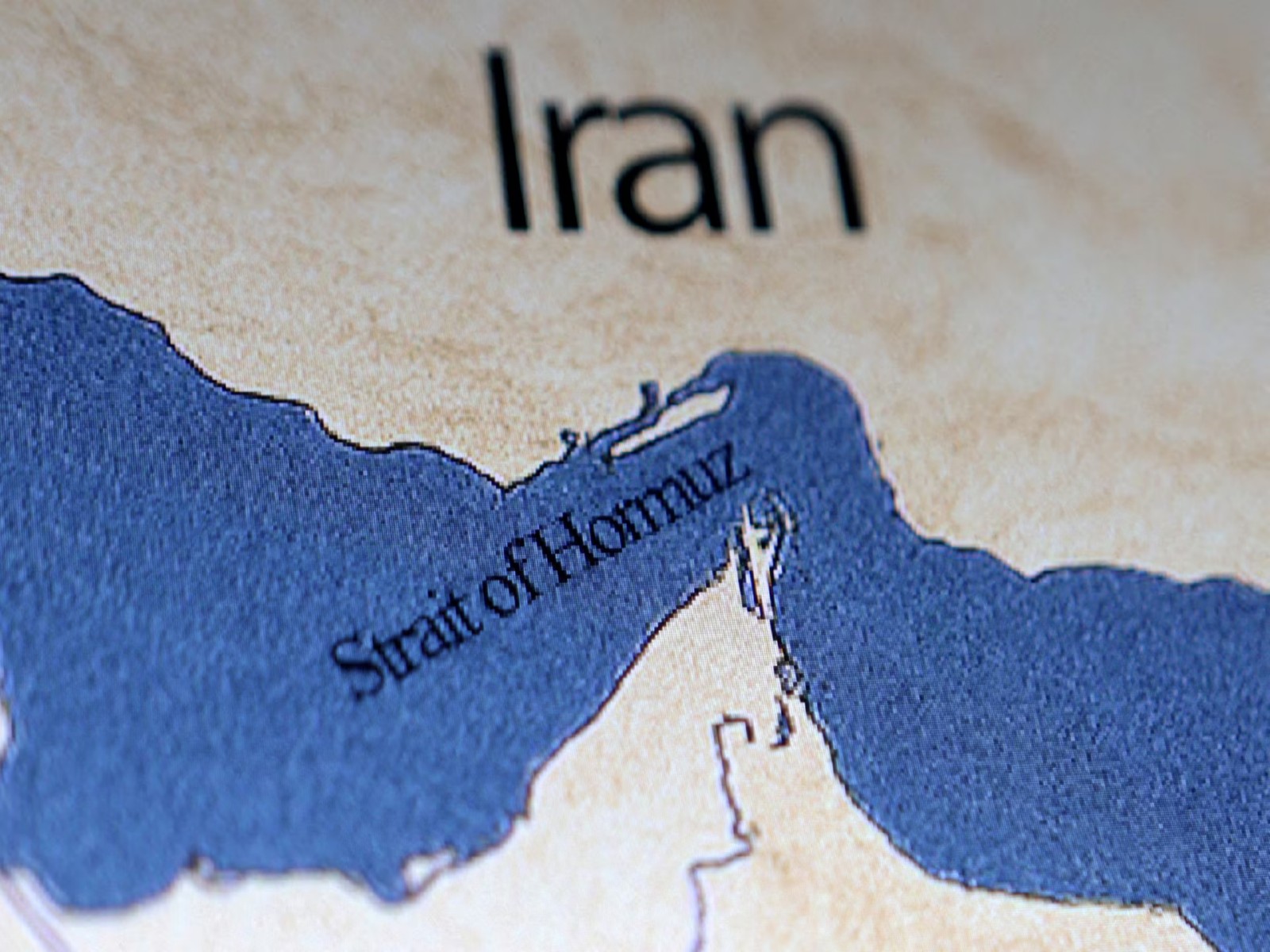
Tehran [Iran], April 18 : Iran has said that it will not impose "traditional fees" on ships passing through the Strait of Hormuz, but is considering a new framework tied to security coordination, according to Al Jazeera.
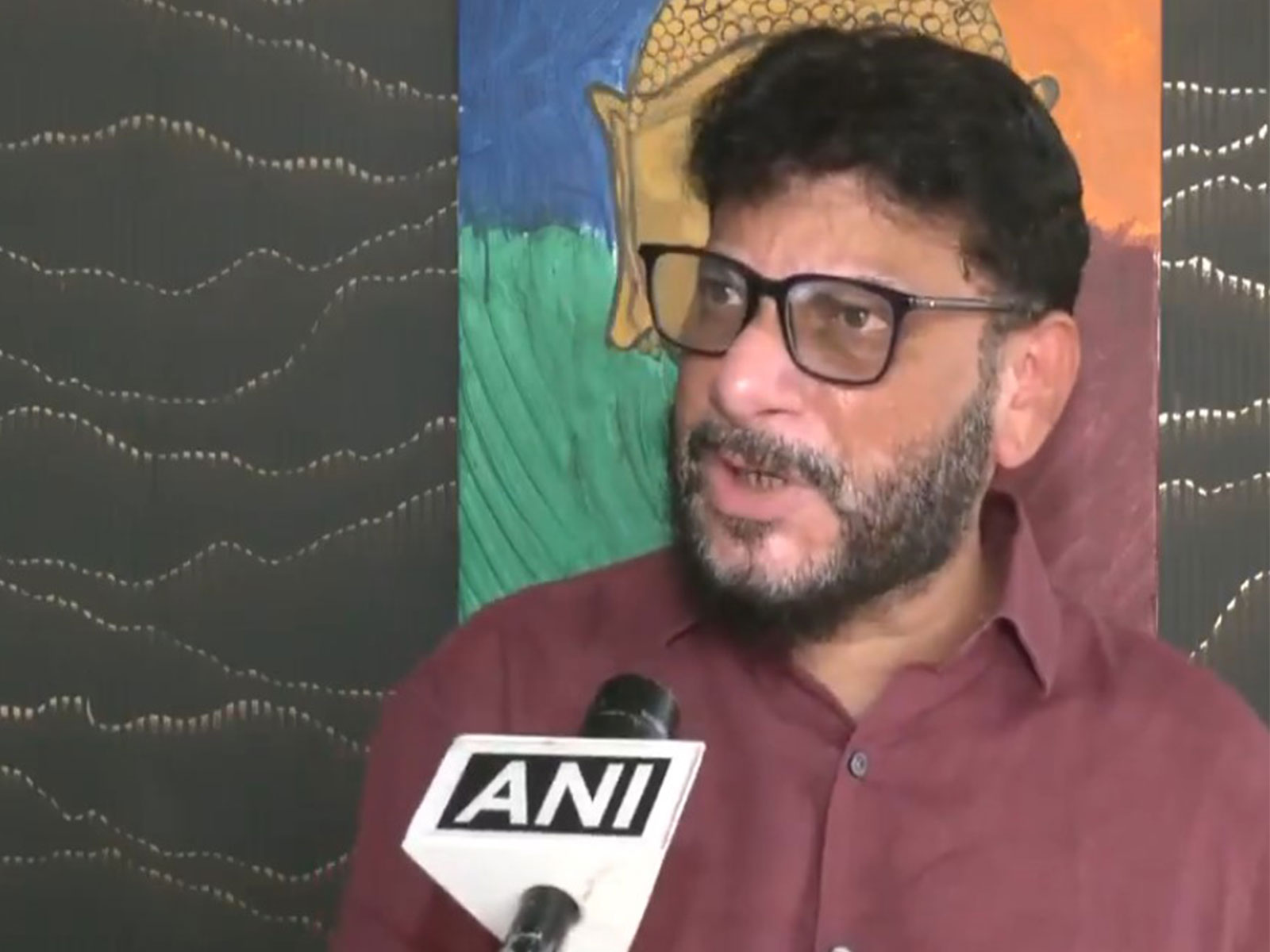
Speaking to Al Jazeera Mubasher, the spokesman for Iran's National Security Committee, Ebrahim Rezaei, said Tehran is drafting legislation that would introduce fees related to "securing the strait", rather than conventional transit charges.
Rezaei stated that vessels would only be allowed to pass through the critical waterway in coordination with Iranian authorities, signalling tighter oversight of maritime traffic. He added that "hostile military vessels", particularly those from the United States and Israel, would be barred from passage entirely, while "friendly" ships could transit subject to prior coordination with Iranian forces.
He also emphasised that Iran rejects any role for the United States in managing or securing the strait.
Meanwhile, Iran's ISNA news agency reported comments from Iranian official Mahmoud Nabavian, who said some commercial ships may be permitted to cross the Strait of Hormuz after paying fees. Nabavian linked the potential reopening of the passage to a ceasefire in Lebanon, despite US President Donald Trump denying that the two issues were associated.
Iran has asserted that maritime movement through the Strait of Hormuz will be strictly controlled by Tehran, stating that passage will be allowed only through designated routes and under Iranian approval, amid escalating tensions with the United States over regional security and negotiations.
Speaker of the Islamic Republic of Iran's Parliament, Mohammad Bagher Ghalibaf, said, "4- Passage through the Strait of Hormuz will be conducted based on the 'designated route' and with 'Iranian authorisation.' 5- Whether the Strait is open or closed and the regulations governing it will be determined by the field, not by social media."
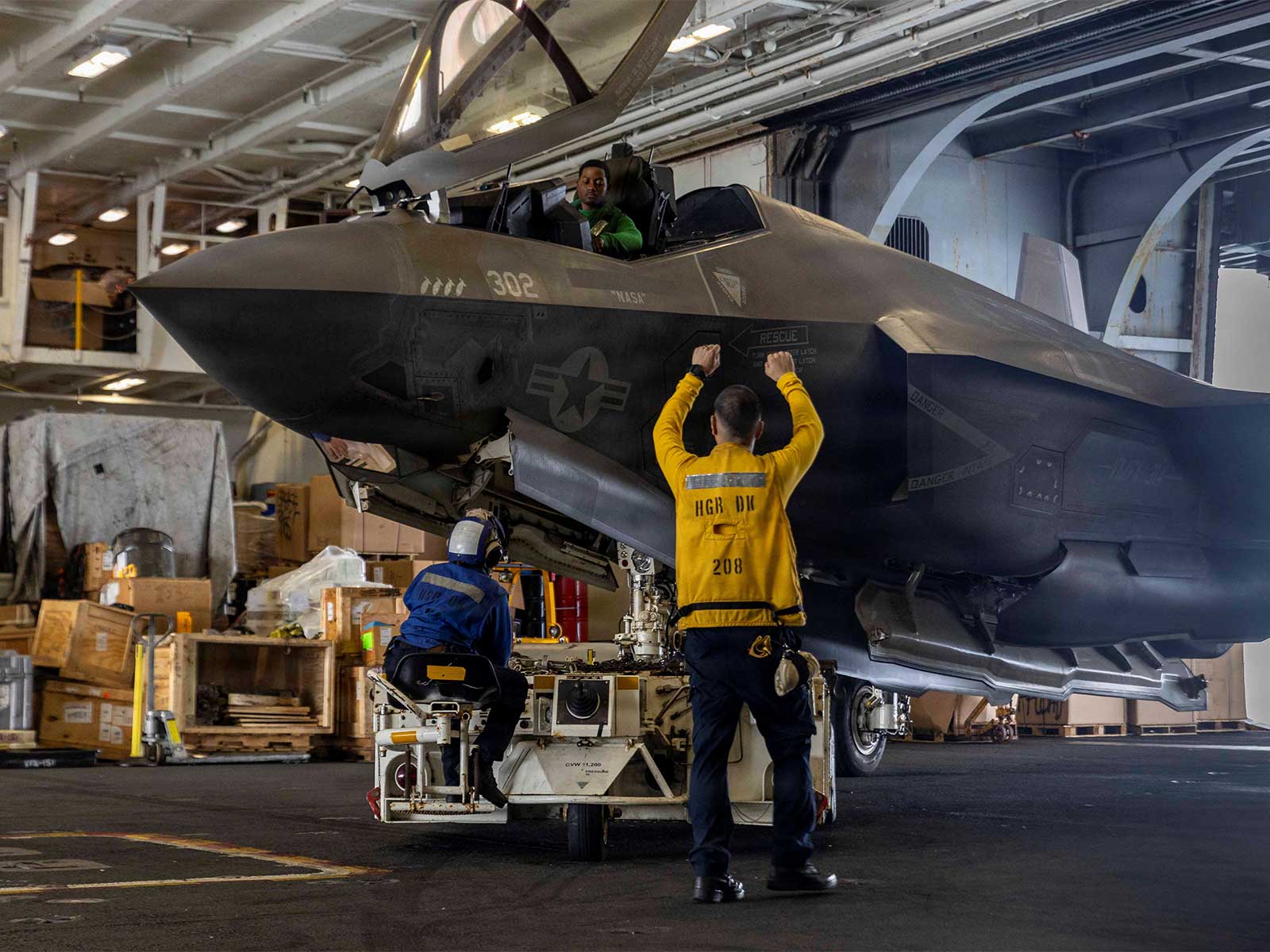
On the other hand, US President Donald Trump on Friday (local time) said that any agreement with Iran would not take full effect until it is completely finalised, even as he claimed major diplomatic and security breakthroughs involving Tehran, Israel and Lebanon.
While speaking on ongoing developments in West Asia at the Turning Point USA event in Phoenix, Arizona, Trump said, "This will be a great and brilliant day for the world because Iran has just announced that the Strait of Hormuz is fully open and ready for business and full passage. But the naval blockade with the greatest navy in the world, from the greatest military the world has ever seen, we built it. During my first term, we built it...We'll remain in full force and effect as it pertains to Iran until such time as our transaction with Iran is 100 % complete and fully signed"
Earlier, Iran's Foreign Ministry spokesperson Esmaeil Baghaei offered clarification on an earlier statement by Foreign Minister Abbas Araghchi, Al Jazeera reported, citing the semi-official Tasnim news agency.
According to Al Jazeera, Baghaei said that "Shipping through the Strait of Hormuz will be allowed along a pre-determined route by Iran." He added, "If the maritime blockade of Iran's ports continues, Iran will take reciprocal measures," and asserted that "Iran is the guardian of the Strait of Hormuz and will show leniency where necessary."