400-year-old Dhami stone-pelting fair keeps ancient tradition alive as younger generation steps up to preserve legacy
Nov 09, 2026
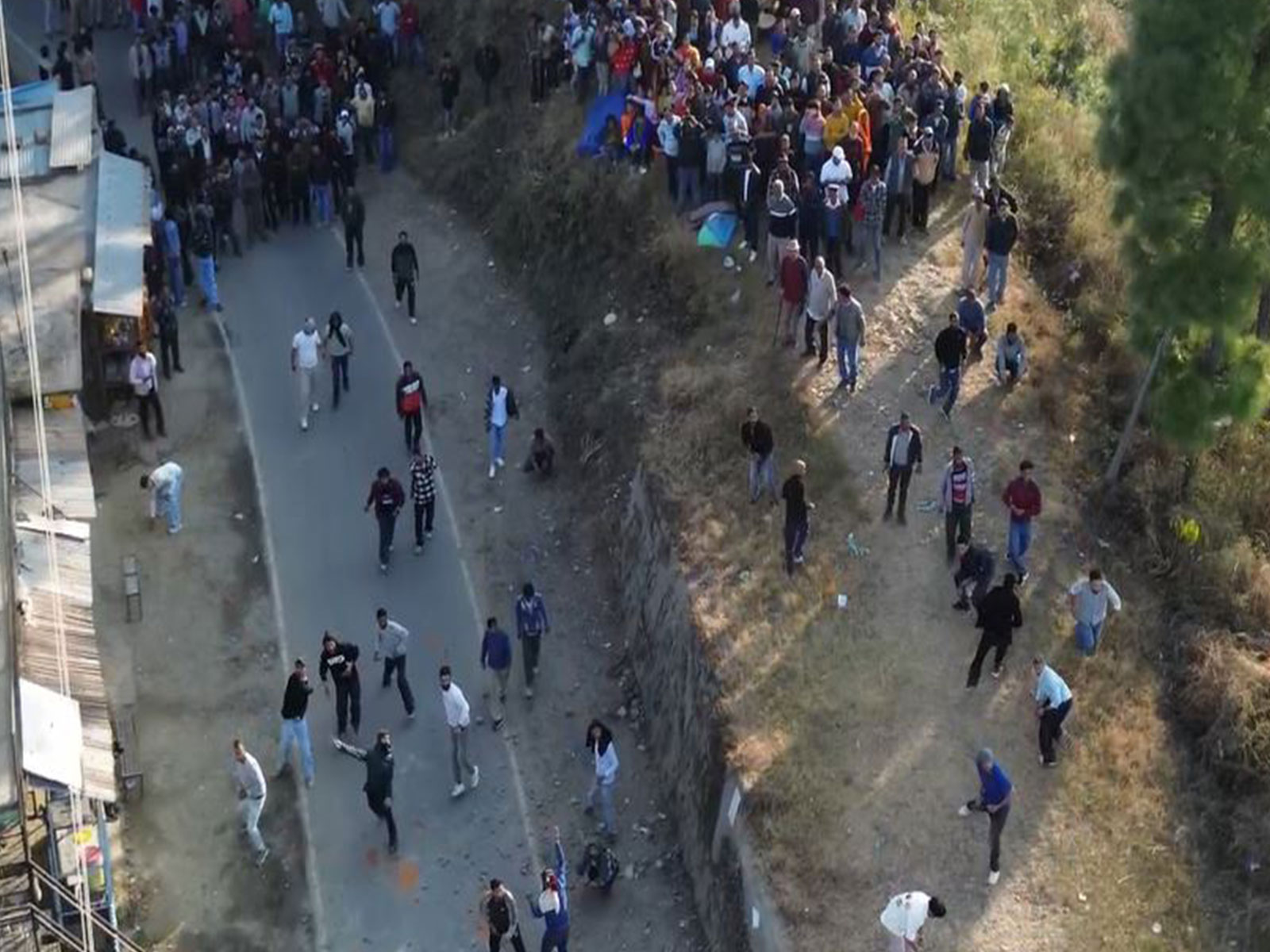
Shimla (Himachal Pradesh) [India], November 9 : A centuries-old tradition of faith, sacrifice and cultural heritage came alive in Dhami village, around 40 kilometres from Shimla, as thousands of people gathered to witness the traditional Stone-Pelting Fair, locally known as 'Patthar Ka Khel'.
Celebrated every year on the day after Diwali, the unique ritual has been observed for nearly 400 years and continues to reflect the deep-rooted religious beliefs and cultural identity of the region.
The traditional event involves two designated groups of villagers throwing stones at each other until a participant sustains a minor injury. A few drops of blood from the injured participant are then offered to Goddess Bhadrakali. According to local belief, the ritual evolved as an alternative to human sacrifice, which was practised centuries ago to appease the deity and seek protection from diseases, natural calamities and other misfortunes.
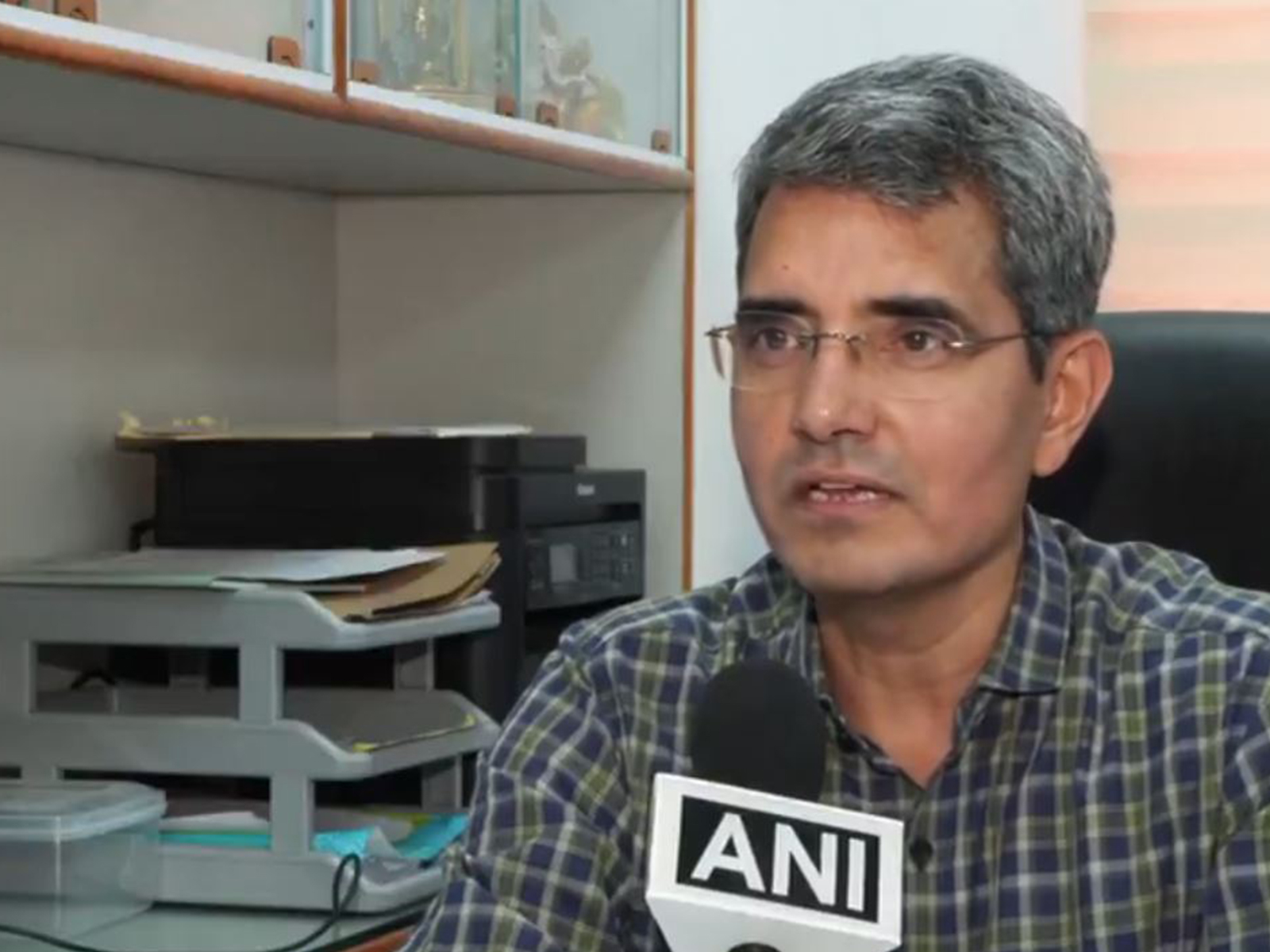
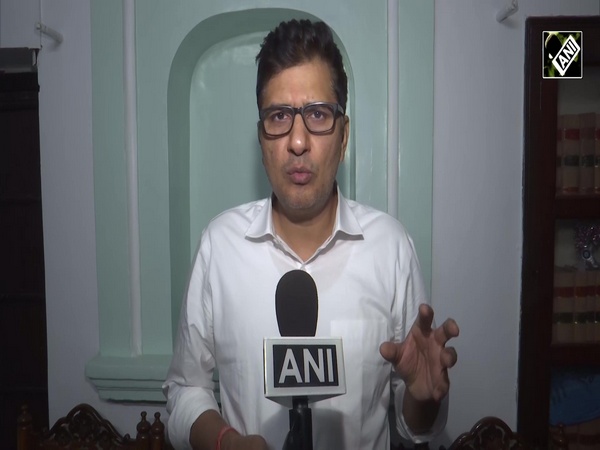
Speaking to ANI, Jagdeep Singh Kanwar, a member of the Dhami royal family, said the tradition had been passed down through generations and continued to hold immense religious and cultural significance for the people.
He said the present generation was equally committed to preserving the centuries-old practice and ensuring that its historical significance was communicated to younger generations.
Explaining the significance of the ritual, Kanwar said two traditional groups participate in the event and the blood of the participant who sustains an injury is offered to Goddess Bhadrakali.
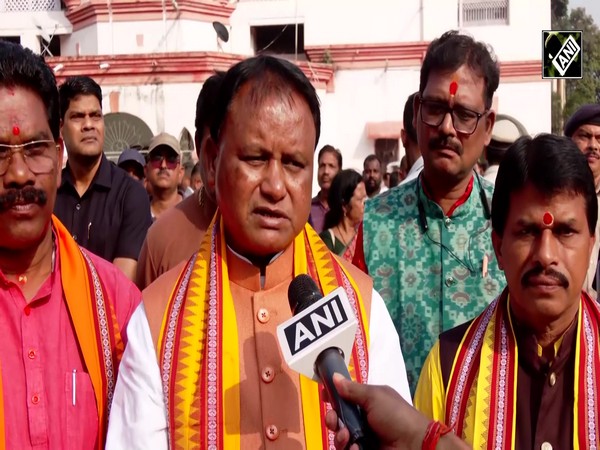
Ranjeet Singh Kanwar, a member of the fair organising committee, traced the origins of the tradition to a period when human sacrifices were reportedly practised at the temple of Goddess Bhadrakali around 500 years ago.
According to the traditional account, a queen of Dhami intervened to end the practice, declaring that human sacrifices would no longer be permitted. Instead, she introduced a symbolic ritual in which two designated groups would throw stones at each other, with the blood of an injured participant offered to the goddess.
He said the queen's intervention transformed the earlier practice into the present-day stone-pelting tradition, which has continued through successive generations.
The fair is organised under the supervision of the royal family, village elders and the organising committee, with participation restricted to designated traditional groups.
Describing the arrangements, Kanwar said the celebrations begin with traditional prayers and worship at the local Narasimha Maharaj temple. Religious rituals are also performed for other local deities before a procession moves towards the designated ground, locally known as the 'Shada', where the two groups take their respective positions.
He further said the organising committee coordinates with the district administration and police to ensure security and maintain law and order. Community volunteers also assist in managing the event, while outsiders are not permitted to participate in the traditional contest.
The centuries-old practice is also receiving enthusiastic support from the younger generation of the royal family, which sees the annual fair as an important responsibility towards preserving its cultural inheritance.
Ananjay Singh, son of Jagdeep Singh Kanwar, said he had witnessed the celebrations since childhood and wanted to carry forward the legacy of his father and grandfather.
He said the fair was not merely an annual religious gathering but an important part of the village's history and identity. The participation of younger members of the family, he added, would help ensure that the tradition continued in the years ahead.
The fair brings together villagers from different parts of the region, with traditional groups participating in the ritual amid religious chants, traditional music and a procession. The proceedings begin at the ancient Narasimha Maharaj temple, where priests perform customary prayers and seek blessings before the procession moves towards the fairground.
The stone-pelting event is conducted under established traditional rules, with the organising committee and local administration making arrangements to prevent serious injuries. Security personnel and community volunteers remain deployed throughout the celebrations.
Over the years, the Dhami Stone-Pelting Fair has emerged as a major cultural attraction, drawing visitors, tourists, historians and photographers interested in witnessing one of India's distinctive traditional practices.
For local residents, however, the occasion remains primarily an expression of faith, collective identity and respect for ancestral customs.
As the annual celebrations concluded, the gathering once again demonstrated how a centuries-old tradition has survived changing times through community participation and the involvement of successive generations.
With younger members of the royal family stepping forward to carry the legacy, Dhami's unusual stone-pelting tradition continues to remain an integral part of Himachal Pradesh's cultural heritage.