ACMA looks at China's automation, EV technologies to strengthen India's auto component industry
Jul 07, 2026
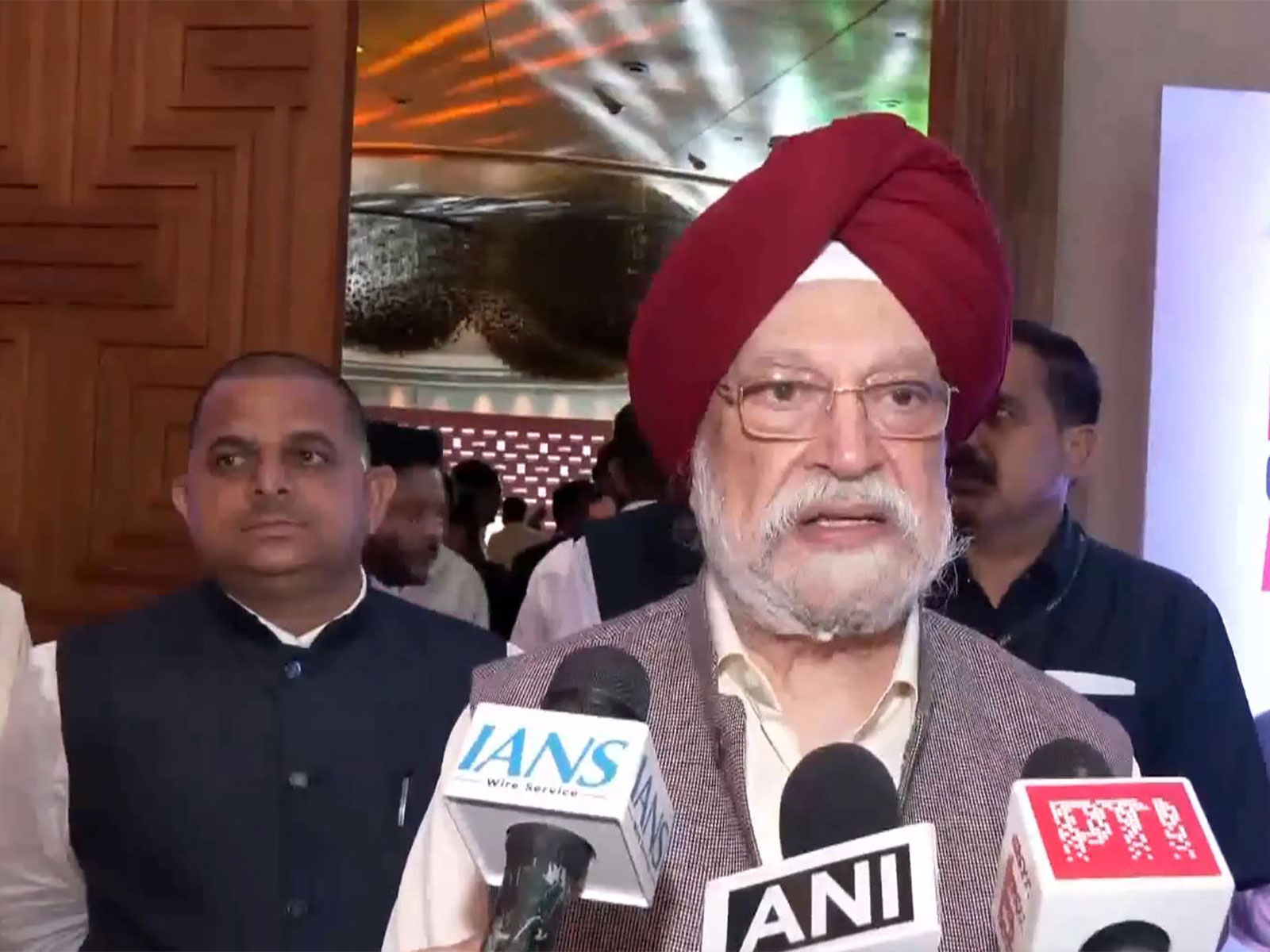
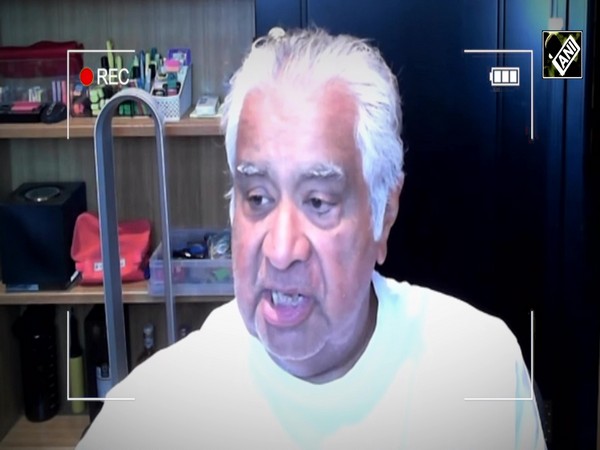
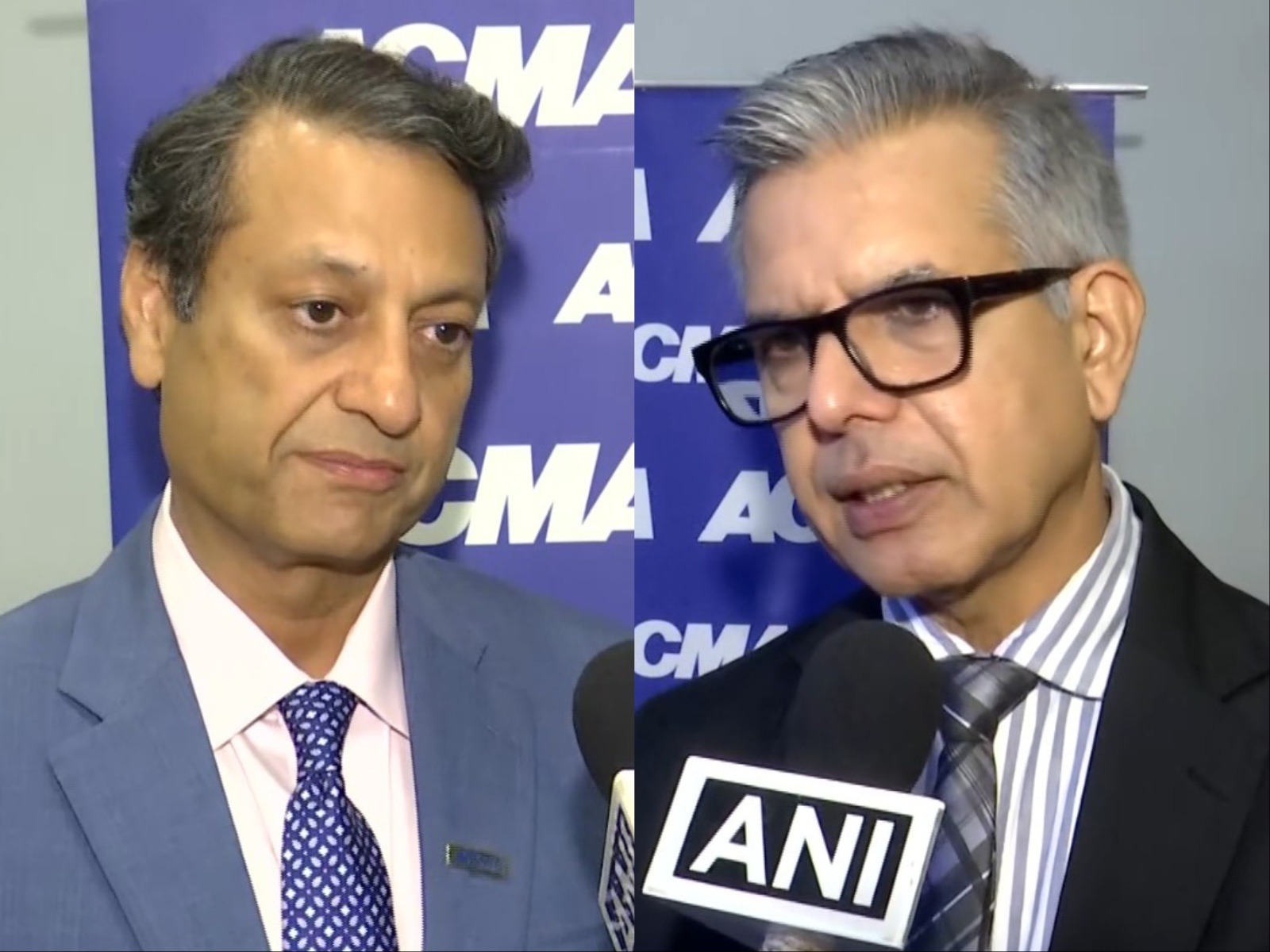
New Delhi [India], July 7 : India's auto component industry is looking to adopt lessons from China's advances in automation, battery supply chains and electronics manufacturing after an industry delegation visited the China Auto Show and several manufacturing facilities to study emerging technologies, automation and electric vehicles, Automotive Component Manufacturers Association (ACMA) President Vikrampati Singhania told ANI on Tuesday.
"We went to China. And the purpose was to see what's happening with evolving technologies. We went to the China Auto Show, saw all the new technologies being showcased there. We went into the supply chain. We visited about eight-nine different factories in electronics, in battery supply systems, in traditional component," Singhania told ANI on the sidelines of an ACMA event that announced the performance of the Indian auto component industry for FY2025-26.
"It's interesting to see the scale that they operate. It's also interesting to see the amount of automation that they put in place. We certainly learned from it. And we certainly will implement that as we go forward."
The visit comes as Indian auto component manufacturers increase investments in both conventional and new technologies, including electric vehicle (EV) systems, automotive electronics and infotainment, while continuing to expand production of traditional components such as engine, polymer, rubber and noise, vibration and harshness (NVH) systems.
Earlier on Tuesday, ACMA said the industry grew 12.7 per cent in the financial year ended March 2026, supported by strong domestic demand and around 5 per cent growth in exports.
He said the industry continues to face headwinds from the West Asia crisis, which has pushed up raw material prices, disrupted supply chains and elongated working capital cycles, particularly for micro, small and medium enterprises (MSMEs).
However, he said upcoming free trade agreements (FTAs) are expected to open new export markets and improve the competitiveness of Indian auto component manufacturers.
Singhania said FY27 first-quarter trends remain robust and expressed confidence that the industry would maintain its growth momentum.
"I understand and I saw some numbers about the first quarter. First quarter numbers also stay robust. We are certainly hoping that as the West Asia crisis settles down, as the FTAs come into place, the industry will continue to keep a growth trajectory," he said.
Asked about FY27 growth, Singhania said he expects the industry to deliver "upper single-digit or early double-digit" growth but declined to provide a specific forecast.
He said domestic demand is expected to remain healthy over the next two to three years, supported by growth in the original equipment (OE) industry, while exports are likely to benefit from new trade agreements.
Singhania said investments are continuing in both traditional technologies, including engine, polymer, rubber and noise, vibration and harshness (NVH) components, as well as emerging areas such as electric vehicle (EV) technologies, infotainment systems and automotive electronics.
On policy, he said ACMA is working closely with the government to address temporary liquidity issues faced by MSMEs and support export growth.
He added that Indian auto component manufacturers are strengthening environmental, social and governance (ESG) practices to comply with the European Union's Carbon Border Adjustment Mechanism (CBAM).
ACMA Director General Vinnie Mehta said during the event that the industry's turnover stood at Rs 7.6 lakh crore in FY26, while auto component exports rose to USD 24 billion. The domestic aftermarket business also recorded around 10 per cent growth during the year.
He said exports to West Asia, particularly the UAE, which account for around USD 1 billion, came under pressure due to the regional conflict, but expressed confidence that exports to the region would resume as the situation improves.
He added that exports to the United States, India's single-largest market for auto components, have remained resilient despite tariff-related challenges.
Mehta said ACMA has consistently supported the government's free trade agreement (FTA) agenda and expects the UK FTA, the EU FTA and the proposed India-US trade agreement to create new export opportunities.
He added that EV-related business currently accounts for around 5 per cent of the industry's turnover, while shortage of labour remains a near-term challenge for the industry.