AI can be more disruptive as it targets both cognitive and skill-based jobs: CEA Nageswaran
Jun 14, 2026
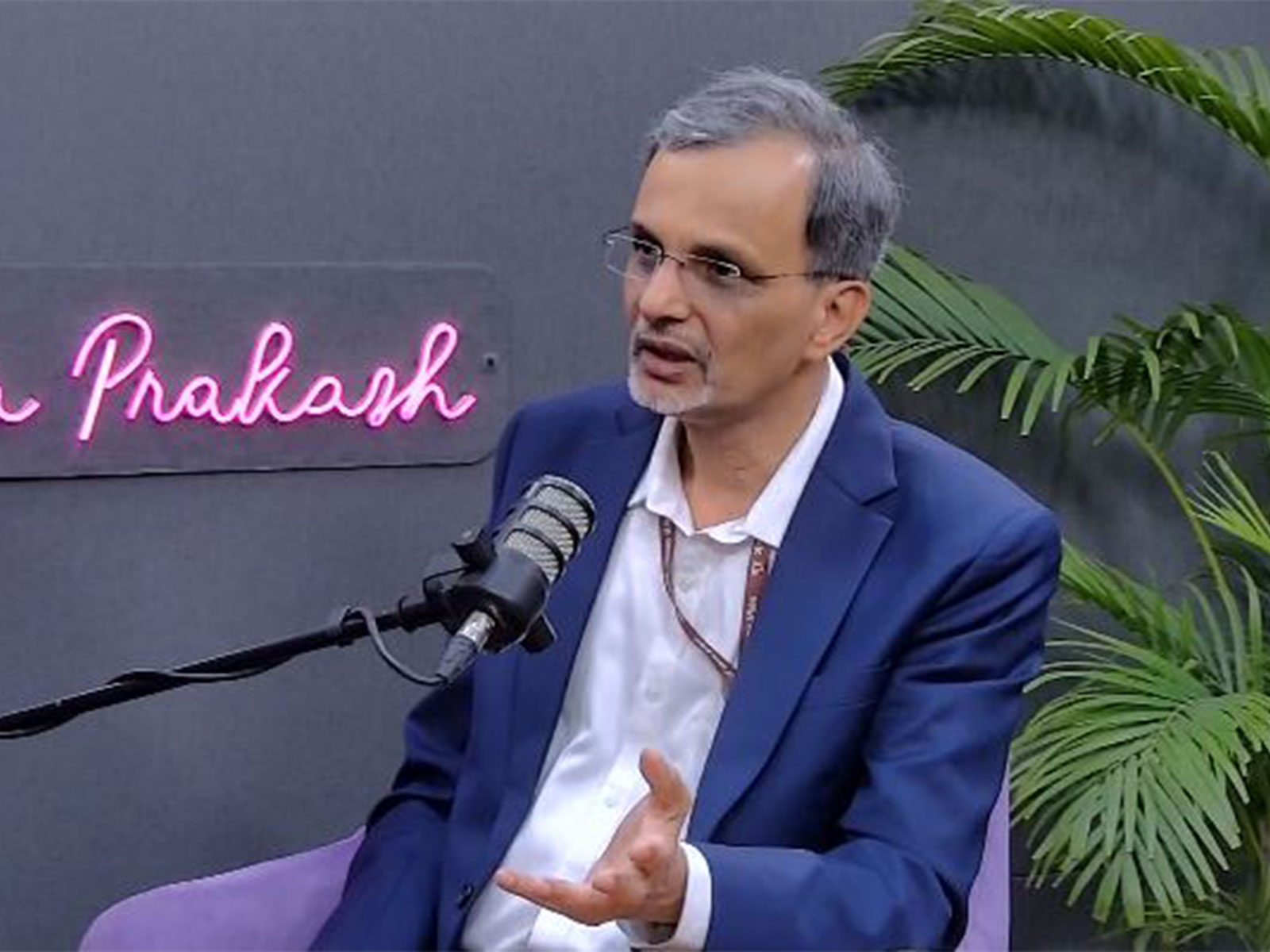
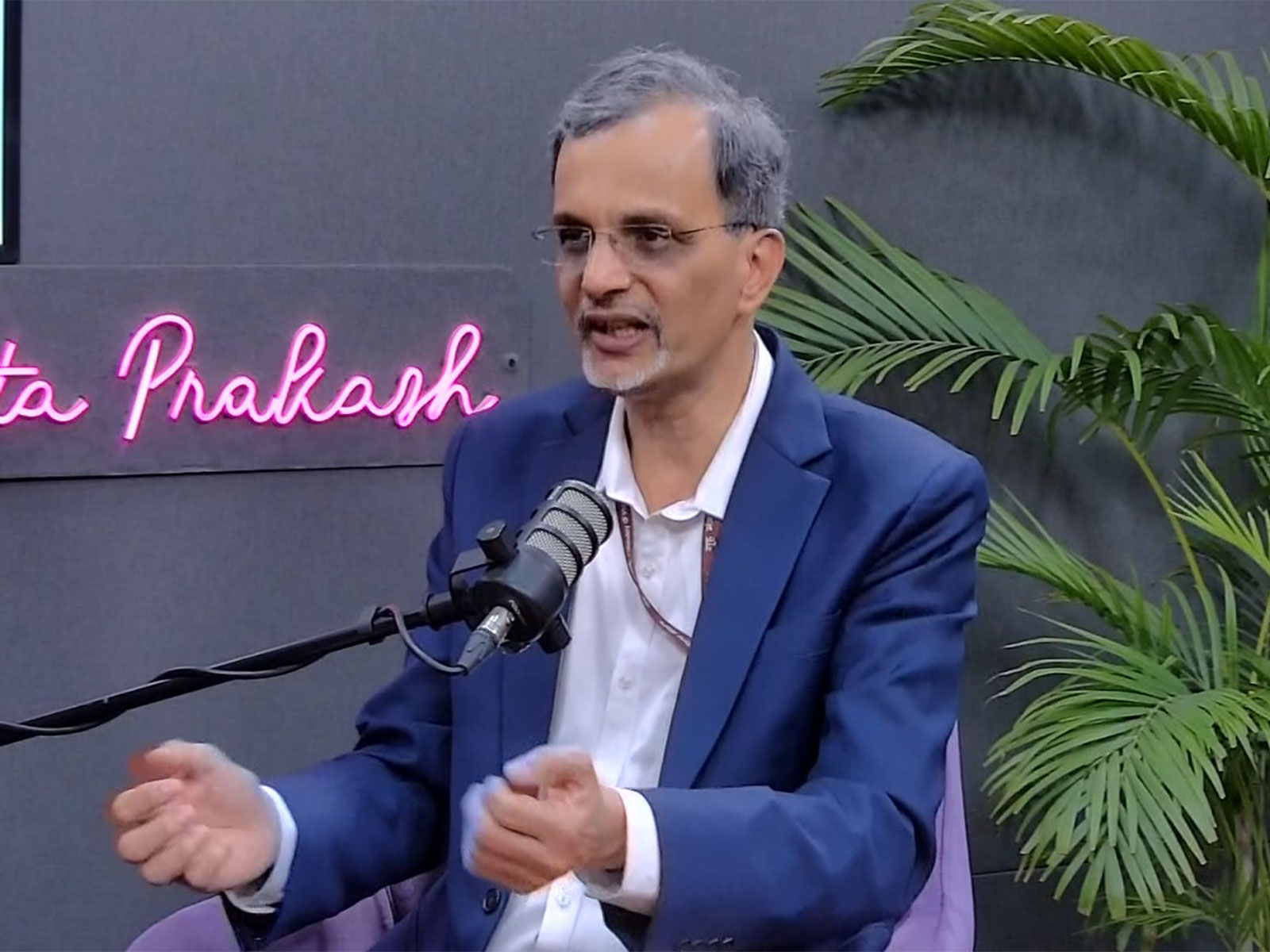
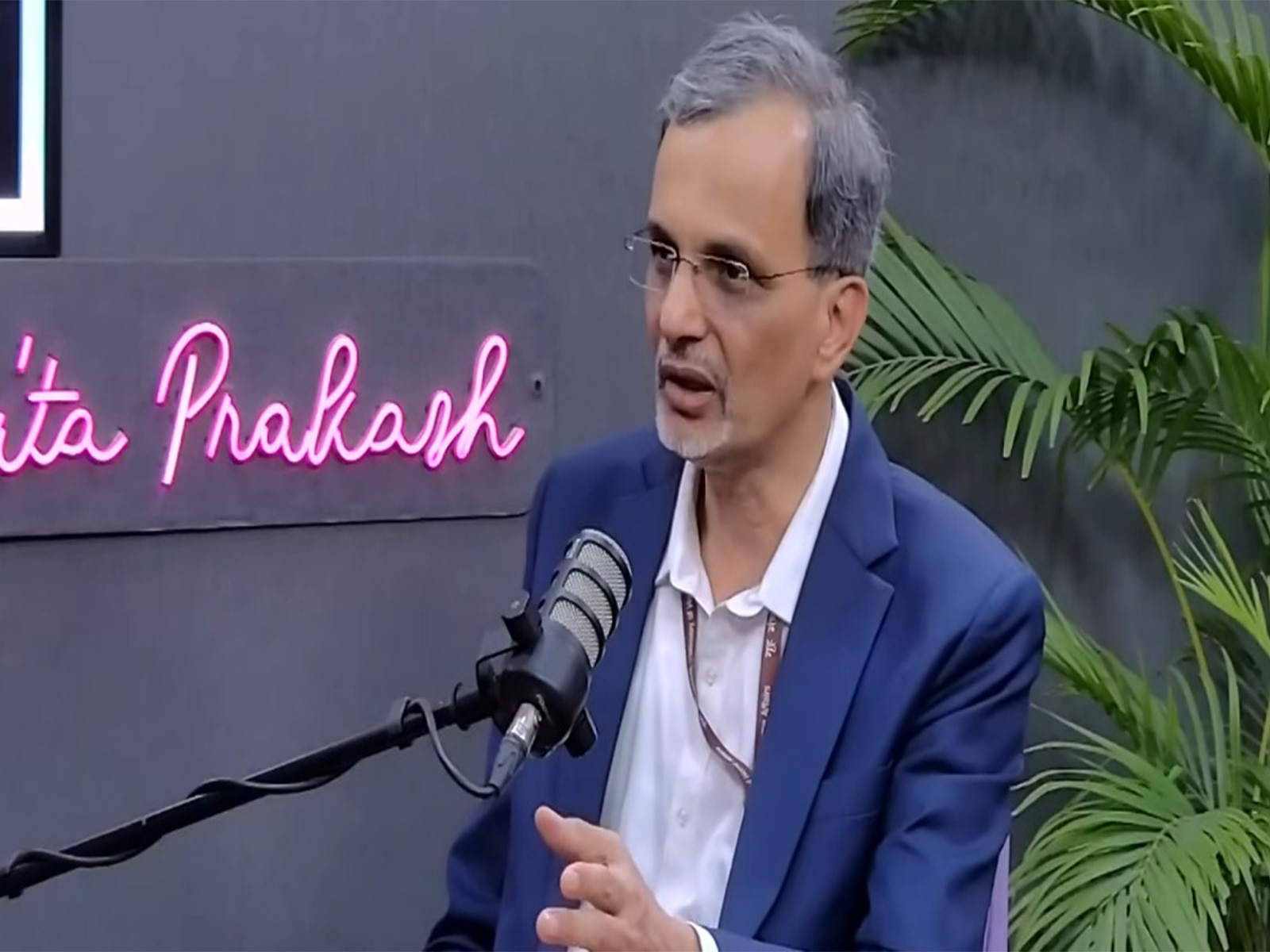
New Delhi [India], June 14 : Artificial Intelligence (AI) is expected to have a far deeper and wider impact on the global labour market than earlier technological shifts because it simultaneously affects both cognitive and skill-based jobs, Chief Economic Adviser V Anantha Nageswaran said, while cautioning that current debates around AI are being driven more by fear than facts.
In an exclusive conversation with ANI, Nageswaran said that while technological change has always disrupted certain categories of employment, AI represents a more complex transition because it is not limited to routine or manual tasks. Instead, it has the potential to reshape knowledge-based professions as well, raising concerns across sectors ranging from IT services and research to content creation and analysis.
"AI can be more disruptive because it is coming for both cognitive and skill-based jobs," he said, adding that the speed and scale of diffusion will determine its real-world impact on employment.
However, the CEA cautioned against overstating the immediate threat. "Right now, there is far too much fear and far too little information about the AI threat," he noted, arguing that much of the global narrative around AI-driven job losses is influenced by investment cycles and hype rather than grounded labour market evidence.
He said that while some entry-level and routine tasks in sectors such as coding and data processing may be affected, history shows that technological revolutions often lead to job transformation rather than mass unemployment. Previous waves of automation, including computerisation and ATM deployment, were also expected to eliminate jobs but ultimately expanded productivity and created new categories of work.
Nageswaran further pointed out that AI is already demonstrating productivity gains in sectors such as healthcare, education, and radiology, where it is augmenting human capability rather than fully replacing professionals. In several cases, demand for skilled professionals has even increased as efficiency improves.
At the same time, he acknowledged that certain fears among young professionals are understandable given the rapid evolution of AI tools and their integration into workplaces. He said the challenge for policymakers is to ensure that education and skilling systems evolve in tandem with technological change.
On the adaptation of the new technology, the CEA said India's long-term advantage will depend on its ability to build a workforce equipped with new-age skills, including trade skills and domain expertise that are less easily replaced by machines.
He underscored that while AI will be disruptive, its impact will depend on how societies choose to integrate and regulate it, rather than the technology alone.