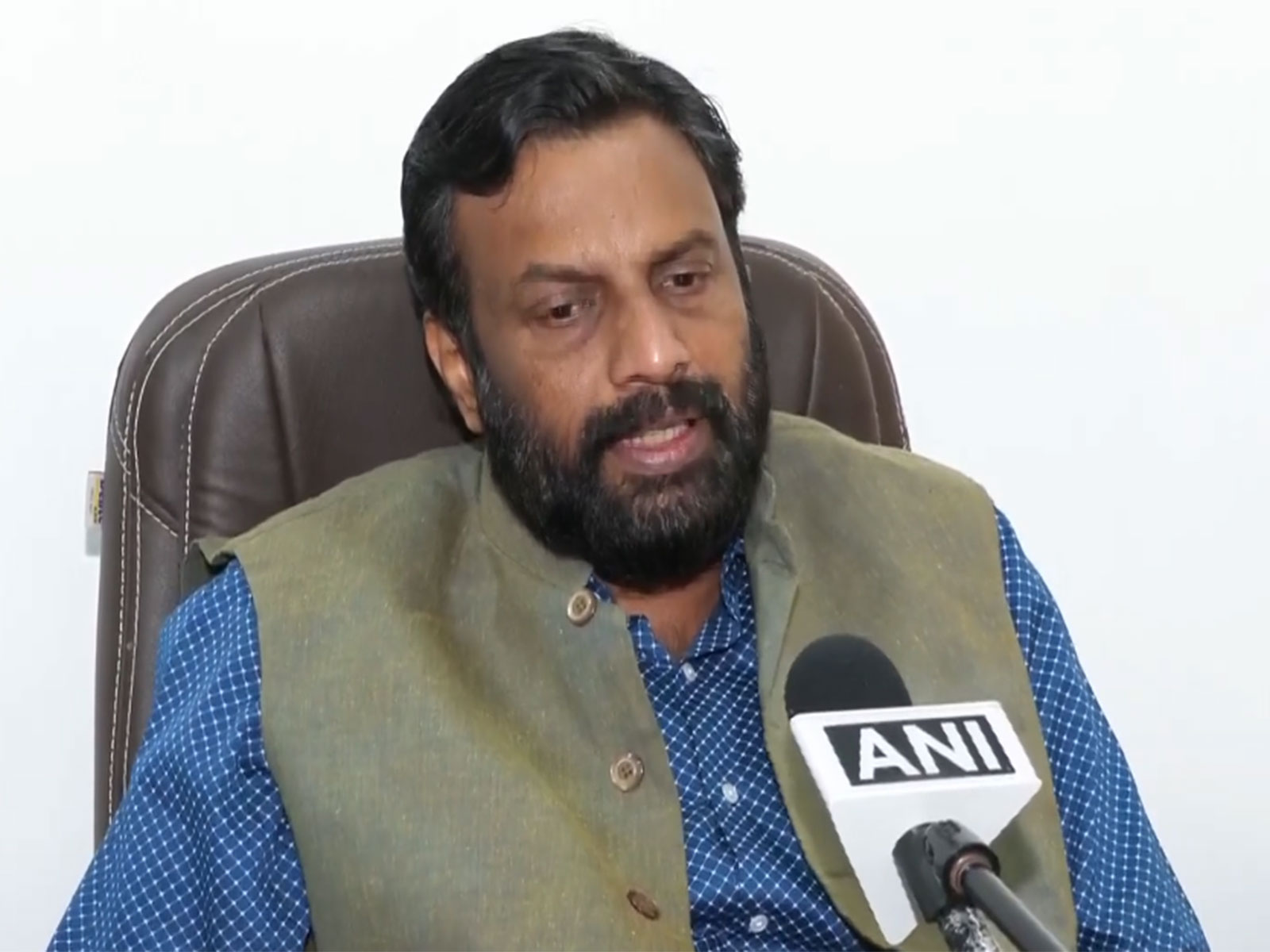
AI valuation bubble could burst, bringing foreign investors back to India: Ambareesh Baliga
Oct 10, 2026
New Delhi [India], October 10 : A possible correction in highly valued artificial intelligence (AI) stocks could bring foreign investors back to India, as the country offers a broad-based stock market and long-term growth opportunities, independent market analyst Ambareesh Baliga said in an exclusive conversation with ANI.
Baliga said the growing excitement around AI had pushed valuations in some global markets to very high levels, increasing the risk of a sharp correction.
He said a possible fall in these valuations could redirect foreign investment towards India, which has seen significant overseas fund outflows over the past two years.
“AI-related euphoria has caused valuations to skyrocket, and I think this bubble could burst sooner rather than later,” Baliga said, comparing the current enthusiasm around AI with the dotcom bubble.
He said that although internet technology grew significantly after the dotcom bubble, many investments made during that period of excessive optimism disappeared. A similar correction in AI-related stocks could change the direction of global investment flows, he added.
Baliga said India is the world's seventh-largest stock market and offers exposure to a wide range of sectors, unlike markets where foreign money has been concentrated in a relatively narrow group of AI-related companies.
He noted that India had experienced around USD 45 billion in foreign investor outflows over the past two years, but the market had corrected rather than crashed.
He cited this as a sign of the market's resilience despite sustained selling by overseas investors.
Baliga said India's growth prospects over the next one to two decades could also support foreign investor interest.
He expects India to remain among the fastest-growing economies during this period, making it a potential destination for investors seeking long-term opportunities.
However, he said a stable rupee would be important for foreign investors considering a return to Indian equities.
According to Baliga, the currency does not necessarily need to appreciate, but stability would help improve investor confidence. A marginal appreciation would be an additional positive.
For overseas investors, a falling stock market combined with a weakening rupee creates a double burden, as they face losses from declining share prices as well as currency depreciation when converting their investments into dollars.
Baliga also identified a possible resolution of the West Asia crisis as another trigger for foreign fund inflows.
He said such a development could improve investor sentiment and potentially bring foreign investors back over the next one or two quarters, though the timing remains uncertain.
On the rupee, which recently touched a five-month low, Baliga said some technical analysts may expect it to approach or cross the 100-per-dollar mark.
However, he expects the Reserve Bank of India to intervene before the currency reaches that level.
Baliga also said he expects the rupee could recover to around 93-94 against the US dollar over the next one or two quarters if positive triggers emerge and market sentiment improves. This is his forecast, rather than a confirmed market outcome.
He added that foreign selling could continue for some time, but he does not expect foreign investors' share of Indian equities to fall into single digits.
According to Baliga, foreign holdings have already declined from around 23 per cent to approximately 15 per cent.
He said a correction in AI-related valuations, stability in the rupee and an improvement in global conditions could together help revive foreign investor interest in Indian markets.