America started the process of de-dollarisation by moving into crypto, says Chairman of BRICS Chamber of Commerce
Sep 10, 2026
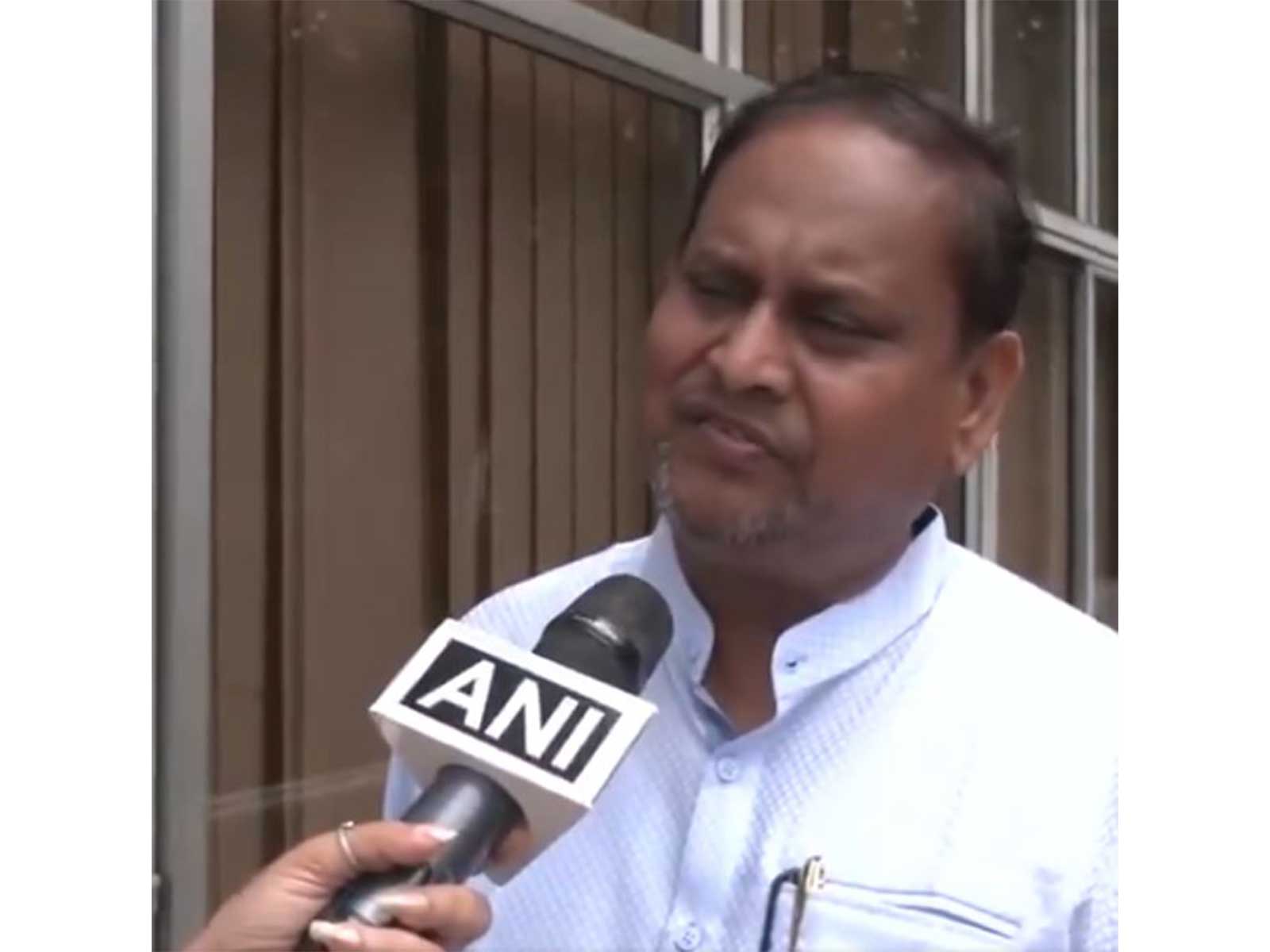
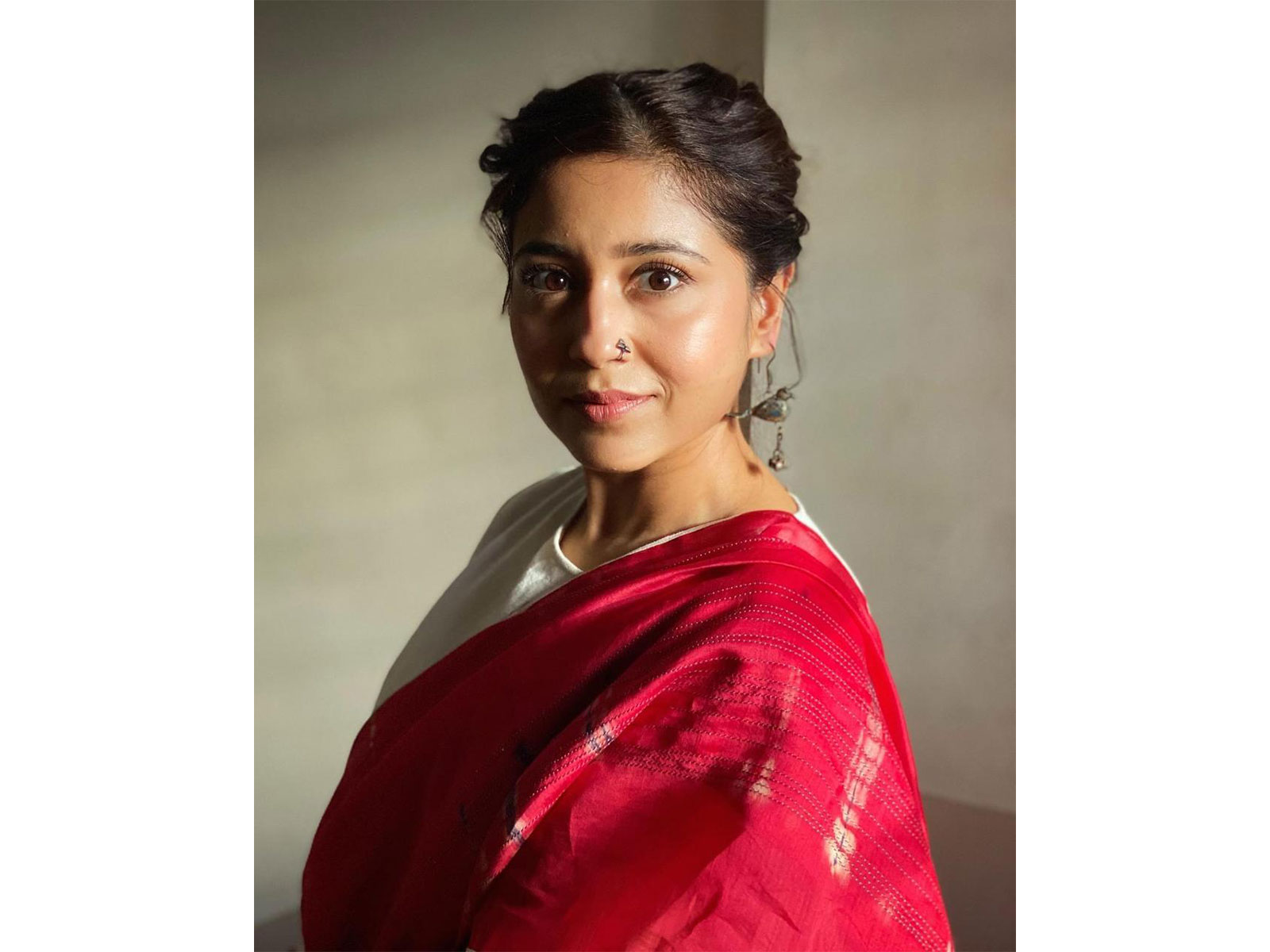
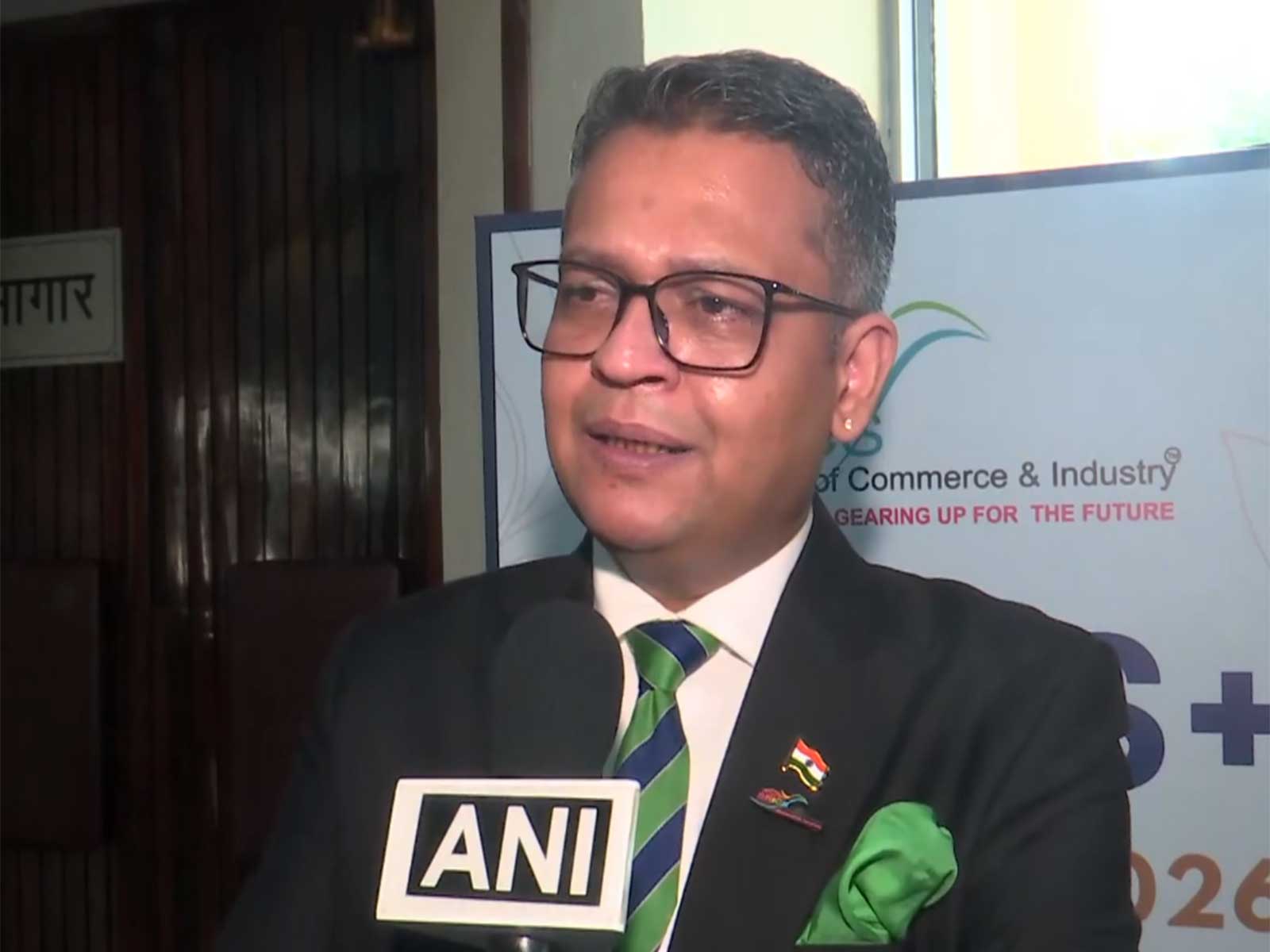
New Delhi [India], September 10 : Chairman of BRICS Chamber of Commerce and Industry Sameep Shastri on Wednesday backed the push for de-dollarisation, saying that the shift towards local currencies and digital transactions was necessary for a multipolar economic system where developing nations have a greater voice.
On the de-dollarisation debate, Shastri said the process had already begun and argued that businesses face multiple costs while conducting international trade through the US dollar.
He said developing countries could benefit from adopting local currency-based trade and digital platforms, adding that such systems could support a more balanced global economic framework.
Speaking to ANI, he said, "De-dollarisation started when America invested in crypto; they de-dollarized themselves rather than blaming it on other countries. And why should a businessman, it's a very practical question, pay a royalty just to buy in dollars, then the transaction change fees and then, so, literally three times the penalty is being paid just to trade because he has to do it in dollars. Is the way forward for having a multipolar economic situation where developing nations have a voice, and I don't see that going back. I don't see any other solution other than dealing with local currency and with digital transactions taking place, and UPI playing one of the most, what I'll call, ideal roles for most of the developing countries. UPI is playing that role, and we are showing the world that we can have $90 billion of transactions, and we are leading in digital transactions; I feel it should not be a bad thing."
He also said that India needs to strengthen exports to BRICS economies, as high energy imports have left the country running a trade deficit with most members of the grouping.
“Currently, India is in a trade deficit with most of the BRICS nations because we are primarily importing energy sources. With our consumption very high and a population of 1.4 billion, we need to make sure that every household has LPG and every car is running on petrol,” Shastri told ANI.
He said India was making progress in manufacturing and improving product standards, which could support exports.
India is currently negotiating a free trade agreement with the Eurasian Economic Union, of which Russia is a member. India and Russia have also set a target of taking bilateral trade above USD 100 billion by 2030, while seeking to increase Indian exports and make trade more balanced.
During India's BRICS chairship this year, member countries have also discussed expanding trade and building more resilient and diversified supply chains.