Amit Shah calls for integrated forecasting system at Centre, state
May 10, 2026
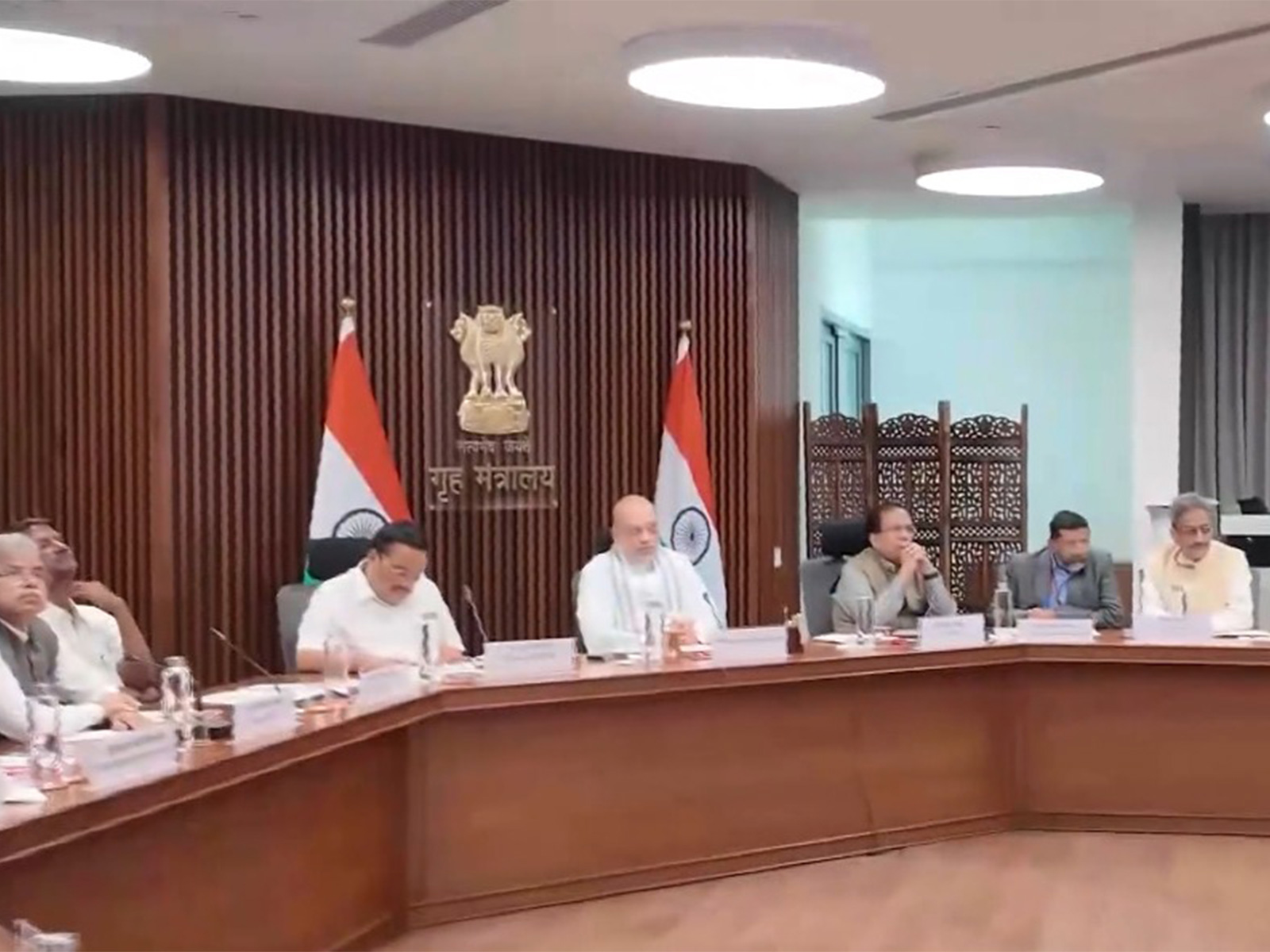
New Delhi [India], May 10 : Union Home Minister Amit Shah on Sunday stressed the need for an integrated system for flood forecasting at both the Centre and state levels while reviewing the country's preparedness to deal with potential floods and heat waves.
In the comprehensive high-level meeting held in the national capital, Shah said that at least 60 lakes should be included in the plan to develop an early warning system for 30 high-risk lakes in Jammu and Kashmir, Ladakh, Uttarakhand, Himachal Pradesh, Arunachal Pradesh, and Sikkim with the support of the National Disaster Management Authority (NDMA).
"There should be an integrated system for flood forecasting at both the Centre and state levels... Flood Crisis Management Teams (FCMTs) should be constituted and activated in every state of the country," the Home Minister said while addressing the meeting.
He pointed out that the guidelines issued by the NDMA for disasters have led to better awareness and the development of a "whole of government" approach, but reviewing compliance with these guidelines at the state, district, and municipal levels can further strengthen their implementation.
Shah also said that the NDMA should conduct a study to assess how many states are following the Ministry of Home Affairs' directives and the NDMA guidelines for dealing with forest fires, heat waves, and floods.
The Home Minister emphasized on efforts made to implement the vision of "zero casualty disaster management."
He said that greater possibilities for water conservation and improvement in groundwater levels should be explored through water storage and check dam projects.
"Our objective should be to conserve water by constructing check dams on rivers while also minimizing the impact of heat waves. The CAMPA fund should be utilized to make efforts aimed at maintaining environmental balance more multi-dimensional," said the Minister.
Shah said that a master plan should be prepared to address the changes in weather patterns caused by climate change and the growing disaster-related challenges arising from them by adopting a "whole of government" and "whole of society" approach.
Shah asked the officials of the ministries and departments present in the meeting to focus on consolidating and improving the existing apps and portals instead of creating new ones.
He also said that weather forecasts and warnings should be disseminated widely and effectively.
The minister also said that efforts should be made to further improve our assessment of the upcoming monsoon by studying casualties during the monsoon season, the accuracy of our forecasts, and the damage caused to the agriculture sector.
Shah appreciated the work being carried out by the ministries and departments participating in the meeting, as well as the coordination among them. He said that the time has now come for our weather-related plans to reach the grassroots level.
The minister has accorded the highest priority to preparedness for reducing the impact of floods and other natural disasters.
The meeting was attended by Union Jal Shakti Minister C R Patil, Union Home Secretary, Secretaries and senior officials of various ministries, members and heads of departments of the NDMA, the Director Generals of the National Disaster Response Force and the India Meteorological Department, the Chairpersons of the National Highways Authority of India and the Central Water Commission, as well as senior officials from the National Remote Sensing Centre and other concerned departments.
Every year, the Home Minister conducts a detailed review of pre-flood preparedness. Several important initiatives have been undertaken in accordance with his directions. These include extending the advance period for rainfall and flood forecasts by the India Meteorological Department (IMD) and the Central Water Commission (CWC) from three days to seven days, as well as improving the standards for heat wave forecasting.