Andy Burnham becomes UK's 7th PM in a decade, says "Needs to show Britain can regain stability once again"
Jul 20, 2026
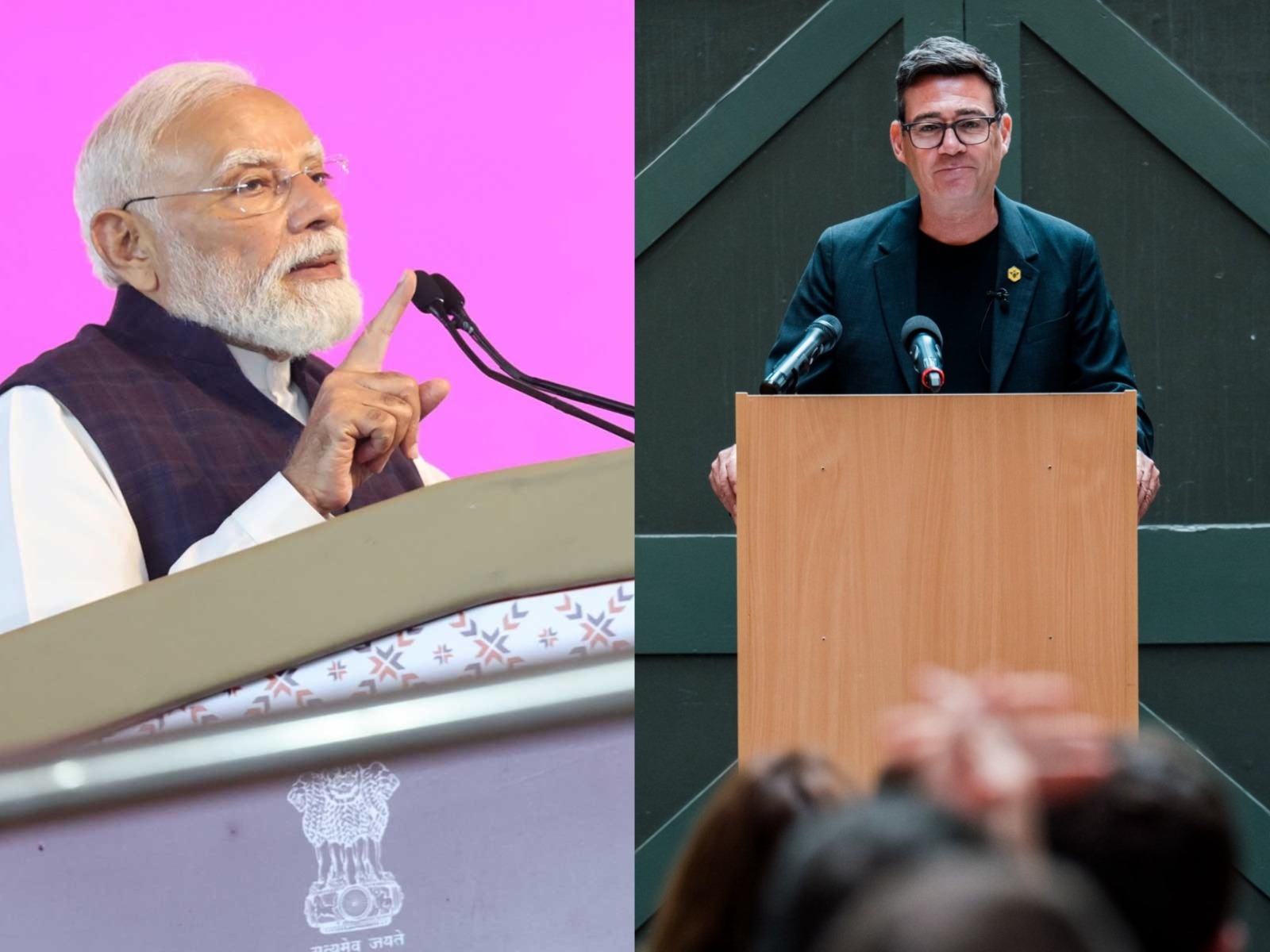
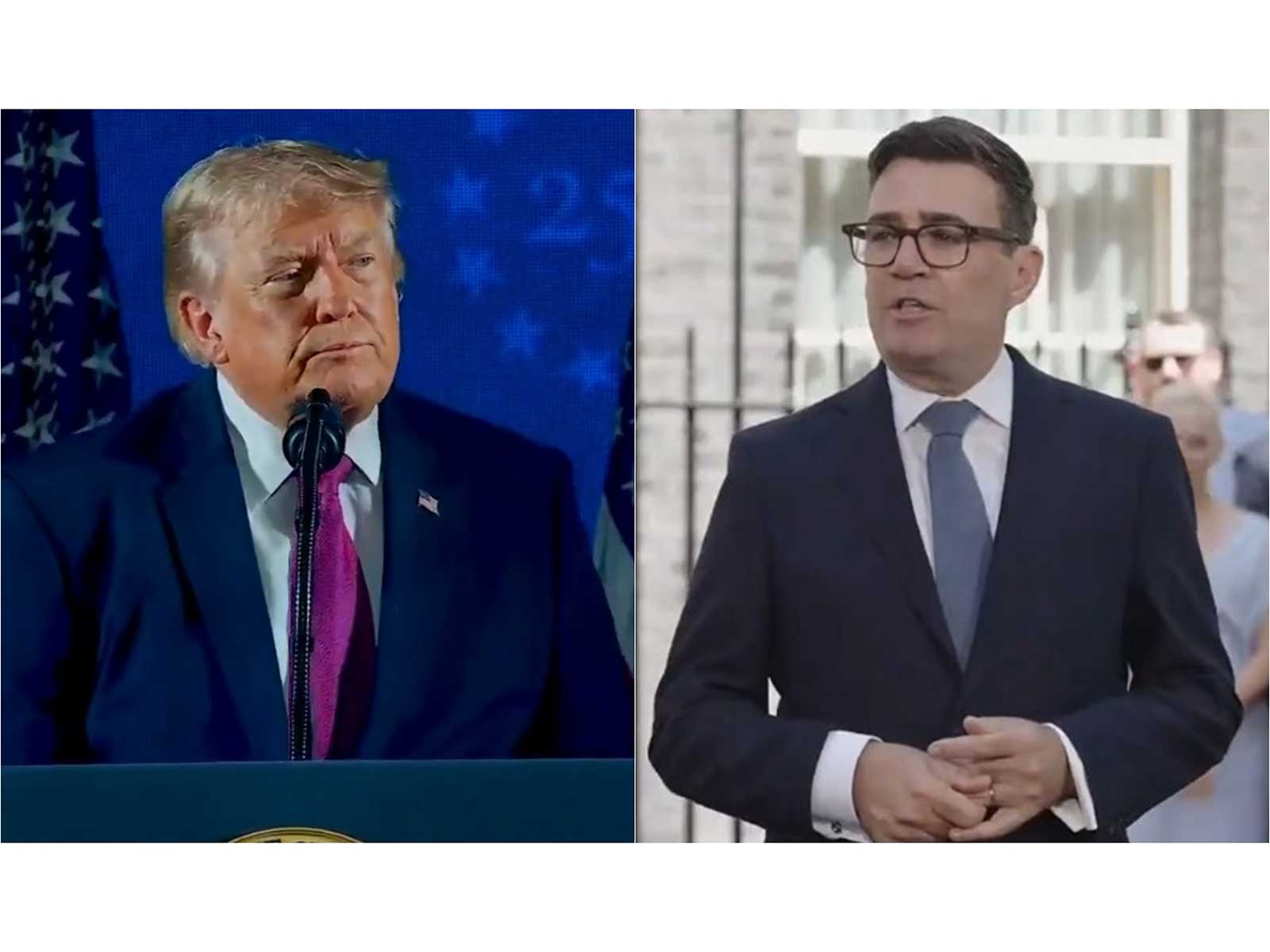
London [UK], July 20 : Andy Burnham has become the 59th Prime Minister of Britain on Monday after Keir Starmer tendered his resignation at Buckingham Palace. In his first address, he stressed "Britain needs to show the world that we can regain our stability once again" as the Labour leader is the UK's seventh PM in a decade.
He accepted the invitataion from King Charles III in a ceremony traditionally known as 'kissing hands.' The Buckingham Palace on X announced that before the appointment of Burnham, former Prime Minister Starmer resigned from the designation.
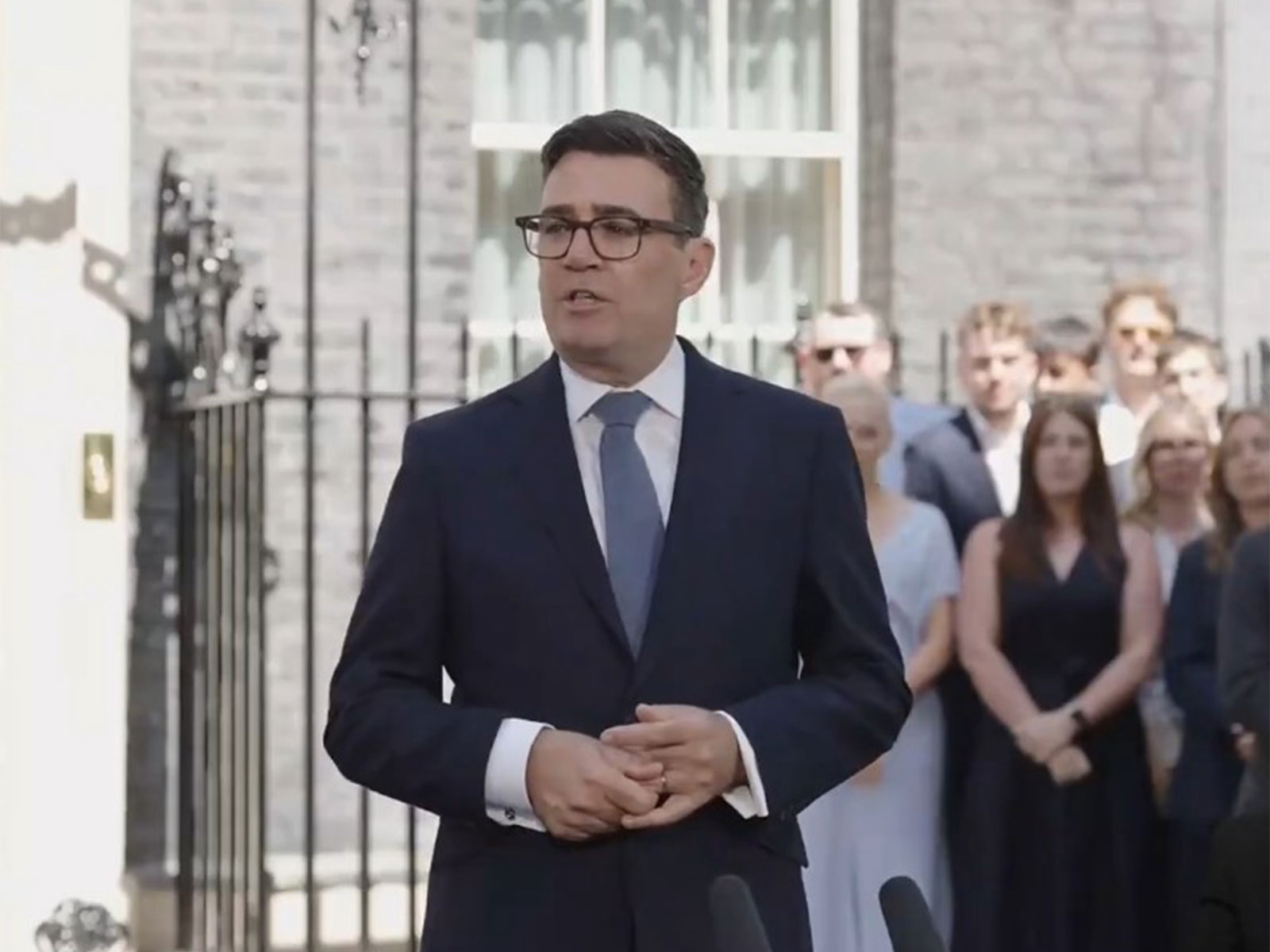
Burnham (56), after becoming the Prime Minister, arrived at 10 Downing Street, accompanied by his wife Marie-France van Heel and delivered his first remarks to a public weary of political instability.
"Britain needs to show the world that we can regain our stability once again, and that is our challenge to make politics work, to make it work better. I know people at home are fed up with politics," he said.
In a poignant address, the PM promised to act as a "circuit breaker for Britain, bringing forward the biggest changes in the last 40 years."
"I am acutely conscious that I am the sixth person in the last ten years to walk up this street - the seventh prime minister since 2016 - making this a moment for reflection and new resolution," Burnham said. "It requires my generation of politicians to raise our game and rise to the new challenge."
Acknowledging widespread public disillusionment, Burnham delivered a direct message to voters, stating, "I know people at home are fed up with politics. I hear you, and I want to be honest with you - we have not been good enough and we need to be better."
The central pillar of Burnham's address was a fundamental rejection of the economic and political consensus that has governed Britain since the 1980s. Drawing on his years championing regional devolution as a metro mayor, he pledged to dismantle the highly centralised Westminster model.
"A new political model and a new economic model. In the 1980s Britain took some wrong turns," Burnham said. "Political power was centralised, economic power privatised, large parts of the country industrialised and they still haven't recovered... And that's why we will change politics, to make it more collaborative, more about problem solving than point scoring."
Burnham vowed to "take power out of here and carry it into every postcode in the land," laying the groundwork for a new economy that places "life's essentials" back under stronger public control to ensure affordability.
While Burnham announced he will unveil a comprehensive, cross-party 10-year plan for national renewal later this year, he emphasised that he will set out some measures from tomorrow onwards to help the UK with the cost of living.
"Later this year I will bring forward a new plan for Britain, a 10-year plan laying out a path from where we are now to where I believe we all want Britain to be, wherever we're coming from, whatever party we support. But I can do something to give people some breathing space now, some help with the cost of living," Burnham promised, adding that emergency measures, alongside their funding mechanisms, will be detailed starting tomorrow.
The Prime Minister insisted that these upcoming economic adjustments would remain fiscally responsible.
"That is the fair and sustainable way to bring the welfare bill down, to meet our fiscal rules, and to honor our commitments on defence to our international partners," he stated.
Looking toward long-term public service reform, the leader advocated for a shift toward what he termed a "preventative state," aimed at investing in individual success rather than paying to manage social failures.
Among his immediate priorities, Burnham outlined targeted interventions for the younger generation, pledging to help more young people transition into the workforce by reshaping the education system and expanding access to essential support systems, particularly mental health services.
"That work starts now," Burnham concluded.