Assam: More than a month after Jorhat floods, nine families still living in roadside relief camp
Aug 21, 2026
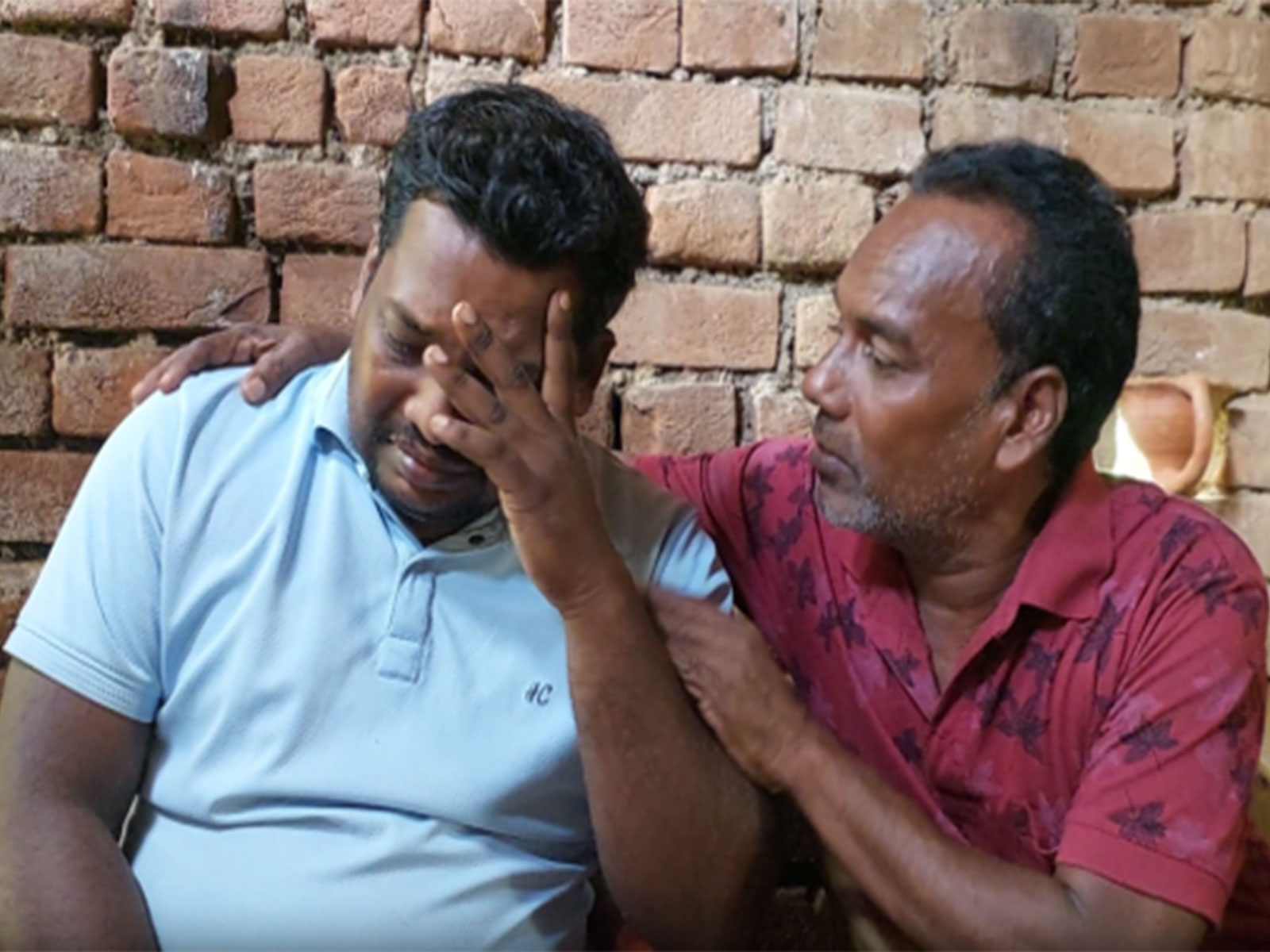
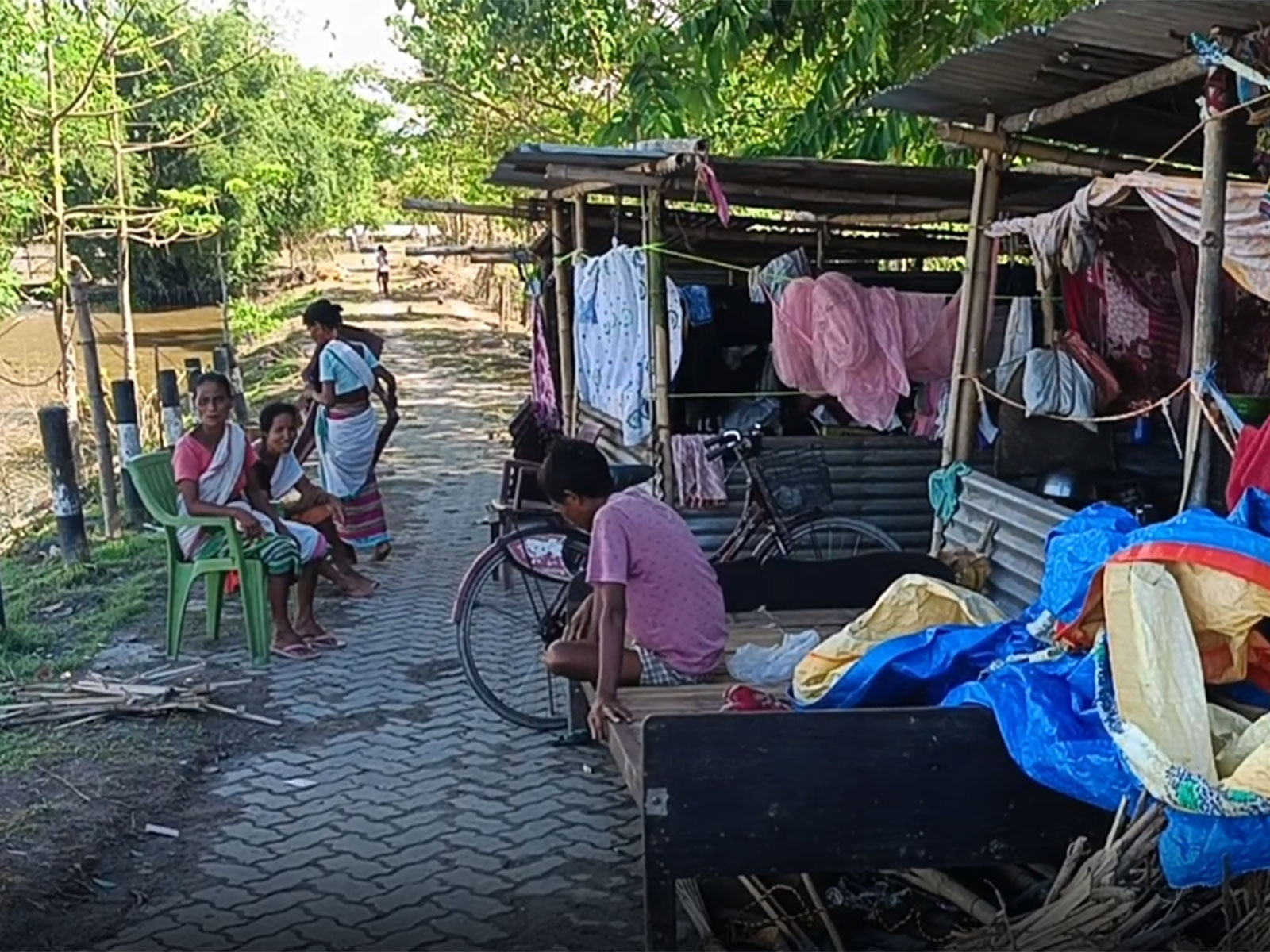
Jorhat (Assam) [India], August 21 : More than a month after devastating floods swept through parts of Assam, the impact of the deluge continues to be felt by families in Jorhat, where nine families from Majiya Bheti are still living in a roadside relief camp, unable to return to their homes.
While floodwaters have receded from much of the surrounding area and several affected residents have begun returning home, the nine families of Majiya Bheti remain displaced, with residents saying their houses, agricultural land, livestock and belongings were severely damaged.
The families have been staying at the roadside camp since July 19, when the flood situation in the area deteriorated sharply.
For them, however, the end of the flooding has not meant an end to the crisis.
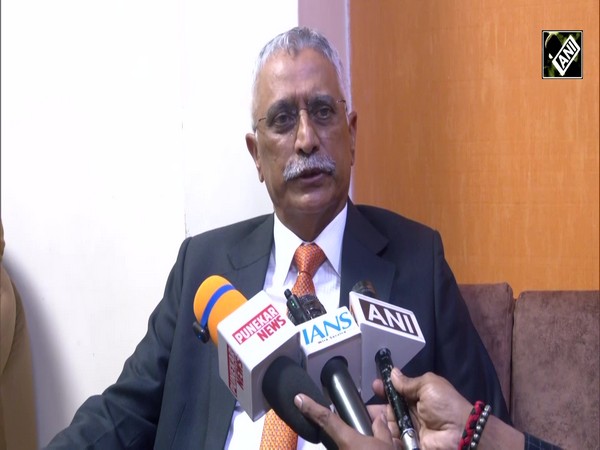
Speaking to ANI, Rekha Dorobdhora, a resident of No. 2 Majiya Bheti village, said the families were struggling to meet even their basic needs at the camp.
"We have been staying in this relief camp since July 19. The flood has affected us very badly," she said.
Dorobdhora said several sources of food that families traditionally depended on, including locally available fruits, vegetables and wild leafy greens such as kachu and dhekia, were no longer accessible. She also said livestock had been lost in the aftermath of the flood.
"Our cows and goats are dying. Even today, one of our goats died," she said.
Living conditions at the roadside camp have also become increasingly difficult. According to Dorobdhora, the families do not have enough beds, while storms and heavy rain at night pose an additional threat because of the temporary tin-roofed structures.
"This tin roof has become a serious threat to our children because it could fall on them at any time," she said.
The displacement has also disrupted children's education. Dorobdhora said their school bags and other belongings had been kept at a higher and safer place during the floods, and that the children could return to school only recently.
She added that damaged roads were making their daily commute difficult, forcing children to walk considerable distances before finding transport to continue their journey to school.
Another resident, Dharmendra Gogoi, said the flood had destroyed the agricultural land on which his family and other villagers depended for their livelihood.
"I remember that the flood started on July 18, but on July 19, the situation became devastating, and we had to come to this relief camp," Gogoi told ANI.
He said farmers had already invested considerable time and money in their crops when the floodwaters arrived and destroyed the agricultural land.
"The flood destroyed all our crops and agricultural land. Our farming work was almost complete. We had invested a lot of hard work and money, and just when everything was ready, the flood came and destroyed everything," he said.
Gogoi said pigs and goats also died in the flooding and expressed concern that the agricultural season could effectively be lost.
"I do not think we will be able to do kheti (farming) this year," he said.
He said the embankment damaged during the floods had not been completely repaired, raising fears that another spell of heavy rain could once again inundate agricultural fields.
"If it rains again, floodwater could once again enter our agricultural land," he said, adding that the window for paddy cultivation was already nearing its end.
The farmer appealed to the government to provide seeds, fertilisers and other agricultural inputs so that affected families could undertake alternative cultivation when possible. He also sought tractors and agricultural machinery to help farmers restore and prepare their damaged fields.
Gogoi said many families were also unable to return home because water remained in their yards and snakes, frogs and other creatures had entered houses.
"I think it may take another month before we can return to our homes," he said.
The situation in Jorhat comes as Assam continues its recovery from one of the year's most severe flood episodes. According to recent Assam State Disaster Management Authority figures, the state's flood-related death toll reached 105, while thousands of people remained affected across several districts. Jorhat was among the districts continuing to report significant flood impact.
The floods have also damaged roads, bridges, embankments and agricultural land across the state. Recent official figures showed more than 3,200 hectares of crop area damaged, highlighting the scale of the impact on rural livelihoods.
Relief and rescue operations had been carried out across Jorhat during the height of the floods. The National Disaster Response Force had also conducted rescue operations in flood-affected areas of the district in July, including evacuating people stranded in submerged homes and floodwaters.
The Assam government has since continued relief and financial assistance for affected families, with recent disbursements covering flood-hit districts including Jorhat.
But for the nine families at Majiya Bheti, recovery remains a distant prospect.
With damaged homes, lost livestock, destroyed crops and uncertain livelihood prospects, the families say they now need sustained assistance rather than temporary relief.