Bangladesh Awami League's temporary ban not sustainable over longer term: International Crisis Group
Apr 23, 2026
Dhaka [Bangladesh], April 23 : The International Crisis Group on Thursday urged the new government of Bangladesh to address the ban on the Awami League.
"The BNP government will also have to address the politically sensitive question of the Awami League's future. Given its pivotal role in Bangladesh politics since independence, the party's temporary ban is not sustainable over the longer term, " Crisis Group's Senior Consultant on Bangladesh and Myanmar, Thomas Kean, said.
In the context of the release of a new report by the International Crisis Group on Bangladesh, he made this statement. The report stated that, considering its close ties to the party and the fact that most of its senior figures are in exile, New Delhi should use its influence to encourage the party's leadership to take steps that could pave the way for its eventual return to politics.
"Rebuilding strained relations with India should be a priority for the BNP government more generally, but as it pursues better ties with its larger neighbour, it will need to maintain a balance with other key partners, not least China and the United States. The stakes are high for the BNP. It should move quickly to take advantage of the narrow post- election window for reforms, so as to demonstrate to the Bangladeshi people that it will not simply revert to past practices now that it is back in power", the International Crisis Group report said.
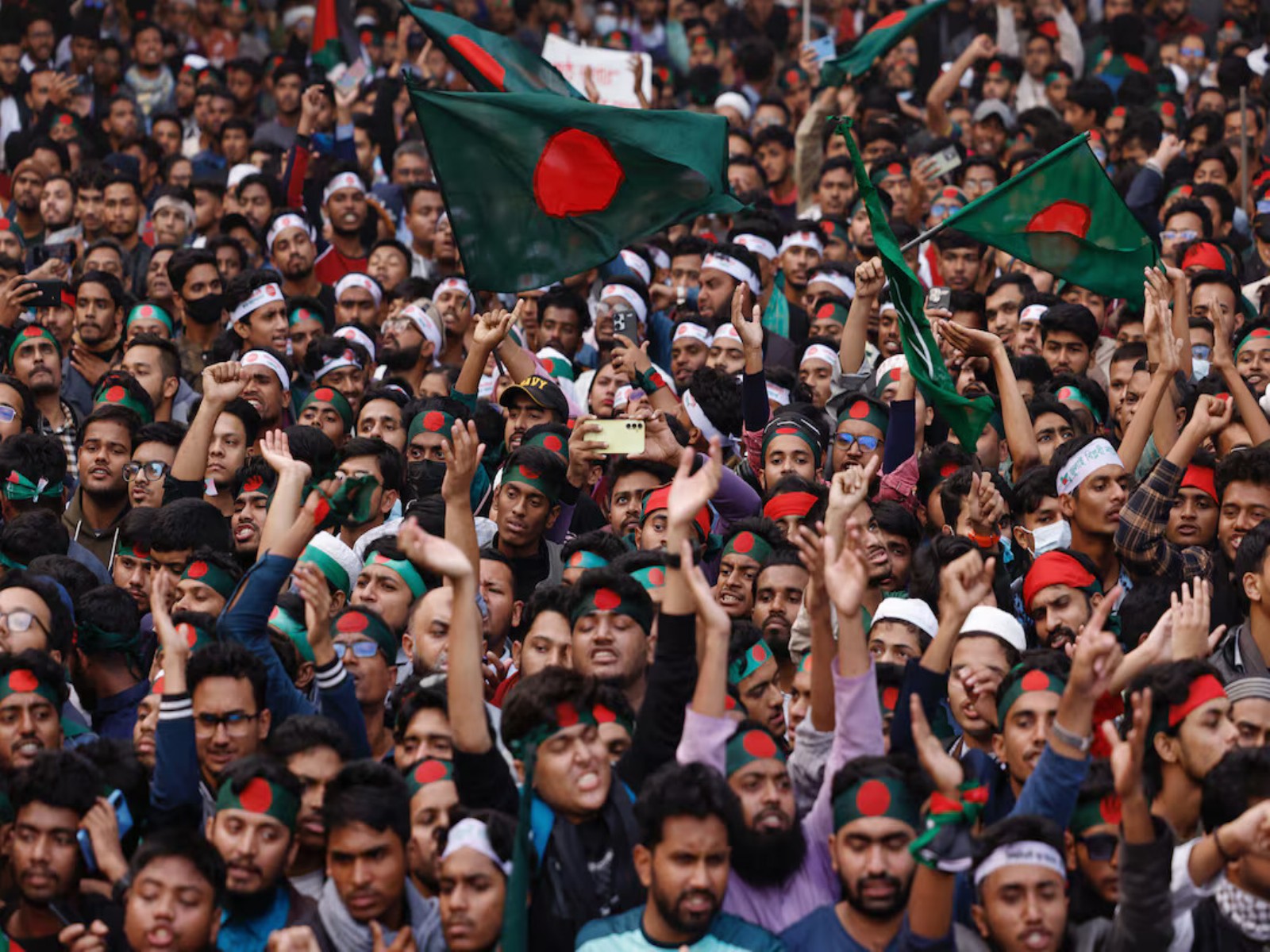
After the uprising, following fifteen years of increasingly autocratic rule, a mass protest movement forced Sheikh Hasina's government from power in August 2024. After Hasina fled, the army, which sealed her fate by refusing to shoot protesters, consulted political parties and student leaders, giving rise to the appointment of Muhammad Yunus as head of an interim administration, the report said.
"The stakes are high for the BNP. It should move quickly to take advantage of the narrow post-election window for political and economic reforms, and demonstrate to the Bangladeshi people it is not simply reverting to past practices now that it is back in power", Kean added.
"Bangladesh's 12 February elections were a historic moment, ending eighteen months of interim rule following a mass uprising that ousted former prime minister Sheikh Hasina. The Bangladesh Nationalist Party won a clear majority while voters also backed the July Charter reforms in a concurrent referendum. The parties, the interim government, the election commission and security forces all deserve credit for the way they conducted the election, which was largely free of violence or irregularities, and was followed by a smooth transfer of power", Kean said.
"Two months on from the vote, however, the scale of the challenge facing the new government is becoming clearer. For the BNP, the top priority needs to be reviving the economy and managing the fallout from conflict in the Middle East, which is hurting households and businesses. Bangladesh is heavily dependent on energy imports from the Middle East for fuel and electricity, and the region is also an important source of fertiliser for the agriculture sector. Rising energy prices and trade disruptions linked to the Iran conflict are likely to drain foreign exchange reserves, lower GDP growth, and push up inflation. But conflict in the Middle East will not just drain government coffers; it could potentially push millions of Bangladeshis back into poverty," he said.
"At the same time, economic growth on its own is not enough. Bangladeshis are expecting to see real improvements in the performance of state institutions and public security. The government will also need to implement political reforms, and it should avoid a major confrontation with its political opponents over the July Charter in order to focus on more pressing challenges," he said.