Bangladesh's Tangail Saree tradition takes centre stage in New Delhi
Apr 18, 2026
By Kajal Kanhaua
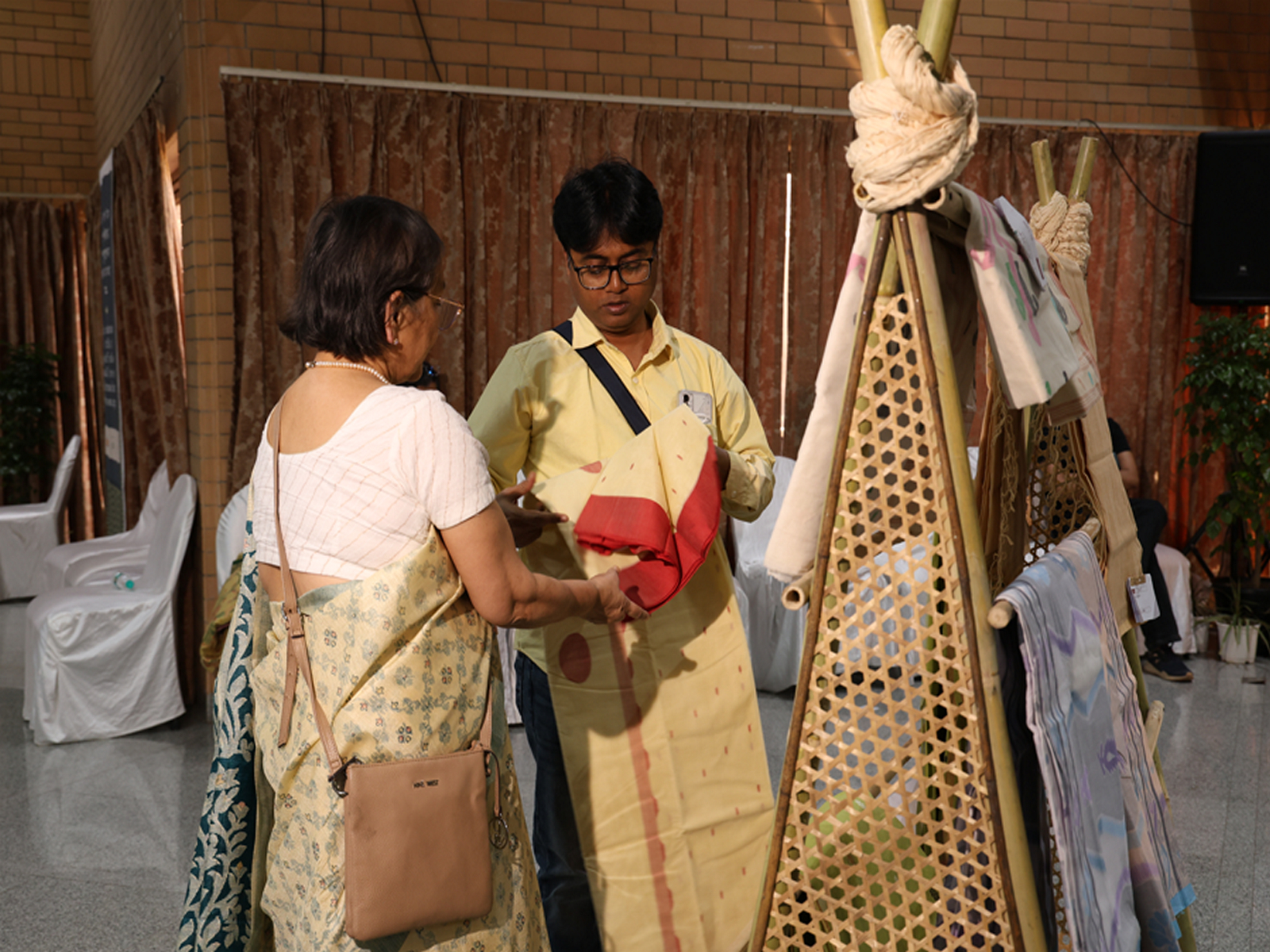
New Delhi [India], April 18 : An exposition celebrating Bangladesh's rich handloom saree heritage was organised at the Bangladesh High Commission in New Delhi, offering visitors an immersive glimpse into one of South Asia's most refined textile traditions.
The event was inaugurated by Bangladesh High Commissioner to India M. Riaz Hamidullah, alongside noted designer Padma Shri Sunita Kohli and craft revivalist Padma Shri Laila Tyabji. Curated by Chandrasekhar Bheda (India) and Chandrasekhar Saha (Bangladesh), the exposition brought together some of the finest handwoven sarees from Tangail and Pabna--two historic weaving hubs of Bangladesh.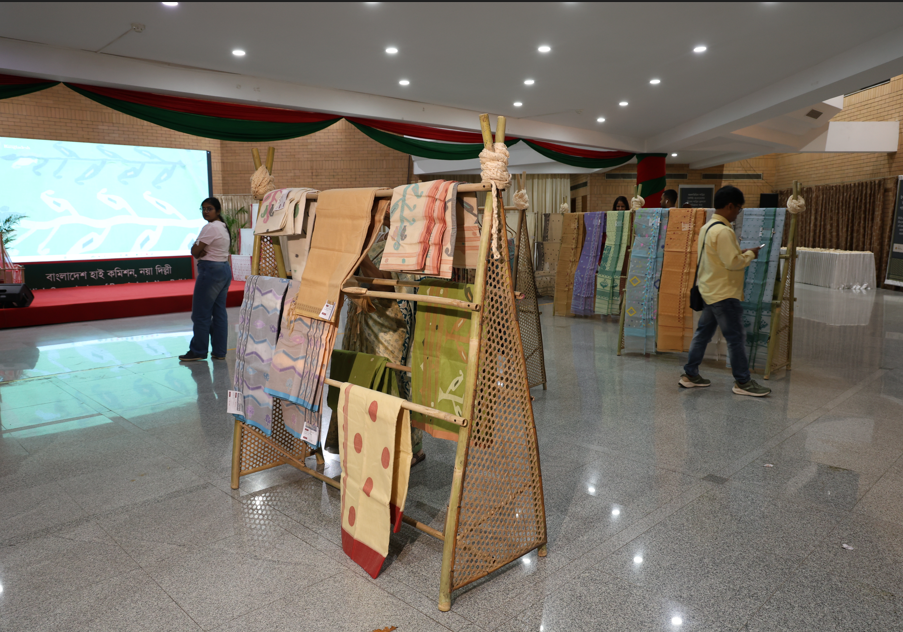
The showcase came after UNESCO, in December 2025, inscribed the "Traditional Saree weaving art of Tangail" from Bangladesh onto the Representative List of the Intangible Cultural Heritage of Humanity - an acknowledgement that has renewed global interest in the craft.
Walking into the exhibition hall, visitors were not just greeted by sarees, but by stories of looms, rivers, and generations of artisans. Two national award-winning saree weavers, from the Basak family (Tangail) and Mohammad Sajeeb (Naranganj) - each with two decades of credentials in saree-weaving, joined from Bangladesh to demonstrate the intricate weaving process on site.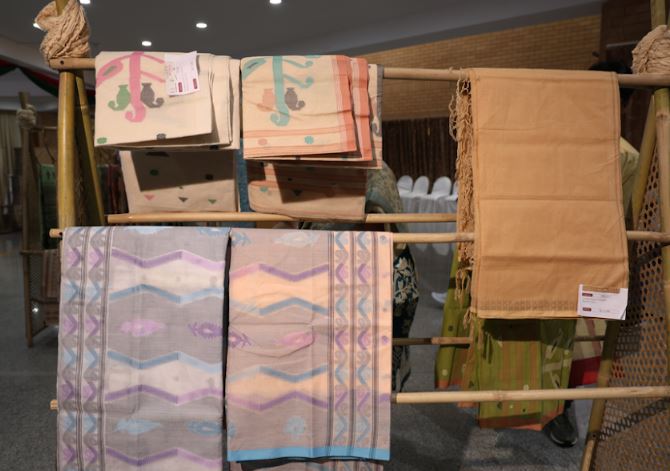
Rare heirloom pieces, some as old as 65 to 80 years, were on display from the Basak family of Tangail, one of the most prominent weaving lineages in the region. Their intricate motifs and soft textures reflected a legacy shaped as much by skill as by geography.
Explaining the uniqueness of Tangail weaves, master weaver Khokon Basak pointed to the environment itself. "Tangail is different from others. Every day, there are new designs, new sarees... only Tangail produces such continuous innovation," he said.
For curator Chandra Shekhar Shaha, the exhibition went beyond aesthetics.
"A lot of our Tangail sarees are exported to India because people here truly appreciate them. The craze is unbelievable. Our master weavers constantly innovate with colours and reinterpret traditional motifs in a contemporary context," he said.
He added that growing collaboration between designers, entrepreneurs, and weavers--along with government support--has helped sustain the sector.
Earlier on Friday, speaking to ANI at the Saree Weaving Exposition, Bangladesh High Commissioner to India M. Riaz Hamidullah said the collection represented some of Bangladesh's finest traditional weaves and underlined their cultural significance.
"We have brought some of the finest traditional handloom weaves from Bangladesh. Interestingly, from across a river called the Yamuna. Basically, it's the Brahmaputra in Bangladesh on two sides...Each piece here is a handloom weave...It's to tell people of craftsmanship, of our commonalities, of the crafts, because crafts actually are struggling, not only in Bangladesh, but in many other parts of the world," he said.